

As the global PC hardware community remains embroiled in the "RAMpocalypse"—a period defined by volatile memory pricing, supply chain bottlenecks, and a growing frustration with modern component acquisition—a parallel, quieter movement is gaining momentum. While consumers and DIY enthusiasts scramble for the latest DDR5 modules, a subset of makers is looking not to the future of sub-nanometer lithography, but to the robust, tactile, and decidedly analog roots of computing.
The latest figure to capture the imagination of this retro-computing subculture is the maker known as Polymatt. In a recently released video, the TechTuber unveiled a project that is as much an artistic statement as it is a technical defiance of modern semiconductor dependency: a USB drive featuring 64 bits of storage. To be clear, that is 64 bits, not gigabytes or terabytes—a capacity so small it would struggle to hold a single high-resolution photograph. Yet, in the context of the current market, this hand-crafted relic offers a fascinating look at the enduring charms of Magnetic Core Memory.
The Rebirth of the Magnetic Core
For those whose computing history began in the age of flash storage, the term "core memory" may sound alien. Before silicon transistors became the bedrock of data storage, computers relied on tiny magnetic rings—ferrite cores—threaded with wires. By passing current through these wires, the polarity of the magnetic field within the ring could be flipped, representing a binary 1 or 0. This was the technology that powered the Apollo Guidance Computer, helping humans reach the moon with less processing power than a modern musical greeting card.
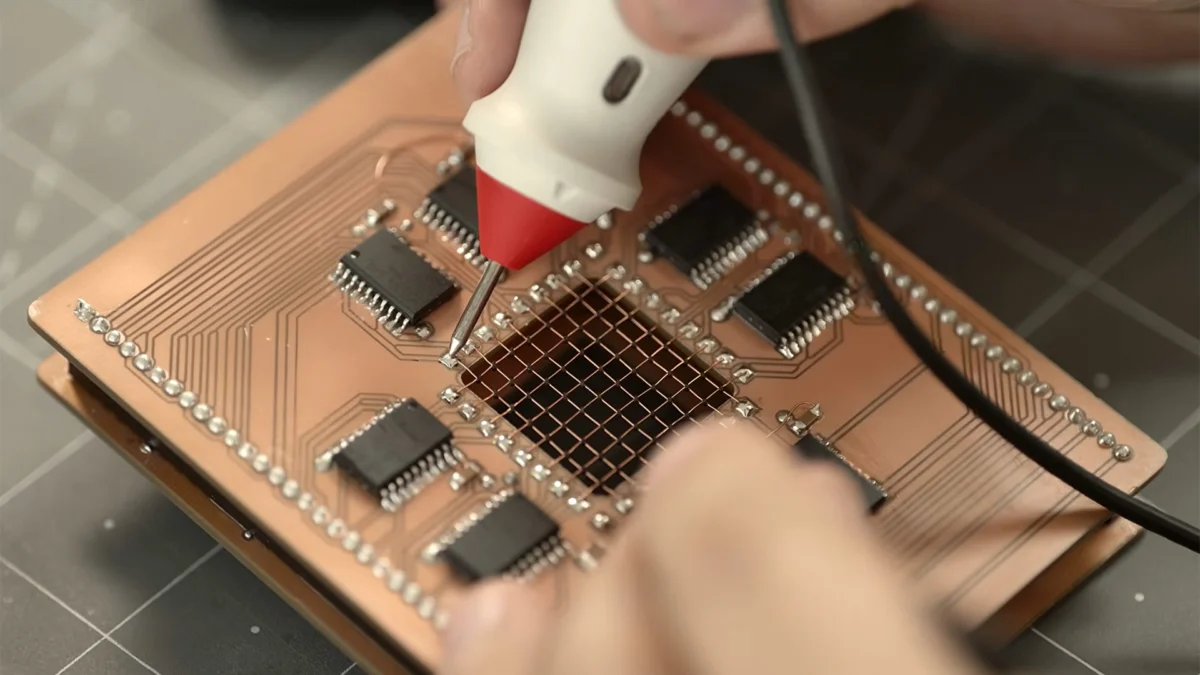
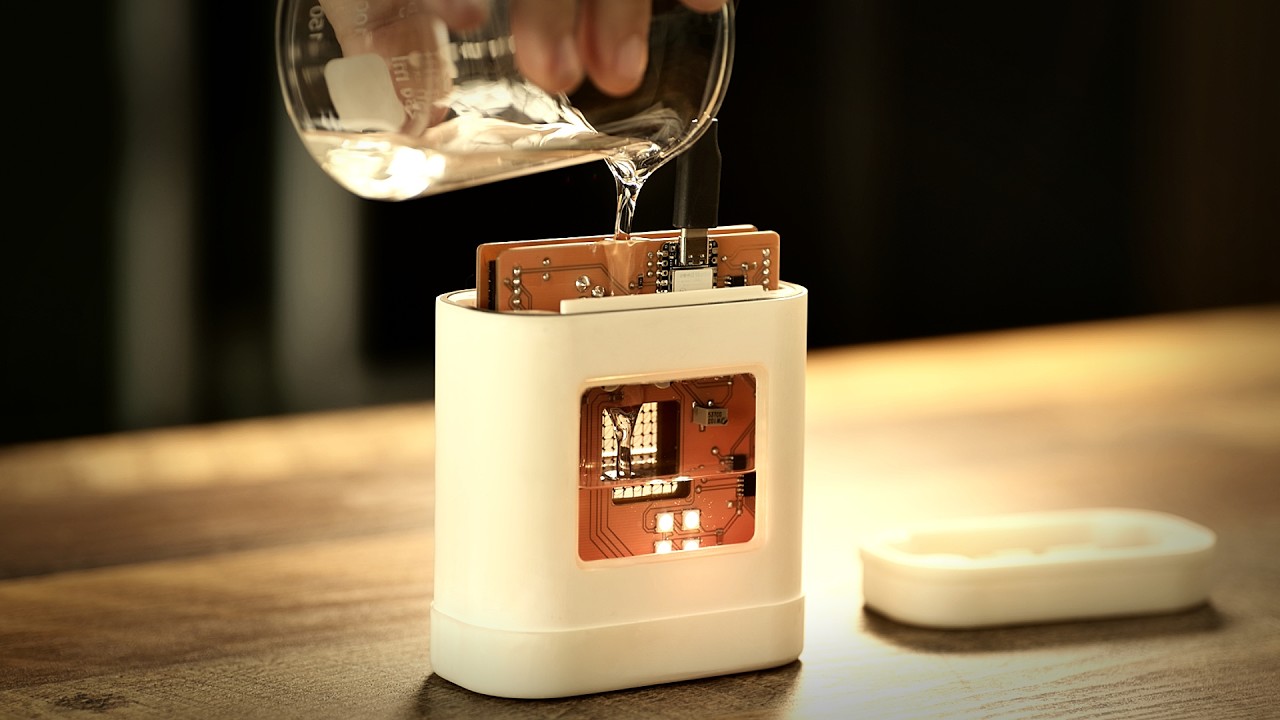
Polymatt’s project brings this forgotten art into the modern era. The device consists of 64 iron rings, painstakingly hand-threaded and submerged in a bath of silicone oil—the latter included less for technical necessity and more for the sake of an industrial, aesthetic finish. Each ring acts as a single bit, providing a total storage capacity of exactly 8 bytes.
Chronology of a Retro-Modern Build
The development of this device was not a matter of simple assembly; it was a masterclass in hybrid manufacturing, blending Cold War-era technology with 21st-century fabrication tools.
The Salvage and Design Phase
The project began with a hunt for materials, culminating in the salvaging of an old Russian computing system, which provided the essential magnetic rings. These tiny components, once part of a larger, now-obsolete machine, became the foundation for the new storage array.
The Fabrication Process
Polymatt employed a diverse array of modern tools to house and integrate the antique parts:
- CNC Precision: Using Computer Numerical Control (CNC) machining, the structural housing for the memory array was created, ensuring the delicate rings were held in perfect alignment.
- 3D Printing: The outer casing and support structures were produced using a Bambu Lab A2L 3D printer, demonstrating the intersection of modern additive manufacturing and vintage hardware.
- Manual Assembly: Despite the aid of high-tech tools, the actual "wiring" of the core memory remained a human-intensive task. The soldering iron became the primary tool for weaving the complex grid of wires through the minute ferrite cores, a process that requires the steady hand and patience of a watchmaker.
Testing and Integration
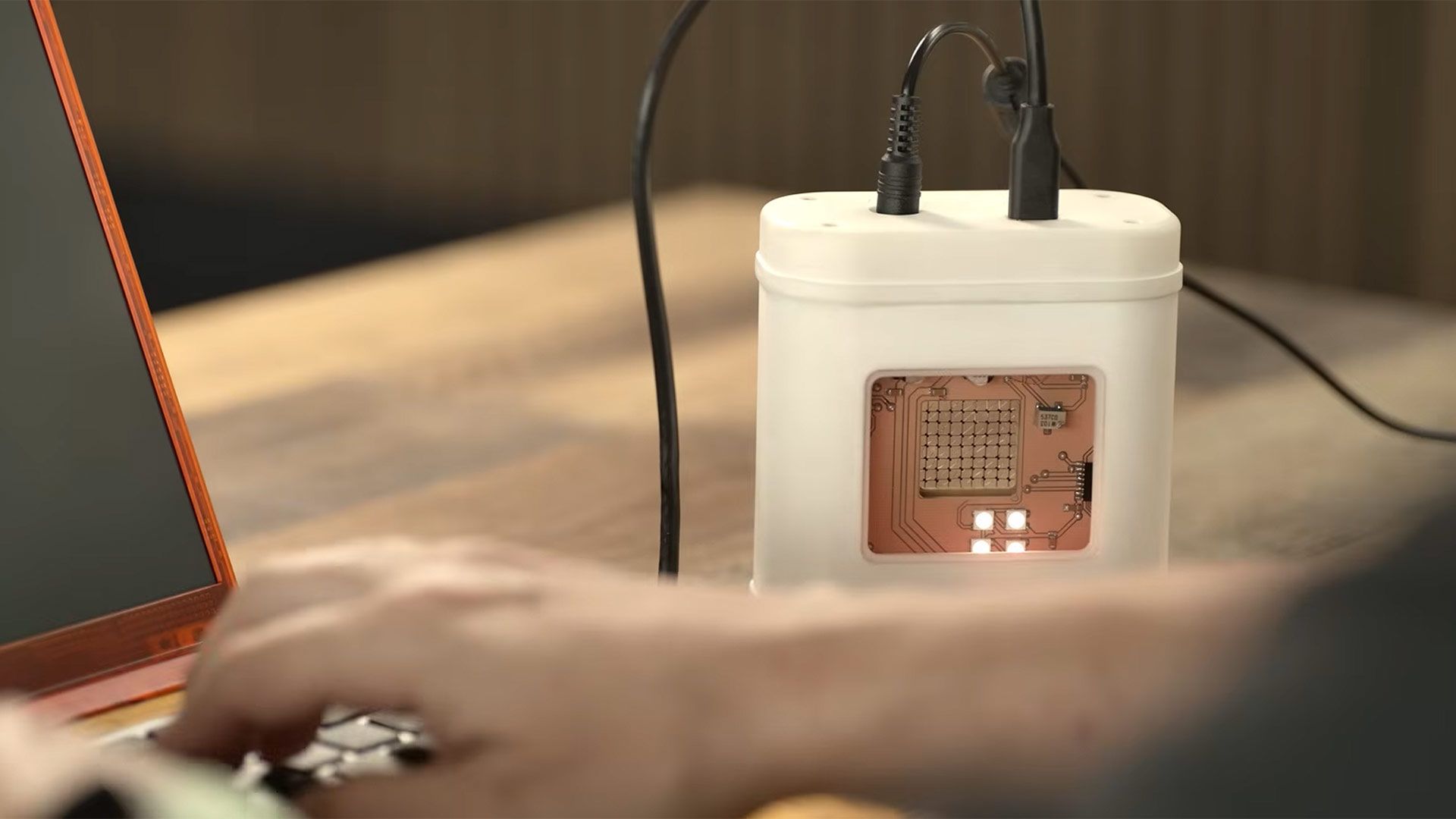
Once assembled, the device was connected via USB. Unlike standard flash drives that act as block devices for file systems, Polymatt’s creation interacts with the computer in a more manual fashion. It allows users to edit a single, persistent text file—aptly named core.txt. During the testing phase, the device successfully demonstrated its non-volatile nature; by cycling the power to the USB port, the data remained intact within the magnetic rings, proving that while it may lack the speed of an NVMe drive, it possesses a structural longevity that silicon can only dream of.
Supporting Data: Capacity vs. Durability
When evaluating Polymatt’s USB drive, the metric of "storage density" is essentially irrelevant. In the current market, a standard $20 flash drive offers 128 gigabytes—roughly 17 billion times the capacity of this 64-bit device. However, when viewed through the lens of physics and resilience, the comparison shifts.
Modern NAND flash memory is highly susceptible to "bit rot" and degradation caused by ionizing radiation or prolonged unpowered states. In contrast, Magnetic Core Memory is famously "hardened." It is immune to the electromagnetic pulses (EMP) or high-radiation environments that would instantly erase the data on a modern SSD or USB stick. While it is unlikely that the average consumer will need their USB drive to survive a solar flare or a nuclear detonation, the project highlights a fundamental truth in engineering: sometimes, simplicity is the ultimate form of reliability.
This project is not an isolated incident. Earlier this year, a Japanese enthusiast successfully built a 128-byte USB drive using similar core memory techniques. However, Polymatt’s iteration stands out for its superior finish and the intentional integration of aesthetics, such as the silicone oil bath and the thoughtful consideration of LED status indicators (which were ultimately shelved to maintain a cleaner, more authentic look).
The Implications of the Maker Movement
The emergence of such "left-field" solutions during the RAMpocalypse points to a deeper shift in the DIY community. As semiconductor manufacturers consolidate power and prices fluctuate based on global supply chain health, makers are increasingly interested in "sovereign computing."
The "Garden Shed" Revolution
Polymatt’s project is part of a broader trend that includes figures like "Dr. Semiconductor," who recently gained viral fame for successfully fabricating RAM chips in a makeshift cleanroom built in a garden shed. While these efforts are currently at the hobbyist level, they represent a democratization of hardware knowledge. When individuals can prove that they can manufacture, assemble, or repurpose memory storage at home, it shifts the power dynamic between the consumer and the multi-national silicon foundries.
Aesthetic and Educational Value
Beyond the practical implications, there is an immense educational value in these builds. By forcing the user to understand how a single bit of data is physically stored—how it is written by a pulse of electricity and read by the magnetic state of a ring—these projects demystify the "magic" of modern computing. They remind us that the devices we use every day, while incredibly complex, are built upon the same fundamental laws of physics that have existed for centuries.
Future Outlook: From Bits to Bytes?
While we are unlikely to see a shift back to magnetic core memory for our daily computing needs, these projects serve as a poignant reminder of the limitations of the current paradigm. The RAMpocalypse has forced the industry to reckon with its dependence on highly centralized, fragile supply chains. As we look toward the future, the "maker" approach provides a necessary counter-balance.
Polymatt has stated that their device is the "world’s worst USB drive," but this is a humble mischaracterization. It is a functional piece of art that challenges our definition of "obsolete." As the community continues to wait for the promised "PC-scale" follow-up from pioneers like Dr. Semiconductor, the work of creators like Polymatt ensures that the spirit of invention—and the willingness to challenge the status quo—remains alive and well in the garage workshops of the world.
Whether it is for the radiation-hardened reliability, the tactile satisfaction of hand-soldering, or simply the joy of proving that one can build their own storage in an era of silicon scarcity, the message is clear: the history of computing is not a closed chapter. It is a toolkit, and for the modern maker, it is wide open for exploration.











