In an era where the computing industry is increasingly scrutinized for its environmental footprint and the persistent noise pollution of active cooling systems, Swiss manufacturer Prime Computer has staked a bold claim. The company recently launched the PrimeStation Pulsar, a high-performance, fanless mini-PC that promises to bridge the gap between heavy-duty workstation capabilities and sustainable, silent operation. By leveraging advanced thermal engineering and a commitment to carbon neutrality, the Pulsar stands as a unique entry in a market traditionally dominated by noisy, power-hungry towers.
Main Facts: Engineering the Silent Workstation
The PrimeStation Pulsar is not merely another "mini-PC" intended for light browsing or media streaming. Prime Computer has positioned this device firmly within the "workstation" category, a bold designation given its compact footprint and lack of moving parts.
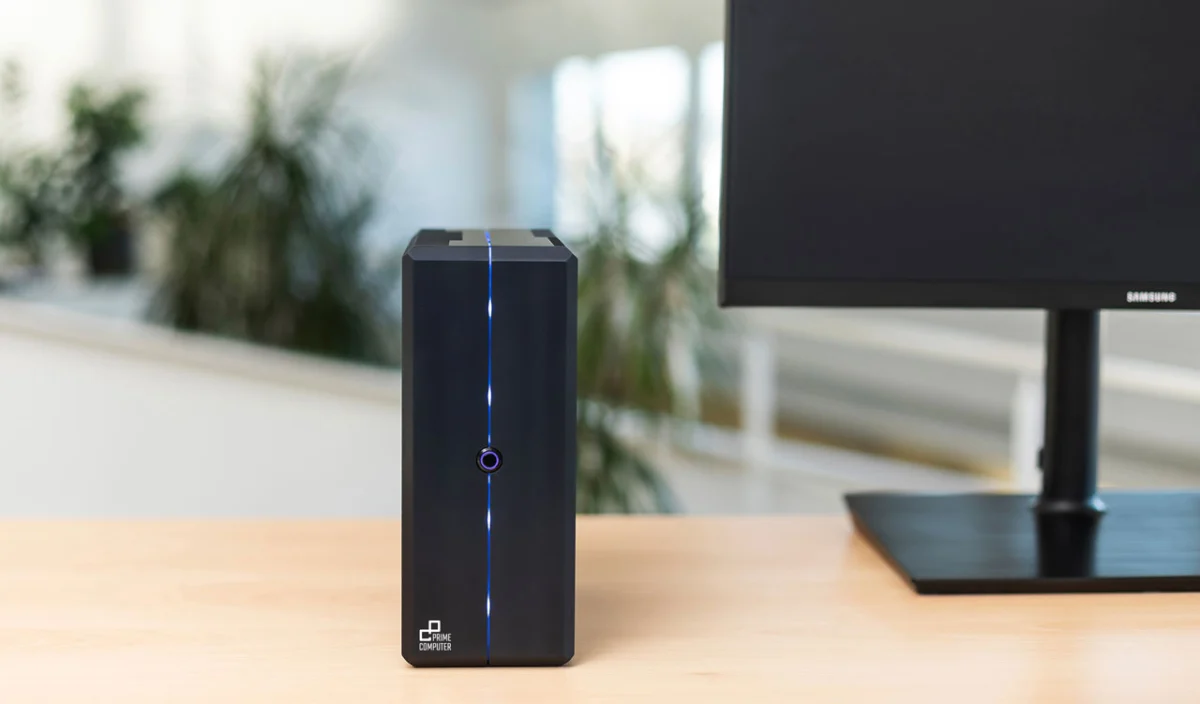
At the heart of the machine lies the AMD Ryzen 7 Pro 5750G, a 65W APU that delivers significant processing power without the need for an active fan. To manage the thermal output of such a potent chip, the Pulsar utilizes a sophisticated passive cooling architecture. The entire chassis is constructed from premium aluminum, acting as a massive, monolithic heatsink. This design dissipates heat efficiently through its finned exterior, ensuring that the system remains stable under load while maintaining absolute silence.
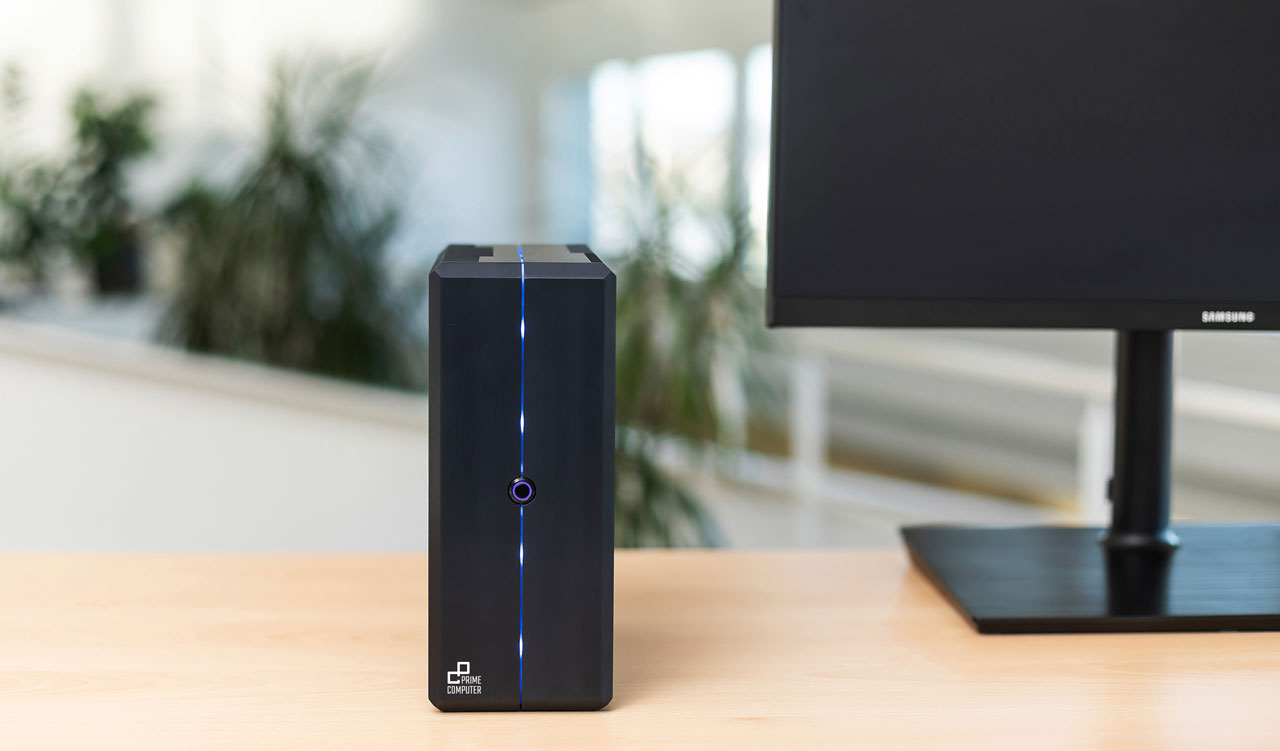
Measuring just 9.1cm in width, 22.5cm in height, and 20.3cm in length, the unit is remarkably dense. When fully populated with components, the Pulsar weighs approximately 4.3kg—a testament to the high-grade metalwork required to maintain thermal equilibrium without airflow.
Chronology: The Evolution of Fanless Computing
The journey toward the Pulsar reflects a broader shift in hardware design. For years, "fanless" was synonymous with "underpowered." Early attempts at passive cooling were largely restricted to low-power Intel Atom or Celeron chips, which struggled with modern multitasking.
- The Early Years: Passive cooling was historically reserved for industrial PCs and embedded systems where dust ingress was a critical failure point.
- The Thermal Breakthrough: As thermal design power (TDP) efficiency improved, boutique builders began experimenting with "heat pipe" technology, transferring heat from the CPU die to the external casing of the chassis.
- The Sustainability Pivot: With the growing global emphasis on ESG (Environmental, Social, and Governance) goals, Prime Computer began integrating 100% climate-neutral certification into its lifecycle management.
- The Launch: Following months of testing and refinement, the PrimeStation Pulsar was unveiled in late 2021, marking a milestone in merging high-TDP processors with completely fanless designs.
Supporting Data: Under the Hood
To understand why the PrimeStation Pulsar is considered a "workstation," one must look at the technical specifications of the AMD Ryzen 7 Pro 5750G APU.
The Processor Specifications
- Architecture: Zen 3 (TSMC 7nm FinFET)
- Cores/Threads: 8 Cores / 16 Threads
- Clock Speeds: 3.8GHz Base / 4.6GHz Boost
- L3 Cache: 16MB
- Graphics: Integrated Radeon Vega (8 cores) running at 2.0GHz
This APU provides the compute power of a mid-range desktop, making the Pulsar capable of handling professional workloads such as data analysis, complex spreadsheet management, and high-resolution photo editing.
System Configuration
The versatility of the system is evident in its memory and storage options. Prime Computer offers configurations ranging from 8GB to 64GB of DDR4 3200 memory across two DIMM slots. Storage is equally robust, featuring:
- 1 x NVMe M.2 slot for high-speed primary storage.
- 1 x 2.5-inch SATA III bay for secondary storage expansion.
Connectivity is similarly comprehensive. The rear and side I/O panels feature 2.5Gbps Ethernet, Intel Wireless AX200 (with Bluetooth 5.2), HDMI 2.1, and DisplayPort 1.4. The USB array is generous for a mini-PC, including multiple USB 3.2 Type-A and Type-C ports, ensuring the machine can serve as a central hub for professional peripherals.
Official Responses and Market Positioning
Prime Computer’s marketing strategy for the Pulsar focuses heavily on the "Total Cost of Ownership" (TCO) and the environmental impact. By eliminating fans, the company reduces the number of mechanical failure points, which they argue results in a longer product lifespan and lower maintenance costs.
In official statements, Prime Computer has emphasized that the Pulsar is "100% climate-neutral." This is achieved through a combination of energy-efficient design, sustainable manufacturing processes, and carbon-offsetting initiatives that cover the entire product lifecycle—from raw material extraction to end-of-life recycling. For corporate clients seeking to lower their Scope 3 emissions, this level of certification is a significant selling point that justifies the premium price.
The price point, reported at approximately $2,179, places the Pulsar in a competitive bracket. Critics have pointed out that for this price, users could build a high-performance system with dedicated cooling or purchase a more powerful laptop. However, Prime Computer maintains that the Pulsar is not intended for the average consumer, but for professionals in noise-sensitive environments—such as recording studios, medical facilities, or quiet office spaces—where the cost of a fan failure or the constant hum of a workstation is unacceptable.
Implications: The Future of Desktop Hardware
The launch of the Pulsar carries several implications for the future of the desktop market.
The Return of the "Workstation" Aesthetic
The Pulsar represents a return to a more industrial, functional aesthetic. With its minimal black finned finish, it eschews the RGB lighting trends prevalent in the gaming market, favoring a professional, understated look. This suggests a growing demand for hardware that disappears into the office environment rather than drawing attention to itself.
Environmental Responsibility as a Feature
Prime Computer is setting a standard that other OEMs may eventually have to follow. As environmental regulations tighten, the "100% climate-neutral" label may move from a niche marketing advantage to a baseline expectation. The Pulsar demonstrates that it is possible to produce a high-performance machine without relying on a throwaway culture.
The Competition: Niche vs. Mainstream
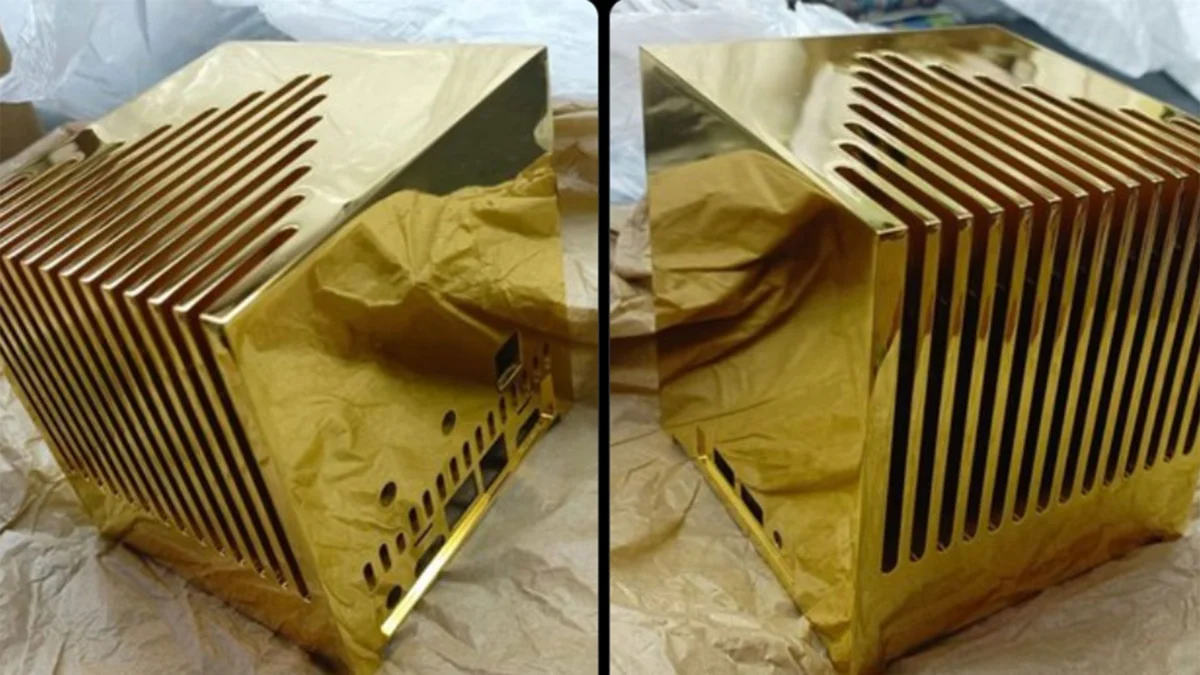
The existence of competitors like MonsterLabo’s "The Beast"—a massive, fanless tower—highlights the divide in the enthusiast market. While MonsterLabo caters to users who want to passively cool top-tier graphics cards and CPUs through sheer surface area, Prime Computer is targeting the "professional mini-PC" segment. The Pulsar occupies a "goldilocks" zone: it is significantly more powerful than a standard office PC, yet far more compact and refined than a DIY enthusiast project.
Conclusion: Is the Pulsar Right for You?
The PrimeStation Pulsar is a specialized tool for a specific demographic. For the average user, the $2,179 price tag is undoubtedly steep, especially when compared to the value-to-performance ratio of standard desktop towers. However, when viewed through the lens of longevity, silence, and environmental stewardship, the value proposition changes.
If you are a professional who spends eight hours a day in a silent room, the benefit of a machine that emits zero decibels is difficult to quantify in purely financial terms. Combined with the robustness of the Ryzen 7 Pro architecture and the peace of mind provided by a climate-neutral certification, the Pulsar is an impressive piece of hardware. It serves as a reminder that in the world of computing, sometimes the most significant advancements are not found in faster clock speeds or more aggressive cooling, but in the quiet, sustainable refinement of the systems we use every day.
As we look forward, the success of the Pulsar may well dictate whether manufacturers continue to invest in high-performance passive cooling, or if such systems will remain an expensive luxury for the eco-conscious professional. For now, Prime Computer has successfully delivered a machine that is as elegant in its engineering as it is in its commitment to the planet.