

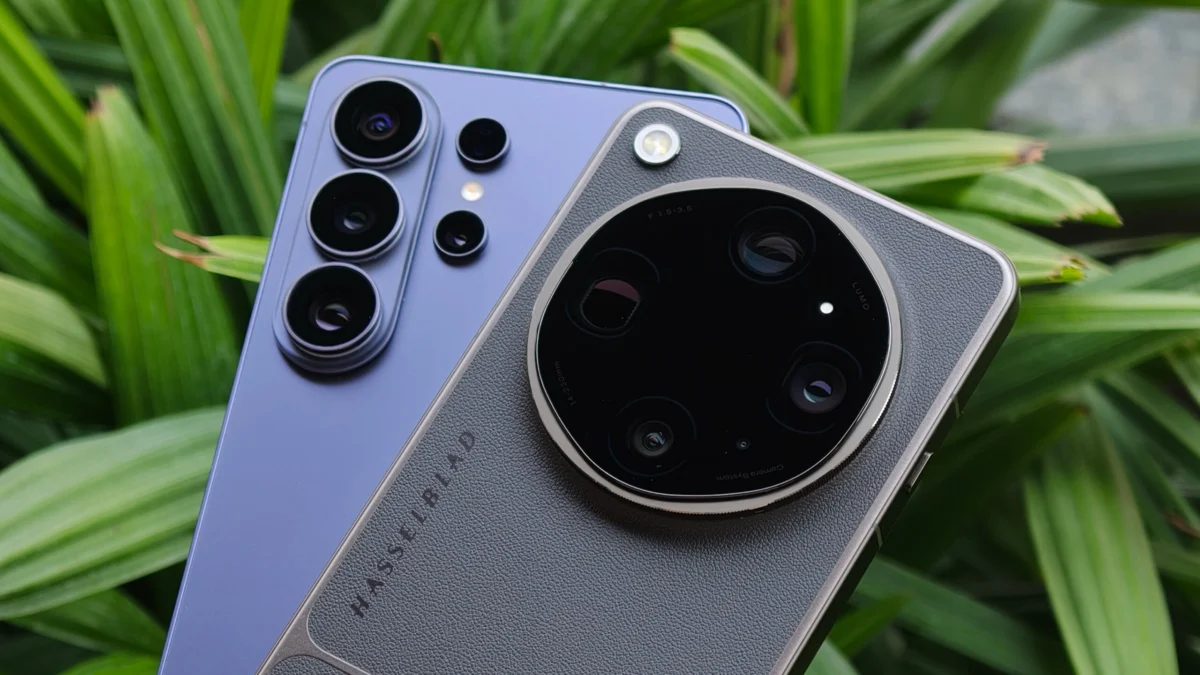
In an era where smartphone manufacturers are locked in a relentless "arms race" of benchmarks, megapixel counts, and NPU-driven AI gimmicks, the consumer experience often gets lost in the noise. Tech marketing departments want you to believe that if you aren’t wielding the latest Ultra-tier flagship with its gargantuan camera array and record-breaking processor, you are somehow settling for less.
However, for the discerning buyer, the reality is far more nuanced. True utility isn’t defined by a spec sheet; it is defined by how a device integrates into your daily workflow. As we navigate the 2026 mobile landscape, the gap between mid-range capability and top-tier performance has never been narrower, making it the perfect time to audit what truly matters in a handheld device.
The Four Pillars of Smartphone Selection
When evaluating a new device, it is essential to filter out the marketing "mojo" and focus on the tactile and functional elements that define your user experience. Based on current industry trends, there are four fundamental pillars that separate a device you simply tolerate from one you genuinely enjoy using.
1. Design as a Functional Language
The aesthetic appeal of a smartphone is often dismissed as vanity, but design is arguably the most critical aspect of the user interface. A phone is, after all, an extension of the hand.
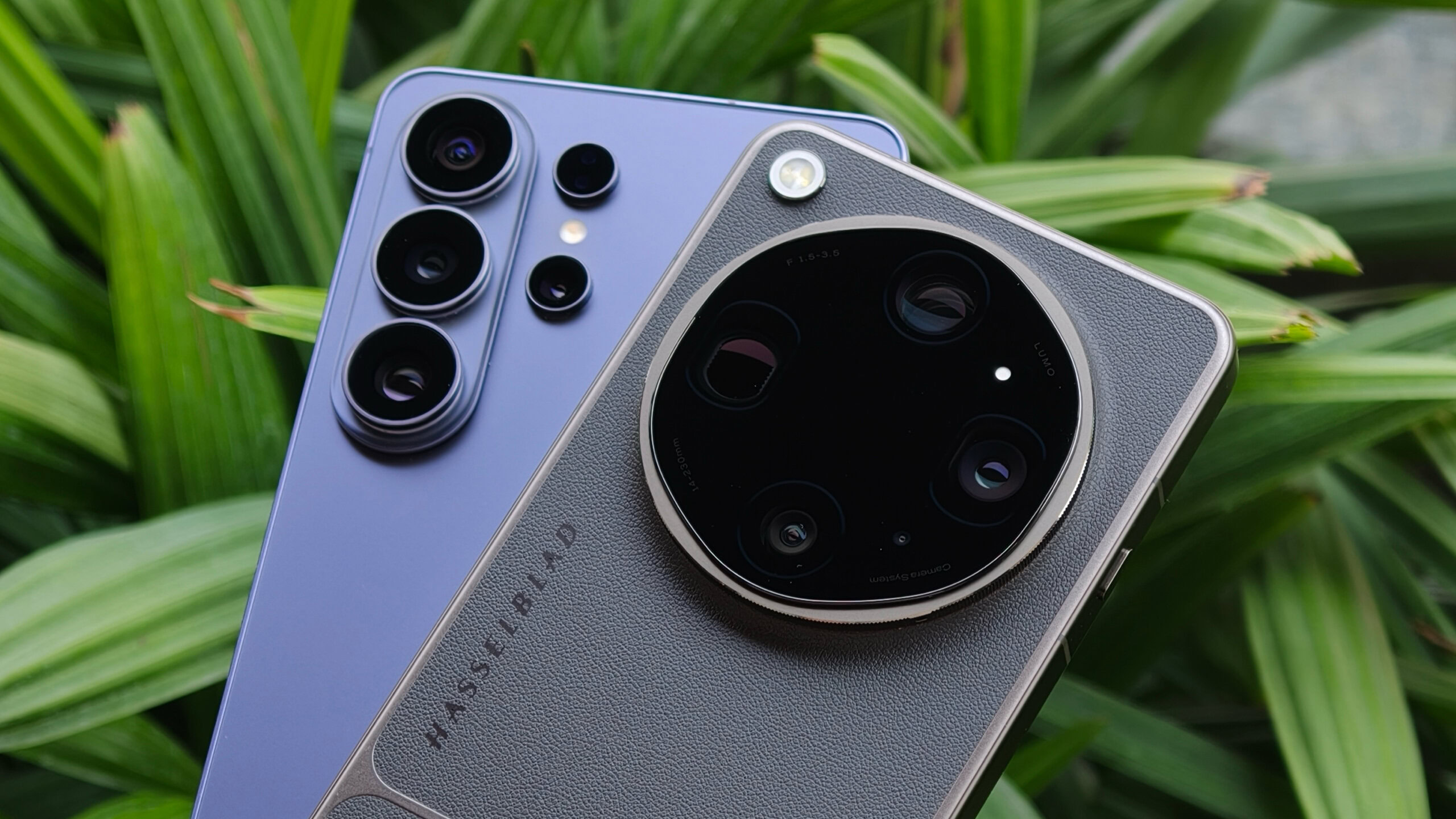
While the industry has largely converged on the "glass sandwich" aesthetic, true design excellence lies in how a device feels—its weight distribution, its grip, and the distinctiveness of its silhouette. For many, the Google Pixel 10 series represents the current gold standard. By retaining the iconic camera bar, Google has created a visual identity that is instantly recognizable. Beyond mere branding, the use of premium materials—fused glass and aerospace-grade metals—creates a tactile sensation that cheaper alternatives simply cannot replicate.
For those who prefer a "caseless" lifestyle, build quality becomes a primary functional concern. When a device is designed with intent, every curve and chamfer serves a purpose. Using a premium phone without a case is not merely a fashion choice; it is a way to appreciate the engineering that went into the device’s ergonomics.
2. The Case for Compactness
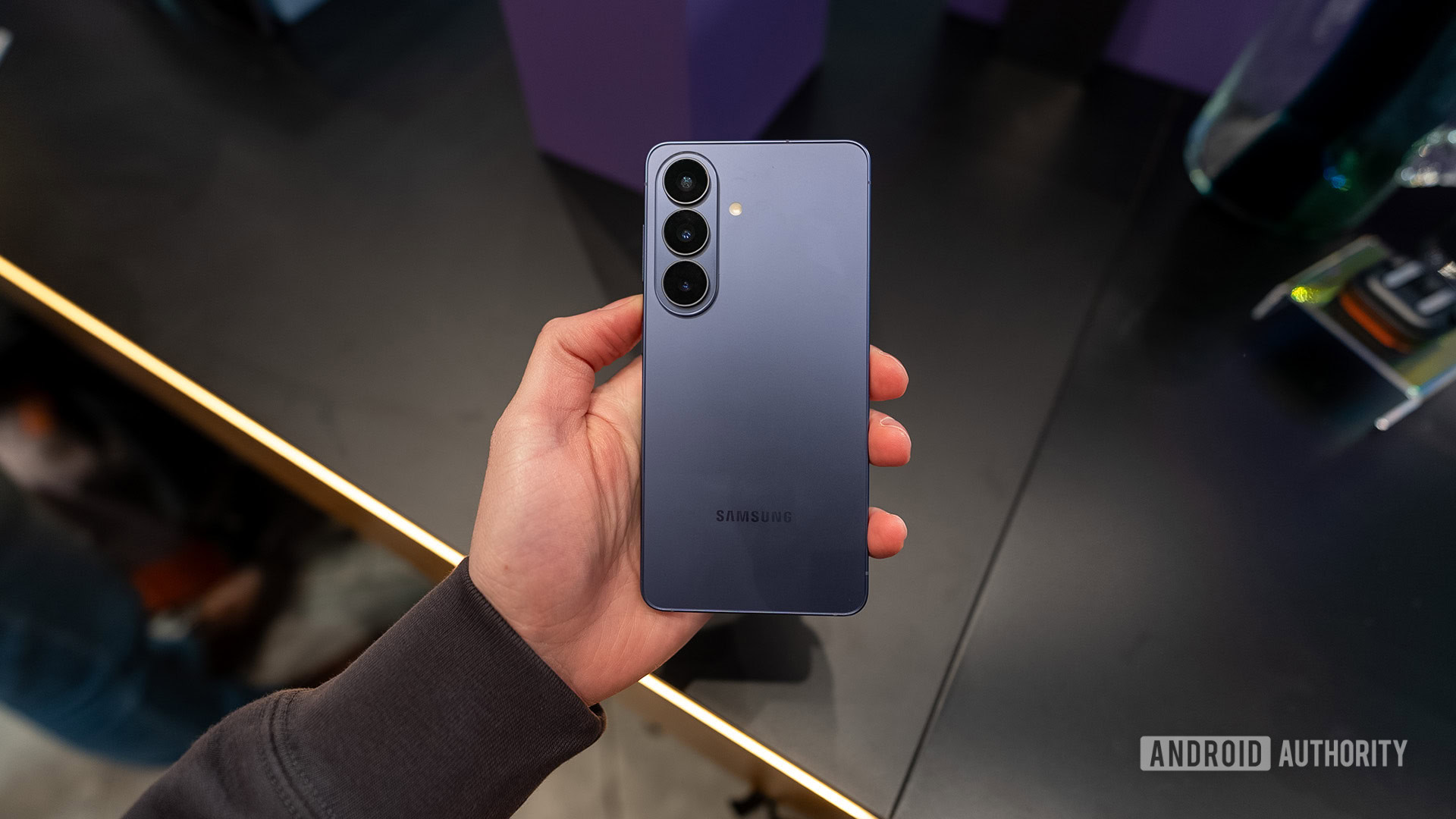
In the current market, "bigger is better" seems to be the mantra of the major OEMs. However, there is a burgeoning movement toward compact flagships. The definition of "compact" has shifted; we now consider a 6.3-inch display to be the sweet spot for the modern user.
Large, 6.9-inch "Ultra" devices often prove cumbersome for one-handed operation and are frequently uncomfortable to carry in standard pockets. By opting for a 6.3-inch footprint—found in devices like the standard Pixel 10 or the Galaxy S26—users sacrifice little in terms of utility while gaining immense quality-of-life benefits. The ability to comfortably reach the top corners of the screen while walking or commuting is an underrated feature that significantly reduces the friction of daily use.
3. Powering the Future: Battery Longevity
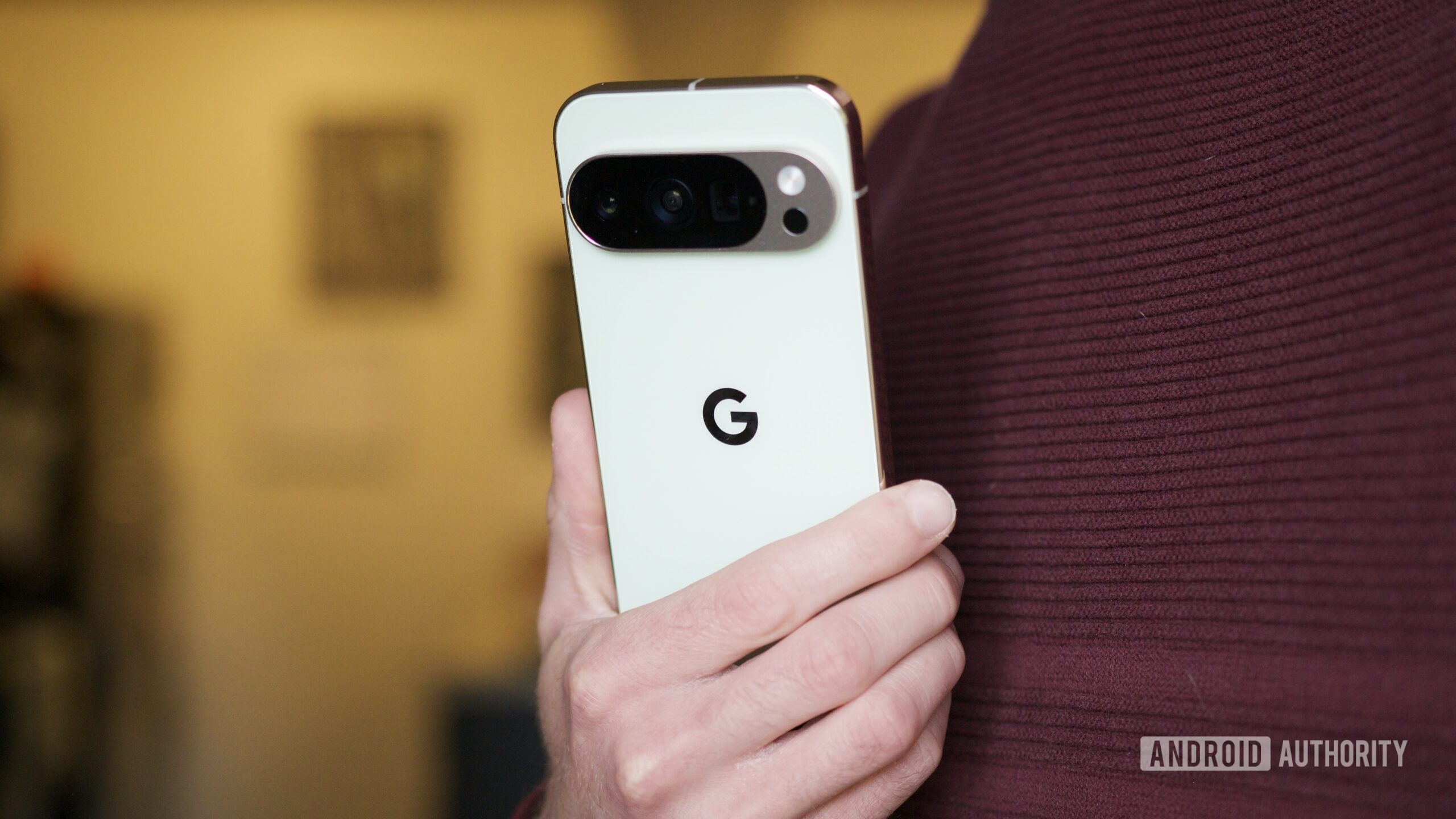
The most powerful processor in the world is useless if the device dies by 4:00 PM. We are currently seeing a paradigm shift in battery technology, moving away from traditional lithium-ion toward silicon-carbon chemistries.
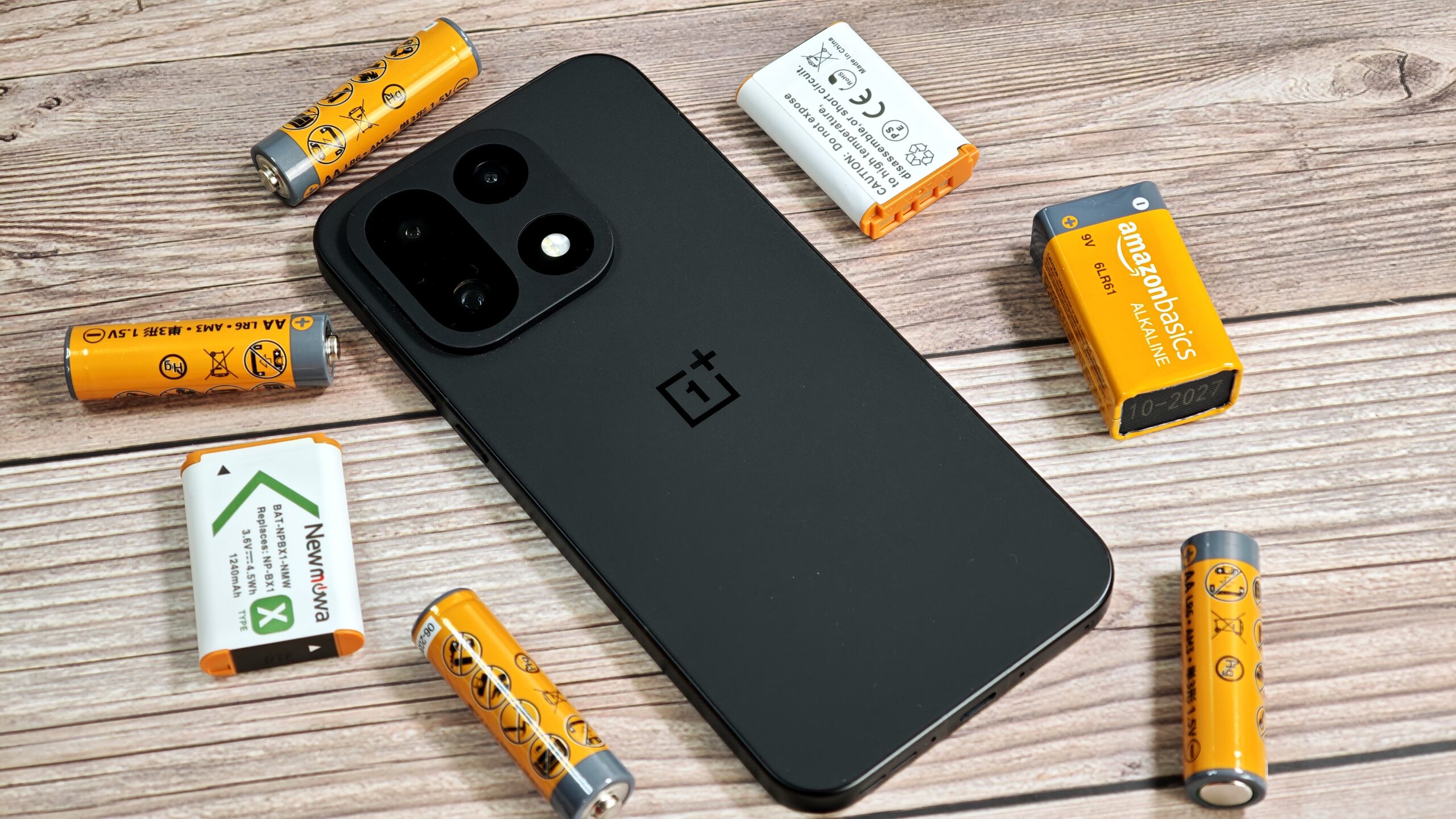
This technological evolution is allowing manufacturers to pack significantly higher capacities into the same volume. While a standard flagship might offer 5,000mAh, the cutting-edge devices from companies like OnePlus and OPPO are now pushing into the 7,300mAh to 7,500mAh range. For the average user, this translates to true two-day battery life, effectively eliminating the "range anxiety" that has plagued smartphone owners for over a decade.
4. The Simplicity of the Camera Experience
Finally, we must address the camera. The modern obsession with having four or five lenses is, for many, unnecessary. Most users require a high-quality primary sensor and a reliable ultrawide lens. The true metric of a great camera is "frictionless performance."
A great camera system should handle computational photography so well that the user never needs to touch an editing app. Night photography is the ultimate test; a device that can capture a crisp, well-exposed shot on a dark city street without blurring or excessive noise is worth more than a dozen gimmicky portrait modes.
Chronology of Market Trends: 2025–2026
The smartphone industry has undergone a rapid transformation in the last 18 months.
- Late 2025: The focus shifted heavily toward "privacy-focused displays" and integrated AI assistants, leading to a temporary plateau in hardware innovation.
- Early 2026: The release of the Samsung Galaxy S26 series highlighted a renewed focus on refined ergonomics and display efficiency.
- Mid-2026: The emergence of high-density silicon-carbon batteries from Chinese manufacturers (OnePlus, OPPO) forced a global conversation regarding the necessity of faster charging and longer battery life, even in standard-sized handsets.
Supporting Data: The Efficiency Gap
When comparing the flagship "Ultra" models to their smaller siblings, the data often favors the smaller devices for the average consumer. For example, while the Galaxy S26 Ultra boasts a massive screen, the power draw required to maintain its high refresh rate often negates the battery capacity advantage it holds over a well-optimized 6.3-inch device.
| Feature | Compact Flagship (6.3") | Ultra Flagship (6.9") |
|---|---|---|
| Battery Capacity | 5,100 mAh | 5,000 mAh |
| One-Handed Use | High | Low |
| Pocketability | Excellent | Poor |
| Imaging Focus | Versatility/Speed | Zoom/Professional |
Official Perspectives and Industry Implications
Industry analysts suggest that the "Ultra" tier of smartphones is increasingly becoming a niche product, designed primarily for power users and mobile photographers. Companies like Samsung and Google have acknowledged this by diversifying their portfolios, ensuring that the "base" models—once considered "lite" versions—now feature premium build quality and high-end processors.
The move toward silicon-carbon batteries, as seen in the OPPO Find X9 Pro, is expected to become the industry standard by 2027. This shift will likely lead to thinner phones that maintain, or even increase, their battery capacity, potentially solving the long-standing conflict between device slimness and battery endurance.
Implications for the Consumer
What does this mean for your next purchase? It means you should be empowered to prioritize your actual needs over the "Ultra" marketing machine.
- Don’t pay for what you don’t use: If you aren’t a mobile gamer, the latest, most expensive System-on-a-Chip (SoC) will likely provide no tangible benefit.
- Evaluate your daily environment: If you primarily work from a desk, your reliance on a massive, high-power device is likely overstated.
- Prioritize "Tactile Happiness": Choose the phone that feels right in your hand. If you hate the way a phone looks, you will eventually resent using it, regardless of its specs.
As we look toward the future, the best phone is no longer the one with the highest number on its spec sheet. It is the one that disappears into your life, handling tasks with such seamless efficiency that you forget you are holding a computer at all. Whether you choose the pixel-perfect imagery of a Google device or the raw battery power of the new silicon-carbon enabled handsets, remember: the choice is yours, not the marketing department’s.












No comments yet. Be the first to join the conversation!