In an era where the cult of celebrity often prioritizes superficial appeal and viral moments, there exists a quiet, intellectual counter-narrative. Behind the flashing cameras of the red carpet and the carefully curated social media feeds lie individuals whose cognitive achievements rival, and sometimes surpass, their contributions to the arts.

This article explores the lives of 15 high-profile figures who, whether through rigorous doctoral research, Ivy League degrees, or technical expertise, have shattered the stereotype of the "airheaded" star. These individuals demonstrate that the discipline required to master a craft—be it acting, music, or professional sports—is often rooted in a deeper, academic foundation.

The Intersection of Academia and Artistry: The Core Facts
The phenomenon of the "intellectual celebrity" is not merely a collection of vanity degrees. For many, these academic pursuits represent a parallel identity. Whether it is Mayim Bialik’s profound contributions to neuroscience or Brian May’s rigorous work in astrophysics, these stars have utilized their platforms to bridge the gap between complex technical fields and public understanding.

The data suggests a trend: celebrities who pursue higher education often cite a need for intellectual stimulation that the entertainment industry cannot always provide. By balancing the volatility of Hollywood or the grueling schedule of a global tour with the rigid demands of university coursework, these figures have redefined what it means to be a modern icon.
A Chronological Perspective on Intellectual Ambition
The path to academic excellence rarely follows a linear trajectory for those in the public eye. Here is how some of these figures navigated their dual lives:
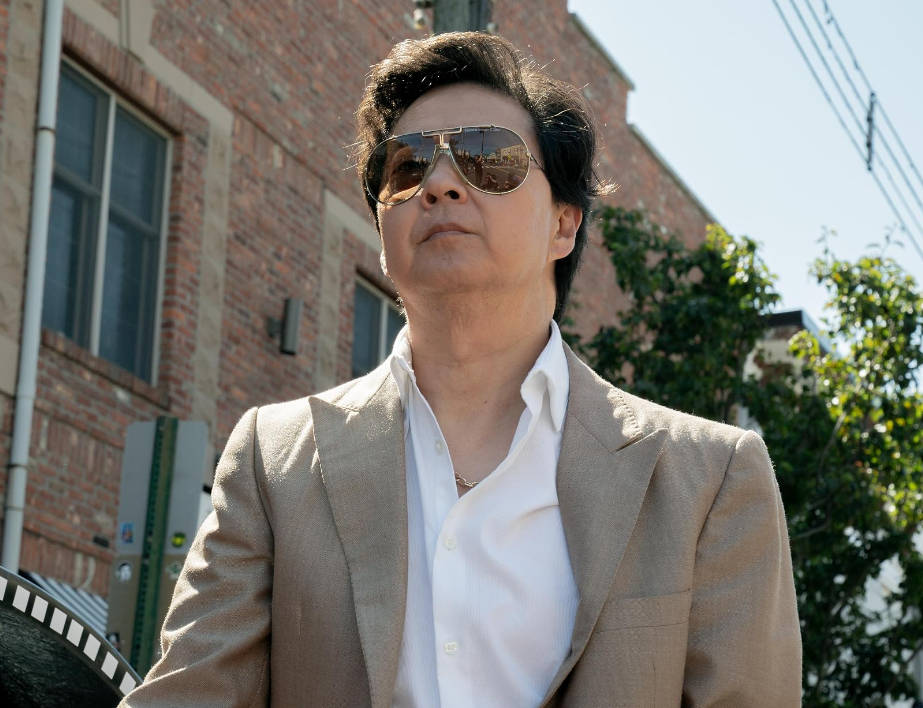
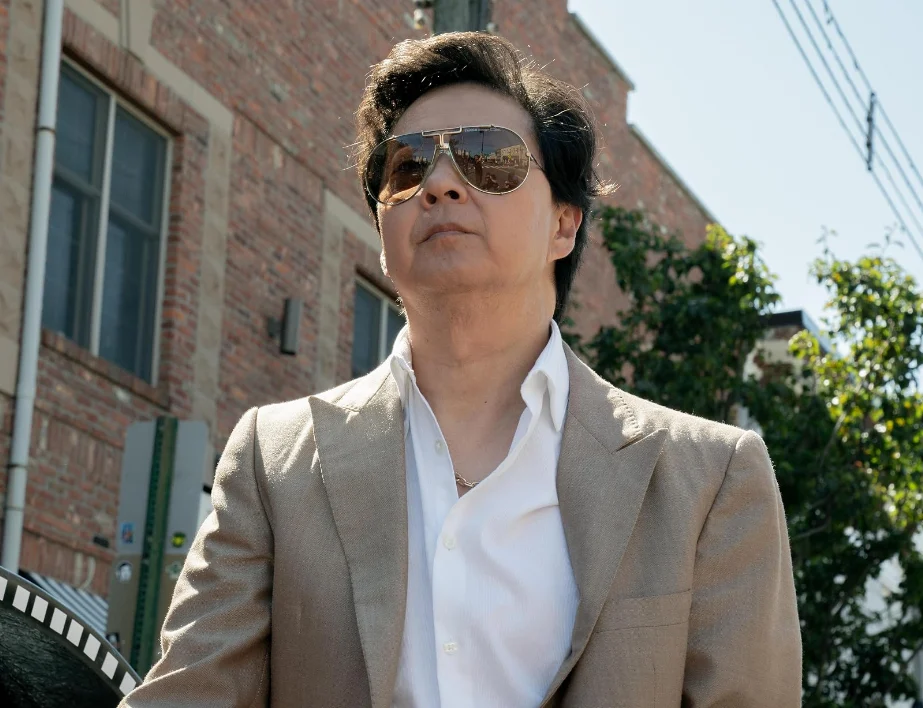
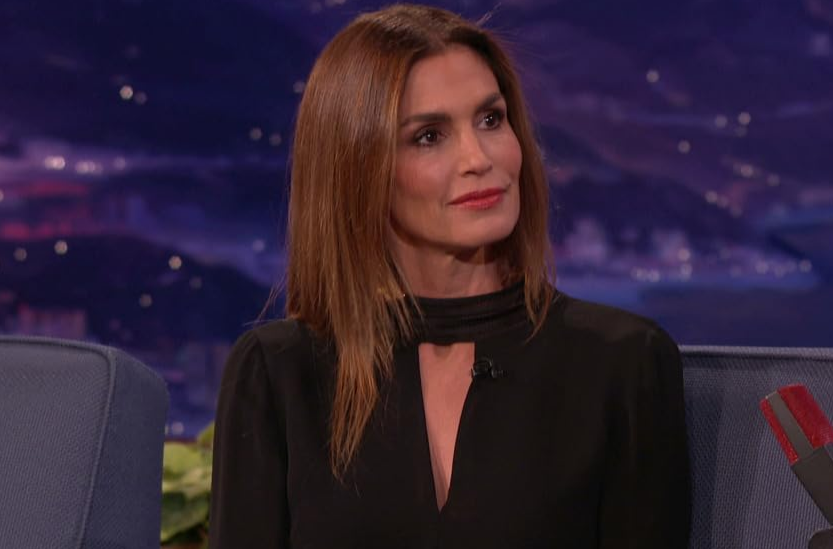
- Pre-Fame Foundation: Figures like Ken Jeong and Cindy Crawford represent the "academic-first" model. Jeong, a licensed physician, was practicing medicine long before his comedic timing made him a household name. Similarly, Crawford’s valedictorian status and subsequent scholarship to Northwestern underscore a lifelong commitment to academic rigor.
- The Concurrent Balancing Act: Natalie Portman and Emma Watson are perhaps the most prominent examples of the "academic-during-fame" model. Both actresses famously continued their studies at elite institutions (Harvard and Brown, respectively) while managing the pressures of global film franchises.
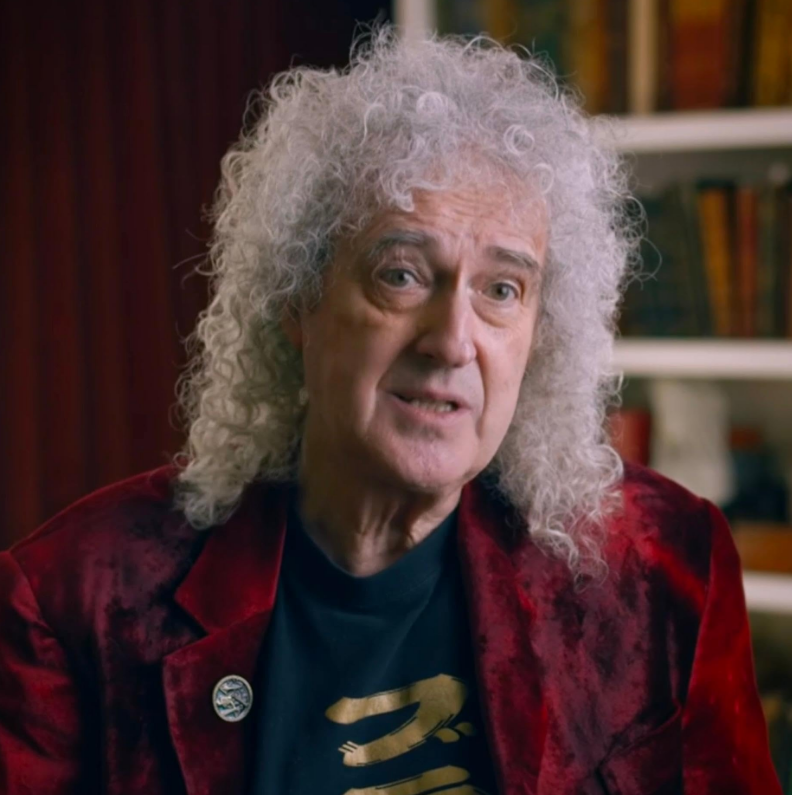
- Post-Career Pursuits: Shaquille O’Neal and Brian May exemplify the "lifelong learner" archetype. O’Neal, having conquered the NBA, turned his attention to a Doctorate in Education, while May returned to his astrophysical roots decades after his initial studies to complete his Ph.D. at Imperial College London.
Supporting Data: By the Numbers
To quantify the academic weight of these individuals, one must look at the prestige of the institutions and the nature of their degrees:

- The Ivy League Presence: Six of the 15 celebrities listed (Portman, Atkinson, Duchovny, Foster, Legend, and Watson) hold degrees from Ivy League institutions. These universities maintain some of the most rigorous admission standards in the world, proving that these stars were evaluated on equal footing with the brightest minds in academia.
- Scientific and Technical Mastery: Contrary to the assumption that stars lean toward "easier" humanities, a significant portion holds degrees in STEM.
- Neuroscience/Medicine: Bialik (Ph.D.), Jeong (M.D.), Kudrow (B.S. Biology).
- Engineering/Physics: May (Ph.D. Astrophysics), Lundgren (Chemical Engineering), Atkinson (M.Sc. Electrical Engineering).
- Language and Literature: The proficiency in humanities, such as Jodie Foster’s fluency in French and literary analysis, demonstrates an ability to translate high-level conceptual thinking into creative storytelling.
The Academic Journeys: Detailed Profiles
The Scientists and Scholars
Mayim Bialik stands at the pinnacle of this intersection. Her research into obsessive-compulsive disorder is not a hobby; it is a contribution to clinical science. Similarly, Brian May’s work in dust clouds in the solar system solidified his credibility within the scientific community, earning him a position as a Chancellor at Liverpool John Moores University.

The Ivy League Alumni
David Duchovny and Jodie Foster utilized their time at Yale and Princeton to cultivate the depth seen in their performances. Duchovny’s master’s thesis work in literature provided a framework for his later roles, while Foster’s magna cum laude graduation highlights an extraordinary capacity for focus. John Legend, graduating magna cum laude from the University of Pennsylvania, brought a level of literary consciousness to his music that helped redefine modern R&B.
The Engineers
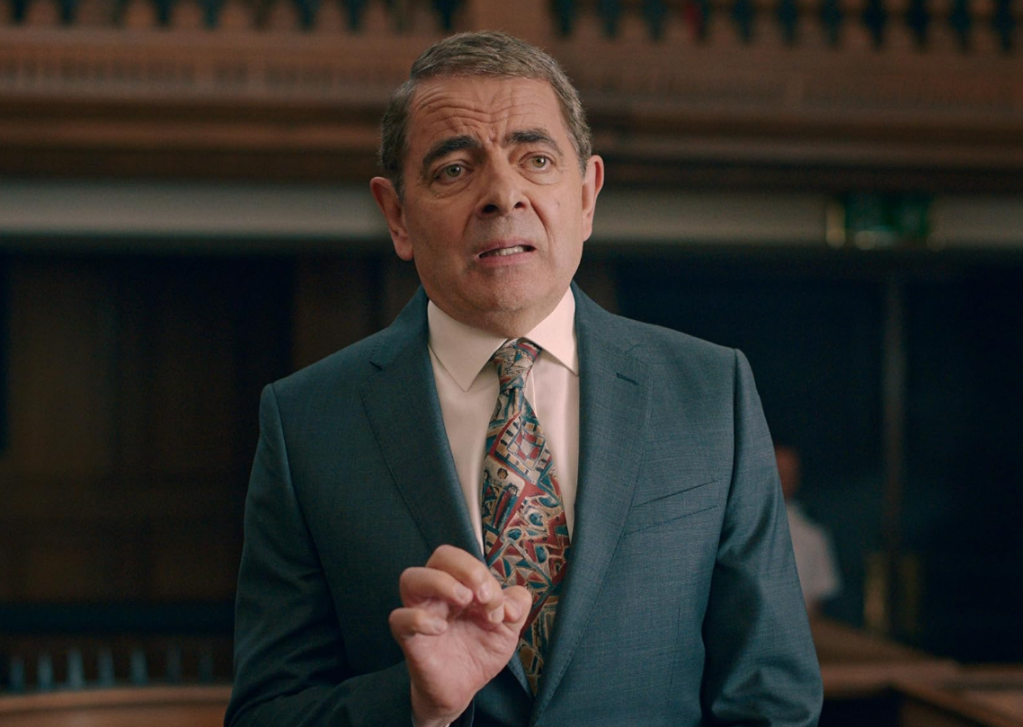
Dolph Lundgren’s path to the Massachusetts Institute of Technology (MIT) via a Fulbright Scholarship is perhaps one of the most under-reported stories in Hollywood. His background in chemical engineering serves as a testament to his analytical prowess. Rowan Atkinson’s mastery of electrical engineering at Oxford provides a fascinating contrast to the chaotic, wordless comedy of Mr. Bean, proving that his physical comedy is, in fact, a product of a highly organized, technical mind.

Official Responses and Public Perceptions
The public reaction to these dual careers has been overwhelmingly positive, though it often comes with a side of surprise. In interviews, celebrities like Geena Davis have been vocal about the importance of their academic backgrounds in their advocacy work. Davis, for instance, used the data-driven research skills honed during her time in academia to launch the Geena Davis Institute on Gender in Media.
By grounding her advocacy in empirical research, she has moved the conversation regarding gender representation from subjective opinion to objective, data-backed demand. This professional shift demonstrates that the utility of an advanced degree extends far beyond the degree itself—it provides a methodology for problem-solving.

Implications: Changing the Celebrity Paradigm
What does it mean for the future of entertainment when our stars are also our scholars? The implications are twofold:

- Elevated Discourse: When celebrities engage in public advocacy, their academic credentials lend them a level of authority that is difficult to dismiss. They are no longer just "faces" of a cause; they are informed participants in the debate.
- Mentorship and Motivation: These stories serve as a powerful signal to younger generations that intellectual curiosity does not have to be sacrificed for creative success. The idea that one can be both a star and a scholar is a potent message for students who feel they must choose between their creative impulses and their academic goals.
The "Smart" Brand
The professional branding of these individuals has shifted. Being "smart" is no longer a liability in Hollywood; it is an asset. Agents and publicists now recognize that a background in medicine or engineering adds a layer of depth to a client’s profile, making them more marketable as thoughtful, multi-dimensional individuals.

Conclusion: The Synthesis of Talent and Intellect
The 15 celebrities highlighted here represent a unique segment of the population that has refused to be boxed in. By balancing the rigorous demands of higher education with the high-pressure environment of the entertainment industry, they have demonstrated that human potential is vast and, when nurtured correctly, capable of spanning disparate worlds.

Their academic achievements serve as a reminder that intelligence is not a static trait but a muscle that must be exercised. Whether it is through the lens of a telescope, the pages of a scientific journal, or the script of a blockbuster film, these individuals continue to prove that the brightest stars are often the ones who never stopped learning. As we look to the future, it is clear that the integration of intellectual depth and creative talent will continue to be the hallmark of the truly influential icons of our time.