Jia Lissa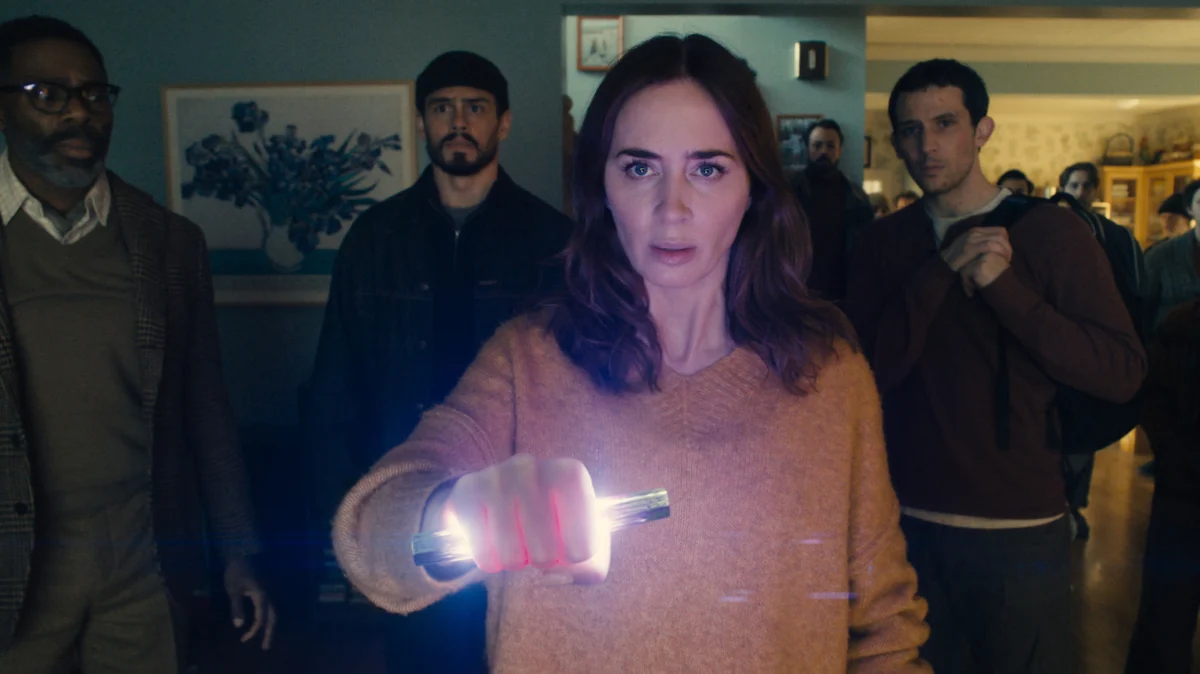
When Steven Spielberg returns to the realm of science fiction, the cinematic world takes notice. His latest directorial effort, Disclosure Day, has arrived in theaters to significant acclaim, being hailed by critics as an "immensely exciting sci-fi chase thriller." However, for those expecting a spiritual successor to the wonderment of E.T. The Extra-Terrestrial or the cosmic mystery of Close Encounters of the Third Kind, the experience of Disclosure Day offers a jarring, albeit necessary, pivot.
While the film ostensibly deals with the discovery of extraterrestrial life, it is, at its core, a high-stakes drama about the ethics of information, the burden of truth, and the institutional gatekeeping of reality. Because of this, the most essential companion piece to Disclosure Day is not a classic Spielberg alien epic, but his 2017 historical drama, The Post.
The Main Facts: A Shift in Spielberg’s Sci-Fi Paradigm
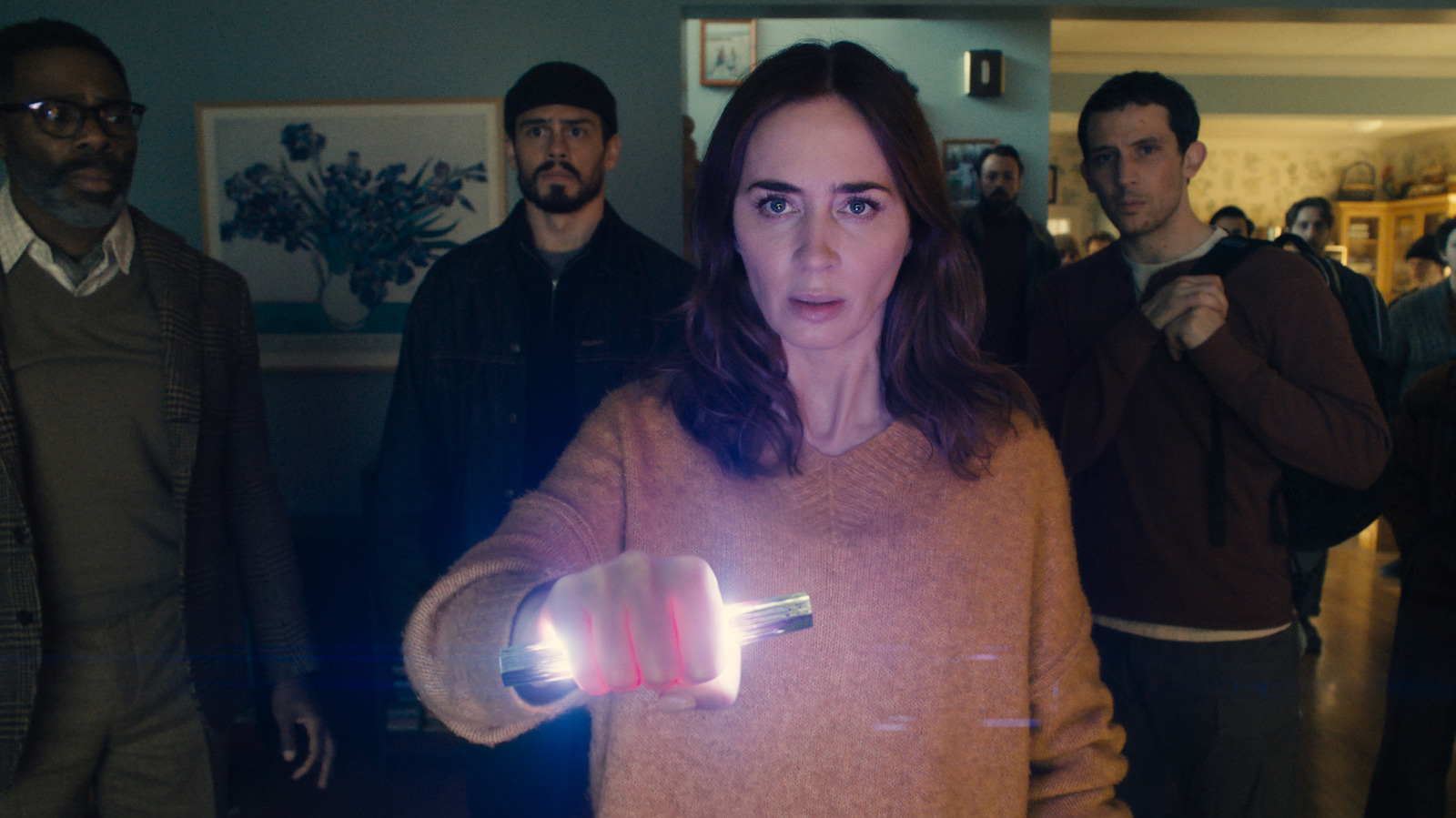
Disclosure Day moves away from the "first contact" tropes that defined Spielberg’s early career. Instead of focusing on the physical manifestation of aliens or the awe of space travel, the film centers on a shadow-corporate entity that has spent decades acting as a custodial force for the U.S. government, sequestering alien technology and biological data from the public eye.
The narrative follows a group of former employees who become whistleblowers, determined to leak evidence of extraterrestrial existence. The conflict is not between humans and aliens, but between those who believe the public has an inherent right to know the nature of their reality and those who believe that the truth is a dangerous contagion that could destabilize the foundations of human society—including religion, national security, and global order.
Chronology of a Crisis: From the Pentagon Papers to the Stars
To understand why The Post is the necessary follow-up to Disclosure Day, one must look at the thematic lineage of Spielberg’s recent career.
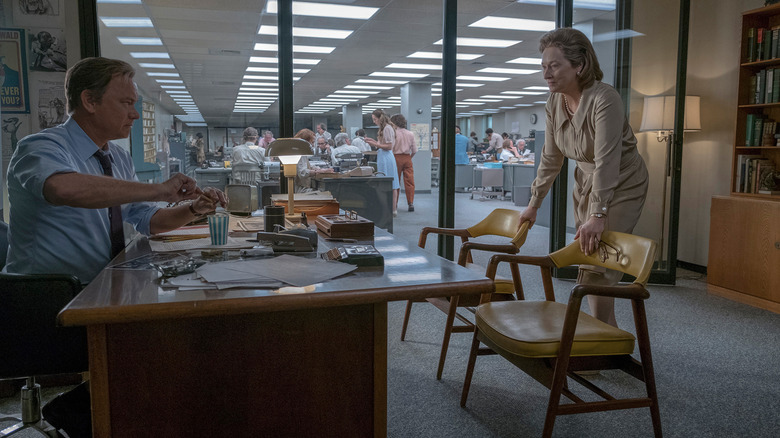
In The Post, Spielberg dramatized the 1971 struggle of The Washington Post to publish the Pentagon Papers. The film captures a moment in American history where the government sought to suppress a truth that exposed decades of institutional deception regarding the Vietnam War. Meryl Streep, playing Katharine Graham, and Tom Hanks, as Ben Bradlee, navigate a landscape of legal threats and moral exhaustion.
Disclosure Day effectively transplants the DNA of that 1971 struggle into a futuristic, high-stakes sci-fi environment. In the chronology of Spielberg’s filmography, The Post acted as a bridge between his period of grand, historical epics like Lincoln and Bridge of Spies, and his current, more cynical, yet deeply urgent, examination of the modern information age. By watching them back-to-back, one sees a clear evolution: the fight to publish the truth about war in the 20th century has evolved into the fight to publish the truth about our place in the universe in the 21st.
Supporting Data: The Ethics of Disclosure
The intellectual heart of Disclosure Day lies in the ideological divide between its characters. Eve Hewson’s character, Jane Blankenship, serves as the film’s moral conscience. As a former nun, she grapples with the potential for existential nihilism that such a revelation could trigger. Her hesitation isn’t born of malice, but of a profound, protective fear for the stability of human faith and social order.
Conversely, the film’s antagonist, played by Colin Firth, argues from a position of pragmatic authoritarianism. He believes that humanity is already teetering on the edge of a third global conflict and that the introduction of "the truth"—regardless of its nature—would be the catalyst for absolute, irreversible collapse.
This mirrors the central tension of The Post. In that film, the government argued that releasing the Pentagon Papers would jeopardize national security and the lives of soldiers. In Disclosure Day, the stakes are amplified to a cosmic level: the government (and its corporate proxies) argues that releasing the truth about aliens will destroy the very bedrock of civilization. Both films pose the same uncomfortable question: Is the truth an absolute good, even if it leads to chaos?
Official Responses and Industry Perspectives
While audiences are currently flooding to Disclosure Day expecting the spectacle of a summer blockbuster, early industry feedback indicates that the film is proving to be a "polarizing, intellectual experience." Critics have noted that Spielberg’s direction is surprisingly restrained. He denies the audience the "big alien reveal" they crave, instead keeping the camera fixed on the human faces of those deciding whether or not to hit "send" on the documents that could change history.
This reflects a broader industry trend where the "thriller" genre is being used to probe the fragility of truth in the post-truth era. Spielberg, perhaps more than any other living filmmaker, has shown an acute awareness of the media’s role in shaping reality. His 2017 production of The Post was famously rushed to completion to meet a release date that coincided with the early days of the Trump administration, a time when the "war on the press" was a daily headline. Today, that urgency feels even more relevant as we grapple with the implications of AI-generated misinformation and the erosion of trust in institutional narratives.
Implications: The Moral Obligation to Publish
The ultimate connection between these two films is found in the philosophy articulated by Ben Bradlee in The Post: "The only way to assert the right to publish is to publish."
Disclosure Day does not offer a neat resolution. It doesn’t show the aftermath of the disclosure, nor does it definitively state whether the global order survived the revelation. It is an exercise in the act of truth-telling. The film suggests that the consequences of the truth are secondary to the moral necessity of its dissemination.
By pairing these two films, the viewer is presented with a complete picture of Spielberg’s modern worldview. He is no longer the filmmaker who wants to hide the alien behind a bicycle in the moonlight; he is the filmmaker who wants to force us to look at the documents that the powerful have locked away.
Why You Should Avoid the Traditional Double-Feature
It is tempting to follow Disclosure Day with Close Encounters of the Third Kind or E.T., but doing so creates a dissonance that undermines the message of the new film. The classic alien movies are about wonder; they are about the child-like desire to see something extraordinary. Disclosure Day is about responsibility; it is about the adult-like burden of knowing something that could break the world.
By watching The Post instead, you strip away the sci-fi spectacle and are left with the raw, beating heart of the conflict: the fundamental tension between the government’s desire for control and the people’s right to know.
Conclusion: A Cinematic Legacy of Truth
In the final analysis, Disclosure Day stands as a testament to Steven Spielberg’s enduring curiosity about the human condition. While it wears the skin of a science fiction thriller, its soul is firmly rooted in the journalistic integrity he explored in The Post.
For viewers looking to unpack the complex themes of Disclosure Day, the lesson is clear: the most important extraterrestrial encounter in the history of cinema isn’t the one that happens in the sky, but the one that happens in the printing room. To truly understand the risk taken by the characters in Disclosure Day, one must revisit the risk taken by the journalists in The Post. Together, these two films provide a chilling and profound look at the cost of the truth in a world that is often terrified to hear it.


 Iffa Jayyana
 Lina Hope