Nana
Nana
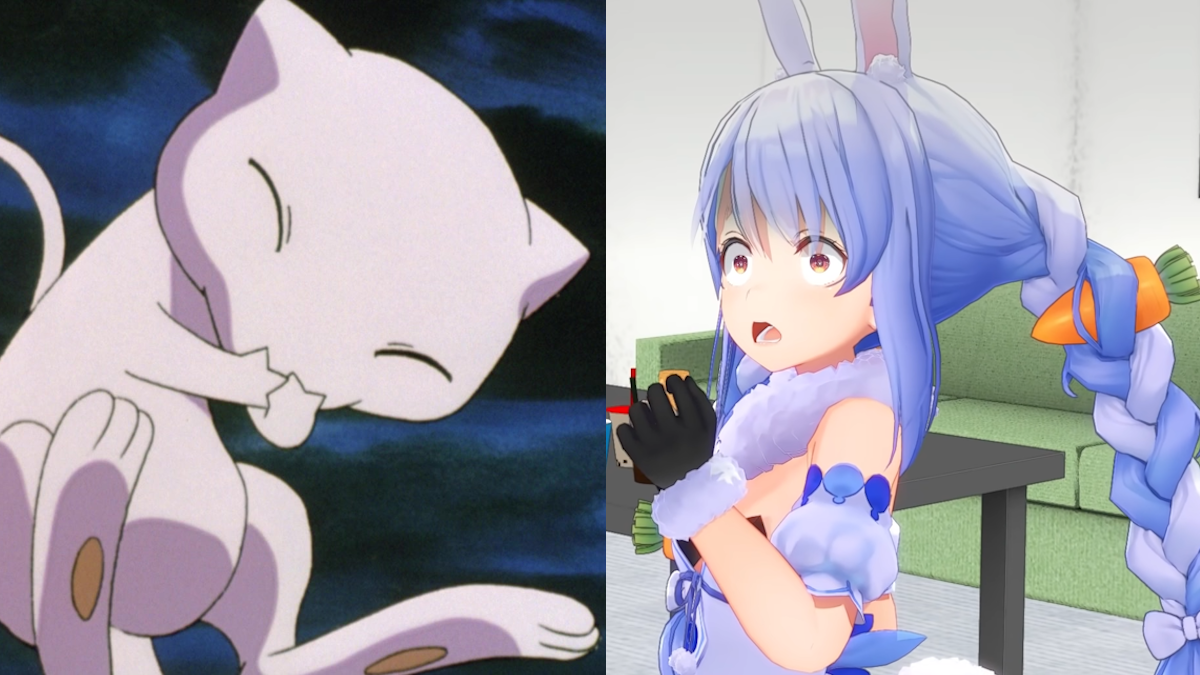
In the high-stakes world of VTuber content creation, few figures command the reach and influence of Hololive’s Usada Pekora. Known for her chaotic energy and dedicated fan base, the rabbit-themed star recently found herself at the center of a high-profile digital controversy involving one of the most protected intellectual properties in gaming history: Pokémon.
What began as a nostalgic quest to hunt for the elusive Mythical Pokémon, Mew, in the classic title Pokémon Emerald, rapidly spiraled into a cautionary tale regarding the intersection of retro gaming, copyright enforcement, and Japan’s stringent laws surrounding digital modification. The incident, which resulted in the deletion of stream archives and a formal apology from her agency, highlights the precarious position that even the most popular streamers face when navigating the "gray market" of vintage hardware.
The Quest for the Old Sea Map
The trouble began when Usada Pekora, seeking to provide her audience with a unique and nostalgic viewing experience, decided to play Pokémon Emerald—a title released for the Game Boy Advance in 2004. Unlike modern Pokémon titles, which are easily accessible via the Nintendo Switch, Emerald is a legacy title that requires physical hardware to play legitimately.
To ensure authenticity, Pekora acquired what she believed to be an official cartridge. She utilized the Game Boy Player on a Nintendo GameCube to broadcast the gameplay. Her primary goal was to obtain the "Old Sea Map," a rare in-game item that allows players to travel to Faraway Island to encounter Mew.
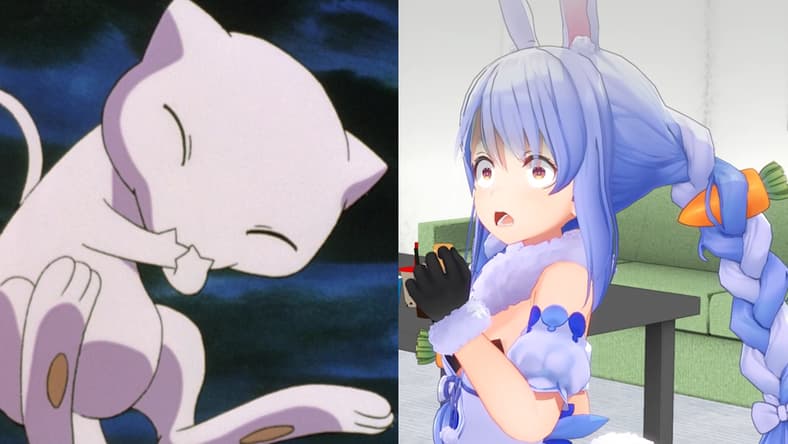
Historically, this item was only distributed during two specific real-life promotional events in 2005 via the Mystery Gift function. Because these events concluded nearly two decades ago, the item is functionally impossible to obtain on an original, unmodded cartridge without external intervention. When Pekora discovered that her copy of the game indeed contained the item, she was initially overjoyed, interpreting it as a successful find. However, that excitement was short-lived as the gaming community and legal experts began to scrutinize the legitimacy of her hardware.
A Chronology of the Controversy
- The Initial Stream: Pekora showcases her copy of Pokémon Emerald, highlighting the presence of the Old Sea Map and the Mystic Ticket (used for Lugia and Ho-Oh), expressing her excitement to hunt for a "Shiny" Mew.
- Community Backlash: Eagle-eyed viewers and archival enthusiasts immediately pointed out that the presence of these items on a secondhand cart strongly suggested that the ROM had been tampered with or that the save data had been injected using third-party software.
- The "Shadow" Over the Stream: Following a deluge of feedback, the archive of the broadcast was removed from YouTube.
- The Official Stance: Five days after the controversy ignited, Hololive Productions (Cover Corp) released a formal statement confirming they had been in communication with Nintendo.
- The Follow-up: On April 3, 2024, Pekora addressed her audience directly, acknowledging the ambiguity of the situation and announcing that she would cease her attempts to capture the Mew to avoid further complications.
The Legal Landscape: Japan’s Unfair Competition Prevention Act
The core of the dispute lies not just in Nintendo’s notorious protection of its IP, but in the evolution of Japanese law. In 2019, the Japanese government amended the Unfair Competition Prevention Act, significantly tightening the screws on the modification and resale of game software and consoles.

The law was specifically updated to curb the "save-editing" industry. It explicitly bans the distribution of tools and programs designed to alter save data and prohibits the sale of unauthorized product keys or modified game data. Under these statutes, offenders can face severe penalties, including fines of up to ¥5 million ($34,870 USD) and prison sentences of up to five years.
This legislative shift has turned the previously tolerated world of "retro-modding" into a high-risk activity. In recent months, Japanese authorities have made high-profile arrests involving individuals selling modified Pokémon save files and even custom-modded Nintendo Switch consoles. For a major corporation like Cover Corp, which manages the careers of dozens of high-profile talents, the risk of being associated with even the accidental use of "hacked" hardware is an existential threat to their business model.

Nintendo’s Stance and the "Gray Zone"
Nintendo’s position on emulation and hardware modification has always been uncompromising. The company views any modification of its software—regardless of the age of the title—as a violation of its copyright and a risk to the integrity of its brand.
For many fans, the frustration stems from the lack of official access. Pokémon Emerald is not currently available on the Nintendo Switch Online service. Fans argue that when a company makes a title inaccessible through official channels, it forces creators into the "gray market" of used auction sites. When a streamer like Pekora buys a used cartridge, she is at the mercy of previous owners who may have used devices like an Action Replay or specialized save-injectors to "complete" their Pokédex.

However, Nintendo does not differentiate between "malicious hacking" and "nostalgic restoration." By requesting that the stream be made private, Nintendo sent a clear message to the VTuber industry: the "guidelines" are not suggestions.
Official Responses and Corporate Damage Control
The statement released by Hololive was a masterclass in corporate caution. By publicly acknowledging the consultation with Nintendo, the agency effectively signaled to all its talents that "playing retro games" is no longer a casual activity—it is a compliance-heavy project.

"We have consulted with Nintendo Corporation… and have been discussing how to respond," the statement read. "Nintendo has requested us to keep the video private because its continued release may cause misunderstanding; avoid future video projects that may risk violating the guidelines; and remind our talent members of the need to comply with the guidelines."
The phrasing "cause misunderstanding" is particularly telling. It suggests that Nintendo was concerned that viewers might mistake the modded gameplay for an official, intended experience, or worse, that it might encourage other creators to seek out similar hacked cartridges. The promise to "educate and instruct" talent indicates that Hololive is implementing a new vetting process for any content involving legacy hardware.

The Implications for the VTuber Industry
The fallout from the Pekora incident will have a lasting impact on how VTubers and Japanese streamers approach content creation.
- Increased Vetting: Agencies will likely require talents to verify the provenance of any retro hardware or software before it touches a capture card.
- Shift to Official Re-releases: Streamers will be pushed to favor games available on modern, sanctioned platforms, where there is no risk of encountering "injected" save data.
- The Chilling Effect: The fear of a "copyright strike" or a formal request from a publisher will likely lead to a decrease in retro gaming content, as the administrative burden of ensuring compliance outweighs the potential engagement.
Conclusion: A Lesson in Modern Copyright
Usada Pekora’s situation is a microcosm of the modern digital rights struggle. While her intentions were innocent—a desire to share a classic gaming experience with her fans—the technical reality of her cartridge placed her in direct opposition to the strict legal framework governing intellectual property in Japan.
Pekora’s final decision to abandon the quest for the Shiny Mew and move on to Pokémon Fire Red was a pragmatic one. It acknowledged that in the current climate, the risk to her agency and the broader community was too high to justify the pursuit of a digital ghost. As she continues her journey in other titles, the "Mew Incident" serves as a permanent reminder: in the eyes of major publishers, there is no such thing as a harmless modification. For the gaming community, the lesson is that as software and hardware age, the legal walls surrounding them only seem to grow taller.


 Jia Lissa
 Muslim