

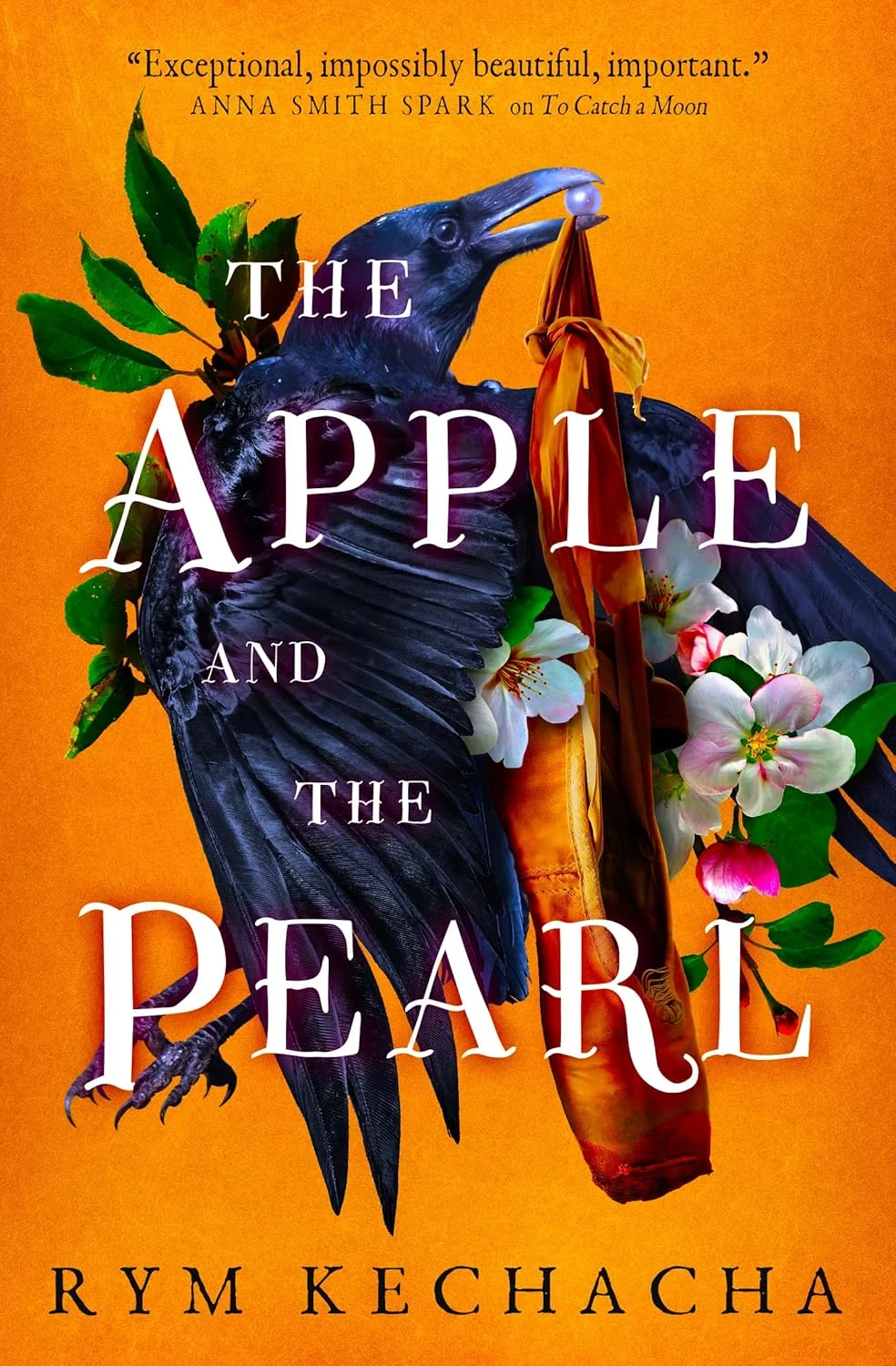
In the landscape of contemporary speculative fiction, few novels manage to bridge the gap between the visceral physical exhaustion of professional performance and the ethereal, high-stakes danger of folklore as effectively as Rym Kechacha’s latest work, The Apple and the Pearl. The novel, which follows a nomadic, otherworldly ballet troupe aboard a sentient, shape-shifting train, serves as both a love letter to the rigors of dance and a haunting meditation on the cost of creating beauty for an audience that is, quite literally, not of this world.
The Premise: A Midnight Toll for the Fae
The narrative begins with a rhythmic, unsettling incantation—a tolling of bells that serves as the heartbeat of the troupe’s existence. At midnight, aboard a train colloquially dubbed "the Grub" (a "maggot in the fruit" of the mundane world), a bell tolls thirteen times. This marks the transition for the performers and support staff, who spend their lives traveling across Britain, arriving at disparate locations to perform a single, recurring ballet: The Apple and the Pearl.
The theater they inhabit, referred to as "the Grit"—a "speck of dirt trapped in the oyster shell"—is a chameleon-like structure that manifests differently at every stop. On the foggy morning of All Souls’ Day, it appears as a looming, gothic shadow, reminiscent of a horror film set. The troupe’s existence is governed by a singular, overarching entity: the Crow. An all-seeing, all-knowing, and all-controlling figure, the Crow is believed to be the force that lures these "misfits, mavericks, and wanderers" out of the human world to sustain this impossible production.
Chronology of a Liminal Day
The novel tracks a tight twenty-four-hour window, employing a fluid, present-tense narrative style that shifts perspective among the troupe members. By focusing on a single day, Kechacha highlights the repetitive, almost ritualistic nature of life within the troupe.
- The Early Hours: The reader is introduced to the daily rituals of the "Grub," from the wardrobers to the musicians. We learn of the "pledge"—a contract of a year and a day that each member must sign with the Crow. This pact, combined with a strict adherence to curfew, is the only barrier protecting them from being snatched by the fae, the ballet’s primary, voracious audience.
- The Midday Rehearsals: As the troupe prepares for the evening performance, the narrative deepens its focus on the physical and psychological toll of the craft. Through the eyes of Mara, a senior dancer, the reader experiences the "life-raft" of the daily ballet class—a routine that offers solace even as it demands the sacrifice of the dancer’s own selfhood.
- The Evening Performance: As dusk settles and the audience of fae gathers, the atmosphere shifts from mundane backstage tension to a high-stakes, supernatural climax. This is where the narrative’s themes regarding the purpose of art—and the reason for this specific, unchanging ballet—reach their zenith.
Supporting Data: The Anatomy of an Artistic Sacrifice
Kechacha, herself a classically trained dancer, brings a level of technical authenticity to the prose that elevates the novel above typical fantasy fare. The "supporting data" of the story is the lived experience of the dancers. The ballet is described as a "diamantine thing made of equal parts cruelty and beauty."
The industry’s "glittering, toxic nature" is dissected with surgical precision. For the troupe, the question is not merely what they are performing, but why. The dancers are described as "daylilies blooming for just one day before withering." This constant struggle against the fleeting nature of their talent—coupled with the fae’s desire to "sip at the space between pain and beauty"—creates a structural tension that defines the characters’ motivations.
Some performers are there for the community, finding solace in the fact that they are surrounded by others as "mad" as they are. Others are there for the perfection of their art, pushing their bodies to the absolute limit. However, the recurring question for many remains: "What do we make here; what do we create, what do we leave behind us?"
Official Perspectives and Internal Philosophy
While the Crow remains an enigmatic, silent, and potentially malevolent overseer, the internal logic of the troupe is provided by the veterans. A key interaction occurs between a veteran lighting director and a prospective newcomer. The advice offered—"If you think too hard about it, you’ll trip"—serves as a meta-commentary for both the characters and the reader.
The novel suggests that the "border space" between reality and the theater is where the most profound truths reside. By keeping the fae largely off-stage, Kechacha allows the "human" problems—the regrets, the ghosts, and the yearnings—to carry the weight of the story. The unease is not generated by the supernatural per se, but by the contrast between the mundane tasks of a theater technician and the terrifying, existential implications of the show they are mounting.
Implications: The Purpose of the Performance
As the narrative reaches its climax, the "game" behind the production is finally laid bare. The ballet is not merely a show; it is a mechanism of connection between realms. The Crow is revealed to be the essential thread-holder, ensuring that the troupe continues to provide the exact, specific emotional fodder required by their audience.
The implications of this are profound. Does art lose its value if it is created solely to appease an outside, inhuman force? Or does the act of striving for an "unattainable ideal" justify the loss of self, even if that art is ultimately ephemeral? Kechacha refuses to offer easy answers, instead leaving the reader with the image of the troupe returning to their routines, the cycle beginning again as the train, that "maggot in the fruit," chugs toward the next midnight.
Conclusion: A Masterpiece of Atmosphere
The Apple and the Pearl is a rare achievement in contemporary literature. It is a novel that understands the physicality of art and the psychological weight of performance. By confining the narrative to a single, claustrophobic, and magical day, Rym Kechacha has crafted a story that is as haunting as a half-remembered dream.
The reader is left to contemplate the "space between," the gaps between who we are and who we wish to be, and the beauty found in the act of straining toward perfection, even when we know we will inevitably fail. It is a work that demands to be read with the same attention one gives to a ballet—watching for the subtle shifts in posture, the flickers of shadow, and the inevitable, haunting tolls of the midnight bell.
For those who enjoy fiction that operates in the liminal, where the lines between the performer and the performance blur into something indistinguishable, The Apple and the Pearl stands as a definitive, must-read exploration of the artistic soul. As the train pulls away into the fog, the reader is left with one final, lingering truth: in the world of the theater, the show must go on, even if it costs you everything you are.










No comments yet. Be the first to join the conversation!