Reynand Wu
When the Japanese Role-Playing Game (JRPG) genre first staked its claim on the global gaming landscape, it was almost exclusively defined by a rigid high-fantasy template. For decades, players were expected to inhabit the role of a chosen hero, typically tasked with rescuing a captive royal, slaying a primordial dragon, and traversing an expansive overworld map by way of wooden canoes or majestic airships. While these tropes laid the foundation for the genre’s enduring success, a distinct evolution was simmering beneath the surface: the rise of the science-fiction JRPG.
Sci-fi JRPGs shift the focus from ley lines and enchanted steel to the cold precision of technology, space exploration, and futuristic societal collapse. While they remain a smaller subset of the broader genre, these titles offer a profound depth of world-building that rivals their fantasy counterparts. By trading magic-infused airships for interstellar vessels and knights for Wanzer pilots, these games challenge the player to grapple with ethical, political, and existential questions rooted in science rather than mysticism.
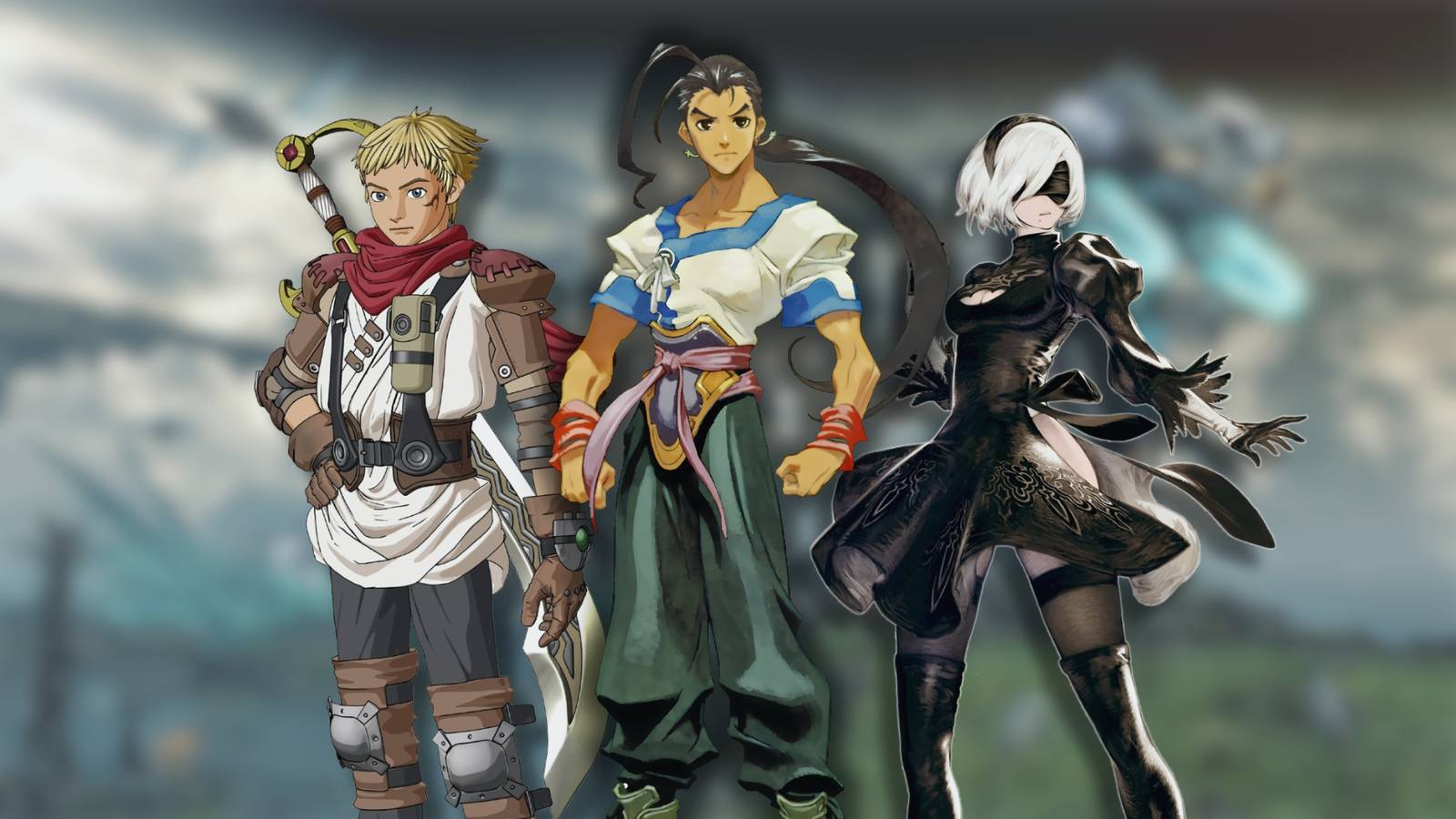
The Chronology of Technological Wonder
The transition from fantasy to sci-fi in JRPGs was not an overnight shift but a gradual integration of themes. Early experiments in the genre began flirting with futuristic aesthetics, but it wasn’t until the late 80s and 90s that dedicated sci-fi universes truly hit their stride. This era saw the rise of iconic series like Phantasy Star, which brought space travel and cybernetics to the forefront. As the millennium approached, the narrative complexity of these games deepened, culminating in the philosophical heavyweights of the late 90s, such as Xenogears.
Today, the sub-genre has matured into a diverse landscape, ranging from the tactical precision of industrial warfare to the existential dread of android-led post-apocalyptic societies. Whether set in a "near-future" iteration of Earth or on entirely fabricated alien worlds, these 10 titles represent the pinnacle of the sci-fi JRPG experience.

The Pantheon of Sci-Fi JRPGs
10. Front Mission 3
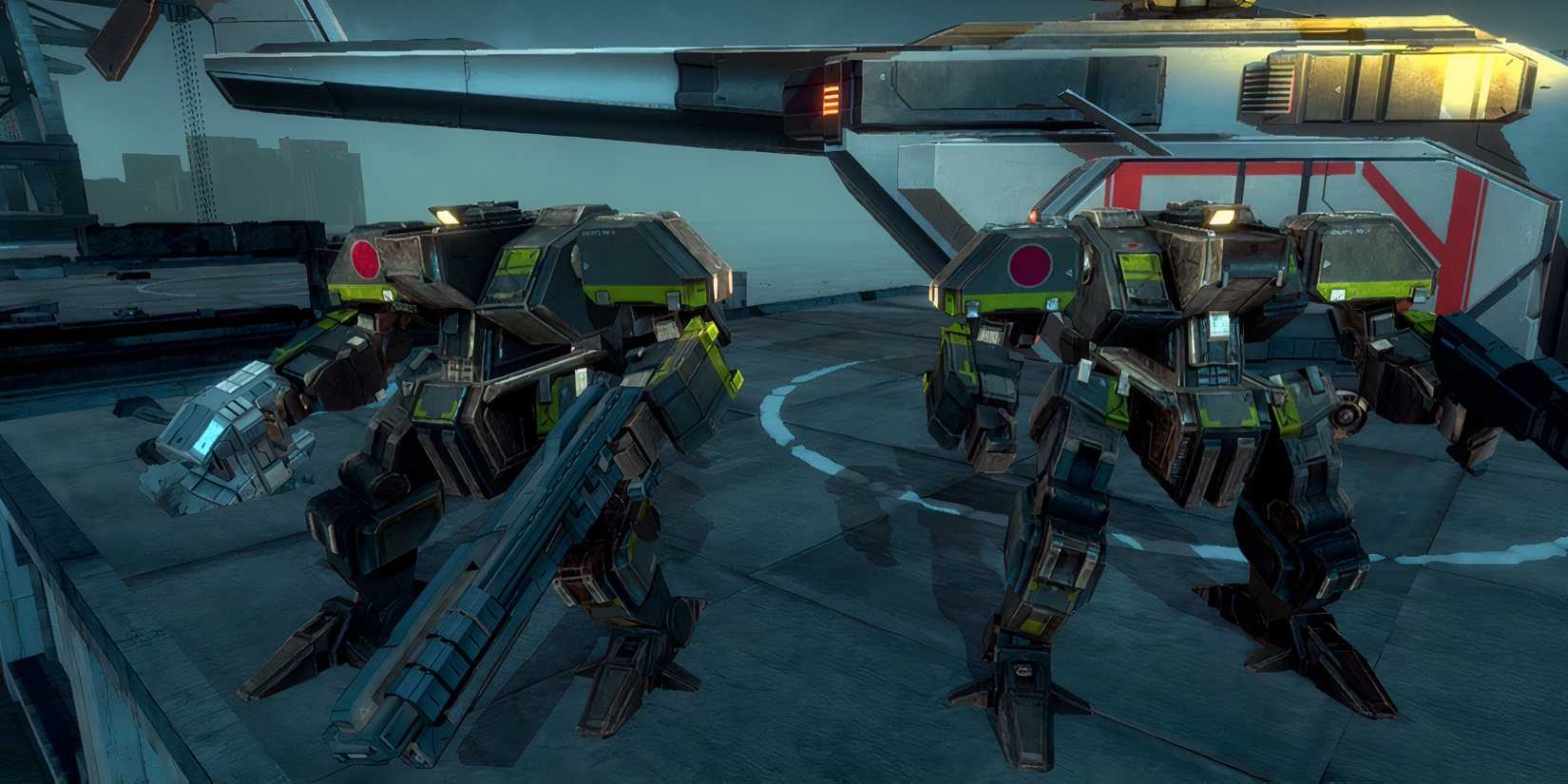
Front Mission 3 remains a masterclass in tactical depth. Set in a 2112 version of Earth defined by a simmering cold war, the game focuses on the political machinations of two superpower blocs: the USN and the DHZ. Players pilot "Wanzers"—giant, customizable mechanical suits—through grid-based battlefields. The game’s brilliance lies in its branching narrative; a single decision early on completely alters the path of the story, the allies gained, and the geopolitical consequences, providing a level of replayability that remains unmatched in the tactical genre.
9. Cosmic Star Heroine
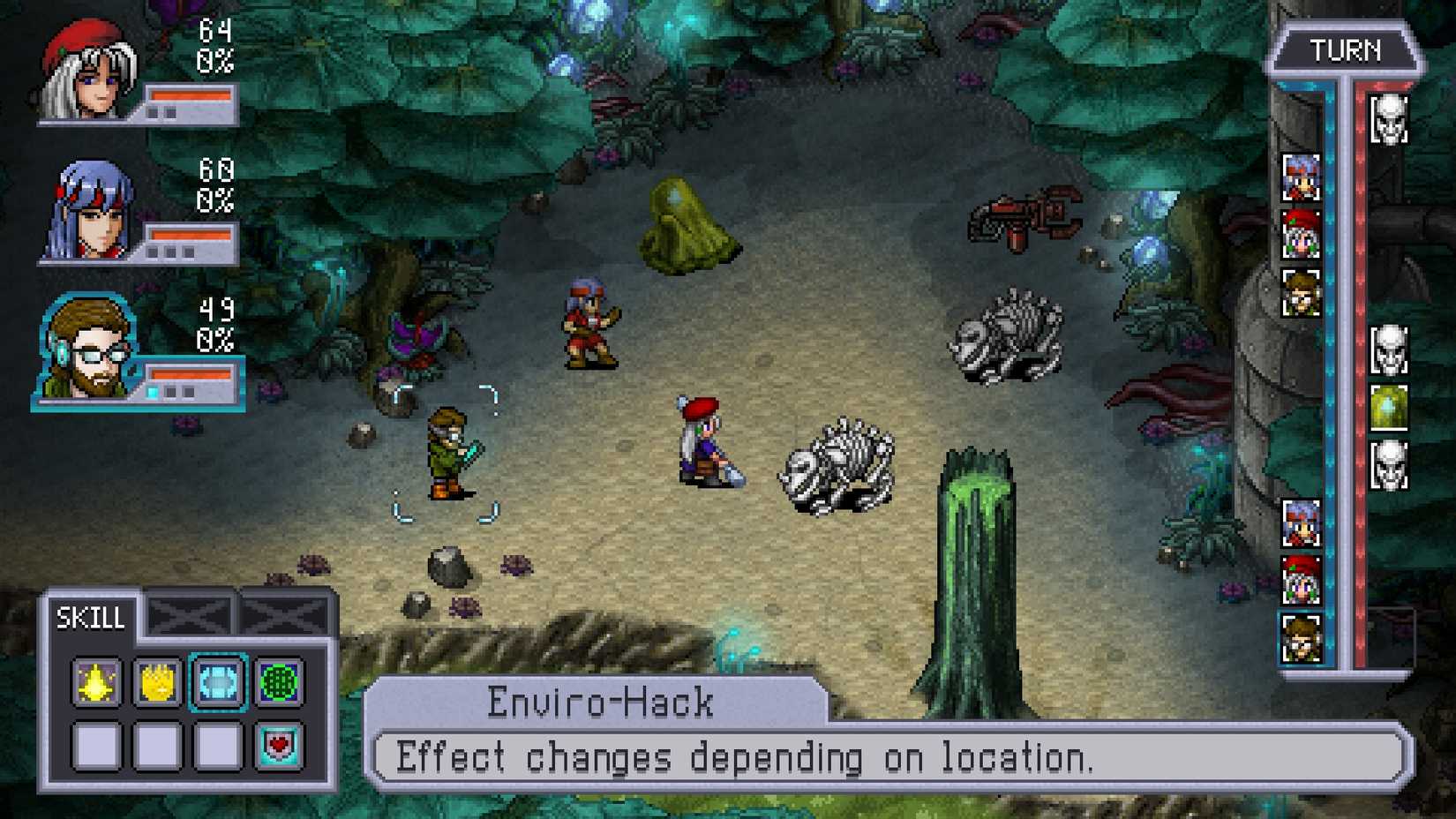
A testament to the power of indie development, Cosmic Star Heroine by Zeboyd Games pays homage to the golden era of 16-bit RPGs while injecting modern sci-fi sensibilities. As Alyssa L’Salle, an intelligence agent on Planet Araenu, players uncover a vast conspiracy. The combat system is a standout, ditching traditional MP pools for a "defend-to-recharge" mechanic that forces players to make every action feel tactical and deliberate.
8. Rogue Galaxy
Developed by Level-5 during the PlayStation 2’s creative peak, Rogue Galaxy is a sweeping space opera. It features an incredibly robust suite of systems, including real-time action combat, weapon-splicing mechanics, and the surprisingly addictive Insectron tournament. Despite a narrative that leans into melodramatic twists, the game’s scale and the sheer variety of its sci-fi planets make it an essential experience for those who want to feel like a true interstellar traveler.
7. CrossCode
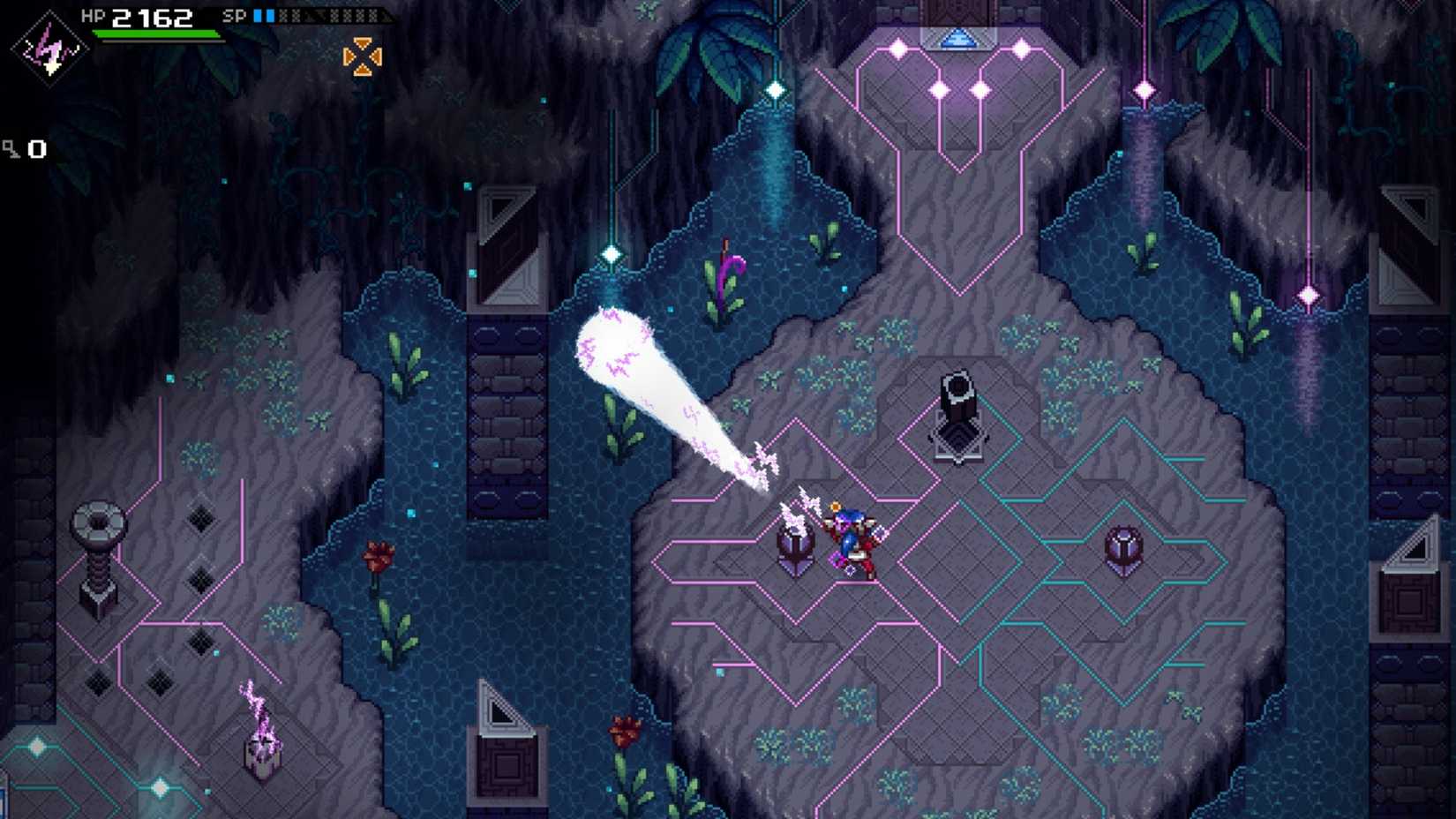
While technically an action-RPG, CrossCode earns its spot through its brilliant meta-narrative. The player controls Lea, an amnesiac avatar within a simulated MMORPG. The distinction between the "real" world and the "game" world is blurred, creating a poignant sci-fi mystery. With its blend of frantic combat and highly cerebral, Zelda-esque environmental puzzles, CrossCode represents the best of modern indie design.
6. Phantasy Star IV: The End of the Millennium
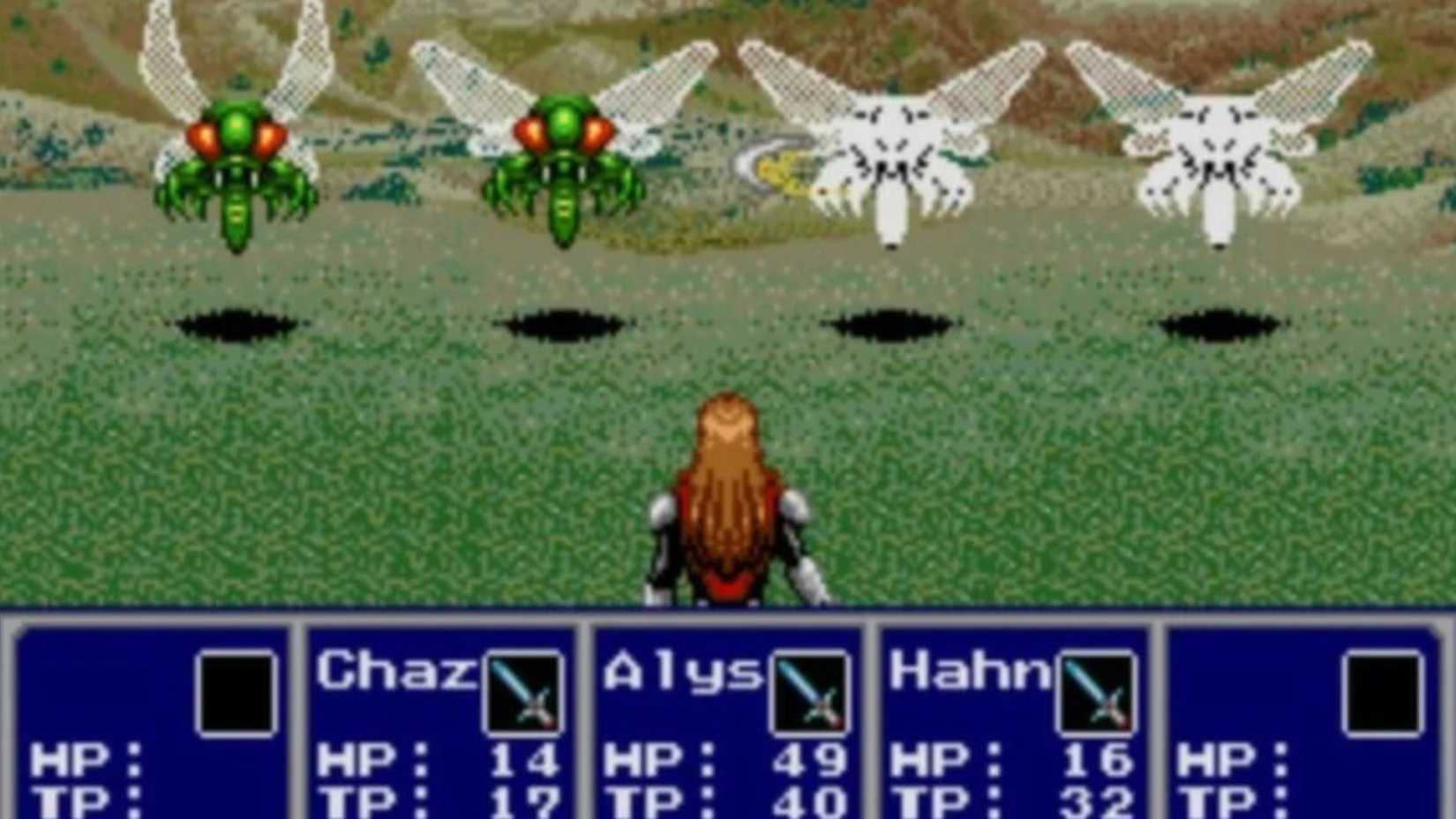
A cornerstone of the Sega Genesis library, Phantasy Star IV proved that sci-fi could carry a massive, emotional JRPG narrative. Its innovative "macro" system allowed players to combine individual techniques into devastating multi-character attacks. It remains a timeless classic, offering a cohesive world where technology, ancient myths, and interstellar travel collide seamlessly.
5. The .hack Series
The .hack franchise was ahead of its time, exploring the dangers and isolation of virtual reality long before it became a mainstream talking point. By framing the game as an MMO that the player is actually "logging into," the series creates a unique layer of immersion. From the original Infection to the G.U. sequels, the series explores the intersection of human consciousness and digital infrastructure, a theme that feels increasingly relevant today.

4. Xenoblade Chronicles X
Monolith Soft’s Xenoblade Chronicles X is the definitive "exploration" JRPG. After Earth is destroyed in an alien crossfire, humanity crash-lands on the alien planet of Mira. The game’s scale is staggering. The ability to pilot and customize giant Skells (mechs) to traverse the planet’s diverse biomes is a highlight of the genre. It is a game that respects the player’s desire to uncover secrets in a truly hostile and breathtaking alien environment.
3. NieR: Automata
NieR: Automata is arguably the most philosophical entry on this list. It places the player in the shoes of androids fighting a proxy war for humanity. Through its brilliant New Game+ structure, the game challenges the player’s perspective, forcing them to view the same conflict through multiple, conflicting lenses. It is a haunting, beautiful, and deeply nihilistic masterpiece that pushes the boundaries of what an action-RPG can say about existence and consciousness.
2. Star Ocean: The Second Story R
The Star Ocean series is the gold standard for "science-fantasy." The core premise revolves around the Underdeveloped Planet Preservation Pact—a rule forbidding advanced civilizations from interfering with primitive cultures. Naturally, the protagonists are constantly breaking this rule. The Second Story R remake brings this classic to modern audiences, perfectly balancing a high-fantasy aesthetic with hard sci-fi themes of space travel and advanced technology.
1. Xenogears
Xenogears stands alone at the summit. Despite a production cycle that left its second act feeling rushed, its narrative ambition remains unrivaled. The game weaves together philosophy, religion, and the history of humanity across thousands of years. The combat, which involves both on-foot martial arts and turn-based Gear battles, is deeply satisfying. Xenogears is more than just a game; it is a dense, intricate "Perfect Works" vision that has influenced an entire generation of developers.
Implications for the Future
The success of these titles suggests that players are hungry for more than just the traditional "hero’s journey." As the gaming industry continues to evolve, the demand for sophisticated, science-driven narratives is growing. Developers are moving away from simple black-and-white morality, opting instead for the gray areas inherent in sci-fi: the ethics of AI, the consequences of colonization, and the fragility of human identity in a technological age.
Looking ahead, we are seeing a resurgence of interest in these classic franchises. With the announcement of new entries in the .hack series and the ongoing legacy of the Xeno lineage, it is clear that the sci-fi JRPG is not merely a footnote in gaming history. It is a vibrant, evolving frontier that continues to push the medium toward deeper, more complex storytelling. Whether through the lens of a tactical Wanzer pilot or a rogue android, the future of the JRPG is bright, vast, and decidedly high-tech.


 Ammar Sabilarrohman
 Nana Muazin