


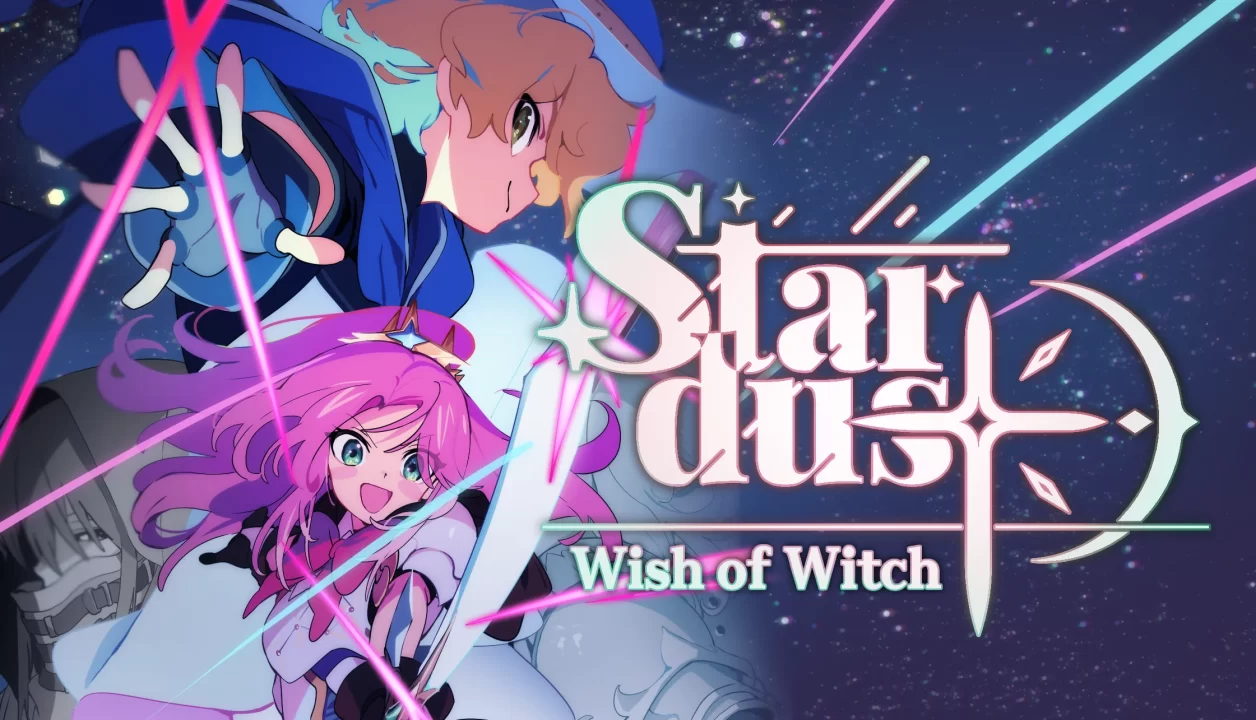
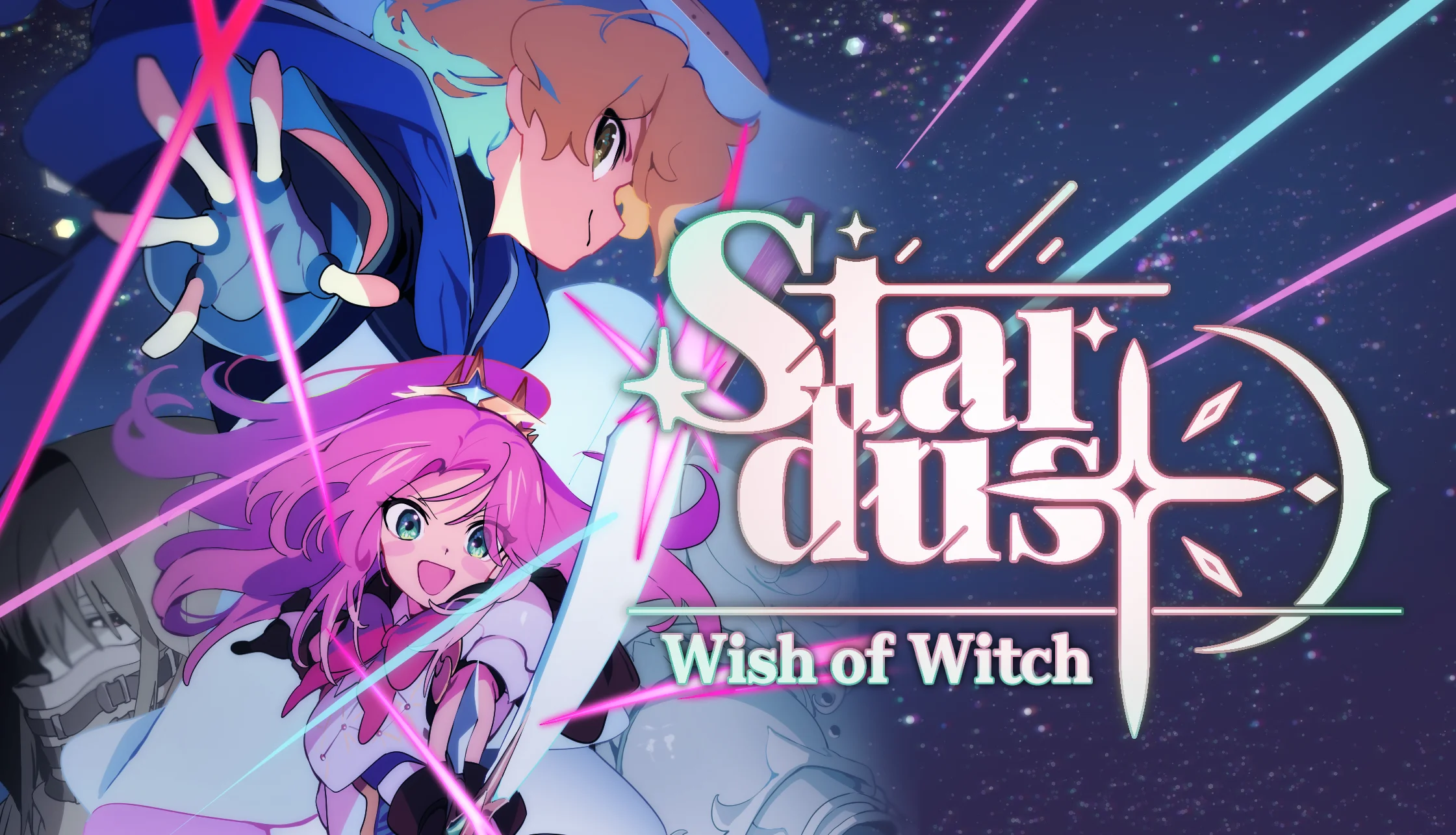
The landscape of indie strategy RPGs is set to receive a vibrant new entry this month as Kniv Studio prepares for the launch of Stardust: Wish of Witch. Scheduled for a May 28th release on PC via Steam, this title promises to blend the tactical depth of isometric grid-based movement with the unpredictable nature of card-based combat. Featuring a charming, high-fidelity pixel-art aesthetic and a narrative steeped in celestial mystery, the game is positioning itself as a must-watch title for fans of thoughtful, mechanics-driven RPGs.
The Core Experience: Strategic Depth Meets Aesthetic Charm
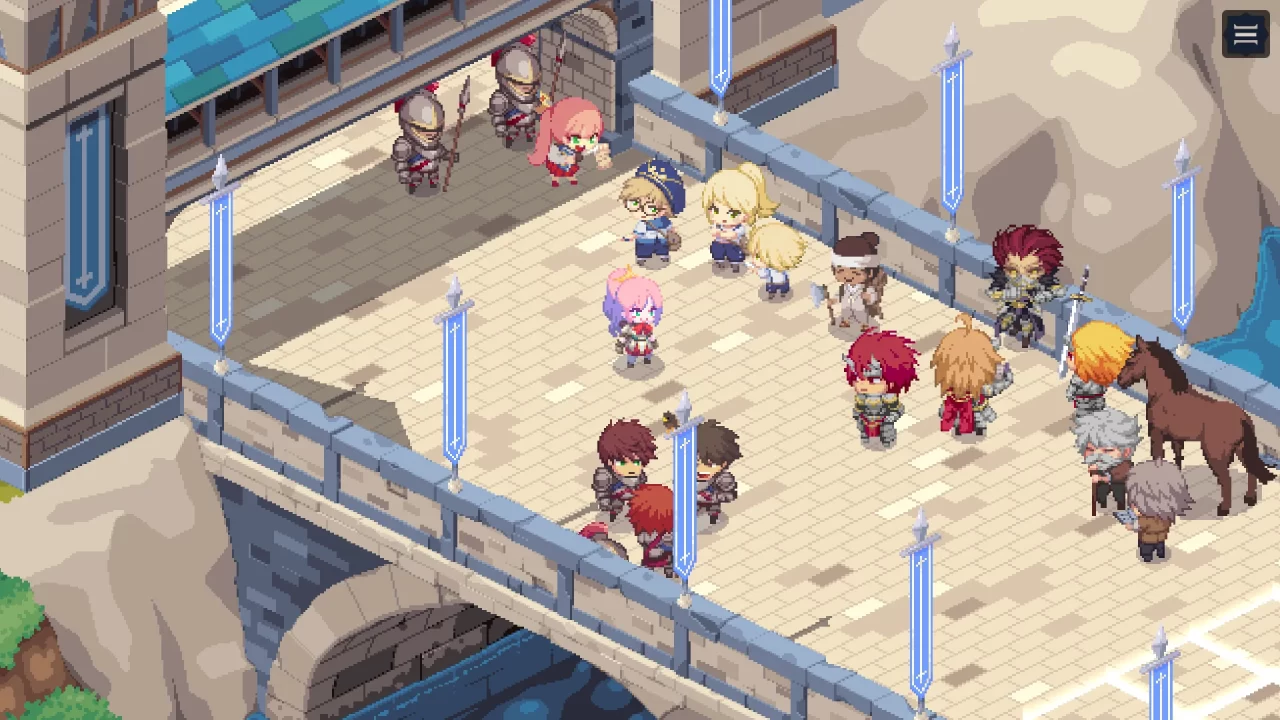
At its heart, Stardust: Wish of Witch is an exploration of duality. It pairs the high-stakes, calculated positioning typical of classic strategy games with the deck-building and hand-management elements of modern roguelite-adjacent RPGs. Players take control of childhood friends Star and Yu, navigating a world where the stars are more than just distant lights—they are central to the unfolding mystery of their reality.
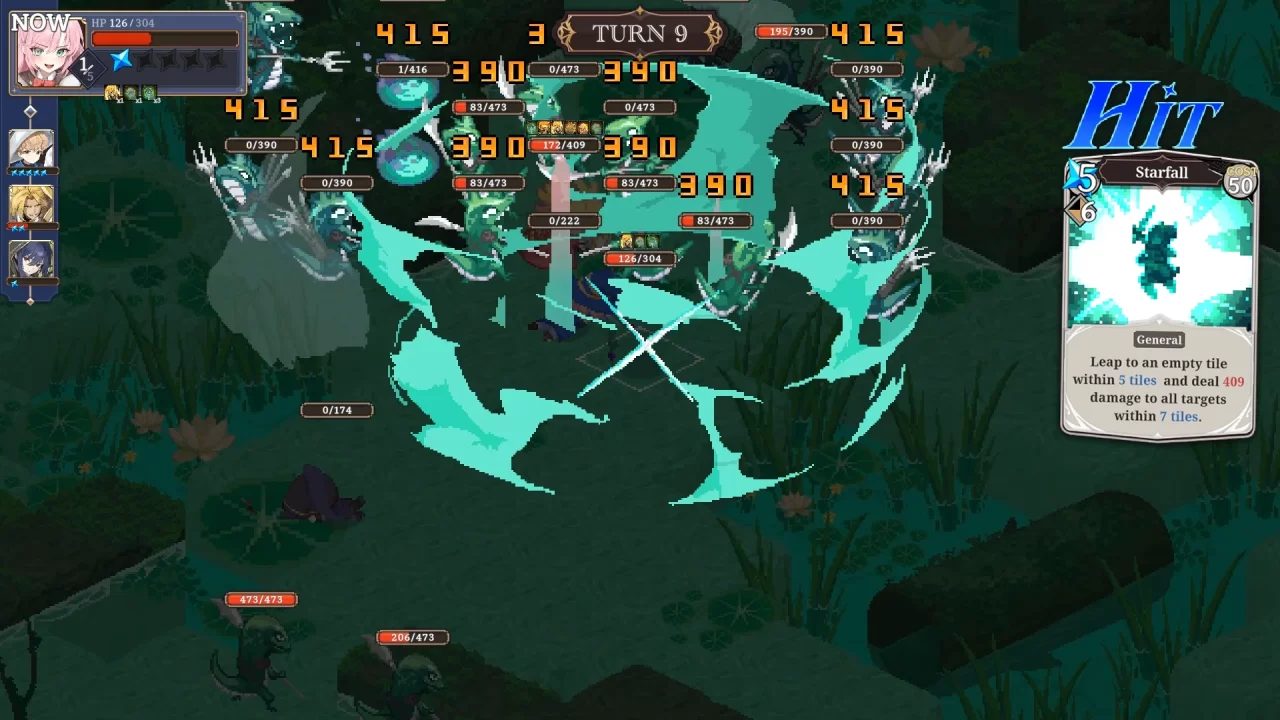
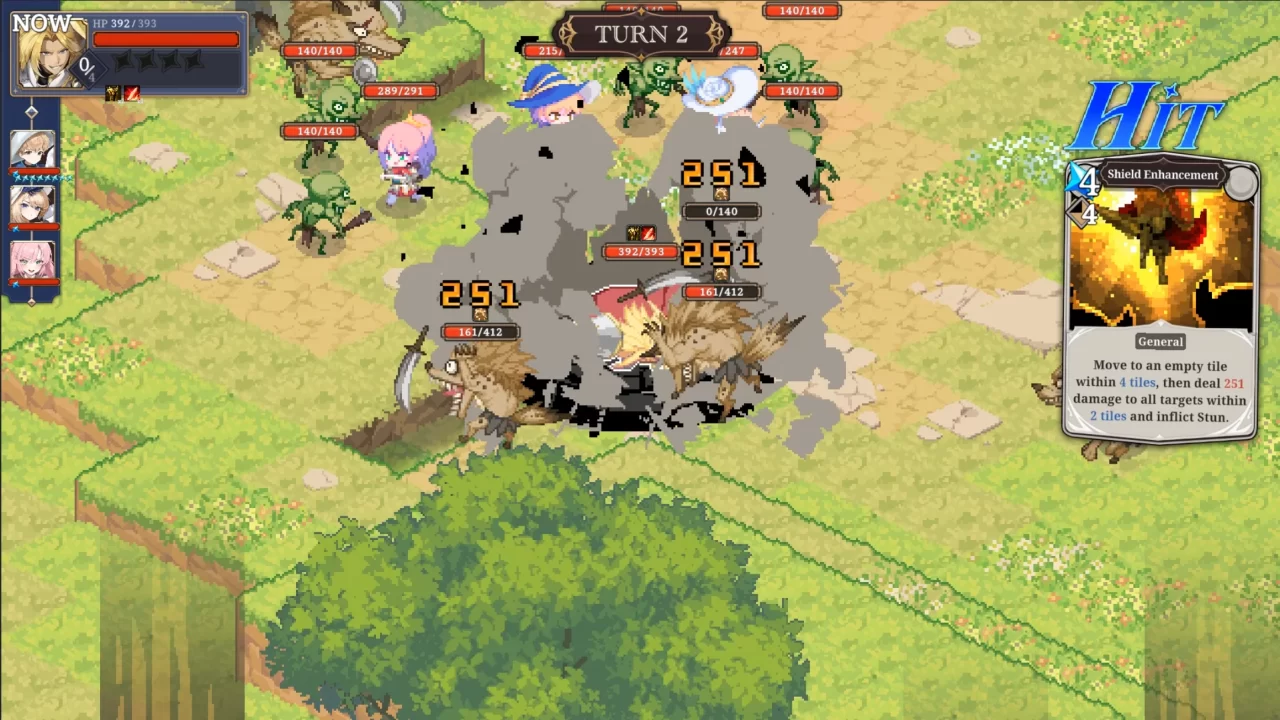
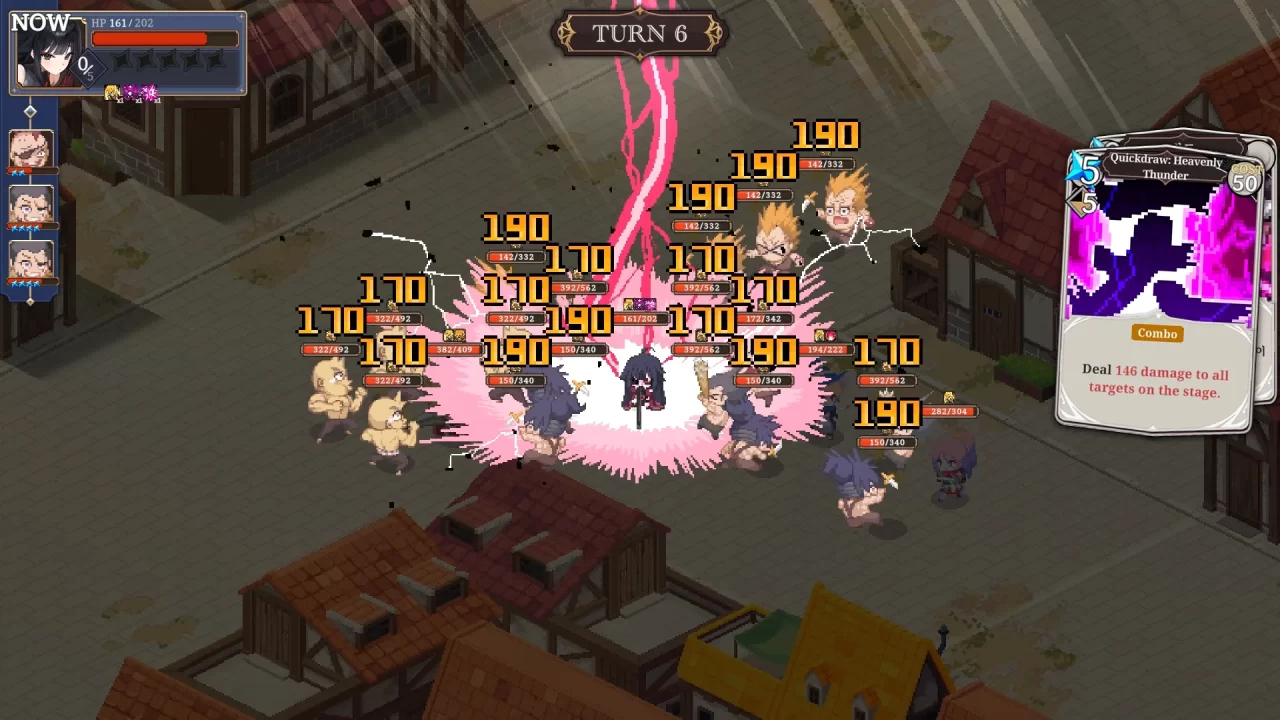
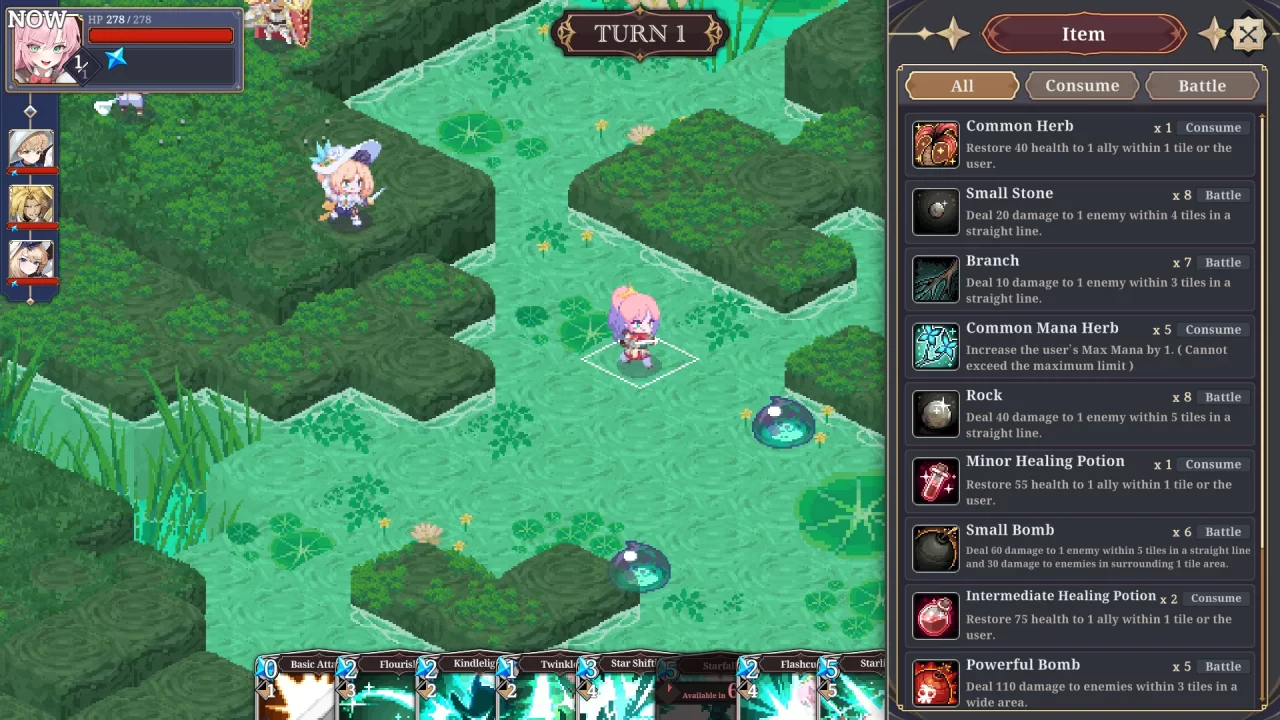
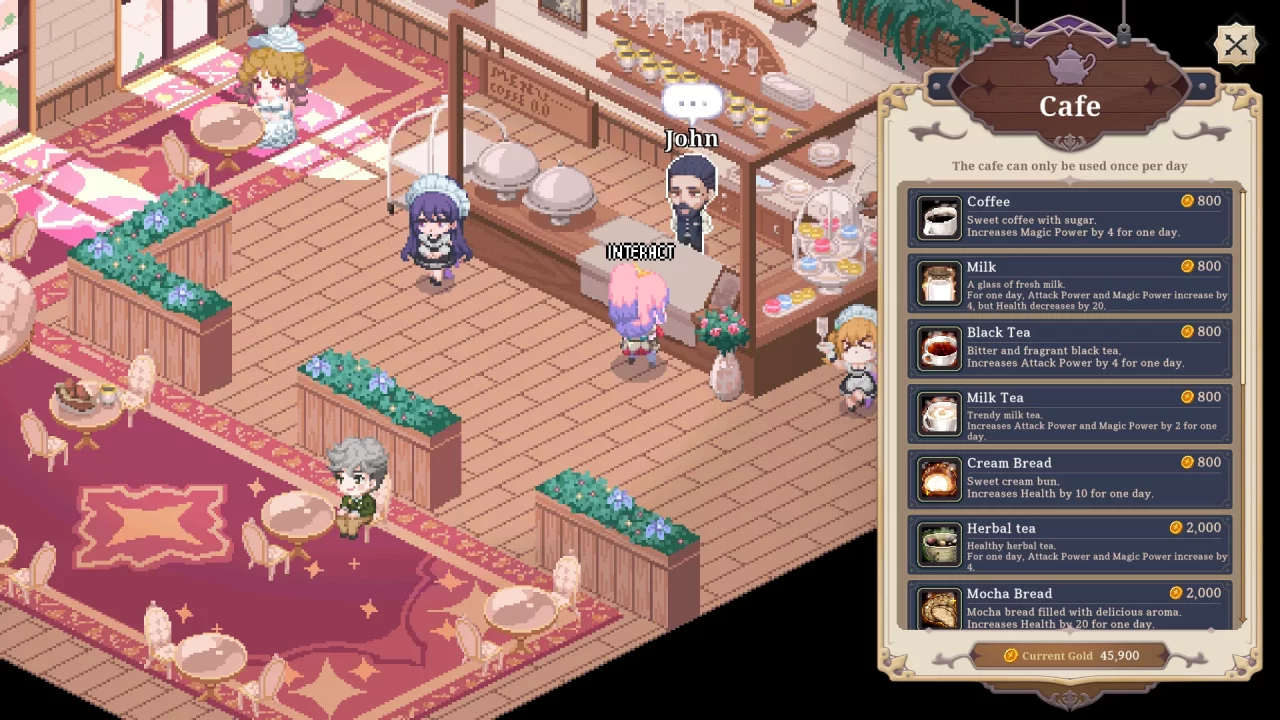
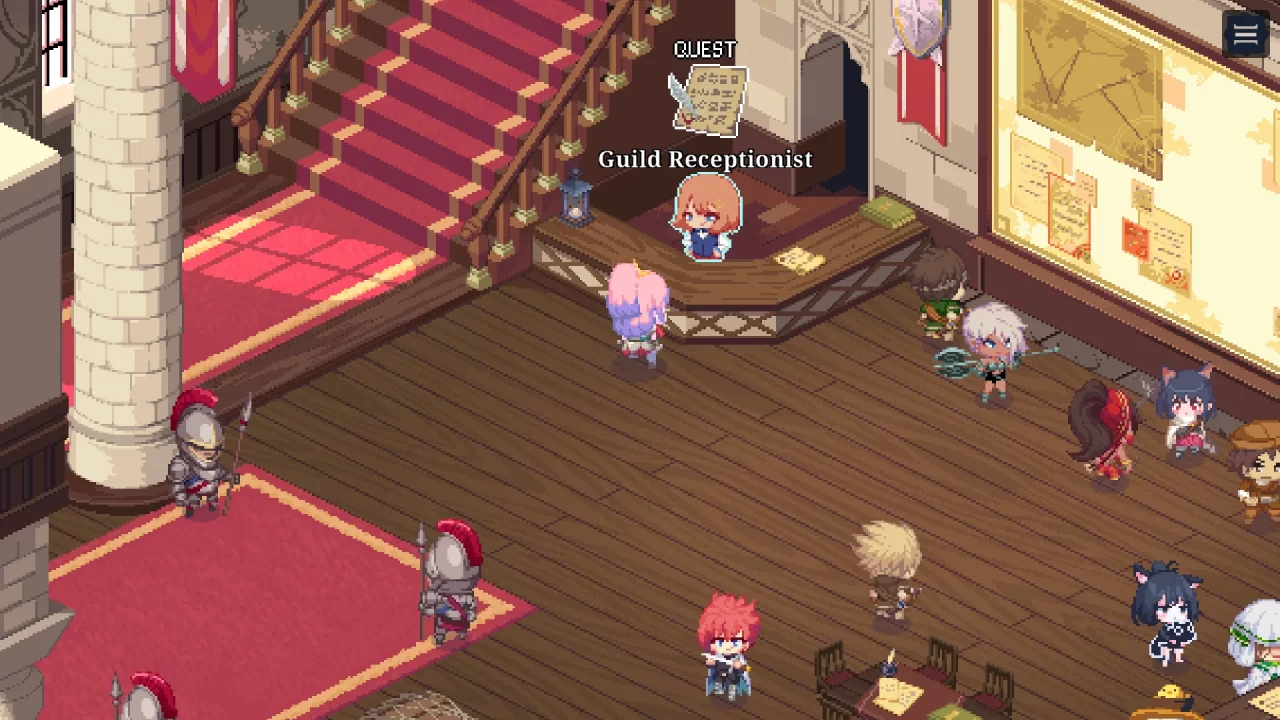
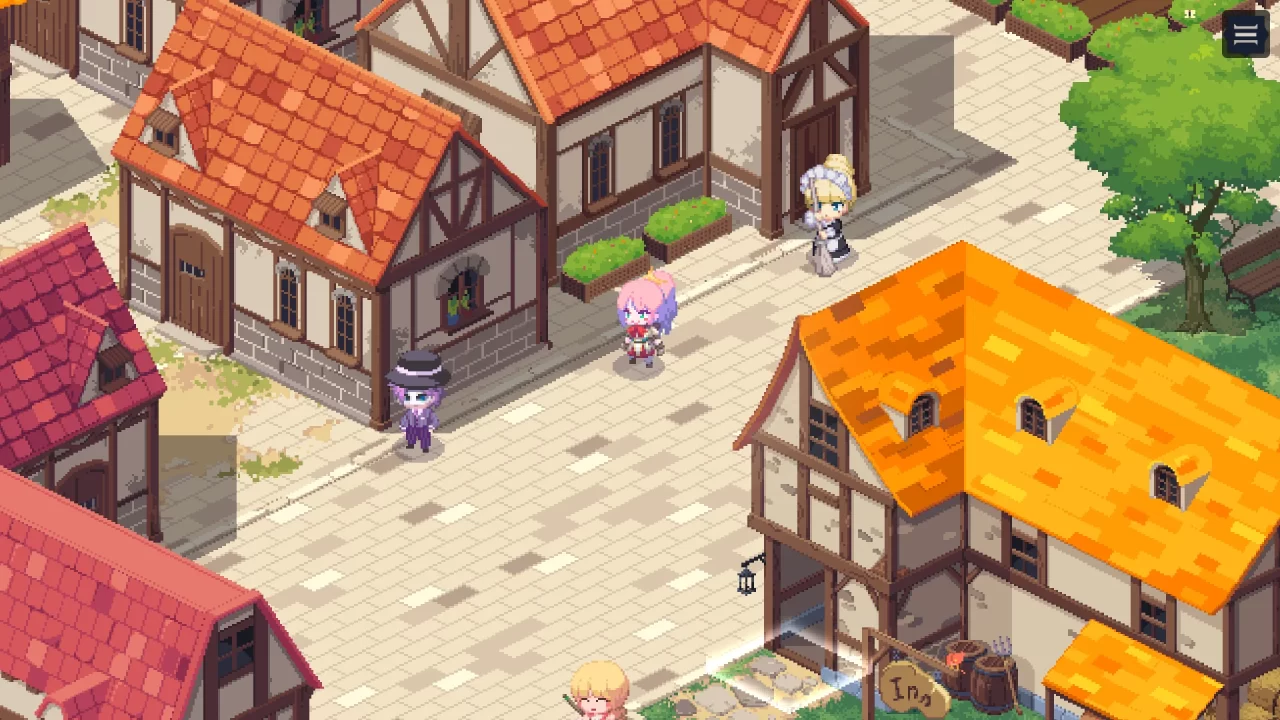
The game’s aesthetic, described by many as "chibi-esque," does not sacrifice visual clarity for cuteness. The vibrant, clean pixel sprites ensure that even in the heat of a complex battle, the battlefield remains readable. This visual design choice is crucial for a game that relies so heavily on isometric unit placement, where every square on the grid can determine the difference between a decisive victory and a crushing defeat.

A Chronology of Development and Anticipation
The journey to the May 28th launch has been one of quiet, steady progression for Kniv Studio. While the project initially flew under the radar of major gaming publications, it gained traction through grassroots support on Steam and social media platforms.
- Initial Concept Phase: Kniv Studio began prototyping the marriage of turn-based movement and card-based skill management, aiming to solve the common issue of "static" combat in grid-based games. By tying abilities to a deck, the developers ensured that players cannot rely on a single "optimal" rotation, forcing them to adapt to their hand.
- The Demo Reveal: Earlier this year, the studio released a public demo on Steam, which acted as a critical proof-of-concept. The demo, offering between 60 and 90 minutes of gameplay, provided players with their first look at the game’s PVE combat loops, including access to roughly twenty unique skill cards and several high-impact ultimate abilities.
- The Launch Trailer: The recent release of the official launch trailer served to galvanize the community. The trailer highlights the fluid animations and the variety of the battlefield environments, solidifying the game’s place as a highlight of the late-May release calendar.
- Final Launch: With the final polish phase concluding, the game is now set to arrive on PC, entering a competitive market that has seen a surge in interest for "cozy but complex" strategy titles.
Mechanical Breakdown: How the System Functions
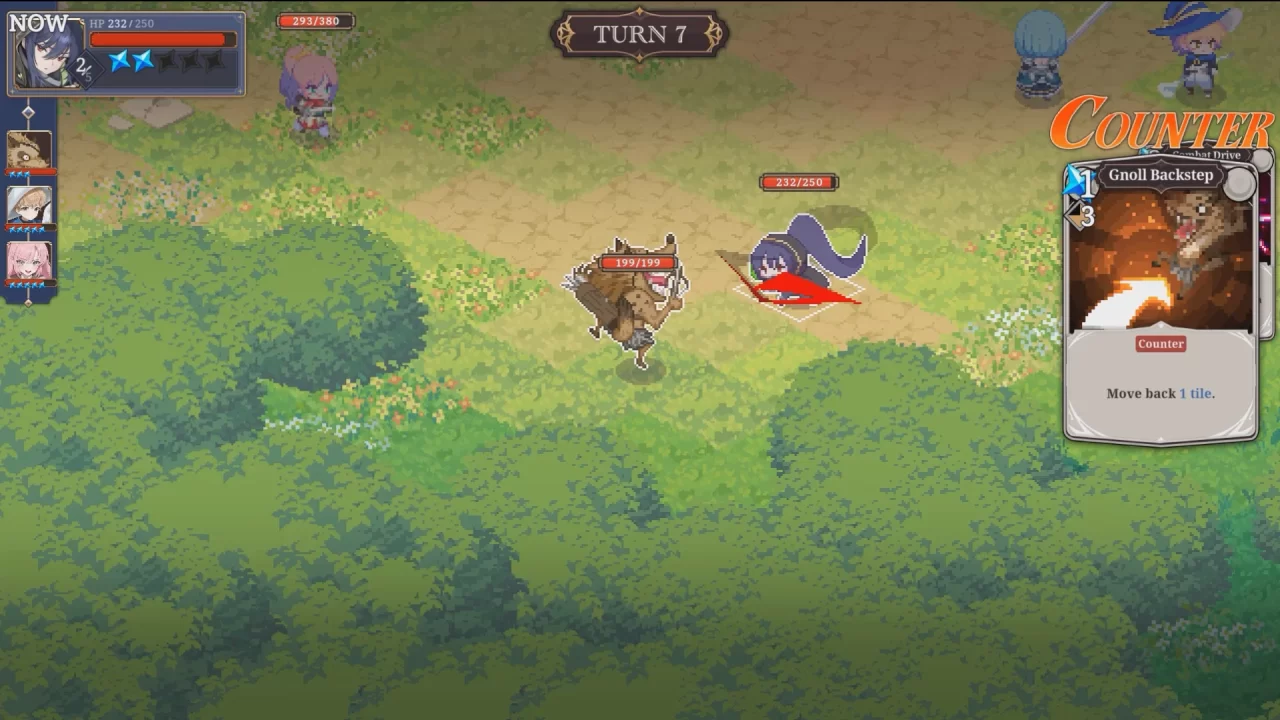
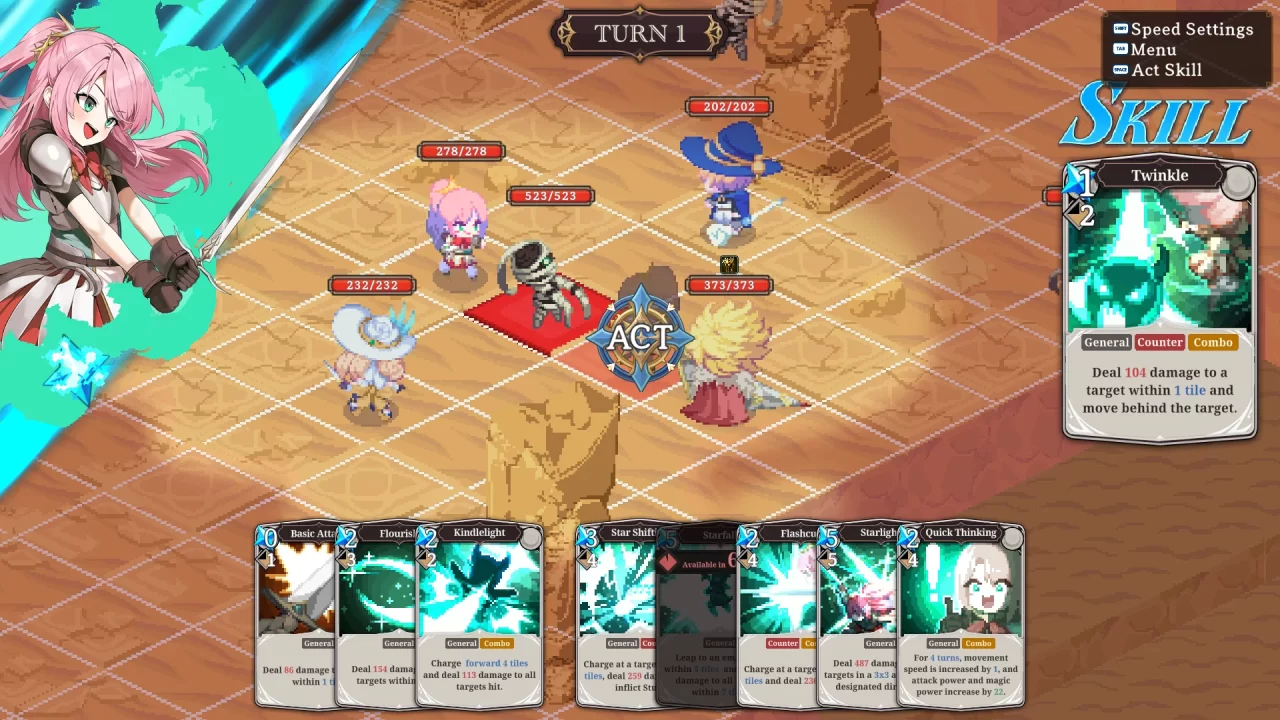
For those interested in the underlying systems, Stardust: Wish of Witch separates itself from its contemporaries through its card-based skill system. In many tactical RPGs, characters have a fixed set of abilities that cool down over time. Here, the player’s agency is mediated through a deck of cards that dictates what actions are possible in a given turn.
The Tactical Grid
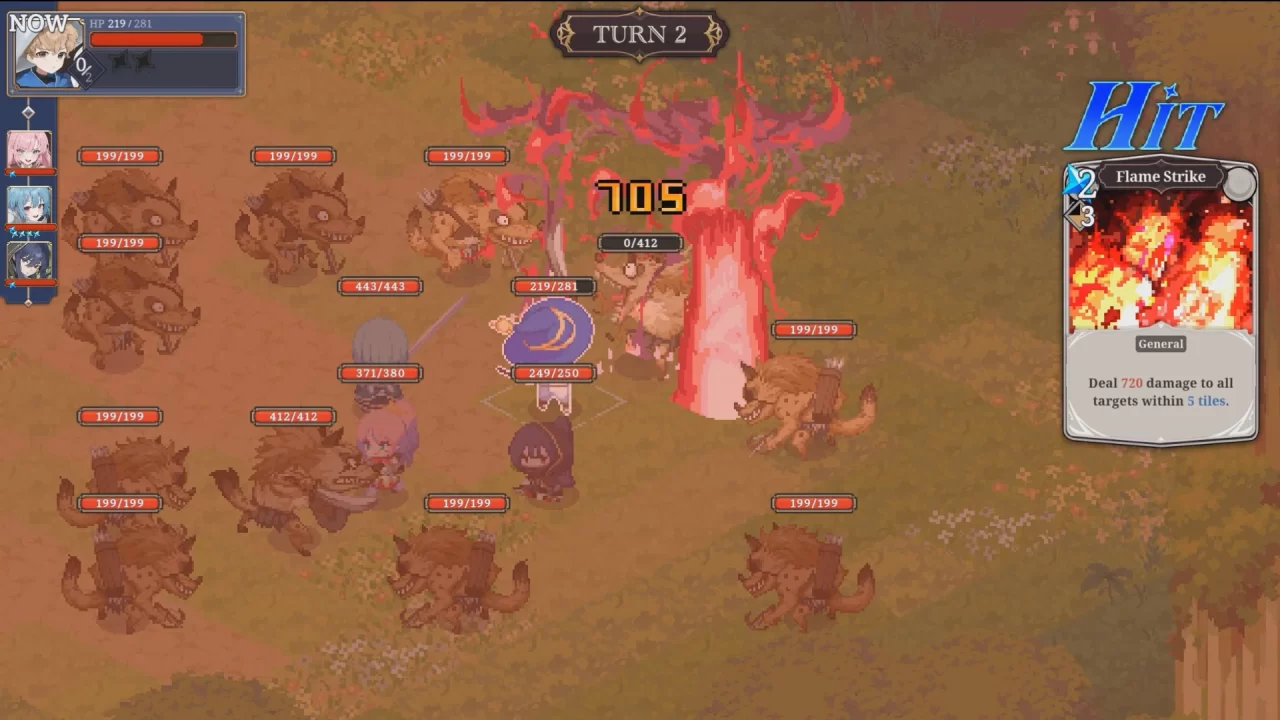
The isometric map is the stage for every conflict. Positioning is not merely about staying out of range; it is about manipulating the board to maximize the impact of your skill cards. Whether it is utilizing terrain features or ensuring your characters are flanking enemies for bonus damage, the spatial element remains the primary driver of success.
Card Management and Ultimate Abilities
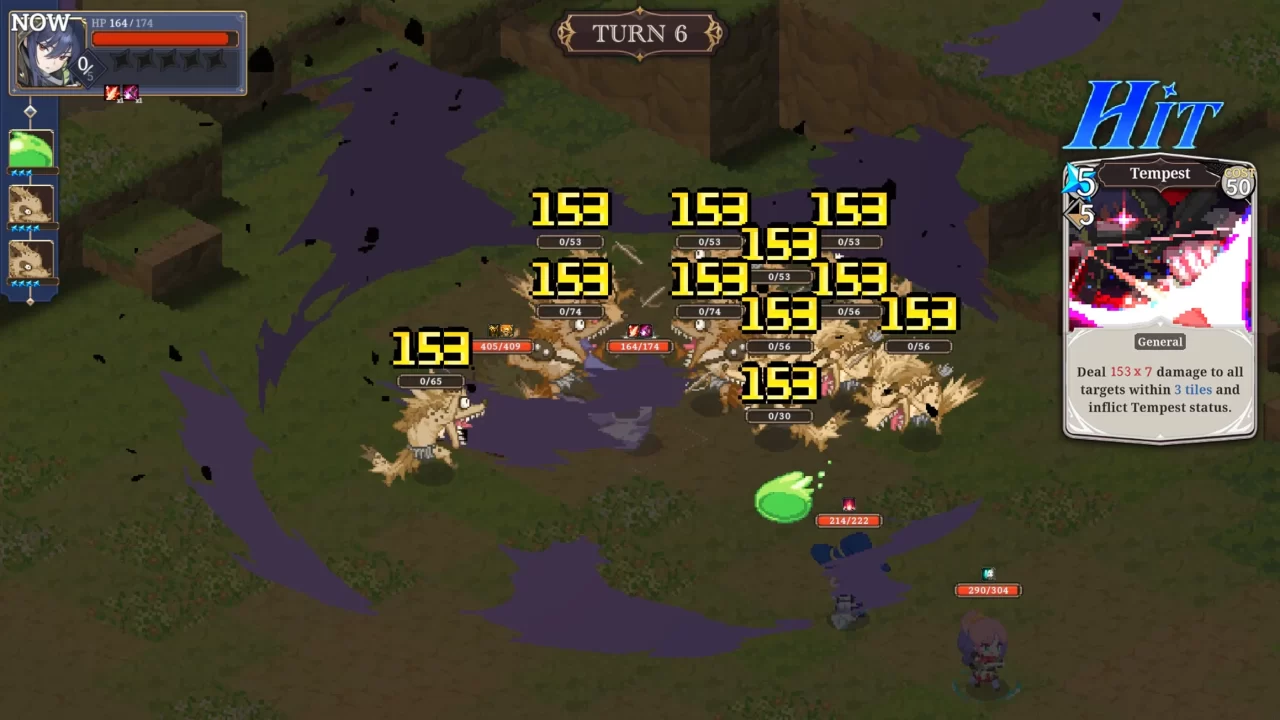
The deck-building component adds a layer of deck-cycling and resource management. Players must balance the cost of playing cards against the long-term goal of building up energy for "Ultimate Abilities." These powerful moves serve as the game’s "trump cards," capable of turning the tide in a battle where the player is outnumbered or outmatched.
The inclusion of full Korean voice acting adds a layer of immersion often reserved for larger, budget-heavy titles, suggesting that Kniv Studio has prioritized a high-quality presentation for its character-driven narrative.
Supporting Data and Technical Specifications
For prospective players, the requirements to run Stardust: Wish of Witch are modest, keeping with the studio’s commitment to accessibility and the clean, efficient nature of the pixel-art style.
- Platform: PC (Steam)
- Release Date: May 28, 2026
- Genre: Strategy RPG / Card-Battler
- Language Support: The title features comprehensive Korean voice acting, emphasizing the studio’s regional roots and narrative focus.
- Content Scope: The initial release promises a robust campaign, building upon the seven PVE battles showcased in the demo. With twenty distinct skill cards and multiple ultimate abilities already confirmed, the potential for build variety is significant.
Developer Philosophy: A Passion for Innovation
When speaking with independent developers, the conversation often centers on the "passion project" aspect of development. Kniv Studio’s approach to Stardust: Wish of Witch reflects this sentiment. By taking two well-established genres—the Strategy RPG and the Deck-Builder—and smashing them together, the studio is taking a calculated risk.
The developer’s decision to include a playable demo is perhaps the most significant indicator of their confidence in the project. By allowing players to experience the gameplay loop before purchase, they are opening themselves to direct feedback and building a community of early adopters who can help shape the game’s post-launch updates.
The Broader Implications for the Genre
The arrival of Stardust: Wish of Witch comes at a time when the "Strategy RPG" label is being redefined by indie developers. We are currently seeing a move away from the "cluttered" UI of mid-2000s tactics games toward cleaner, more readable, and more mechanically focused experiences.
If this game performs well, it could set a precedent for future titles that aim to bridge the gap between casual and hardcore tactical play. The "cozy" aesthetic—often associated with life-sims—being applied to a grid-based strategy game creates a unique contrast that appeals to a broader demographic than the traditional, often grim, military-themed tactical RPG.
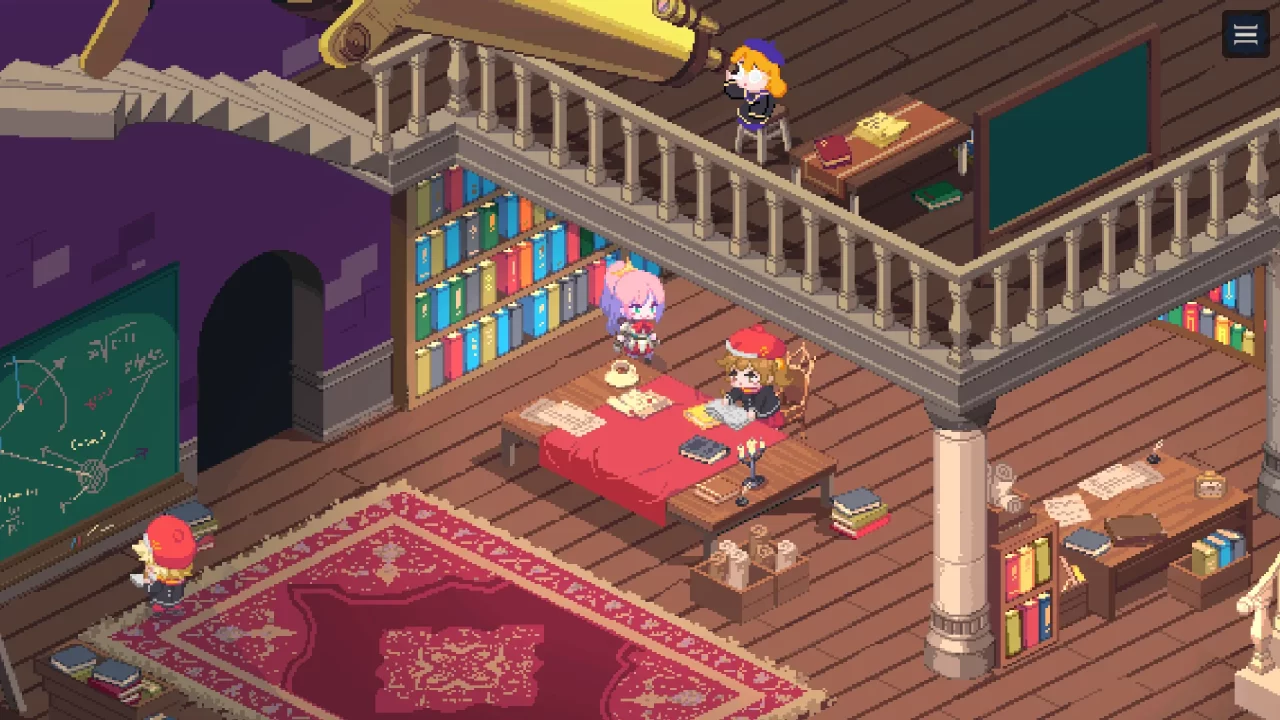
Furthermore, the emphasis on story—focusing on the relationship between Star and Yu—suggests that the game is as much about character growth as it is about stat-based progression. This "narrative-first" approach is a welcome trend in the genre, as it provides a compelling reason for players to engage with the tactical challenges presented to them.
Final Thoughts: Why This Matters
For those who find themselves caught between the desire for the intellectual challenge of a strategy game and the satisfying feedback loop of a card battler, Stardust: Wish of Witch looks like the perfect intersection. Its commitment to a clear visual identity, combined with a willingness to experiment with core mechanics, makes it one of the most intriguing indie releases of the season.
As we look toward the final days of May, the excitement surrounding the release is palpable. Whether you are a veteran of the tactical genre looking for a new challenge or a newcomer drawn in by the charming character art and promising narrative, the title offers a compelling package.
Stay tuned to our future coverage as we move closer to the launch date, where we will be providing deeper analysis on the game’s balancing, character progression, and the ultimate impact of its card-based system on the overall strategy RPG landscape. For those who haven’t yet, the Steam demo remains the best way to prepare for the full experience. It is not just a game about stars; it is a game that is currently shining bright on the radar of every serious RPG enthusiast.











No comments yet. Be the first to join the conversation!