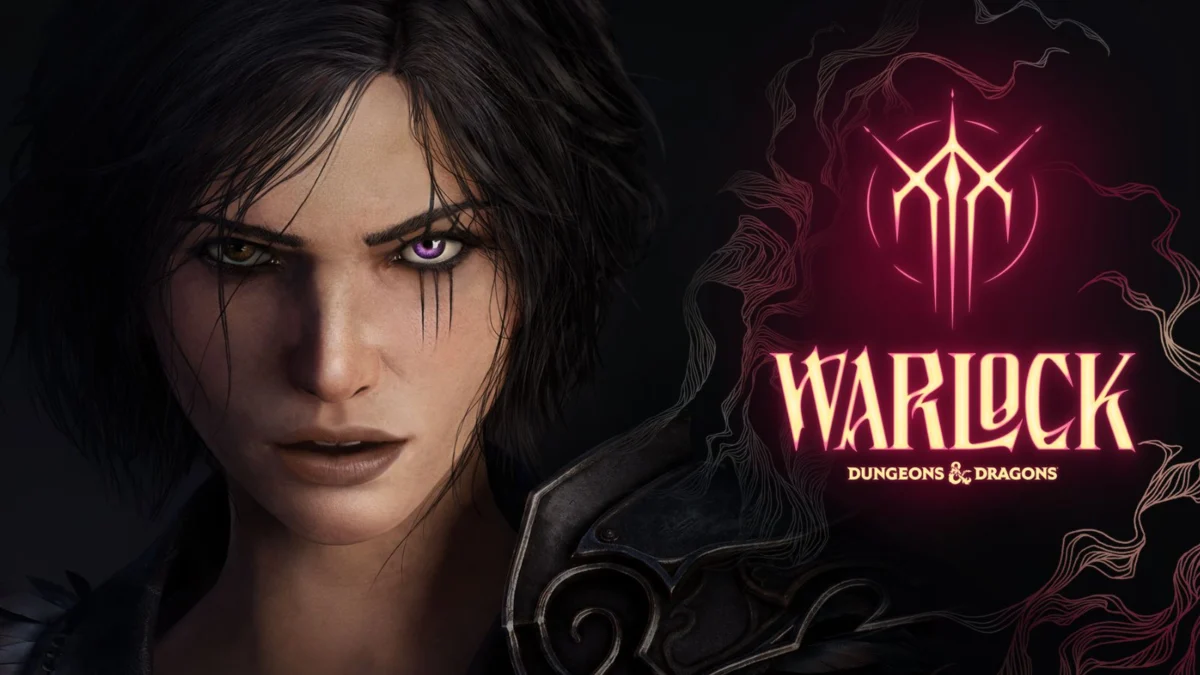
The landscape of Dungeons & Dragons digital adaptations has been irrevocably altered by the monumental success of Baldur’s Gate 3. For years, Larian Studios’ masterpiece set the gold standard for what a tabletop-to-digital translation could look like: a sprawling, turn-based, party-centric epic defined by player choice and infinite reactivity. However, at Gamescom, the industry finally caught its first glimpse of the next chapter in the D&D video game legacy: Warlock. Developed by Invoke Studios, this upcoming title is not merely "another D&D game"—it is a deliberate, calculated departure from the Baldur’s Gate formula, aiming to prove that the multiverse of Dungeons & Dragons has far more to offer than tactical grid-based combat and party management.
The Paradigm Shift: Breaking the Shadow of Baldur’s Gate 3
To understand the significance of Warlock, one must first acknowledge the gravitational pull of its predecessor. Baldur’s Gate 3 is widely regarded as one of the greatest RPGs ever produced, a title that successfully captured the improvisational spirit of a tabletop session. Its success, however, created a dangerous trap for developers: the "Baldur’s Gate 4" expectation.
Invoke Studios has made it clear that Warlock is designed to avoid this trap. While Baldur’s Gate 3 is a love letter to the "CRPG" (Computer Role-Playing Game) genre, Warlock is positioning itself as a third-person, open-world action-adventure. It is a leaner, more focused experience that trades the sprawling, multi-party narrative for a singular, deep-dive character study. By opting for a pre-written story rather than a branching, outcome-heavy narrative, the developers are signaling that they want to tell a specific, tightly curated tale of darkness and obsession rather than a reactive sandbox adventure.
Chronology of a New Domain: The Journey to Darkon
The development of Warlock represents a significant pivot for the D&D brand under Wizards of the Coast’s digital expansion strategy. The project was conceived to explore the "Domains of Dread"—the haunting, gothic horror settings that have long been a fan-favorite element of the tabletop lore.
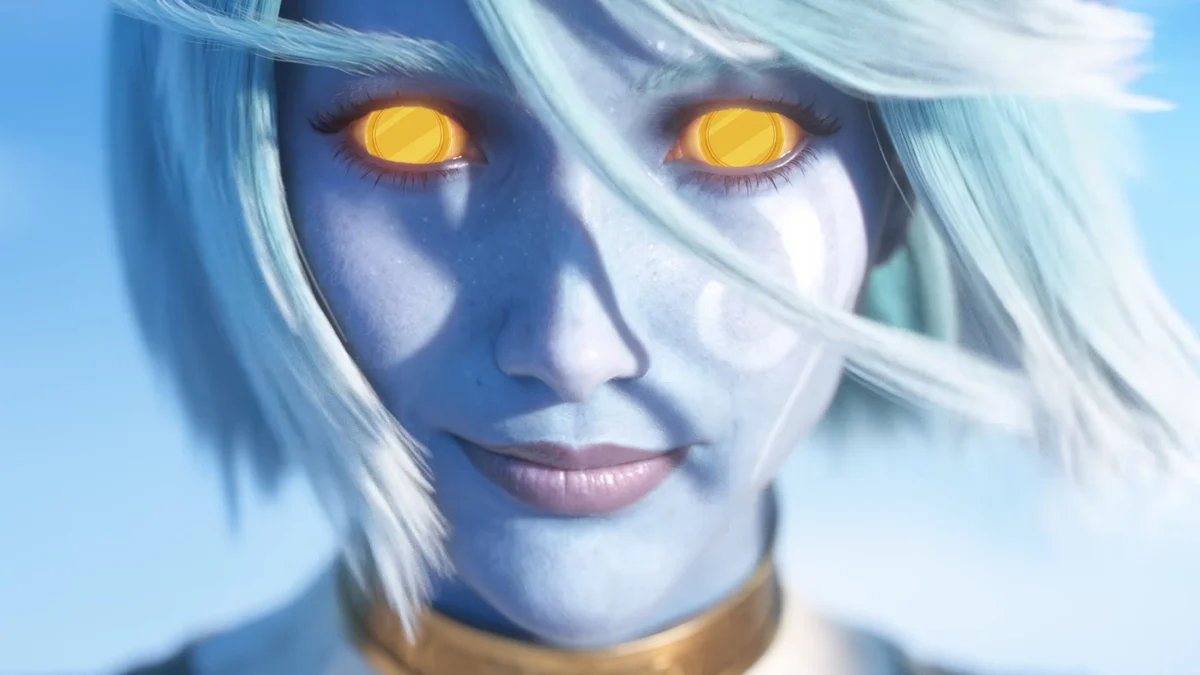
The reveal at Gamescom marked the culmination of months of speculation. The gameplay trailer introduced us to Kaatri, a veteran warrior whose path is inextricably linked to one of the most enigmatic and powerful figures in D&D canon: Tasha. As the mentor and patron to the protagonist, Tasha—an archmage whose history is steeped in chaos and arcane mastery—acts as the catalyst for the game’s central tension.
The game is set in Darkon, a location within the Shadowfell that serves as a visceral antithesis to the vibrant, high-fantasy environments of the Sword Coast. Chronologically, the game follows Kaatri’s descent into this bleak domain, a place where the sun is a myth and the shadows have teeth. As the narrative unfolds, players are tasked with navigating this desolate landscape, searching for a lost loved one, and unearthing the raw, volatile magic that keeps the realm in a state of perpetual despair.
Technical Mechanics: Fluid Combat and Arcane Mastery
Perhaps the most jarring difference between the Baldur’s Gate experience and Warlock is the shift in combat philosophy. Where Baldur’s Gate 3 forces players to stop, think, calculate percentages, and manage action economies, Warlock emphasizes kinetic, real-time engagement.
The Shift to Real-Time Action
The combat in Warlock is fluid and reactive. Players are no longer waiting for their turn; they are dodging, weaving, and utilizing the environment in real-time. The combat system focuses on the synergy between physical prowess and the "Warlock" class’s signature spellcasting. As players progress, they unlock new abilities that can be chained together, allowing for a level of tactical expression that relies on player reflex rather than menu navigation.
The Role of Rituals and Puzzles
The gameplay trailer also highlighted the integration of "ritual features." These are not merely combat buffs; they are tools for environmental interaction. Whether it is manipulating the necrotic energies of Darkon to solve spatial puzzles or channeling raw arcane power to overcome obstacles, the game encourages players to view their character’s power as a multipurpose instrument. It is a departure from the "spell-slot" management of traditional D&D, favoring a more immersive, gameplay-first approach to magic.
Official Responses and Developer Intent
In speaking with the team at Invoke Studios, the message remains consistent: authenticity to the source material does not require adherence to the same format. The developers have emphasized that the D&D multiverse is vast, encompassing everything from high-fantasy heroism to gothic horror and planar exploration.

"We wanted to build a game that feels like D&D, but not necessarily like a tabletop simulator," a lead developer noted during the post-reveal briefing. "When you think of a Warlock, you think of a pact, a dark bargain, and the weight of that relationship. We wanted to capture that psychological burden in a way that an isometric party game simply couldn’t."
By stripping away the party dynamics, the team can focus on the singular relationship between Kaatri and Tasha. It allows the writers to delve deeper into the lore of the Shadowfell without being constrained by the need to balance the backstories of four or five other companions.
Implications for the Future of D&D Gaming
The announcement and subsequent reveal of Warlock have profound implications for the gaming industry’s approach to the Dungeons & Dragons license.
Diversification of the Portfolio
For decades, D&D video games were almost exclusively tied to the CRPG format. Warlock signals that Wizards of the Coast is finally willing to diversify their interactive portfolio. By moving into the action-adventure space, they are positioning D&D to compete with titles like God of War or The Witcher, aiming to capture an audience that may be intimidated by the mechanical complexity of traditional turn-based systems.
The "Darkon" Aesthetic
The success of Warlock may dictate whether we see more games based on specific "Domains of Dread" or other niche D&D settings. If Invoke Studios can successfully deliver a compelling, high-fidelity gothic horror experience, it could open the door for games set in Ravenloft, the Astral Sea, or even the brutalist landscapes of Athas.
A Challenge to the CRPG Status Quo
By deliberately avoiding the "Baldur’s Gate 4" trap, Warlock is actually doing a service to the RPG genre. It prevents market saturation and encourages developers to find new ways to adapt the Dungeons & Dragons ruleset. Instead of everyone chasing the "Larian formula," we are seeing a push toward genre-bending, where the flavor of D&D is the constant, but the experience is variable.
Conclusion: A Grim New Horizon
Warlock is a bold experiment. It is a game that knows exactly what it is—a dark, atmospheric, third-person action-adventure—and it is not afraid to stand in the shadow of giants. While it may lack the sprawling party dynamics and infinite choices of Baldur’s Gate 3, it promises a level of focus and visceral intensity that the D&D video game space has rarely seen.
For players who have spent hundreds of hours traversing the Sword Coast, Warlock will offer a much-needed change of pace. It is an invitation to explore the more macabre corners of the D&D universe, to embrace the dark bargains of a Warlock, and to face the horrors of the Shadowfell head-on. As the game moves toward its eventual release, the gaming community will be watching closely to see if this shift in direction can yield a title that is as memorable, if not as expansive, as the classics that came before it.
One thing is certain: the era of D&D being synonymous with a single genre is over. The multiverse is opening up, and if Warlock is any indication, the future of D&D gaming is going to be significantly darker, faster, and more varied than we ever imagined.