Dwi Wanna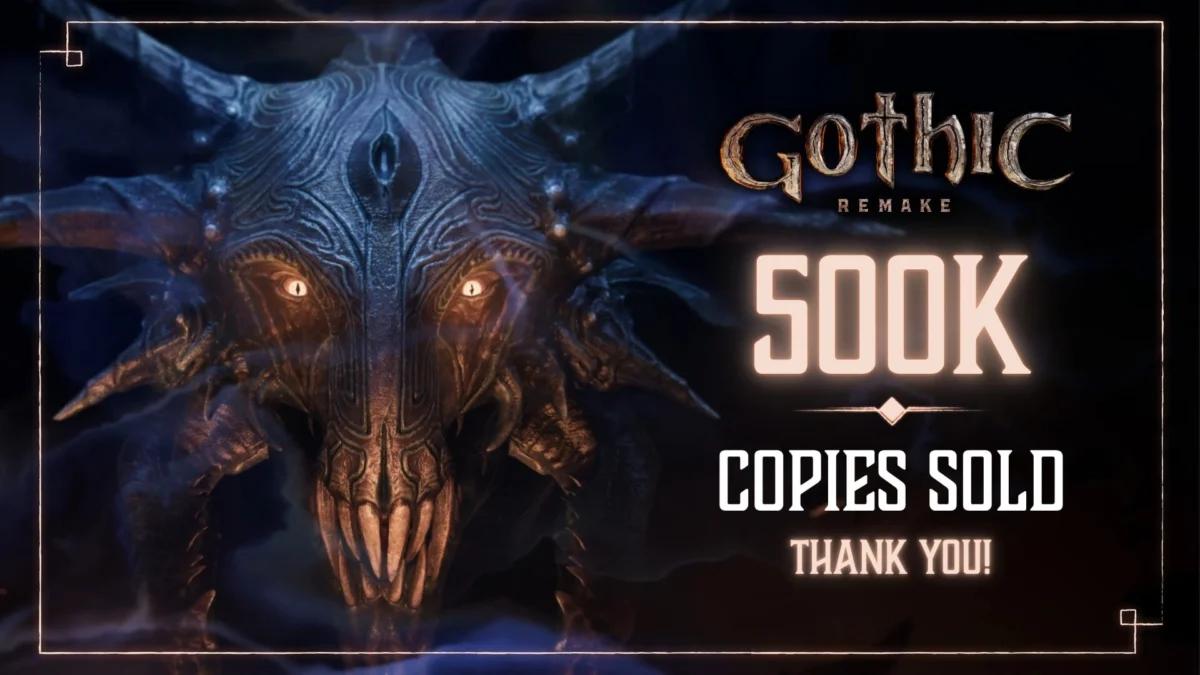
Hamburg, Germany – June 12, 2024 – In a remarkable testament to the enduring appeal of classic role-playing games and the meticulous efforts of modern revitalization, Gothic Remake has achieved a significant commercial milestone. Just one week after its global launch, the ambitious reimagining of the beloved 2001 RPG has sold over 500,000 units across all platforms. This rapid ascent to commercial success has been jointly announced by publisher THQ Nordic and developer Alkimia Interactive, marking a triumphant return for a franchise that has captivated a dedicated fanbase for over two decades.
The news underscores a powerful narrative: the potent combination of nostalgic longing from a passionate community, coupled with a faithful yet modernized execution. The Gothic Remake, which launched on June 5 for PlayStation 5, Xbox Series, and PC via Steam, has not only met but exceeded initial sales expectations, firmly establishing its place as one of the year’s standout releases in the highly competitive RPG landscape.
Main Facts: A Resounding Return to the Colony
Rapid Ascent to Success
The headline news is unequivocal: Gothic Remake has officially surpassed the half-million sales mark within an astonishingly short timeframe of just seven days post-launch. This impressive figure, confirmed by THQ Nordic and Alkimia Interactive, signifies a robust market reception and immediate commercial viability for the title. The game’s availability across current-generation consoles—PlayStation 5 and Xbox Series—as well as the dominant PC platform via Steam, has undoubtedly contributed to its widespread reach.
For a remake of a cult classic, rather than a brand-new AAA IP, this rapid sales pace is particularly noteworthy. It demonstrates a deep-seated anticipation within the gaming community, particularly among long-time fans of the original Gothic, who have patiently awaited a modern rendition of their cherished adventure. The initial success serves as a powerful validation of the development team’s vision and the publisher’s strategic decision to invest in resurrecting such a storied franchise. The sales figures indicate not just a fleeting interest but a genuine hunger for experiences that blend intricate world-building with contemporary graphical fidelity and gameplay refinements.
Chronology: From Announcement to Acclaim
The Genesis of a Remake
The journey of Gothic Remake is deeply rooted in the legacy of its predecessor. The original Gothic, developed by Piranha Bytes and released in 2001, carved out a niche as a gritty, challenging, and immersive RPG, particularly revered in European markets. Its unique atmosphere, non-linear progression, and emphasis on player choice fostered a fiercely loyal community. However, over two decades, the game’s technical limitations and dated visuals made it increasingly inaccessible to newer generations of players, while veterans yearned for a modernized experience.
The seed for a remake was officially planted when THQ Nordic, having acquired the intellectual property rights to the Gothic franchise, released a playable teaser in December 2019. This unexpected reveal, a short prototype built to gauge fan interest, was met with an overwhelmingly positive response from the community. The enthusiastic feedback affirmed THQ Nordic’s conviction that a full-fledged remake was not only desired but demanded by the fanbase. Following this successful proof-of-concept, Alkimia Interactive was established in Barcelona, Spain, specifically to undertake the monumental task of rebuilding the original Gothic from the ground up, ensuring a dedicated focus on the project’s specific needs and challenges.
Development Journey and Anticipation
The development of Gothic Remake was a careful balancing act, aiming to preserve the soul and intricate mechanics of the original while implementing modern gameplay systems, visual fidelity, and quality-of-life improvements. Developers at Alkimia Interactive faced the delicate challenge of updating combat, refining character models, overhauling environments, and enhancing the user interface without alienating the core fanbase that cherished the original’s distinct identity. This often involved extensive community engagement, sifting through feedback, and making iterative changes to ensure the remake felt both fresh and familiar.
Throughout its development, anticipation for the Gothic Remake steadily grew. Regular updates, developer diaries, and gameplay showcases kept the community engaged, fostering a sense of involvement and transparency. The promise of exploring the familiar, yet vastly improved, penal colony of Khorinis with cutting-edge graphics and refined controls ignited excitement among both returning veterans and prospective new players curious about a legendary title. The marketing campaign judiciously highlighted the game’s commitment to its roots while showcasing the significant technological leaps, effectively building a crescendo of anticipation leading up to its release.
Launch Day and Immediate Impact
June 5, 2024, marked the culmination of years of development and anticipation as Gothic Remake officially launched across its target platforms. The immediate impact was palpable, especially on the PC platform. Players flocked to Steam, eager to embark on their journey into the penal colony once more, or for the very first time. The initial hours and days post-launch saw a surge in player activity, demonstrating the strong pent-up demand.
The buzz around the game quickly escalated, fueled by live streams, social media discussions, and early player impressions. This organic momentum was crucial in driving initial sales figures. The rapid accumulation of 500,000 units sold within just seven days is a clear indicator that the game resonated powerfully with its target audience right out of the gate, translating anticipation into tangible commercial success and setting a high bar for its ongoing performance.
Supporting Data: Metrics of a Stellar Performance
Digital Dominance and Player Engagement
The immediate success of Gothic Remake is not solely reflected in sales figures but also in robust player engagement metrics, particularly on Steam. Just two days after its launch, on June 7, the game reached an impressive peak of nearly 78,000 concurrent players on the platform. This figure is a critical indicator of a game’s immediate popularity and its ability to capture a significant portion of the PC gaming audience. For an RPG, especially one with a strong narrative focus rather than purely competitive multiplayer, such a high concurrent player count signifies strong initial interest and sustained play sessions. It places Gothic Remake in a league with other successful RPG launches and demonstrates effective server infrastructure and a smooth launch experience for a large user base. The sustained engagement beyond launch day points to the game’s ability to hold players’ attention, crucial for long-term success.
Community Reception and Critical Consensus
Beyond raw player numbers, the sentiment among the player base has been overwhelmingly positive. On Steam, the game has already accumulated more than 15,000 user reviews, with a remarkable 85 percent rating it as "Very Positive." This strong endorsement from players is invaluable, especially for a remake, as it indicates that Alkimia Interactive successfully navigated the delicate balance between modernization and fidelity to the original.
Common themes emerging from these positive reviews highlight several key strengths. Players frequently praise the game’s immersive atmosphere, noting how the updated graphics and sound design enhance the grim, fantastical world of Khorinis. Many commend the modernized combat system, which, while still challenging, offers a more fluid and responsive experience compared to the original. The faithful recreation of the original’s intricate questlines, meaningful character interactions, and open-ended exploration are also consistently lauded. Players appreciate the attention to detail in preserving the unique identity of Gothic while addressing some of the rough edges of its two-decade-old predecessor. While minor criticisms, as is common with any large-scale RPG launch, might touch upon occasional performance quirks or small bugs, these appear to be largely overshadowed by the overall positive sentiment regarding the game’s core experience and the quality of the remake. The widespread positive reception also undoubtedly benefits from the significant visibility provided by streamers and content creators who have showcased the game to their audiences, further amplifying its reach and appeal.
Market Context and Genre Performance
The success of Gothic Remake must be viewed within the broader context of the current gaming market, which has shown a strong appetite for high-quality remakes and remasters. Over recent years, titles like the Resident Evil remakes, Final Fantasy VII Remake, and Demon’s Souls have demonstrated that revisiting beloved classics with modern technology can be both critically acclaimed and commercially lucrative. Gothic Remake now firmly aligns with this trend, proving that even cult classics with a more niche, albeit passionate, following can achieve mainstream commercial success when handled with care.
The enduring appeal of open-world fantasy RPGs also plays a significant role. This genre consistently ranks among the most popular, with players seeking rich narratives, expansive worlds to explore, deep character progression, and meaningful choices. Gothic Remake taps directly into this demand, offering a distinctive, grittier take on the fantasy RPG formula that differentiates it from more conventional offerings. Its success underscores that there is a robust market for diverse RPG experiences, and that an established, well-regarded IP, when given a proper contemporary overhaul, can thrive.
Official Responses: Gratitude and Future Commitments
THQ Nordic and Alkimia Interactive’s Jubilation
In the wake of this astounding success, both the publisher and the development studio have expressed profound gratitude and excitement. The official press release conveyed a sentiment of collective triumph: "Alkimia Interactive and THQ Nordic are thrilled by this initial success and extend a heartfelt thank you to all players who have entered the Colony so far—and especially to all of the long-time dedicated fans who have supported the Gothic franchise over the past 25 years," THQ Nordic stated. This quote encapsulates the deep appreciation felt by both entities, acknowledging that the achievement is a direct result of player enthusiasm and loyalty. The "thrilled" sentiment highlights not just commercial satisfaction but also the emotional payoff of seeing a long-held vision come to fruition and resonate so strongly with the audience.
A Nod to Legacy and Loyalty
The emphasis on thanking "long-time dedicated fans" is particularly poignant. It recognizes the foundational role of the Gothic community, whose persistent advocacy and love for the original game were instrumental in convincing THQ Nordic to greenlight the remake project in the first place. For two and a half decades, these fans have kept the flame of Gothic alive, through mods, fan discussions, and consistent expressions of desire for a modern iteration. This success is, in many ways, a shared victory—a testament to the power of a passionate community to influence the trajectory of a beloved franchise. The statement, "This milestone would not have been possible without such a passionate community," is not mere corporate rhetoric; it’s an honest acknowledgment of the critical role the fanbase played in shaping the remake’s journey and ultimately contributing to its commercial triumph. This level of community engagement and appreciation sets a positive precedent for future projects within the THQ Nordic portfolio.
The Road Ahead: Ongoing Support and Evolution
Looking forward, the developers and publisher are not resting on their laurels. The announcement also included a firm commitment to the game’s future. "This marks only the beginning. Alkimia Interactive will continue to support and improve the Gothic Remake in the weeks and months ahead," the press release continued. This pledge signifies a dedication to ensuring the game’s longevity and addressing any post-launch feedback or technical refinements.
Typically, this commitment translates into a robust post-launch roadmap that includes patches to fix bugs, performance optimizations to ensure a smooth experience across various hardware configurations, and potentially quality-of-life updates based on community input. For a complex RPG like Gothic Remake, ongoing support is crucial for maintaining player satisfaction and attracting new players over time. This promise reinforces the idea that the 500,000-unit milestone is not an end goal but a significant stepping stone in the ongoing life cycle of the game, indicating a long-term investment from both Alkimia Interactive and THQ Nordic to nurture the Gothic Remake and its community. It also hints at the potential for future content or expansions, although no specific details have been announced, the phrasing "only the beginning" suggests an expansive vision for the game’s future.
Implications: Beyond the Colony’s Walls
Reinforcing the Remake Renaissance
The phenomenal success of Gothic Remake provides further compelling evidence for the ongoing "remake renaissance" in the video game industry. It underscores that, when executed with care and respect for the source material, remakes are not just nostalgic cash grabs but can be critically and commercially successful ventures. For publishers, remakes often represent a lower-risk investment compared to entirely new intellectual properties, as they come with a built-in fanbase and a proven gameplay loop. This success will likely encourage THQ Nordic and other publishers to delve deeper into their back catalogs, identifying other classic titles ripe for modern reimagining. It strengthens the argument that there’s a significant market segment eager to revisit foundational gaming experiences through a contemporary lens.
Alkimia Interactive’s Future and THQ Nordic’s Strategy
For Alkimia Interactive, the studio specifically formed to tackle the Gothic Remake, this achievement is a monumental validation of their capabilities. It firmly establishes them as a proficient developer of large-scale, complex RPG remakes. This success will undoubtedly bolster the studio’s reputation and could pave the way for future projects, potentially including further remakes within the Gothic universe (e.g., Gothic 2 Remake) or entirely new RPG ventures. THQ Nordic’s strategy of acquiring and nurturing niche or classic IPs, then empowering dedicated studios like Alkimia Interactive to revitalize them, has proven incredibly effective. This approach allows for focused development and a deep understanding of the source material, which is critical for satisfying discerning fanbases. The Gothic Remake‘s success reinforces this strategic pillar for the publisher, indicating a likely continuation of this model.
The Enduring Power of European RPGs
Gothic Remake‘s triumph also shines a spotlight on the unique and enduring appeal of European RPGs. Often characterized by their gritty realism, complex moral choices, and distinct world-building that can be less fantastical and more grounded than their Japanese or North American counterparts, games like Gothic, The Witcher, and Elex have cultivated a devoted following. The remake’s strong performance suggests that there is a significant global audience hungry for these specific flavors of role-playing experiences, which often prioritize immersion and player agency over streamlined accessibility. This success could encourage more investment in similar titles and further cement the distinct identity of the European RPG genre within the global gaming landscape.
Community as a Catalyst for Success
Finally, the Gothic Remake‘s journey from a fan-demanded concept to a half-million-selling reality serves as a powerful case study for the critical role of community in modern game development. The active engagement, feedback, and passionate advocacy of the Gothic fanbase were not just a nice-to-have but a fundamental catalyst for the project’s existence and its eventual success. In an industry increasingly shaped by player feedback, this achievement underscores that listening to and collaborating with a dedicated community can transform a risky venture into a resounding triumph. It highlights that the relationship between developers, publishers, and players is more symbiotic than ever, with community passion capable of directly influencing commercial outcomes and shaping the future of beloved franchises.

 Lina Irawan
 Sagoh
Sagoh