


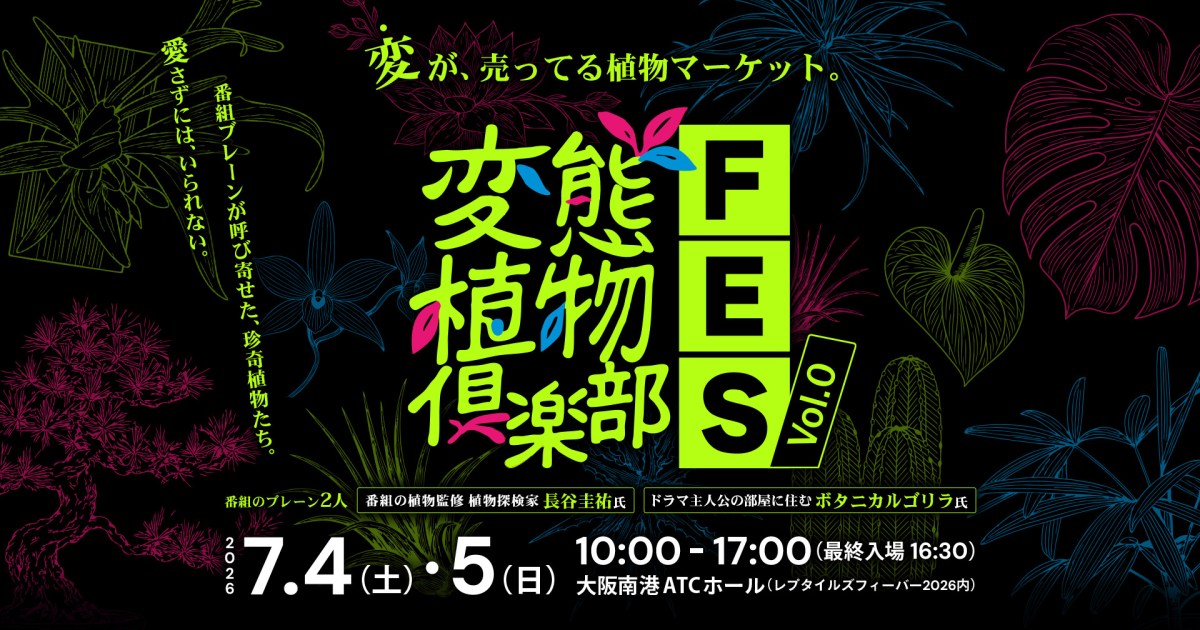
In the digital age, the word "hentai" has become synonymous with a specific genre of adult-oriented Japanese media. However, this summer in Osaka, a groundbreaking exhibition is reclaiming the term, stripping away its prurient associations to return to its literal linguistic roots: metamorphosis.
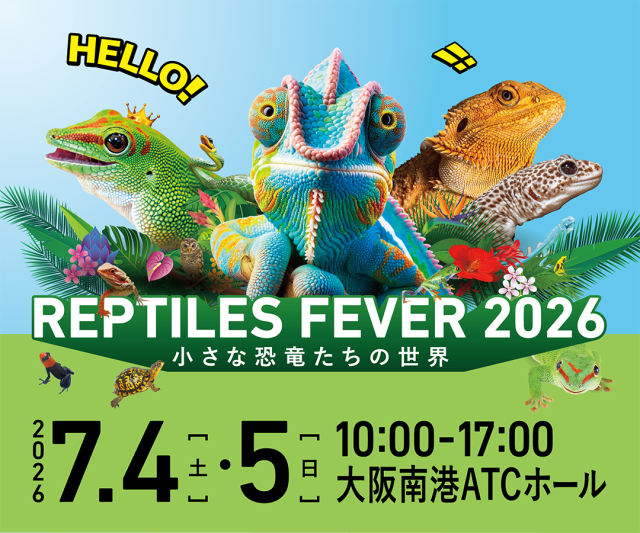
The "Hentai Shokubutsu Club" (The Metamorphosis Plant Club), hosted at the Osaka Nanko ATC Hall from July 4 to July 5, 2026, promises a deep dive into the evolutionary brilliance of flora that defy conventional aesthetics. By showcasing plants that have undergone radical structural transformations to survive, the event offers a sophisticated look at botanical science, far removed from the internet slang that typically dominates search results.
Main Facts: The Intersection of Science and Aesthetics
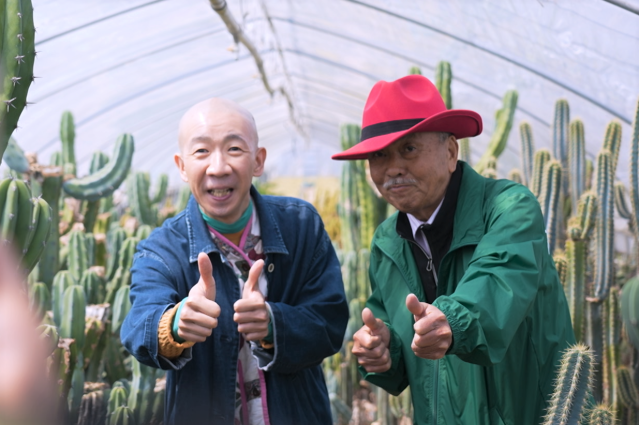
The exhibition is far from a niche gardening show. It is a curated celebration of biological adaptability. The event, inspired by the Japanese television series of the same name, is spearheaded by two prominent figures in the botanical community: celebrity plant explorer Keisuke Hase and the influential Tokyo-based plant curator known as "Botanical Gorilla."
The core mission of the Hentai Shokubutsu Club is to educate the public on "hentai"—defined here as the morphological changes plants adopt to master hostile environments. Whether through the development of water-storing leaves, specialized traps for nutrients, or defensive structural armaments, these plants represent the "avant-garde" of the natural world.
Featured Botanical Wonders
The exhibition will feature over 20 specialized vendors, each offering a unique perspective on plant evolution. Key highlights include:
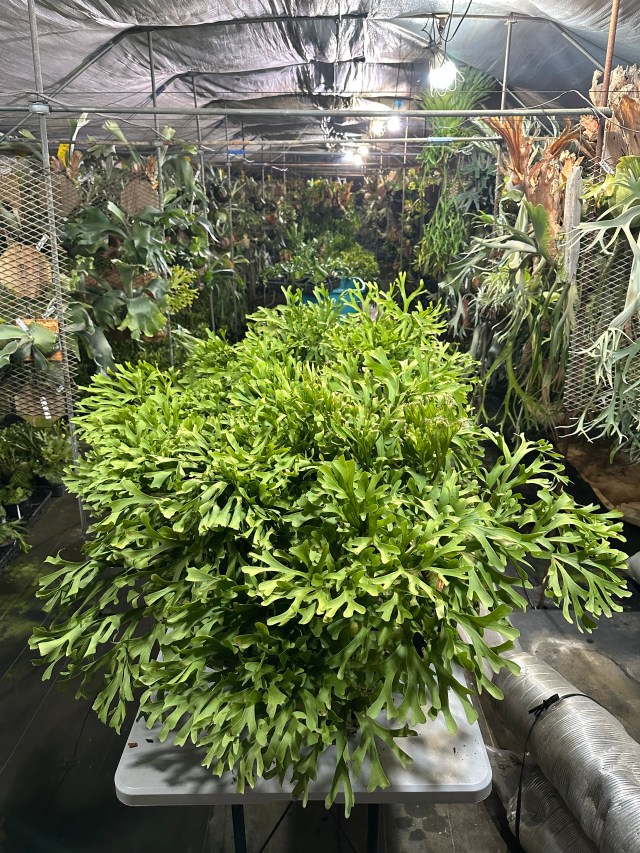
- Platycerium (Staghorn Ferns): Represented by the Saitama-based specialist Groote Plantage, these ferns are famous for their leaf dimorphism. Visitors will observe how these plants produce two distinct types of leaves: one designed to anchor the plant and gather organic debris, and the other to maximize photosynthetic efficiency in the canopy.
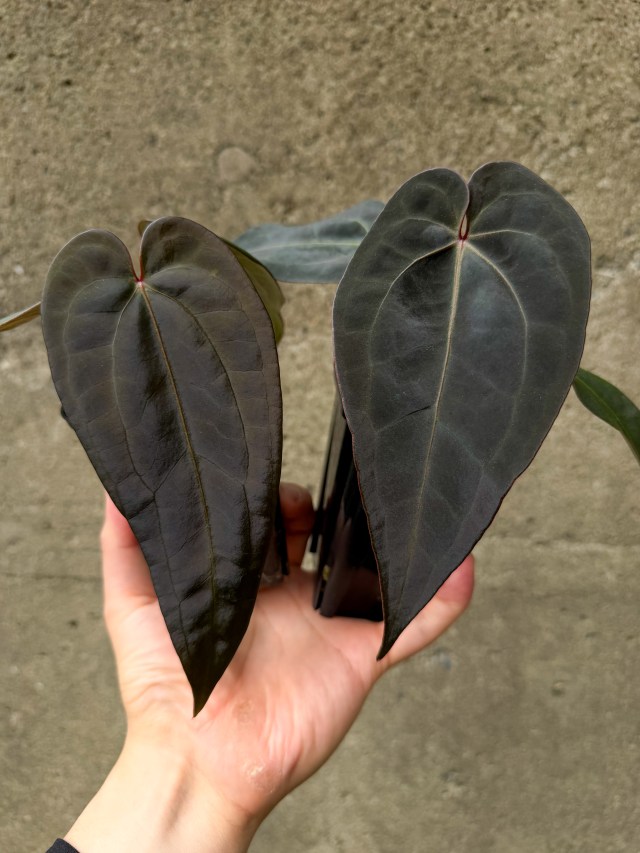
- Anthurium: Curated by the Osaka-based Acu’s Forest, the focus here is on the deceptive nature of the plant’s anatomy. The "flowers" that catch the human eye are actually specialized leaves (spathes) designed to lure pollinators, while the true reproductive structures remain microscopic. The exhibit will highlight velvet-textured variants with unique vein patterns.
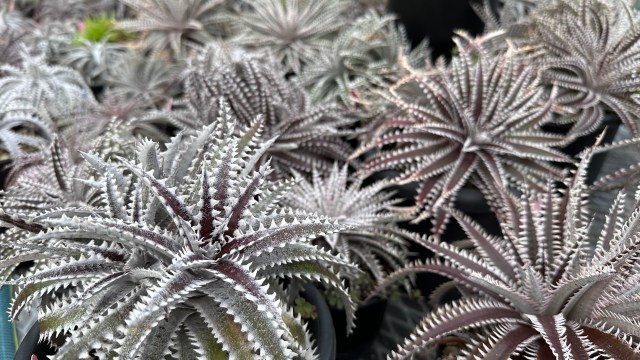
- Dyckia: Experts from Thorns and Leaves will present these resilient bromeliads. Originally evolved for life on arid cliffs, these plants have transformed their foliage into biological water reservoirs, shielded by vicious, protective thorns to deter herbivores.
Chronology: A Weekend of Discovery
The event is strategically scheduled for the first weekend of July, positioning itself as a must-visit cultural destination for both casual enthusiasts and serious collectors.
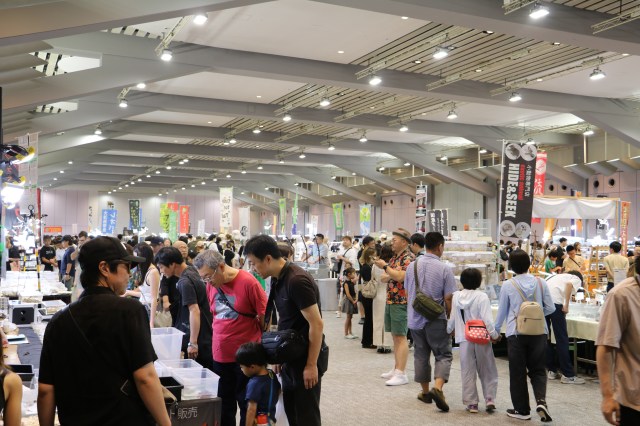
- July 4 (Opening Day): The doors open at 10:00 a.m. at the Osaka Nanko ATC Hall. The morning session is expected to draw a crowd of serious hobbyists looking to secure rare specimens from the 20 featured vendors before they sell out.
- July 5 (Closing Day): The final day offers a more relaxed atmosphere, perfect for families and those interested in the educational components of the exhibit. The event concludes at 5:00 p.m., with last entries permitted at 4:30 p.m.
The venue, located a short walk from the Trade Center Mae station on the New Tram Line, is easily accessible, making it a focal point for the regional botanical community.
Supporting Data: The Scale of "Reptiles Fever 2026"
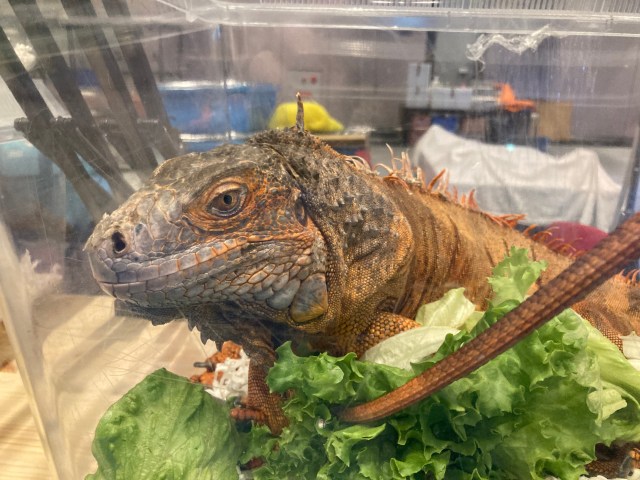
Perhaps most intriguing is the context in which this botanical exhibition is hosted. The Hentai Shokubutsu Club is a featured sub-event within Reptiles Fever 2026, which stands as the largest reptile and amphibian exposition in Western Japan.
This synergy between the botanical and reptilian worlds is not merely coincidental. As interest in "bioactive terrariums"—enclosures that replicate a natural ecosystem—continues to surge, the demand for exotic, hardy plants that can thrive alongside reptiles has reached an all-time high.
Data from the event organizers suggests a growing trend in the pet-keeping hobby: moving away from sterile, plastic environments toward complex, living micro-habitats. The plants on display at the Hentai Shokubutsu Club are not just aesthetic centerpieces; they are functional components of a self-sustaining environment that provides natural cover, humidity regulation, and enrichment for reptiles and amphibians.
Official Responses and Curatorial Vision
The organizers of the event have leaned into the provocative nature of the name to generate public interest while maintaining a high standard of academic and artistic rigor. By partnering with figures like Keisuke Hase, the event gains credibility within the scientific community, ensuring that the "metamorphosis" aspect is not lost in the branding.
In a recent press statement, the organizers emphasized that the goal is to bridge the gap between "hardcore" botanical science and the general public. By presenting these plants as "eccentric" or "strange," they aim to spark a sense of wonder in a generation more accustomed to digital screens than the slow, deliberate growth of a fern or bromeliad.
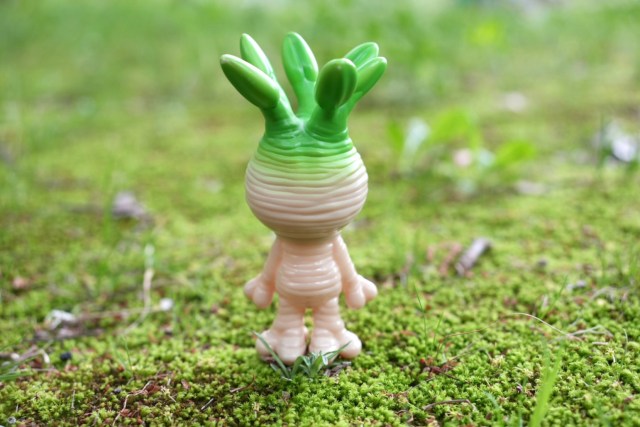
The inclusion of quirky collectibles, such as the Mandragora figures by B-The-U, serves to soften the experience, making the event approachable for families who might be attending the broader Reptiles Fever expo.
Implications: The Future of the Botanical Hobby
The success of the Hentai Shokubutsu Club could signal a shift in how niche plant hobbies are marketed in Japan. By leveraging social media influencers like "Botanical Gorilla" and tying the event to a massive, established trade show, the organizers are effectively expanding the demographic of plant enthusiasts.
Environmental and Ethical Considerations
A critical component of this year’s event is the emphasis on ethical sourcing. Groote Plantage, for instance, highlights their direct involvement in Thailand to ensure high-quality, sustainably sourced plants. This transparency is becoming increasingly vital in the exotic plant trade, where concerns about over-harvesting from the wild often loom large. By promoting domestic breeding and responsible importation, the Hentai Shokubutsu Club sets a standard for the industry.
The Rise of Bioactive Home Environments
The partnership with the reptile community carries significant implications for the future of indoor gardening. As more urban dwellers in Japan look to reconnect with nature within their limited living spaces, the "bioactive terrarium" is becoming a primary vehicle for this connection. The plants being showcased—chosen for their ability to thrive in unique conditions—are perfectly suited for this evolution in home decor and animal husbandry.
Visitor Information and Logistics
For those planning to attend, organizers have streamlined the entry process to accommodate the expected high volume of visitors.
- Advance Tickets: Priced at 1,200 yen (approx. $7.50 USD), tickets are available via Rakuten Travel, Lawson Ticket (Code: 54813), and 7-Eleven Ticket (Code: 115-554). Purchasing in advance is highly recommended to avoid queues.
- Day-of Tickets: Available at the door for 1,400 yen.
- Venue Address: 2-1-10 Nankokite, Suminoe-ku, Osaka-shi, Osaka.
Whether one is a serious collector of rare bromeliads, a hobbyist reptile breeder, or simply a curious member of the public looking to explore the "stranger" side of the plant kingdom, the Hentai Shokubutsu Club offers a unique, albeit provocatively titled, experience. It serves as a reminder that nature, in all its "metamorphosed" glory, is often far more imaginative than the fiction we create about it.
As the event approaches, the buzz surrounding the Hentai Shokubutsu Club serves as a testament to the enduring appeal of the natural world—and a clever reminder that sometimes, to capture the public’s attention, you have to be willing to play with words as much as you play with plants.












No comments yet. Be the first to join the conversation!