

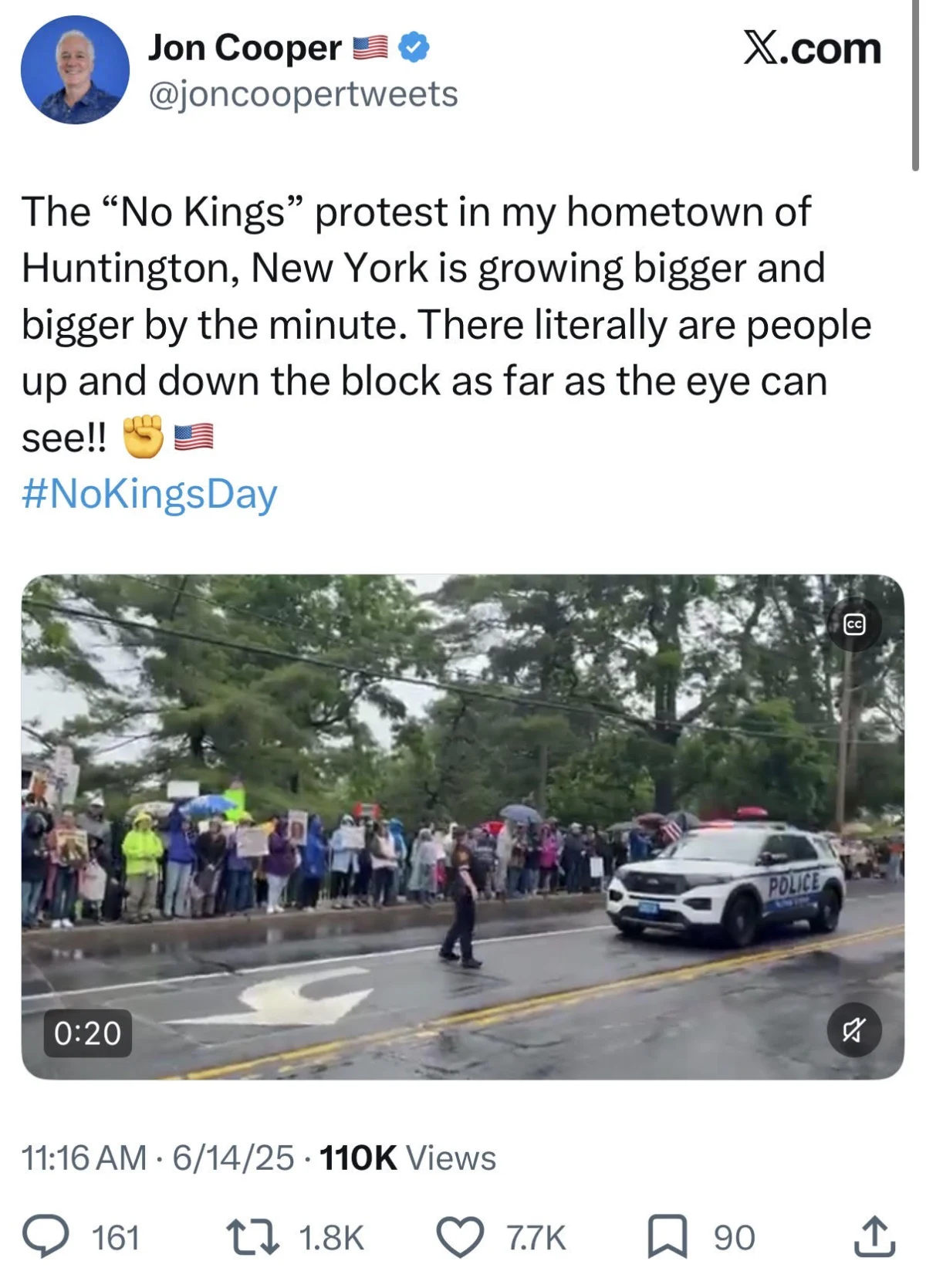
In the modern era, the intersection of technology and governance has evolved from a secondary campaign tool into the primary arena of political discourse. Whether viewed as a transformative force for democratization or a corrosive influence on public trust, social media has fundamentally rewritten the rules of political engagement. As we navigate the political landscape of 2026, the digital town square has become the most critical battleground for candidates, policymakers, and voters alike.
The Evolution of Political Influence: Key Facts and Figures
The shift toward digital-first politics is not merely a trend; it is a financial and cultural reality. During the 2024 U.S. presidential election, political stakeholders poured more than $1.9 billion into digital advertising. Meta emerged as the industry leader, processing over $1 billion in political ad spend, signaling that the platform remains the most influential hub for voter outreach.

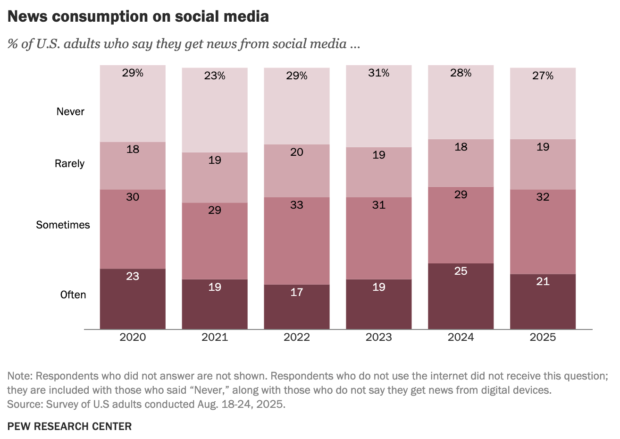
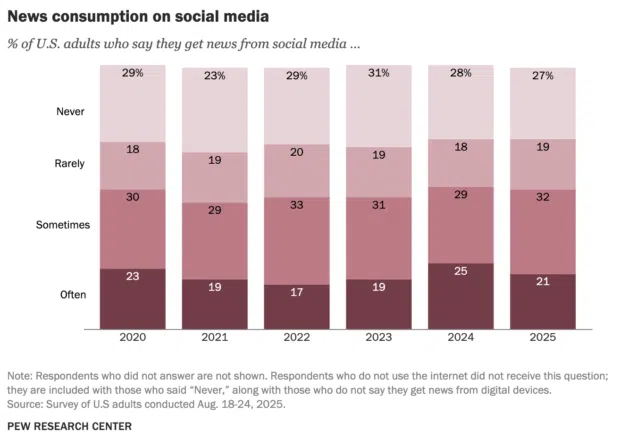
The consumption of news has undergone a seismic shift. According to the Pew Research Center, one in five U.S. adults now relies on social media as their primary source of news, with an additional 32% turning to these platforms "sometimes." This migration away from traditional broadcast and print media toward algorithmic feeds has profound consequences for how narratives are shaped.
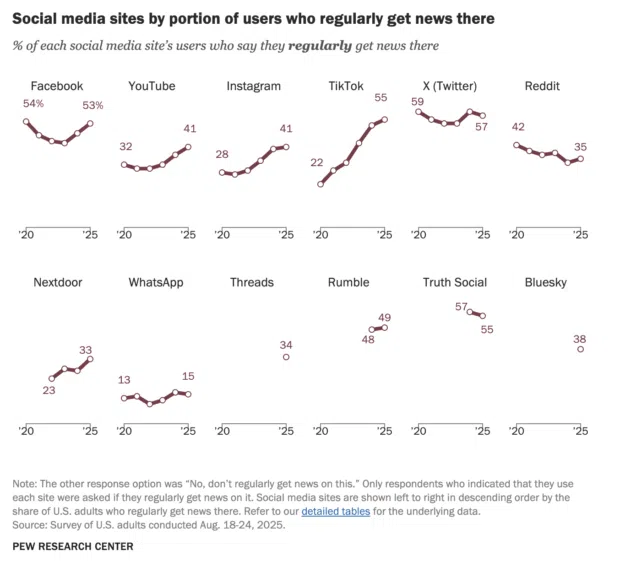
On platforms like X (formerly Twitter), 57% of users identify the site as their primary venue for tracking political developments. TikTok and Facebook follow closely behind at 55% and 53%, respectively. Furthermore, social media has evolved into a tool for self-selection; 50% of users report that these platforms are essential for finding like-minded individuals, a statistic that underscores the deepening of ideological silos.

A Chronology of Digital Transformation in Politics
The trajectory of social media in politics can be traced through distinct phases:
- The Early Awareness Phase (2008–2012): Social media was largely used as a broadcasting tool for candidates to share press releases and simple updates. It served as a digital billboard rather than a two-way communication channel.
- The Targeted Engagement Phase (2016–2020): Campaigns began leveraging big data to run hyper-targeted advertisements. This era saw the rise of sophisticated voter profiling and the weaponization of viral misinformation, forcing platforms to implement stricter verification processes.
- The Direct-to-Voter Era (2020–Present): With the rise of short-form video and live-streaming, politicians like Representative Alexandria Ocasio-Cortez successfully utilized platforms like Twitch to bypass traditional media intermediaries. By 2026, the "influencer" model has become a staple of political communication, with 38% of adults aged 18 to 29 reporting that they get their news directly from digital creators.
Data-Driven Realities: The Impact on Public Opinion
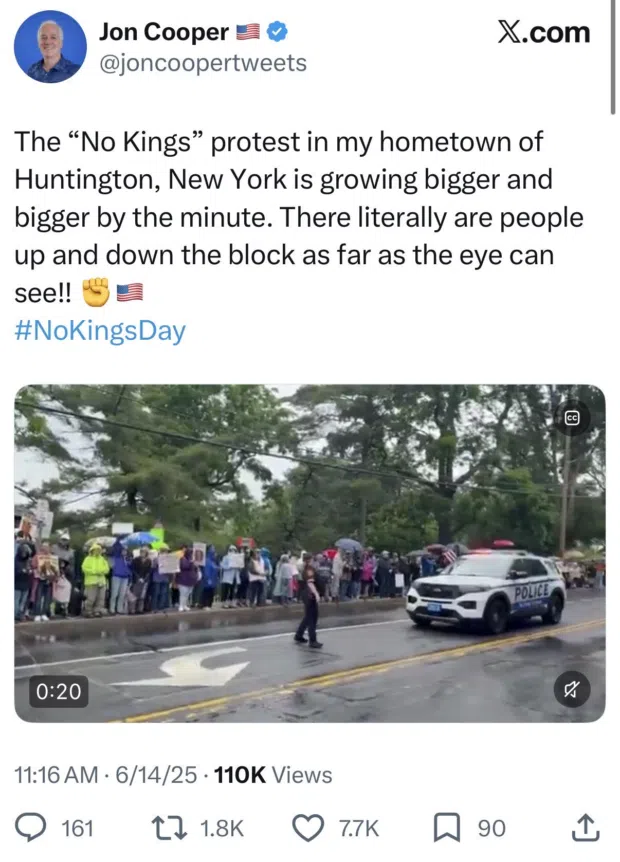
The power of social media in 2026 lies in its ability to synthesize news and mobilize action simultaneously. Unlike traditional media, where information flows from the source to the public, social media allows for "citizen journalism." Viral footage of protests, natural disasters, or public speeches often trends on social media hours—or even days—before traditional newsrooms can verify and broadcast the stories.
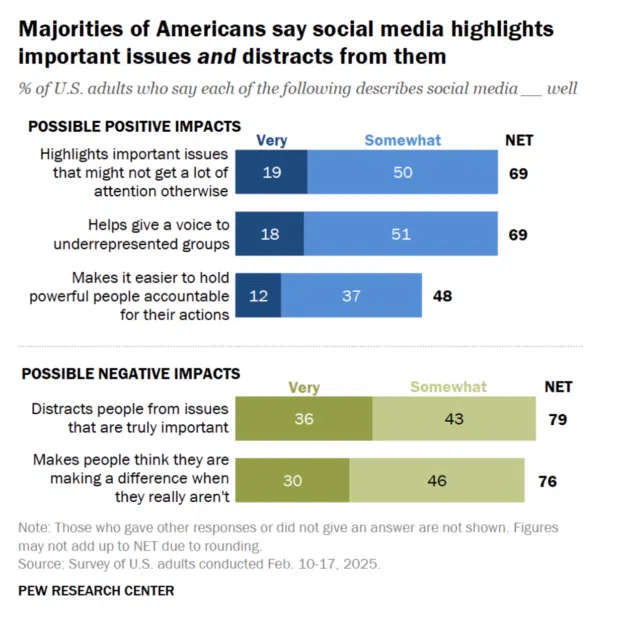
However, this speed comes at a cost. The public remains deeply skeptical of these platforms. A significant 76% of Americans believe that social media creates a false sense of activism, where users feel they are contributing to a cause simply by posting or sharing content. Furthermore, 79% of users agree that these platforms often serve as a distraction from substantive policy debates, favoring outrage-driven cycles over nuanced discussion.
Official Responses and Regulatory Frameworks
As the influence of these platforms has grown, so too has the regulatory environment. Meta, for instance, has implemented a rigorous authorization process for political advertisers. To run ads related to elections or social issues, users must verify their identity and confirm they reside in the country where the ads are displayed. Transparency is enforced through the "About this ad" feature, which allows voters to see who funded the message.
The regulatory landscape on X is more fragmented, with policies varying significantly by country. In the U.S., political campaigns are restricted to specific ad formats and must undergo pre-approval processes to ensure they adhere to local election laws.
Perhaps the most significant regulatory friction exists with TikTok. Due to national security and data privacy concerns, governments in the U.S., Canada, and across the European Union have banned the app from government-issued devices. This has created a paradoxical challenge for incumbents: while the platform is the most effective tool for reaching Gen Z and Millennial voters—who together comprise roughly 40% of the electorate—the platform is often off-limits to the very staffers managing the campaigns.
Strategic Implications: How to Run a Modern Campaign
For political entities, success in 2026 requires a strategy that balances authenticity with compliance.
1. The Audience-First Approach
Effective campaigns must utilize social listening tools to identify where their core demographics reside. Republicans tend to show higher engagement on X and Facebook, while Democrats maintain a stronger foothold on Instagram and TikTok. Understanding these nuances is critical to resource allocation.
2. Consistency vs. Fatigue
The "stop-and-start" approach is a relic of the past. Successful campaigns utilize content calendars to maintain a steady presence throughout the entire election cycle. Tools like Hootsuite enable campaigns to automate scheduling, ensuring that the message remains consistent even when human resources are stretched thin.
3. The Power of Sharability
Since a small fraction of users—roughly 10%—generate the vast majority of social media content, campaigns must focus on "shareable" assets. Whether it is an infographic, a witty remark from a candidate, or an "I Voted" sticker, the goal is to create content that users feel compelled to amplify within their own circles.
4. Direct Mobilization
Social media is no longer just for messaging; it is for logistics. Platforms like Rock the Vote have demonstrated that digital campaigns can register millions of voters by integrating call-to-action buttons directly into social feeds. Similarly, fundraising is now a primary digital activity, with "Donate Now" buttons embedded directly into social advertisements.
Navigating the Risks: Misinformation and Polarization
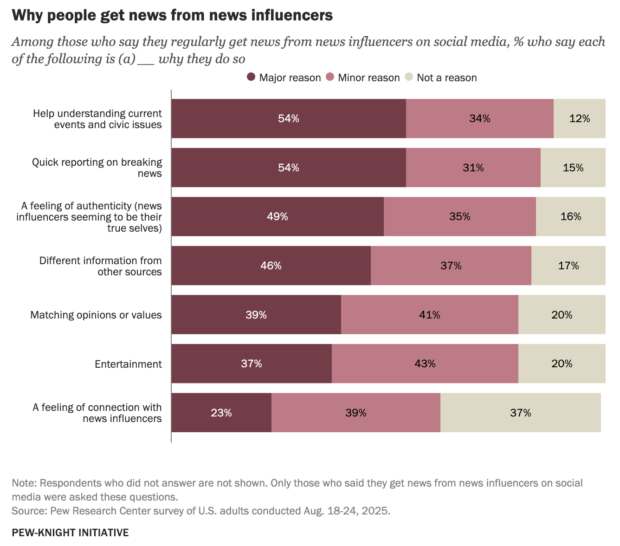
Despite the benefits, the risks of the digital political landscape are undeniable. The rise of "news influencers"—content creators who present political commentary with a personal, often biased touch—has made it harder for voters to distinguish between fact and opinion. Because these creators often feel more "authentic" than traditional journalists to younger audiences, their impact on public opinion can be more potent than institutional news reports.
Furthermore, the algorithmic nature of social media naturally tends to reward content that triggers high emotional responses, often at the expense of accuracy. This has accelerated the formation of echo chambers, where voters are exposed only to information that confirms their existing biases.
Conclusion: The Future of Digital Democracy
As we look toward the remainder of the 2026 cycle, it is clear that social media is neither inherently good nor evil; it is a powerful amplifier. For government agencies and political candidates, the task is to navigate the landscape with transparency, strategic intent, and a commitment to digital compliance.
The successful political entity of the future will be one that treats social media not as an optional add-on, but as the foundational layer of their democratic mandate. By engaging constituents where they spend their time, listening to their concerns through social data, and maintaining a commitment to factual communication, organizations can leverage these tools to build a more informed and participatory electorate.
In the end, the digital ballot box is here to stay. The challenge for the next decade will be to ensure that the platforms driving our political conversations serve to strengthen the democratic process rather than fracture it.












No comments yet. Be the first to join the conversation!