

By Ty Sherback | Published June 3, 2026
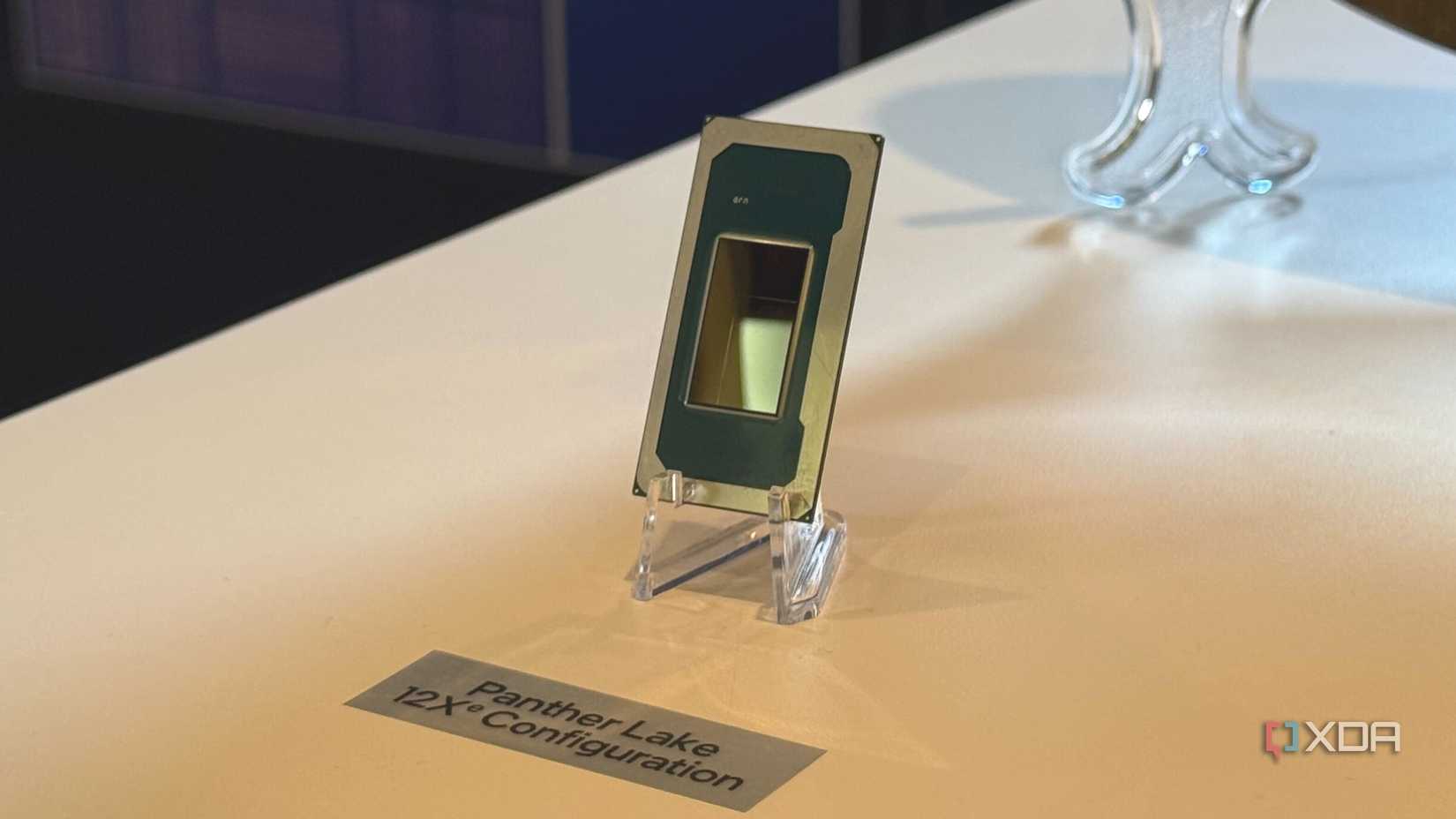
For years, the narrative surrounding Intel has been one of struggle—a titanic battle against manufacturing delays, thermal management issues, and a resurgent AMD that has dominated the enthusiast space with its 3D V-Cache technology. However, the tide finally appears to be shifting. When I recently secured a Panther Lake-powered laptop, I wasn’t expecting a revolution; I was expecting the status quo. Instead, I walked away with the distinct, jarring realization that Intel has finally regained its "mojo."
The Lenovo machine running a Core Ultra 355 is, without hyperbole, the most impressive piece of Intel-based hardware I have experienced in the last five years. Yet, as a lifelong desktop enthusiast—someone who grew up squeezing every megahertz of performance out of home-built rigs—this realization is profoundly frustrating. Intel has crafted a masterpiece of efficiency and power, but it remains locked behind the restrictive, non-upgradable chassis of an ultraportable laptop.
The Panther Lake Hype: A Tangible Leap Forward
When testing the Panther Lake architecture, my expectations were tempered by the limitations of modern thin-and-light form factors. I assumed an Ultra 7-spec chip would handle web browsing and basic office productivity, perhaps faltering under any meaningful load.
The reality was entirely different. This silicon didn’t just handle my daily workflow; it chewed through complex Adobe Photoshop compositions and light video editing projects without a single stutter. Most surprisingly, it managed to deliver playable frame rates in Grand Theft Auto V’s Enhanced Edition at high settings, relying solely on integrated graphics.
The most compelling metric, however, was efficiency. Across two weeks of real-world testing, I could count the number of times I needed to reach for a charger on one hand. This is the first Windows laptop I have used that stands as a true peer to Apple’s M2 MacBook Air. It is cool, quiet, and consistently performant. Intel has successfully proven that its new process nodes and architecture can deliver the "Apple-silicon-like" experience that Windows users have been clamoring for since 2020.

Chronology of a Comeback: From Arrow Lake to Nova Lake
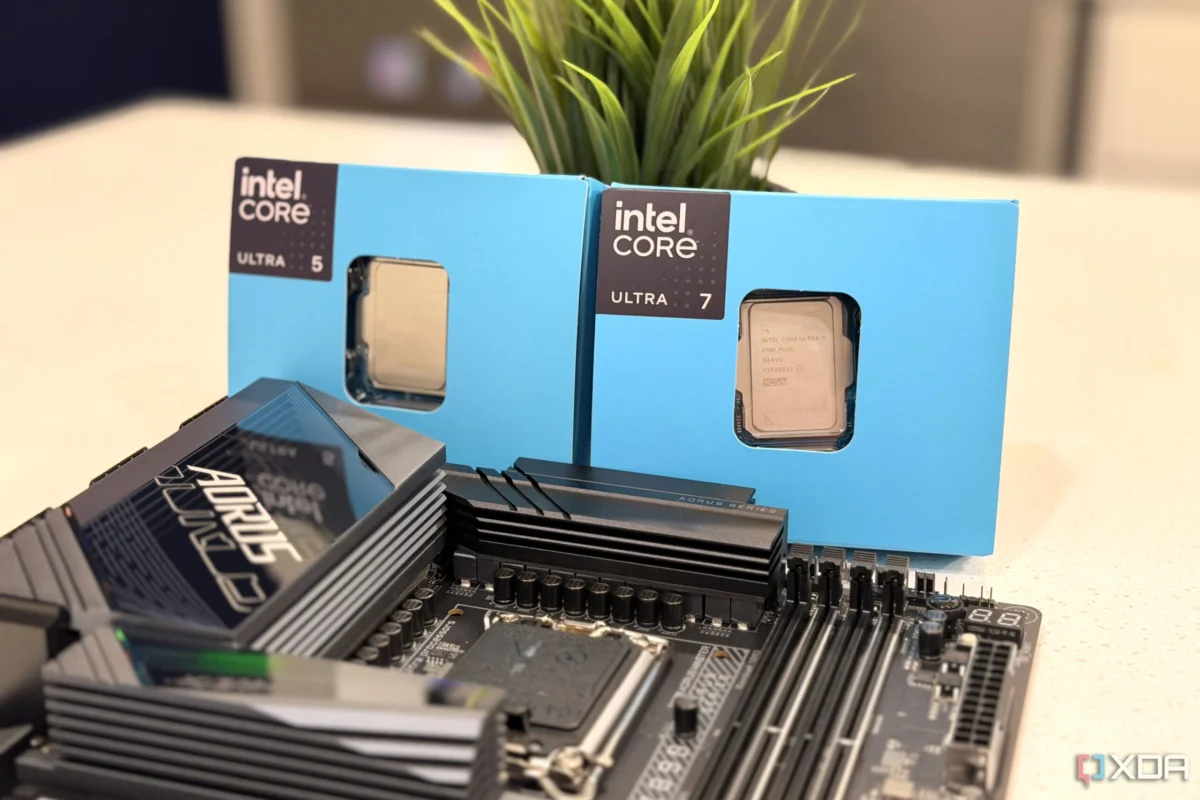
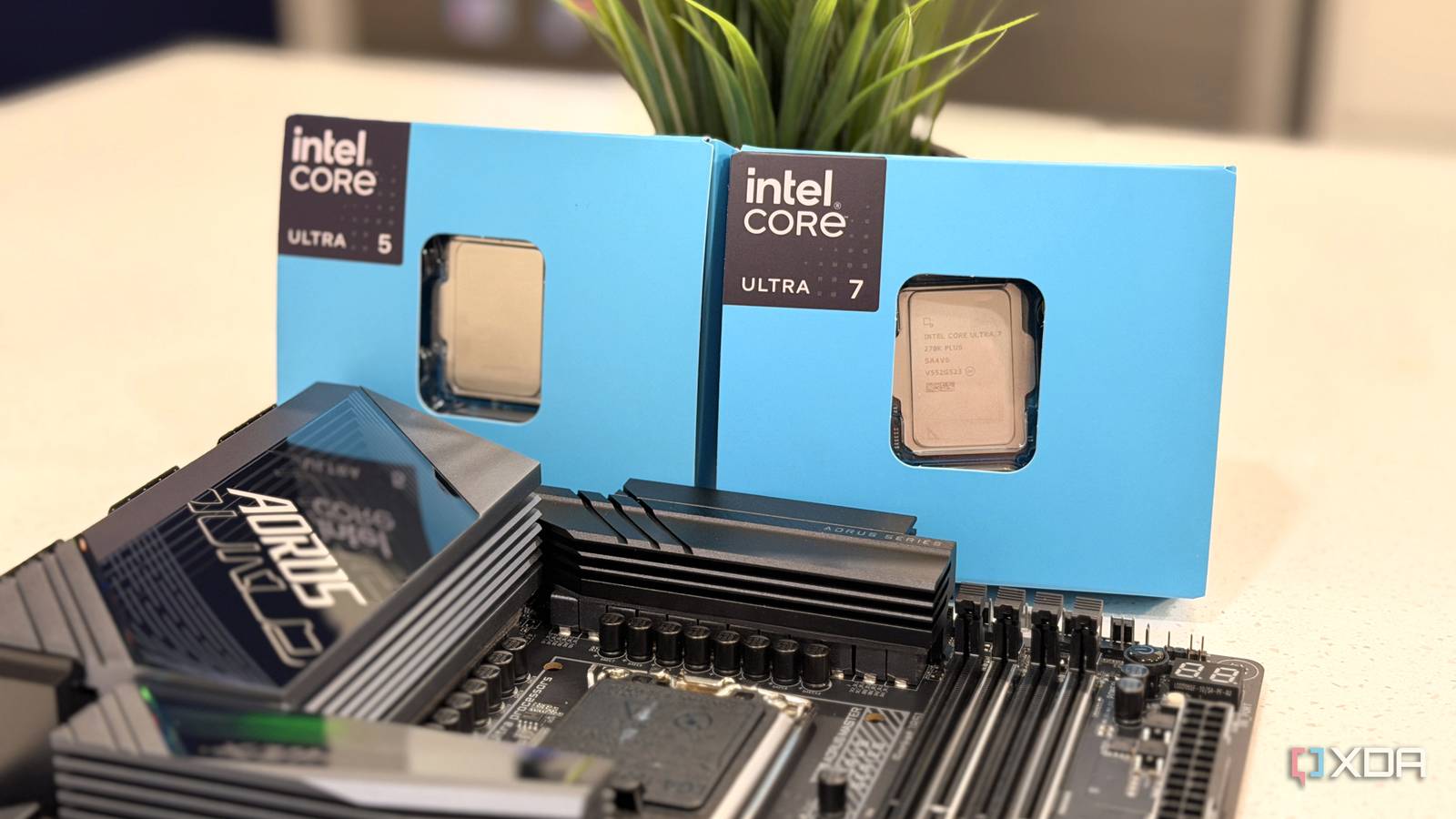
To understand why this feels like a missed opportunity for the desktop community, we must look at the timeline of Intel’s recent trajectory. The current desktop landscape is dominated by the Arrow Lake architecture, a release that failed to capture the imagination of the market. Arrow Lake was marred by well-documented performance inconsistencies that even Intel was forced to publicly acknowledge.
Following the lukewarm reception of Arrow Lake, Intel relied on an "Arrow Lake Refresh" as a stopgap measure. For the desktop user, this has meant stagnation. While mobile users are currently enjoying the architectural prowess of Panther Lake, the desktop remains tethered to a previous generation of design philosophy.
The roadmap for the desktop user now rests entirely on Nova Lake—the forthcoming Core Ultra 400 series. While early whitepapers and leaks regarding Nova Lake are encouraging, they remain purely speculative for the end-user. The chasm between the mobile success of Panther Lake and the anticipated arrival of Nova Lake is not just a gap in time; it is a gap in cultural relevance for the DIY PC builder.

Supporting Data: Why Node Maturity Matters
In the world of semiconductor manufacturing, low-power mobile chips are the traditional "proving ground" for new fabrication nodes. It is standard practice for a company to refine a new architecture on low-wattage parts before scaling up to high-TDP (Thermal Design Power) desktop processors.
Intel is currently executing this strategy. By validating the new node on Panther Lake, they have successfully stabilized their manufacturing yields. However, this leaves desktop enthusiasts in a state of suspended animation.
According to technical specifications leaking from the industry, Nova Lake is slated to support up to 52 cores. This represents a massive architectural leap over the current Arrow Lake ceiling. Perhaps more importantly for the gaming demographic, Nova Lake is expected to introduce "bLLC"—a large, high-speed last-level cache. Intel has hinted that this is their direct response to AMD’s 3D V-Cache, which has allowed the Ryzen X3D series to remain the undisputed king of gaming performance for years. If Intel’s implementation of bLLC matches the efficiency of AMD’s solution, it could fundamentally disrupt the current hierarchy of gaming CPUs.
Official Silence and the Implications of Delay
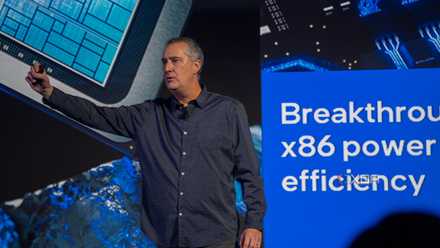
Despite the technological promise of Nova Lake, the corporate messaging from Intel has been curiously muted. During the recent Computex keynote, there was a glaring absence of concrete details regarding the Nova Lake desktop platform. In an industry where hype cycles drive consumer adoption, this silence is deafening.
If Intel had a "killer app" ready for the desktop, one would expect a major reveal at an event as significant as Computex. The lack of information suggests that either the development timeline has slipped, or Intel is still struggling to reconcile the high power requirements of desktop-class silicon with the efficiency gains they have mastered in the mobile sector.
Furthermore, the barrier to entry for Nova Lake is high. The architecture is expected to transition to the new LGA 1954 socket. This confirms that even current Arrow Lake users will need to invest in an entirely new motherboard platform to make the jump. For a consumer base that has already endured the performance headaches of the previous generation, this represents a significant financial and logistical commitment.
The Competitive Landscape: 2027 and Beyond
The current reporting suggests that the desktop variant, Nova Lake-S, may not hit retail shelves until early 2027. This timing is precarious, as it aligns with rumors surrounding the launch of AMD’s Zen 6 desktop architecture.
If Intel is indeed waiting until 2027 to deliver a meaningful upgrade to the desktop, they risk being "late to the party" yet again. The desktop enthusiast market is unforgiving. If AMD manages to launch its next-gen platform simultaneously, Intel’s "comeback" narrative could be overshadowed by the sheer speed and efficiency of the competition.
For the enthusiast who builds their own PC, the desktop is the heart of the ecosystem. It is where the most demanding workloads are performed, where the most intense gaming happens, and where brand loyalty is forged. By focusing the current wave of innovation almost exclusively on mobile, Intel is keeping its strongest supporters at arm’s length.
Conclusion: The Hope for a Desktop Payoff
Competition is the lifeblood of the tech industry. We want Intel to win because a strong Intel forces AMD to innovate, and that benefits every consumer. Panther Lake is a massive victory for Intel in the mobile space, proving that the company still has the engineering talent to lead when they get the architecture right.
However, a win in the laptop sector does not translate to a win in the hearts and minds of the desktop community. Whether the "Intel comeback" truly arrives depends entirely on whether Nova Lake can deliver the same efficiency, thermal, and performance gains that have made the Core Ultra 355 such a revelation.
I, for one, would love to be proven wrong. I would love for the desktop version of this architecture to be as revolutionary as its mobile counterpart. But until that silicon hits the socket, the desktop enthusiast remains a spectator, watching the future of computing from the sidelines, waiting for the day that Intel’s new "mojo" finally makes it to the motherboard.
The path forward is clear: Intel must move beyond the hype, address the manufacturing timeline, and deliver a socketed product that justifies the platform transition. Until then, the triumph of Panther Lake remains a brilliant, but isolated, achievement.












No comments yet. Be the first to join the conversation!