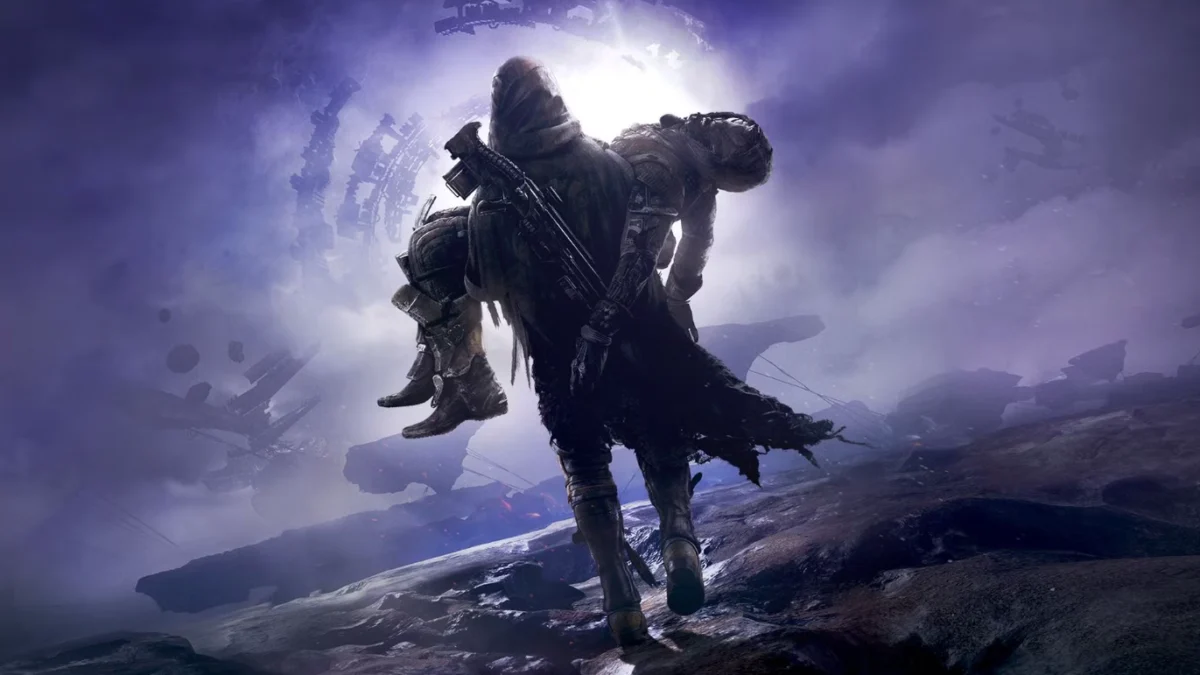
For over a decade, Bungie’s Destiny franchise has been defined by its epic scope, high-stakes space opera, and the relentless fight against the encroaching Darkness. From the vaulted halls of the Last City to the desolate moons of Europa, the narrative has always leaned into themes of sacrifice, godhood, and survival. However, behind the grim armor and celestial mysteries, a more lighthearted, unconventional project was brewing in the studio’s corridors: a Destiny dating simulator.
Recent revelations from former Bungie staff have shed light on a long-rumored prototype that sought to humanize the franchise’s stoic cast through the lens of a visual novel. While the project never saw the light of day, it offers a fascinating glimpse into the creative culture at one of gaming’s most prestigious studios—and the stark reality of corporate decision-making in the AAA space.
The Origin: What Could Have Been?
The revelation began on social media when a fan expressed a desire for a Destiny-themed dating simulator. Lianna Ruppert, a former community manager at Bungie, responded with a surprising confirmation: the project had already been built, albeit as a prototype.
According to Ruppert, the internal project drew heavy inspiration from the cult-hit visual novel Dream Daddy: A Dad Dating Simulator. It was designed as a creative outlet, allowing developers to explore the interpersonal relationships of characters who, in the main game, are usually preoccupied with saving the universe. "It was fun getting to be a small part of it," Ruppert shared, noting that the prototype captured a charm and intimacy rarely seen in the high-octane environment of a first-person shooter.
However, the lighthearted tone of the project clashed with the studio’s overarching brand strategy. Ruppert noted that management was fundamentally opposed to the idea, famously decreeing that they "didn’t want romance or silliness" associated with the Destiny intellectual property.
Chronology of a Failed Pitch
The existence of this dating sim was not a singular fluke of creativity, but rather part of a recurring effort by the narrative team to expand the Destiny universe into new genres.
The ‘Carnival’ Experiment
Former senior narrative designer Robert Brookes provided crucial context, explaining that the prototype originated during one of Bungie’s internal "Carnival" events. These studio-wide events typically grant developers a week of creative freedom to experiment with new mechanics, tools, or concepts outside of their daily responsibilities. It was during one of these "game jams" that the narrative team—specifically members with professional backgrounds in romance game design—built the foundation for the project.
The Annual Pitch Cycle
While the "Carnival" version was a small, contained prototype, the narrative team saw potential for more. Brookes revealed that he and two colleagues actively pitched the dating sim as a full-fledged, commercial product every year. They weren’t approaching management with a vague, whimsical idea; they were armed with full pitch decks, cost-benefit analyses, and hard metrics on the potential return on investment for visual novels in the gaming market.
Despite this professional rigor, the pitch was rejected consistently. The disconnect between the developers’ desire for creative breadth and the corporate mandate for a strictly defined "space epic" tone created a persistent friction that underscored the studio’s internal culture.
Supporting Data: Why Dating Sims Matter
To understand why Bungie developers were so keen on this project, one must look at the evolution of "spin-off" gaming. In the current market, major franchises often leverage their intellectual property (IP) to create lower-budget, high-engagement side games.
- Community Engagement: Dating sims and visual novels provide a "low-stakes" way for players to interact with beloved characters. In a game like Destiny, where the lore is often buried in text-heavy "Grimoire" cards or ephemeral seasonal dialogue, a dating sim would have offered an unprecedented level of character-driven storytelling.
- The Power of Narrative: The success of games like Hades (which features romance mechanics) or Fire Emblem (which utilizes social support systems) proves that players are increasingly looking for emotional depth in their combat-focused games. By limiting Destiny to a strict genre box, Bungie may have been leaving significant audience engagement on the table.
- Asset Reuse: From a development standpoint, these types of projects are often highly efficient. They utilize existing character models, voice actors, and world-building assets, lowering the barrier to entry while potentially increasing the "stickiness" of the main franchise.
Official Responses and Corporate Stance
Bungie has remained largely silent on the specific mechanics of the cancelled dating sim, but the broader sentiment from management is clear. In the eyes of the studio’s leadership, Destiny is a brand built on gravity and heroism.
The rejection of "romance or silliness" highlights a common struggle in the games industry: the "Brand Purity" dilemma. When a company invests hundreds of millions of dollars into a project like Destiny 2, the fear is that introducing a lighter, arguably "silly" side-product could dilute the seriousness of the main game.
However, industry analysts often argue that the modern player base is more sophisticated than companies give them credit for. Fans are often capable of separating a tactical shooter from a lighthearted visual novel, and such projects often serve to strengthen the emotional bond between the player and the franchise. By suppressing these creative outlets, Bungie may have inadvertently stifled a key avenue for deepening player loyalty.
The Broader Implications: Bungie at a Crossroads
The story of the Destiny dating sim serves as a microcosm for the larger challenges currently facing Bungie. The company is currently navigating a period of profound turbulence.
The End of an Era
Reports have confirmed that active development on Destiny 2 is winding down. For a game that has defined the live-service model for nearly a decade, this signals a major shift in the studio’s strategy. This transition has been accompanied by significant internal restructuring and, regrettably, the loss of talented staff through redundancies.
The Marathon Struggle
Adding to the uncertainty is the performance of Marathon, Bungie’s extraction shooter. While the game was positioned as the next pillar of the studio’s portfolio, early indicators suggest it has struggled to meet the high expectations set by Sony, Bungie’s parent company.
Creative Stagnation vs. Innovation
The narrative team’s persistent, annual attempt to pivot Destiny into a new, smaller, and more experimental genre suggests that the creative talent at Bungie was looking for ways to iterate and evolve long before the current crisis. When a studio becomes so locked into a singular, monolithic vision—such as the massive, ever-expanding Destiny ecosystem—the ability to pivot or experiment becomes an essential survival mechanism.
The rejection of the dating sim might seem like a footnote in the history of a major studio, but it reflects a deeper, structural rigidity. If the studio had allowed itself the flexibility to experiment with lower-stakes, character-focused experiences, it might have fostered a more diverse portfolio capable of weathering the current market volatility.
Conclusion: Lessons for the Future
As Bungie looks toward the future, the ghost of the Destiny dating sim remains a testament to the untapped potential of its creative staff. It is a reminder that the most compelling stories are not always the ones told through a gun sight, and that "romance and silliness" are not necessarily enemies of a strong brand—they are often the ingredients that make a community feel truly at home in a fictional world.
Whether the studio will embrace a more experimental approach in its next chapter remains to be seen. However, for the developers who spent their "Carnival" weeks crafting heartfelt stories about the Guardians we know and love, the project will always stand as a missed opportunity—a "what if" that could have brought a little more humanity to the stars.