Neng Nana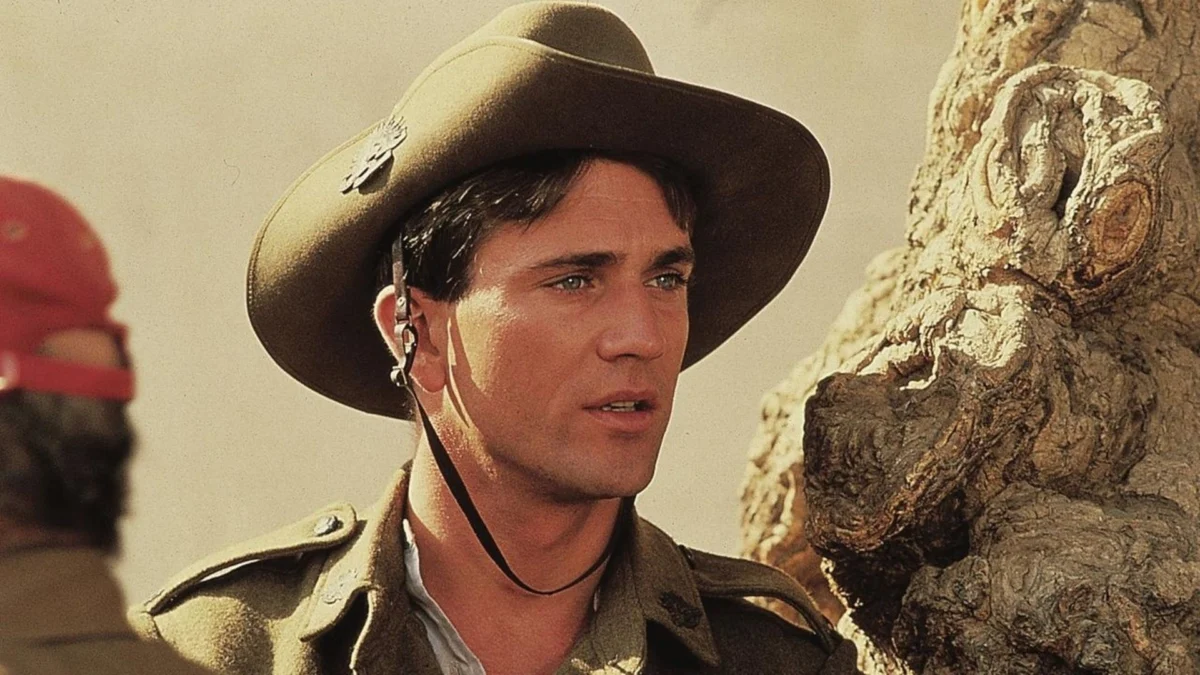
War has been the bedrock of cinematic storytelling since the inception of the medium. From the grainy, black-and-white newsreels of the early 20th century to the high-definition, immersive blockbusters of the modern era, the spectacle of conflict serves as a canvas for the human condition. While legendary epics like Saving Private Ryan, Platoon, and Apocalypse Now dominate the cultural conversation, a vast graveyard of equally profound, gritty, and technically brilliant films has been relegated to the annals of obscurity.
Whether due to poor box office performance, controversial subject matter, or simply being released during a crowded awards season, these films represent the "lost" treasures of the war genre. This analysis revisits ten essential films that deserve a seat at the table of cinematic history, offering a deeper look at why they remain vital viewing for any serious student of film.
The Chronology of Conflict: From the Korean War to the Modern Era
The evolution of the war film is a reflection of the global political climate. In the 1950s, cinema was often constrained by the necessity of upholding national morale, yet outliers began to emerge that challenged the status quo. By the 1970s and 80s, the lens shifted toward moral ambiguity, Vietnam-era trauma, and the psychological decay of the soldier. The following films represent this shifting tide, spanning from Samuel Fuller’s 1951 Korean War grit to the turn-of-the-millennium examinations of the Vietnam conflict.
10. Tigerland (2000)
By the turn of the 21st century, the Vietnam War had been dissected from every conceivable angle, leading to audience fatigue. Joel Schumacher’s Tigerland was a victim of this timing, failing to gain traction at the box office. Set at the infamous Fort Polk, Louisiana, the film follows young recruits preparing for deployment, focusing on their resistance to the dehumanizing authority of their commanders.

Tigerland is not about the battlefield; it is about the "Tigerland" training grounds—a swampy simulation of the Vietnamese jungle. Its documentary-style cinematography and brisk pacing offer a raw, unvarnished look at the internal conflict within the U.S. military. It remains a masterclass in tension, highlighting the home-front resistance that often goes ignored in traditional war narratives.
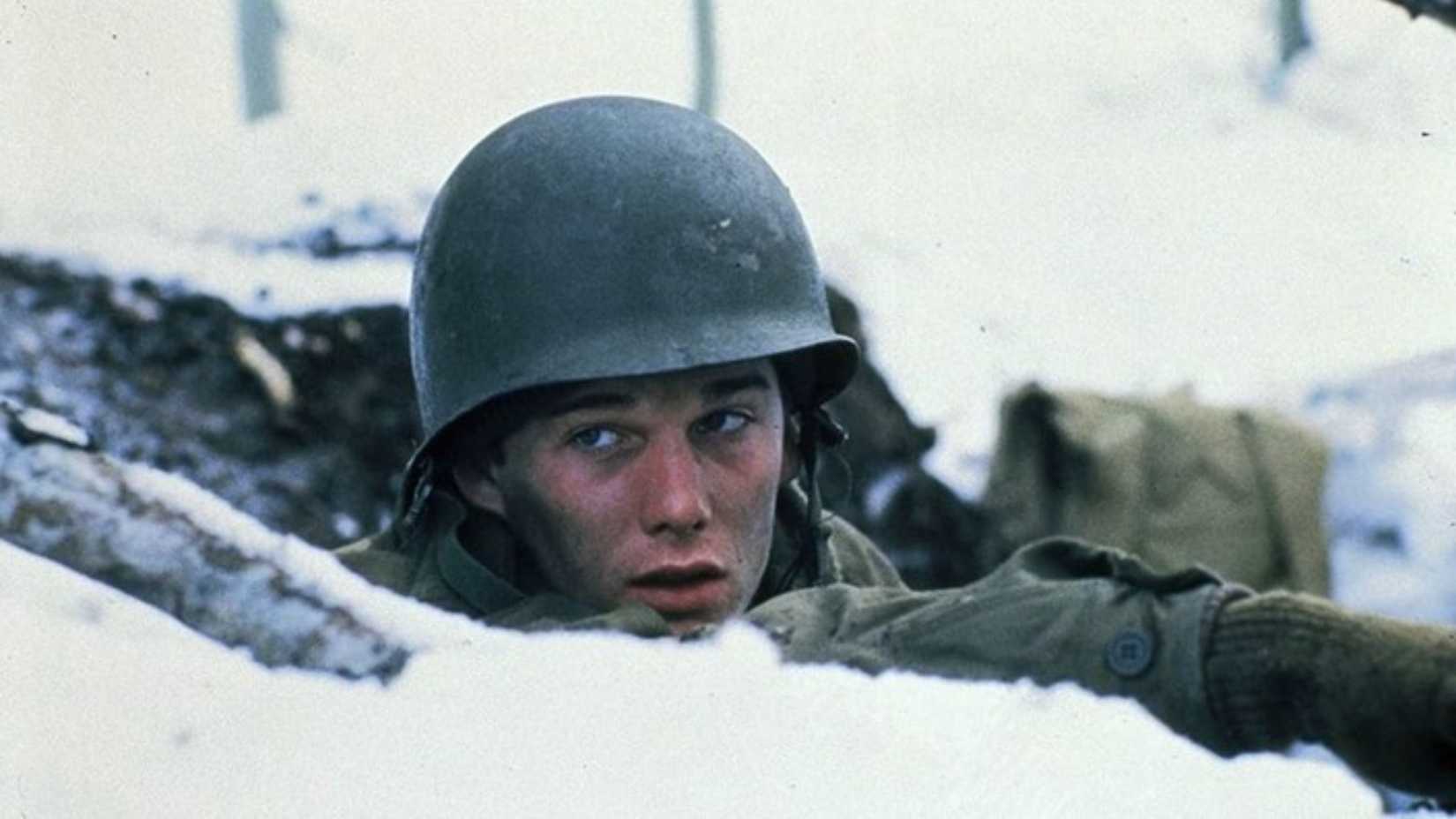
9. A Midnight Clear (1992)
Set in the frozen forests of France during the winter of 1944, A Midnight Clear is arguably one of the most poignant WWII films ever produced. The plot centers on an American intelligence squad tasked with finding German units in the Ardennes. Rather than a standard shootout, director Keith Gordon paints a dreamlike, tragic picture of two sides exhausted by the machinery of war. Featuring a breakout performance by Ethan Hawke, the film is a harrowing, quiet anti-war meditation that proves the most devastating battles are often those fought in silence.

8. The Big Red One (1980)
Samuel Fuller’s The Big Red One exists in a unique space within film history. A battle-hardened WWI veteran leads a squad through the most brutal theaters of WWII, yet the film refuses to indulge in the "heroic epic" tropes of the era. Whether viewing the two-hour theatrical cut or the sprawling three-hour reconstruction, the film’s focus remains firmly on the small, gritty moments of human survival. It serves as a generational bridge, pairing icons like Lee Marvin with the rising star power of Mark Hamill.
Supporting Data: Why These Films Were Overlooked
The commercial failure of these films often stems from a lack of "spectacle." Modern audiences are frequently conditioned to expect high-octane battle sequences, yet the most enduring films are often those that prioritize psychological depth over pyrotechnics.
- Subject Matter: Films like Casualties of War (1989) and Johnny Got His Gun (1971) deal with war crimes and the total loss of autonomy, respectively. These topics are inherently "difficult," making them less palatable for mainstream marketing efforts.
- Release Timing: The Beast (1988) was released as the Soviet-Afghan war was concluding, a conflict that had already left the public emotionally drained.
- Genre-Bending: Many of these films, such as The Steel Helmet (1951), were produced as low-budget B-movies. Because they were not viewed as "prestige" projects, they lacked the promotional support to penetrate the cultural consciousness.
Critical Perspectives: The Art of the Anti-War Narrative
7. Casualties of War (1989)
Brian De Palma is known for his kinetic, stylized direction, and Casualties of War is perhaps his most restrained yet harrowing work. It recounts the true story of a private (Michael J. Fox) who attempts to report his commanding officer for war crimes. The film refuses to provide a comfortable resolution, forcing the audience to confront the moral decay that occurs when the chain of command fails.
6. The Beast (1988)
Also titled The Beast of War, this film provides a claustrophobic look at a Soviet tank crew lost in the Afghan wilderness. It eschews the "good vs. evil" binary, painting the Soviet crew as flawed, paranoid humans rather than faceless antagonists. It is a masterclass in tension, proving that a single tank can hold as much narrative weight as an entire infantry division.
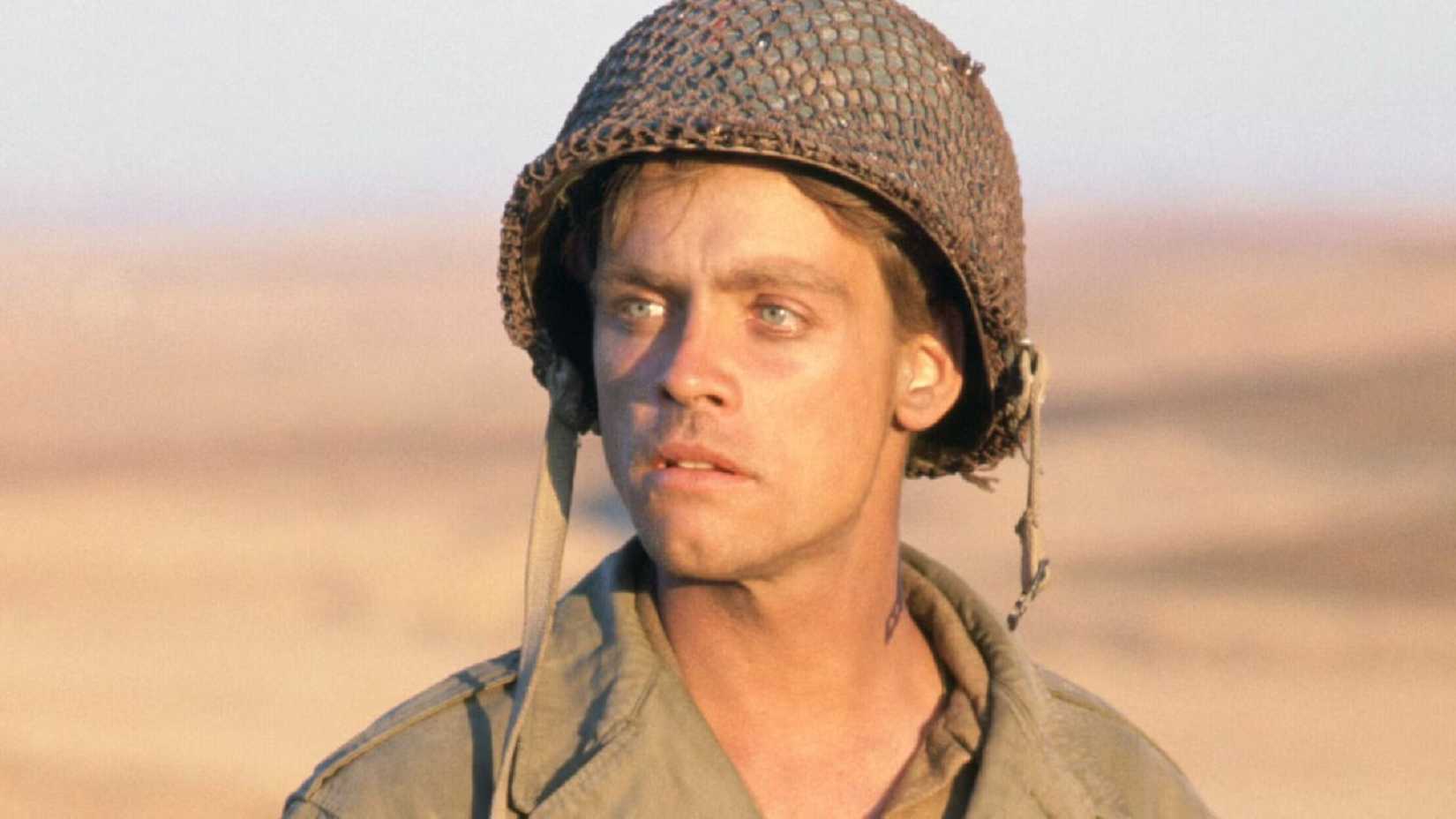
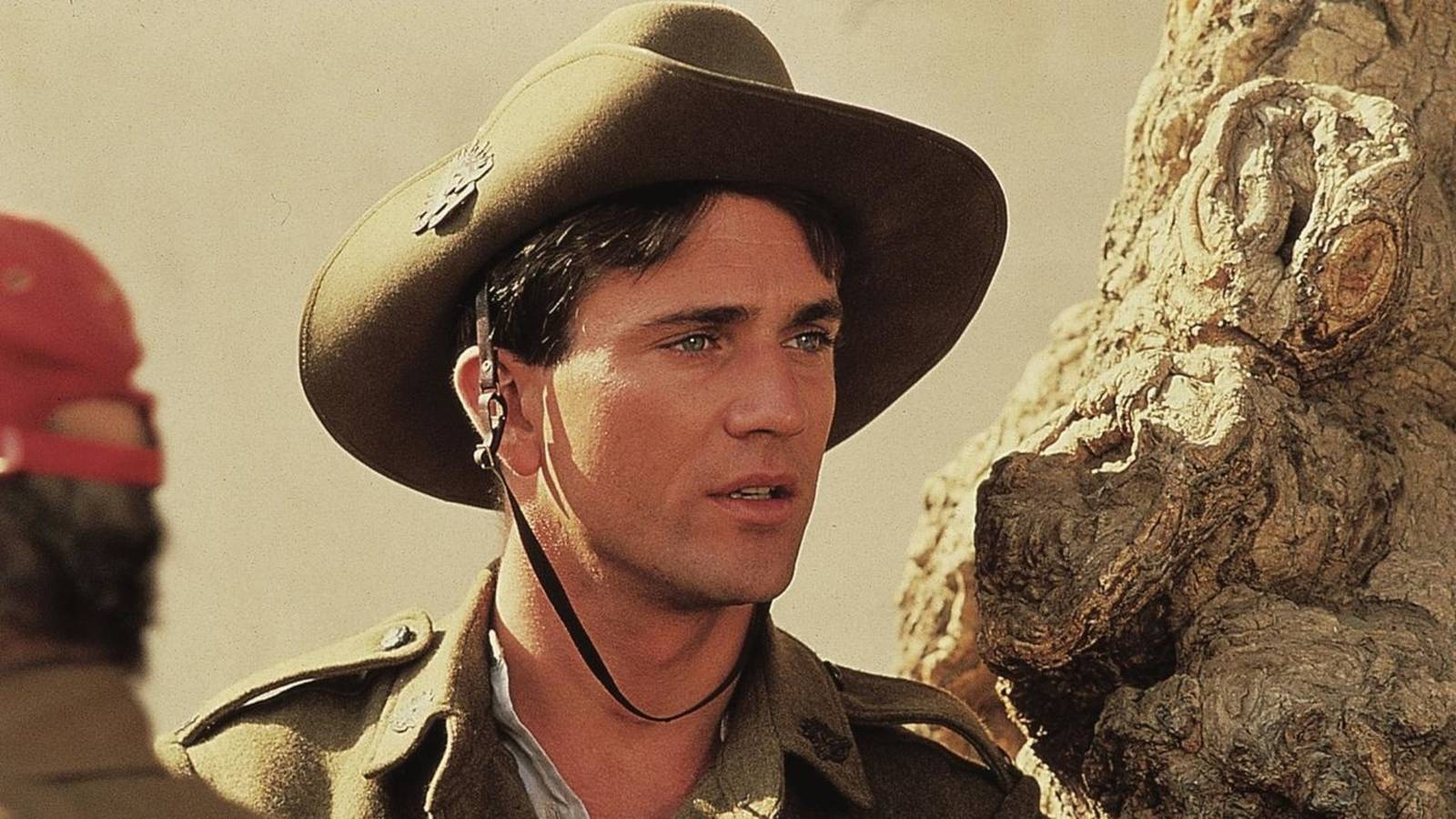
5. Gallipoli (1980)
Peter Weir’s masterpiece is a staple of Australian cinema, yet it remains under-seen in the American market. Following two best friends who enlist in the WWI effort, the film captures the tragic loss of innocence with unparalleled grace. Mel Gibson’s performance remains one of his most human, anchoring a story that transcends its national roots to become a universal tragedy.
Implications: The Legacy of Forgotten Cinema
The implications of ignoring these films are significant. By focusing only on the "classics," we limit our understanding of the war genre. These films provide a necessary counter-narrative to the glorification of conflict.
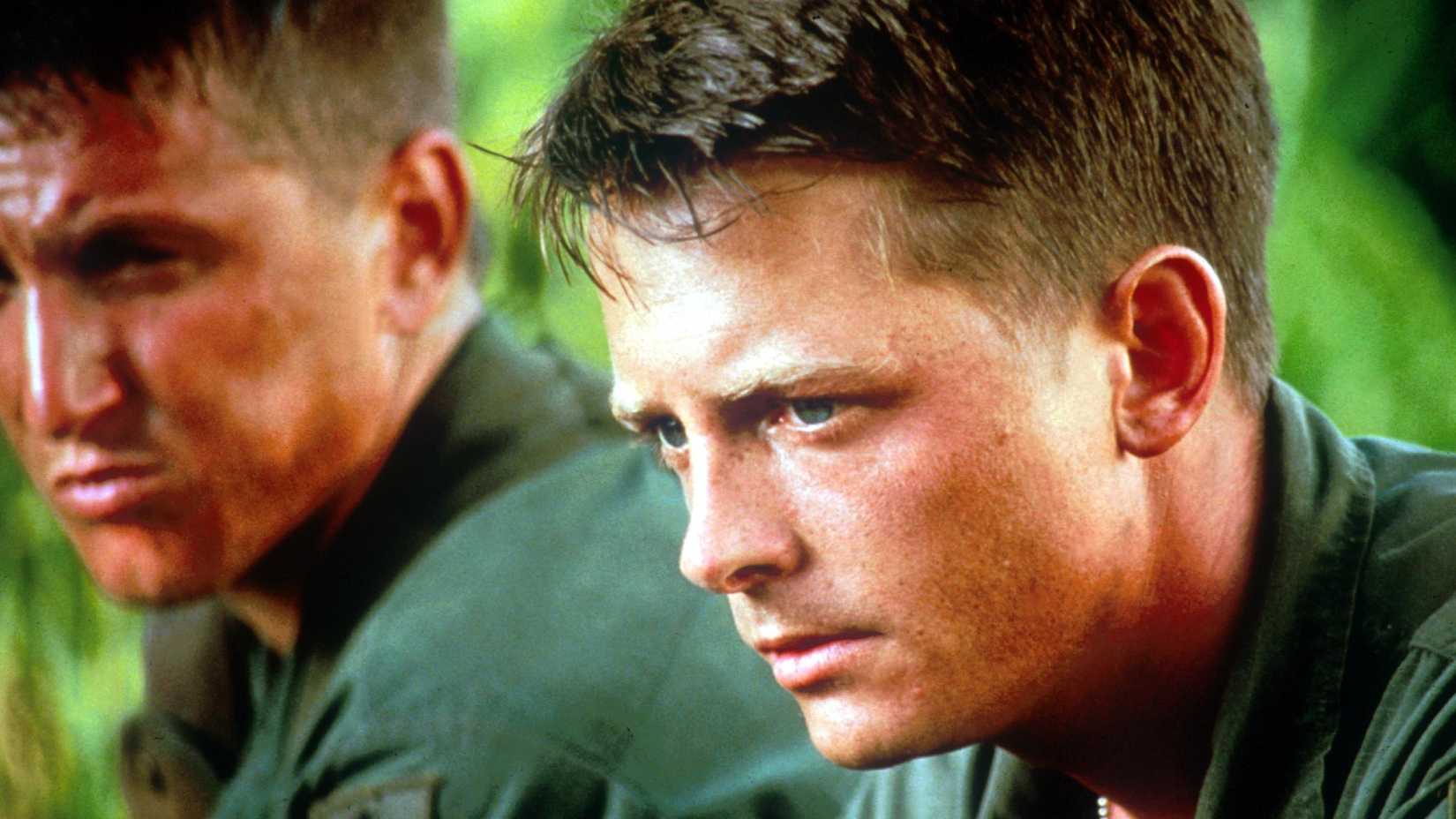
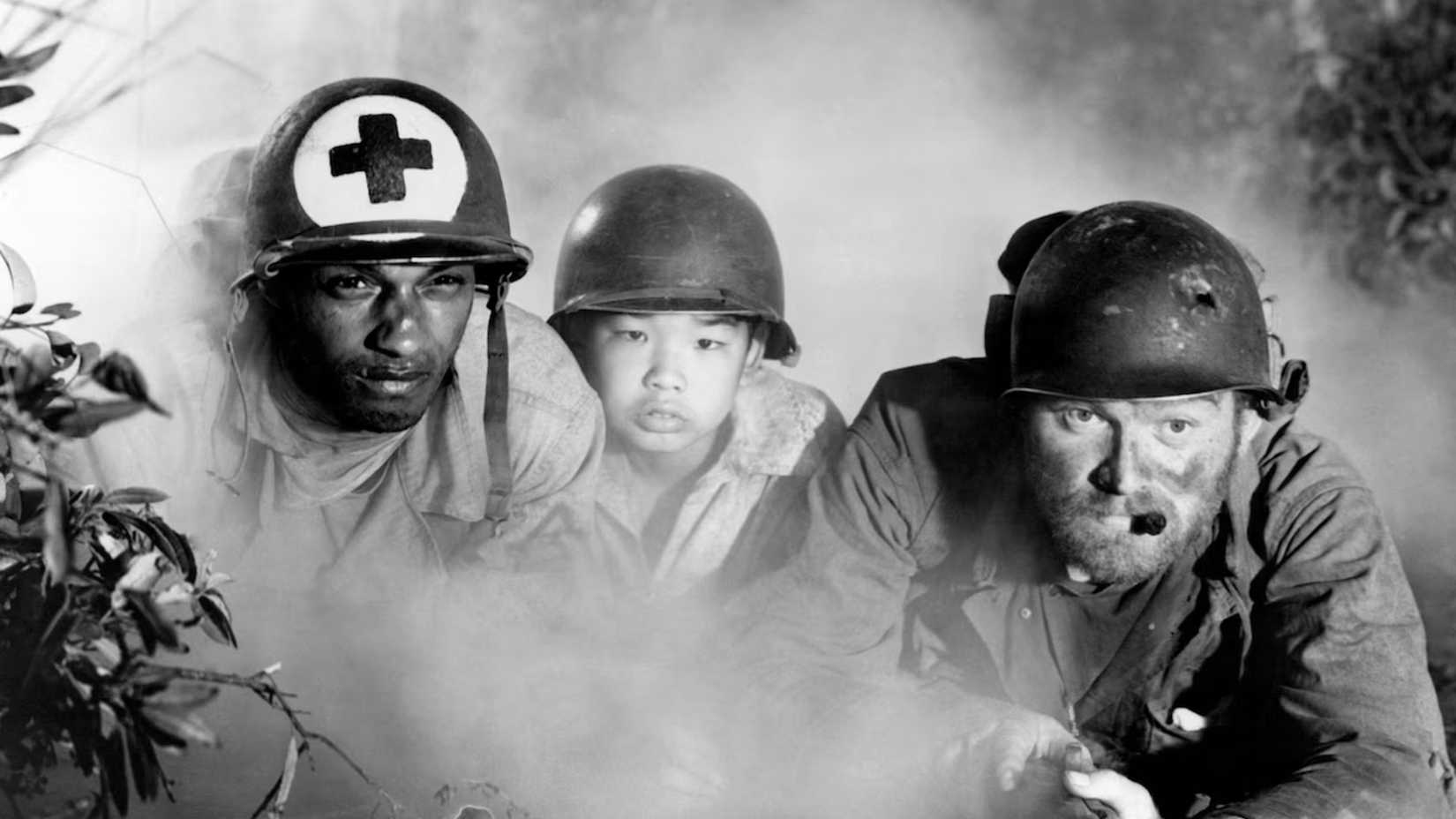
4. The Steel Helmet (1951)
Samuel Fuller’s exploration of the Korean War broke the mold for the 1950s. By placing diverse, flawed characters in a monastery during the heat of battle, Fuller confronted issues like PTSD and systemic racism long before they were common themes in Hollywood. It is a B-movie in pedigree, but a classic in substance.
3. The Wind That Shakes the Barley (2007)
Ken Loach’s Palme d’Or winner is a blistering look at the Irish War of Independence and the subsequent Civil War. Starring Cillian Murphy, the film is essentially a family tragedy. By showing how political ideology can pit brother against brother, Loach highlights the cyclical nature of violence. Its refusal to sanitize history makes it an essential, if uncomfortable, watch.
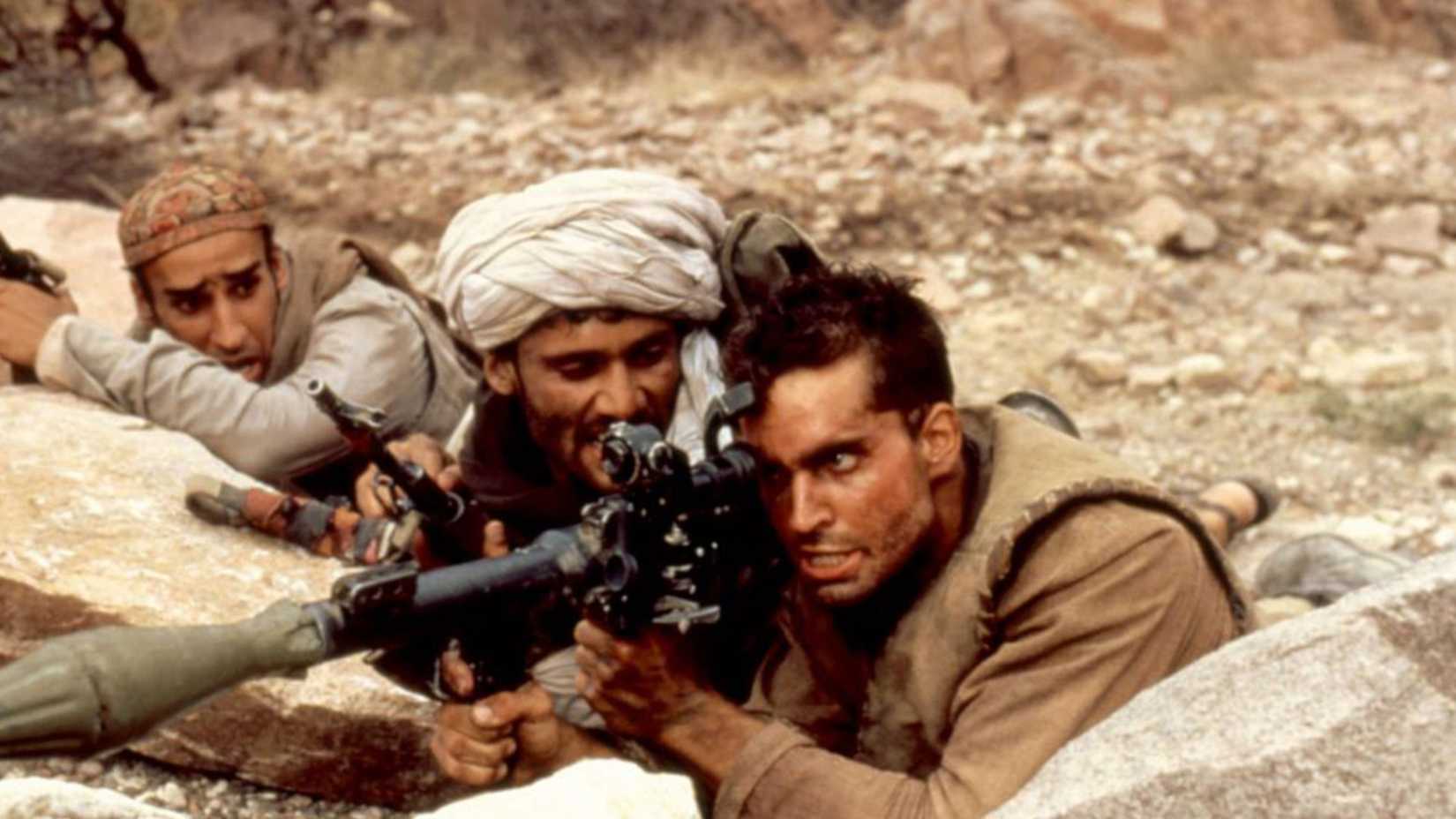
2. Soldier of Orange (1977)
Paul Verhoeven’s Dutch epic is a sprawling, morally complex look at the Nazi occupation of the Netherlands. Rutger Hauer delivers a career-defining performance as a man caught between resistance and betrayal. The film’s cynical, biting wit serves as a precursor to Verhoeven’s later, more famous works, yet it remains a standalone giant of the genre.
1. Johnny Got His Gun (1971)
Written and directed by Dalton Trumbo—who was famously blacklisted during the McCarthy era—this film is perhaps the most visceral anti-war statement ever put on celluloid. It follows a soldier who, after losing his limbs and senses in WWI, is trapped in a void of memory. The film is essentially a horror movie disguised as a war drama, serving as an unflinching metaphor for how war strips the individual of their humanity. It is the ultimate testament to why these "forgotten" films are, in fact, the most important ones to remember.
Conclusion: A Call for Rediscovery
The films listed above do not just depict the mechanics of battle; they investigate the psyche of the survivor, the morality of the combatant, and the heavy price of national ambition. While the blockbuster era may continue to favor films like Saving Private Ryan, the true heart of the war genre resides in the shadows, waiting for audiences to revisit these masterpieces. By looking beyond the familiar, we gain a more nuanced, haunting, and ultimately more truthful understanding of the cost of war.

 Jia Lissa
 Iffa Jayyana