


In the decade since its release, Fallout 4 has cemented its status as one of the most enduring open-world experiences in gaming history. While the title is synonymous with the visceral intensity of post-apocalyptic combat, high-stakes moral dilemmas, and the grim reality of a ruined Boston, there exists a parallel experience within the game that often goes overlooked: the profound sense of tranquility found in its quiet, emergent moments. For many, Fallout 4 is not just a game about survival; it is a meticulously crafted world where the player can choose to slow down, build, and reflect amidst the radioactive dust.
The Evolution of the Commonwealth: A Chronological Look
Since its launch on November 10, 2015, Fallout 4 has undergone significant changes, largely driven by the modding community and official updates. The game’s journey from a highly anticipated Bethesda RPG to a sandbox of infinite possibilities reflects a shift in player priorities. Initially, the discourse surrounding Fallout 4 centered on its combat mechanics and the new, streamlined dialogue system. However, as players spent hundreds of hours in the Boston Commonwealth, the focus shifted toward the game’s environmental storytelling and the introduction of settlement building—a feature that arguably transformed the franchise.

By the time the final DLCs were released, the game had matured into a platform for player expression. Whether it was the introduction of the Contraptions Workshop or the sheer depth of the Far Harbor expansion, Bethesda provided the tools for players to treat the wasteland not as a kill zone, but as a blank canvas. Today, in 2026, the game is still frequently cited as a "comfort title," a testament to the longevity of its design.
The Pillars of Relaxation in the Wasteland
While the game features harrowing encounters with Deathclaws and Super Mutants, the core loop of Fallout 4 provides several avenues for players to find a "zen-like" state.

1. Settlements and the Architecture of Hope
Perhaps the most significant departure from previous Fallout entries is the settlement system. In a world defined by destruction, the ability to build a thriving community—complete with electricity, crops, and trade routes—offers a deep sense of satisfaction. There is a meditative quality to scavenging for circuitry and adhesive, returning to a home base, and meticulously arranging structures. Overseeing the well-being of your settlers, ensuring they are fed, watered, and protected, creates a sense of purpose that transcends the typical "hero’s journey."
2. The Auditory Landscape: Diamond City Radio
The genius of the Fallout franchise lies in its juxtaposition of retro-futuristic horror with the cheerful, optimistic sounds of 1950s swing and jazz. As you traverse the wreckage of the Boston skyline, the crackling broadcast of Diamond City Radio provides a grounding force. Hearing the smooth vocals of artists like Elton Britt while crouching behind a ruined sedan provides an uncanny, yet deeply relaxing, emotional contrast that defines the player’s connection to the world.
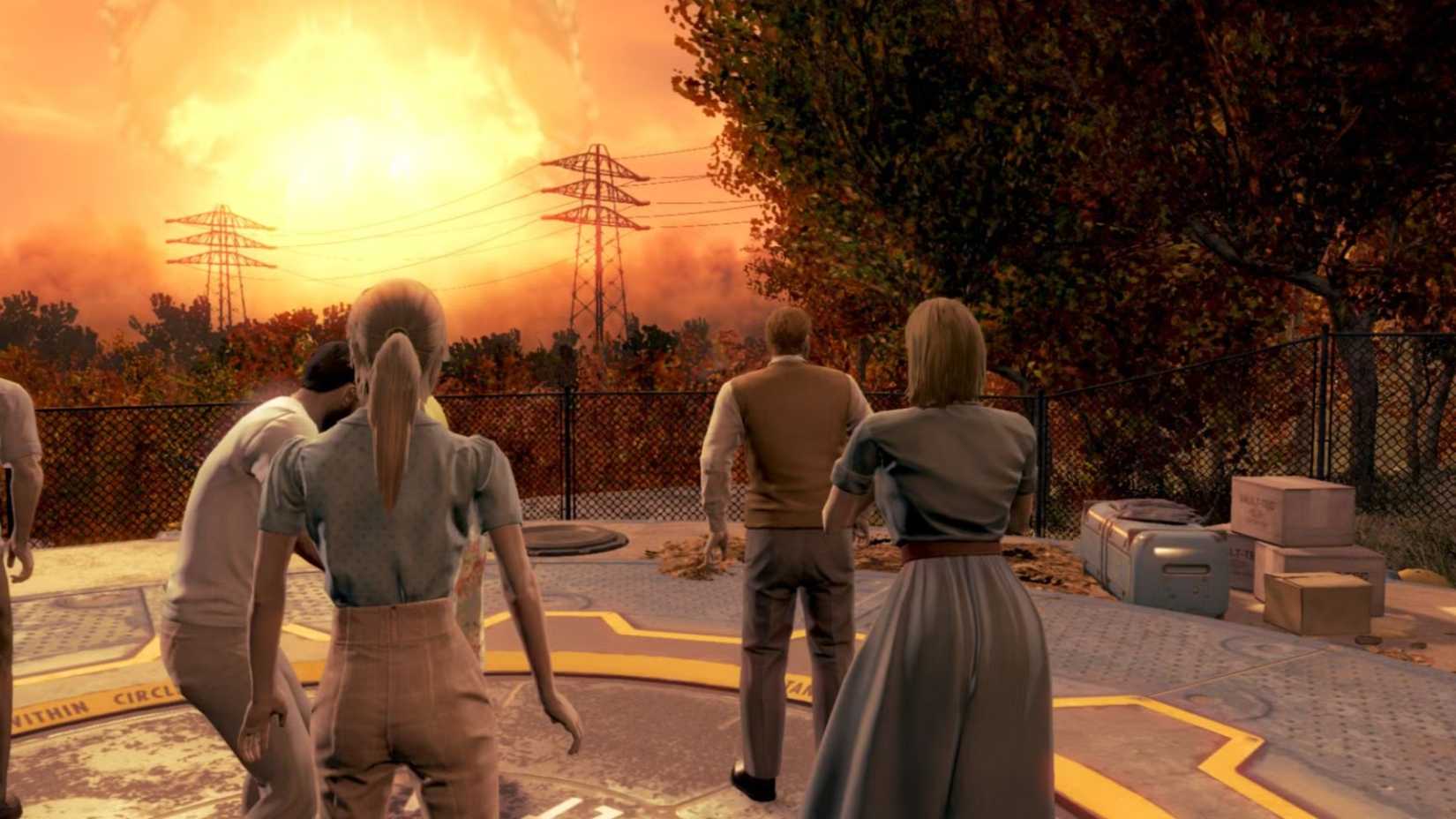
3. The Aquaboy/Aquagirl Perk
Exploration is the lifeblood of the Bethesda RPG experience. However, the environmental hazards of the Commonwealth—specifically radiation—can often disrupt the flow of discovery. The Aquaboy/Aquagirl perk is arguably the most "relaxing" upgrade in the game. By removing the threat of radiation from water and the necessity to surface for air, the player is granted the freedom to traverse the game’s vast river systems and coastline at their own pace. Underwater exploration becomes a silent, hauntingly beautiful tour of a sunken civilization.
4. Silent Companionship: The Role of Dogmeat
While the game features an array of voiced companions with complex backstories, none capture the essence of companionship quite like Dogmeat. For the player who prefers a solitary, contemplative journey, the dog acts as a grounding presence. He does not demand attention, he does not judge your moral choices, and he does not initiate long, scripted conversations. His presence is a simple, non-verbal reminder that you are not entirely alone in the void.

5. Unrestricted Exploration
Unlike many modern open-world games that force players along a rigid narrative path, Fallout 4 adheres to the classic Bethesda philosophy: "See that mountain? You can climb it." There are no time-sensitive quests that fail if you choose to go fishing instead of saving a kidnapped settler. This absence of artificial pressure allows the player to dictate the tempo of their own story, turning the game into a walking simulator of sorts where the reward is not just loot, but the experience of discovery itself.
Supporting Data and Technical Context
Fallout 4 runs on the updated Creation Engine, a framework that excels at object persistence. This is vital for the settlement system; when a player places a coffee mug on a table in their settlement, it stays there. This level of physical permanence is what makes the "homesteading" aspect of the game so compelling.

Furthermore, the game’s RPG mechanics are built around the SPECIAL system. The ability to min-max your character for exploration—prioritizing Agility for movement, Perception for spotting hidden items, and Luck for finding rare treasures—allows for a playstyle that actively avoids combat, favoring the life of a wasteland scavenger and merchant.
Official Responses and Developer Intent
Bethesda Game Studios has long maintained that the freedom of the player is their primary design goal. Todd Howard, in various post-launch interviews, emphasized that the inclusion of the workshop system was designed to allow players to "rebuild the world" rather than just survive in it. The developers recognized early on that for a game to remain relevant years after launch, it had to be more than a linear shooter; it had to be a place where players could exist and thrive.
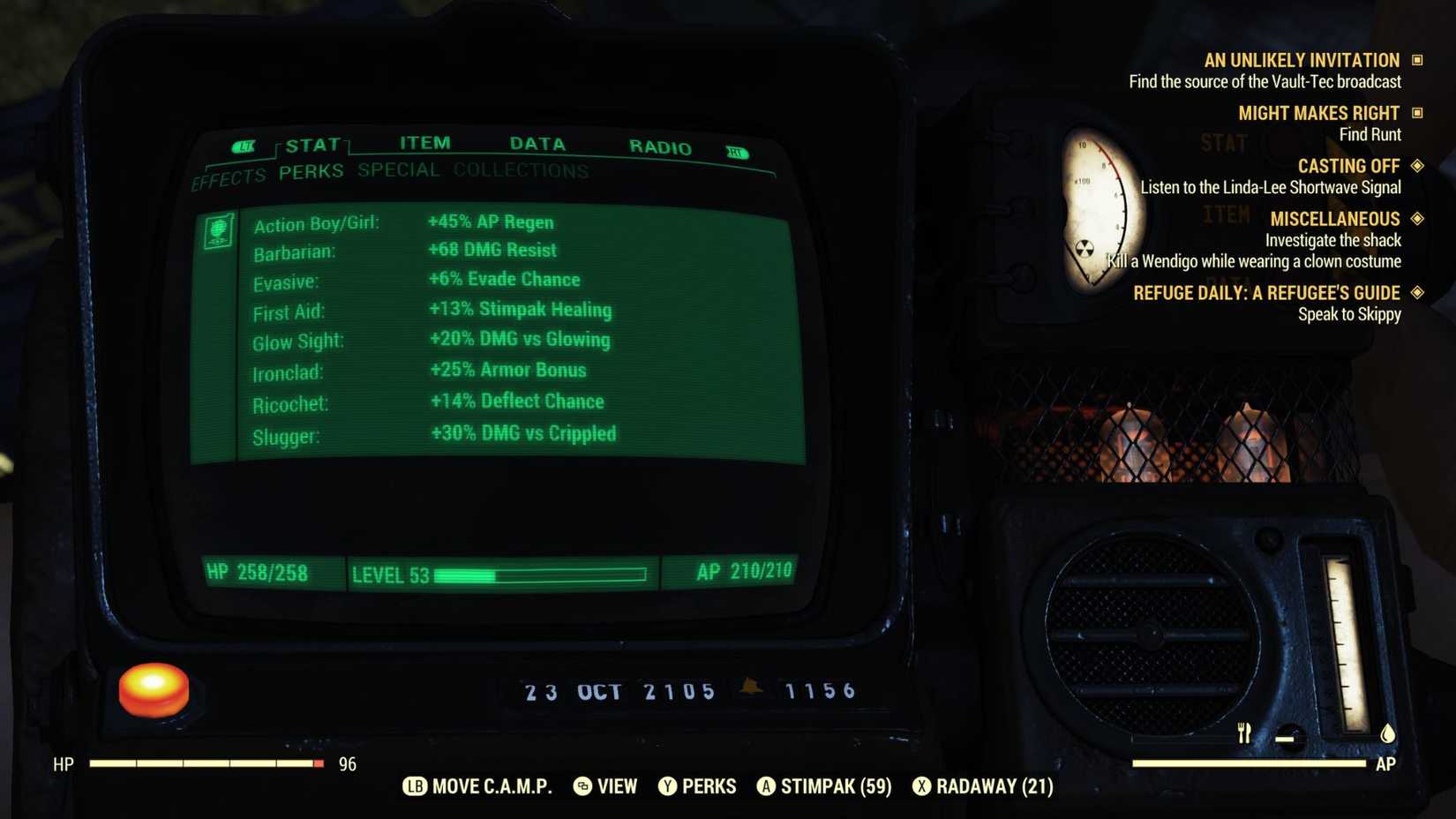
The studio’s decision to support the Creation Kit and enable mods has also been a major factor. The modding community has released thousands of items that focus purely on "cozy" gameplay—adding new furniture, weather-altering mods that bring constant sunshine, and expanded planting options. These mods have, in effect, validated the player base’s desire to use the game as a relaxation tool.
The Broader Implications: Gaming as a Refuge
The shift in Fallout 4 from a high-intensity action game to a meditative sandbox has broader implications for the open-world genre. It proves that players are often looking for agency and environmental engagement over constant adrenaline. By providing "Safe Havens"—locations like Diamond City or player-built fortresses—the game creates a sanctuary that rewards the player for their efforts.

The absence of time-gated content also marks a significant shift in player psychology. In a world where many live-service games demand constant engagement and feature "Fear of Missing Out" (FOMO) mechanics, Fallout 4 stands as a bastion of player-centric pacing. You can walk away from the game for a month, return, and pick up exactly where you left off, without the anxiety of missing limited-time events or seasonal rewards.
Conclusion: Finding Meaning in the Ruins
Ultimately, Fallout 4 is a game that respects the player’s time and their desire for autonomy. Whether you are navigating the murky depths of the Charles River with the Aquaboy perk, tending to your mutfruit crops at The Castle, or simply listening to the radio while watching a sunset over the debris of Boston, the game offers a unique form of digital solace.

It is a reminder that in the face of absolute collapse, the human instinct is not just to survive, but to create. By focusing on the quieter elements of the Commonwealth, players are able to turn a post-apocalyptic nightmare into a surprisingly cozy home. Ten years on, the game remains a testament to the power of open-world design, proving that sometimes, the most exciting part of a journey is the peace you find along the way.












No comments yet. Be the first to join the conversation!