

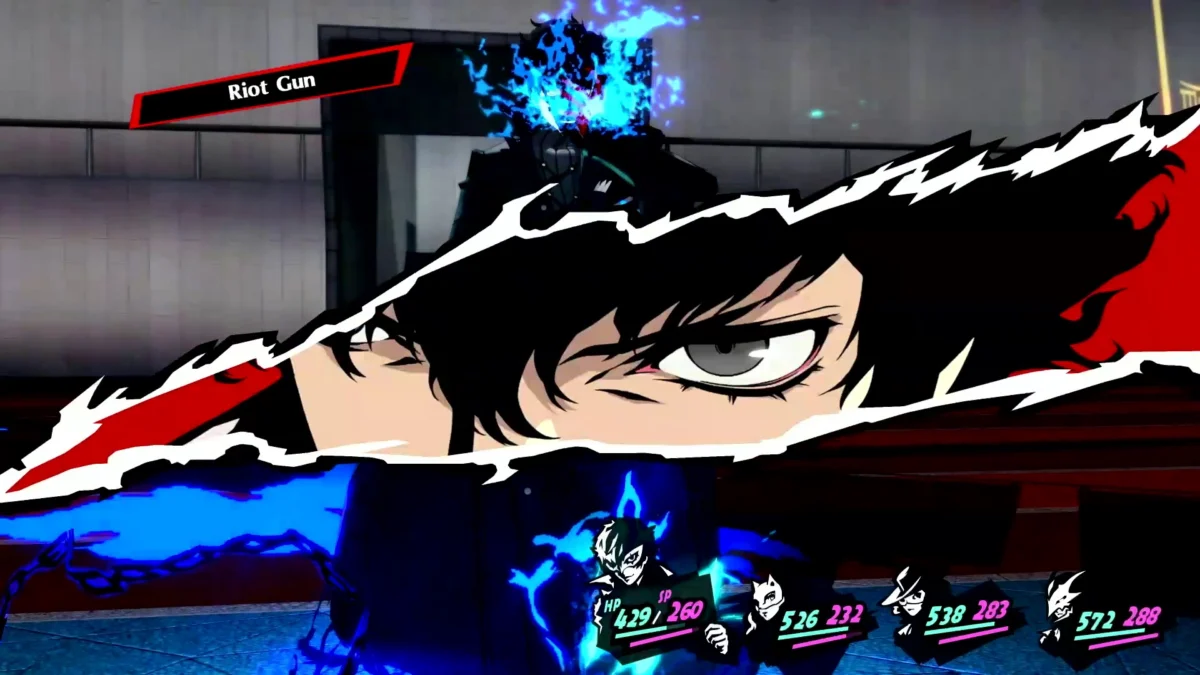
In the landscape of modern Japanese role-playing games (JRPGs), few titles have achieved the cultural ubiquity of Persona 5 Royal. Following its initial 2017 debut as Persona 5 and its subsequent "definitive" expansion in 2020, the game has been hailed by many as a masterpiece of aesthetic design, mechanical depth, and narrative ambition. However, as the initial fervor subsides and the title enters the broader gaming canon, a growing contingent of critics and long-term players are beginning to look past the vibrant, stylish surface to examine the structural and thematic cracks beneath.
This retrospective analysis synthesizes the experiences of seasoned critics Audra Bowling, Zach Wilkerson, and Michael Sollosi, who have revisited the title to determine whether its 100-plus-hour runtime remains a testament to quality or a cautionary tale of bloat.
The Main Facts: Style vs. Substance
Persona 5 Royal is defined by its unparalleled presentation. From its iconic, high-contrast user interface to the acid-jazz-infused soundtrack by Shoji Meguro, the game serves as a masterclass in visual identity. It remains the gold standard for UI design in the industry, influencing a generation of titles that strive to replicate its kinetic, menu-driven flair.
However, a recurring sentiment among critics is that this "style-over-substance" approach creates an illusion of depth that the narrative occasionally fails to support. While the game presents a complex urban fantasy setting, the actual thematic exploration often falls into a cycle of repetition. The dialogue frequently hammers home concepts like "corrupt adults" to the point of exhaustion, leaving little room for the player to draw their own conclusions. What should be a nuanced critique of societal power structures often devolves into a series of predictable, repetitive mantras.
Chronology of the Experience
To understand the division in public opinion, one must look at the "lifecycle" of a Persona 5 playthrough. The game is structured around a rigid calendar system that forces players to balance dungeon crawling with "Confidant" social link management.
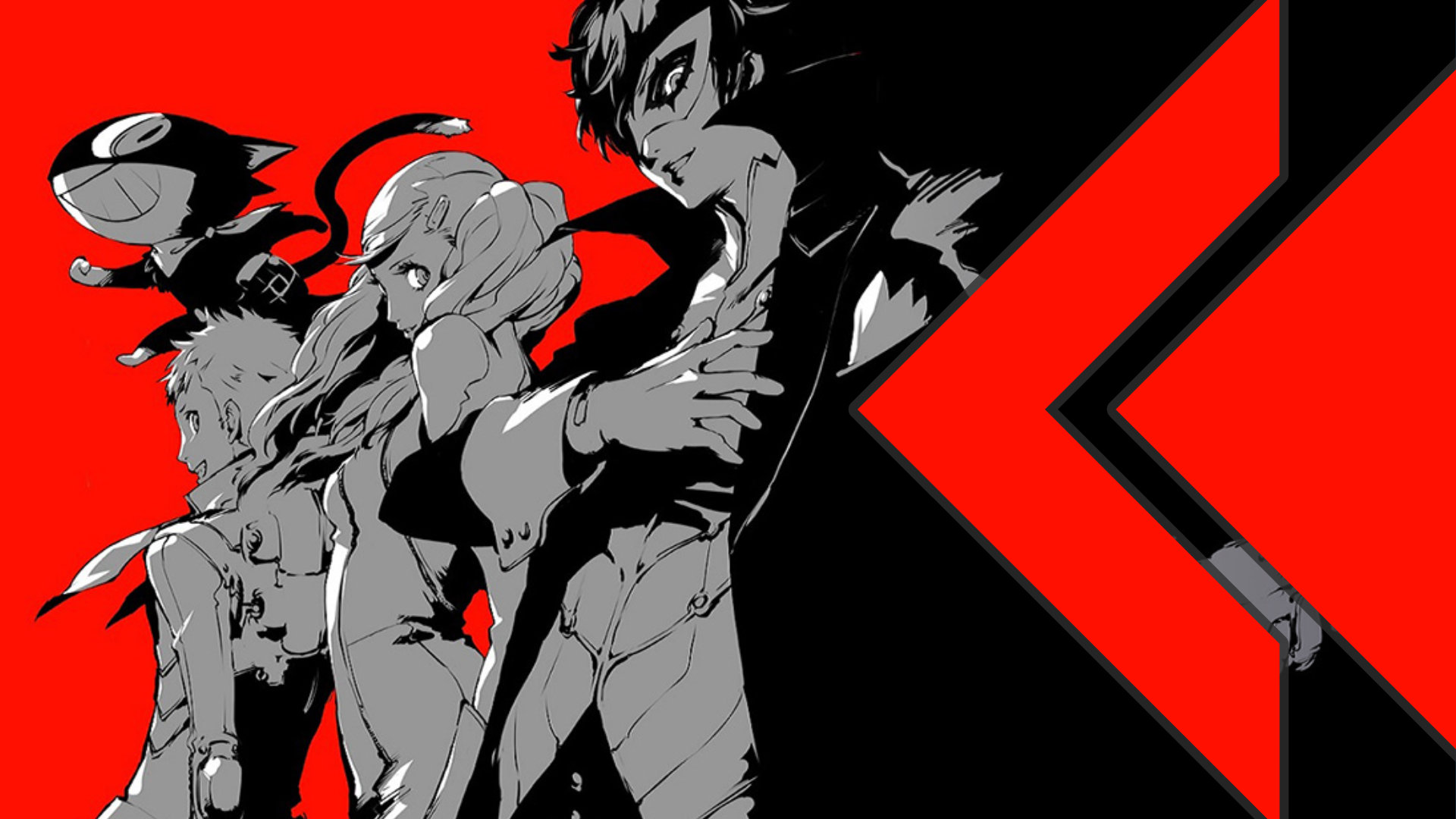
- The Hook (Hours 1–20): Players are introduced to a slick, high-stakes heist narrative. The novelty of the stylish UI, the mystery of the Metaverse, and the tight, puzzle-oriented dungeon designs create a compelling initial experience.
- The Grind (Hours 21–80): As the calendar progresses, the pacing issues become apparent. The reliance on the randomized, procedurally generated "Mementos" dungeon acts as a jarring departure from the hand-crafted, creative palaces found elsewhere in the game. The social link system, while charming, begins to feel disconnected from the central plot, turning personal growth into a series of disjointed time-management chores.
- The Expansion (Hours 81–110+): Royal introduces new narrative arcs, including the characters Kasumi and Maruki and a revamped path for Akechi. While these additions are objectively high-quality—with Akechi’s late-game development standing out as a significant highlight—they exacerbate the game’s primary weakness: it is simply too long.
Supporting Data: The Cost of Engagement
The primary point of contention for veteran players is the "Time Investment vs. Narrative Payoff" ratio. Critics note that spending over 100 hours in a single playthrough is an immense commitment that reveals the game’s lack of narrative efficiency.
- Dialogue Density: A significant portion of the runtime is occupied by unskippable, redundant text conversations that reiterate information the player has already parsed. This creates a "passive" experience, where the player is often relegated to a spectator in their own story.
- The "Double-Edged Sword" of Content: While the Royal content is technically superior to the base game, it adds substantial padding. For players who were already feeling the strain of the base game’s length, these additions feel less like a bonus and more like an endurance test.
- Pacing Constraints: The calendar system is intended to mirror real-world pressures, but it often backfires. Players who complete dungeons early are left with "dead air" in the calendar, forcing them to engage in repetitive tasks to fill the time, which ultimately drags down the game’s momentum.
Official Responses and Public Reception
The discourse surrounding Persona 5 Royal remains bifurcated. On one hand, the game holds a high aggregate score on major review platforms, with many praising its "completeness." It is undeniably a polished product, offering a level of polish and mechanical refinement rarely seen in the genre.
Conversely, long-term critiques—such as those articulated by Zach Wilkerson—argue that the game’s critical acclaim might be a byproduct of its presentation rather than its core writing. When stripped of its music and visual flair, critics contend that the game’s cast relies heavily on archetypal tropes, and the central plot often fails to "congeal" into a coherent message. These critics argue that the game is not necessarily "mediocre," but rather that it is a victim of its own excess, failing to respect the player’s time.
Implications for the Future of the Franchise
The lessons learned from Persona 5 Royal are critical as Atlus looks toward the development of Persona 6. The industry is currently at a turning point where "bigger" is no longer automatically equated with "better."
1. The Necessity of Narrative Efficiency
Future installments must address the repetitive nature of the dialogue. The "show, don’t tell" principle is essential for a game that spans dozens of hours; relying on constant, verbose recaps of the plot undermines the player’s intelligence and kills the pacing.

2. Balancing the Calendar
The calendar system is a signature element of the series, but it requires more flexibility. Integrating side stories and character development more organically into the main narrative flow—rather than segmenting them into "time management" blocks—would create a more immersive and less "gamey" experience.
3. Quality vs. Padding
The Royal expansion proved that adding content is not always the answer. If a game is already 80 to 90 hours long, additional content should be transformative rather than additive. Future entries should focus on tightening the narrative focus and ensuring that every hour spent playing feels intentional and purposeful.
Conclusion
Persona 5 Royal remains a landmark achievement in art direction, UI design, and musical composition. For newcomers to the series, it serves as the definitive way to experience the Persona 5 world. However, for those who value narrative cohesion and pacing, the game represents a fascinating paradox: it is both a highly polished adventure and a bloated experience that struggles to justify its own duration.
As the gaming community looks to the future, Persona 5 Royal stands as a reminder that even the most celebrated titles are not immune to the pressures of time and the necessity of critique. Whether it is remembered as a timeless classic or a relic of a "bigger is better" era will depend on how the Persona franchise evolves in the years to come. For now, the takeaway is clear: when taking your time, ensure that the time taken is truly worth the journey.











No comments yet. Be the first to join the conversation!