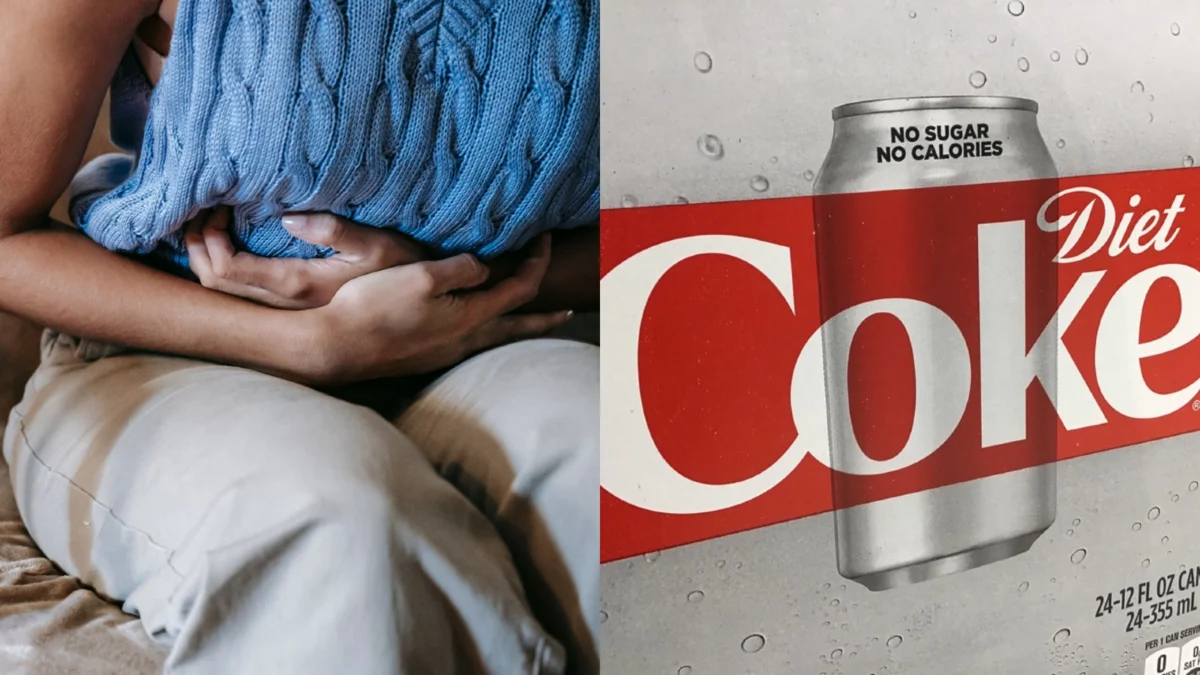
In a medical case that blurs the line between conventional gastroenterology and unconventional home remedies, a 63-year-old Massachusetts woman successfully treated a life-threatening gastric obstruction using an unlikely prescription: 1.5 liters of Diet Coke per day.
The incident, which has garnered significant attention within the medical community, highlights the emerging complexities associated with the rise of GLP-1 receptor agonists—the class of drugs that includes Ozempic and Wegovy. While these medications have revolutionized the treatment of type 2 diabetes and obesity, this case serves as a stark reminder of the physiological trade-offs involved in their use.
Main Facts: The Intersection of Ozempic and Obstruction
The patient, who had been managing type 2 diabetes and obesity, had experienced notable success with semaglutide, a GLP-1 receptor agonist. Over the course of a single year, she achieved a weight loss of 40 pounds. However, this clinical success was soon overshadowed by the development of a severe, persistent abdominal condition.
The woman presented to her physicians with a burning, localized pain in her upper abdomen, right side, and back. Initially dismissing the discomfort as a standard case of acid reflux, she attempted to manage the symptoms with over-the-counter remedies. When these failed to provide relief, her medical team performed an endoscopy. The procedure revealed a startling discovery: a large, firm mass known as a gastric bezoar.
A bezoar is a solid mass of indigestible material that accumulates in the digestive tract, sometimes becoming trapped in the stomach. In this instance, the mass was composed of undigested food matter—a complication the doctors linked directly to the patient’s semaglutide regimen.
A Chronology of the Crisis
The trajectory of the patient’s condition illustrates the speed with which a benign side effect can escalate into a clinical emergency.
- Initial Treatment: The patient began a course of semaglutide to address her metabolic health. The drug functioned as intended, suppressing her appetite and leading to significant weight loss.
- Onset of Symptoms: As the medication slowed her gastric emptying—a primary mechanism by which GLP-1 drugs induce satiety—undigested food began to accumulate in her stomach.
- The Diagnostic Phase: Following weeks of increasing pain, the patient sought professional help. The endoscopy confirmed the presence of a substantial bezoar.
- The "Soda Protocol": Recognizing that invasive surgical removal carried its own set of risks, the medical team opted for a conservative, pharmacological approach. They instructed the patient to ingest 1.5 liters of diet soda daily.
- Resolution: Within 48 hours of starting the soda regimen, the patient reported a "tugging" sensation in her abdomen, followed by immediate relief. A follow-up endoscopy confirmed that the mass had completely dissolved.
Supporting Data: Understanding Gastric Bezoars
Gastric bezoars are statistically rare, appearing in fewer than 0.5% of all endoscopic examinations. However, their rarity does not diminish their potential severity. Bezoars can lead to gastric outlet obstruction, mucosal ulceration, and, in severe cases, perforation of the stomach lining.
The mechanism behind their formation in the context of GLP-1 therapy is rooted in "delayed gastric emptying." By signaling to the brain that the stomach is full and slowing down the digestive process, these drugs can leave food particles in the stomach for longer than is physiologically typical. If these particles clump together, they form a matrix that hardens into a mass.
The use of cola to dissolve these masses is not entirely without precedent. Medical literature has documented the efficacy of carbonated beverages in breaking down phytobezoars (masses made of plant material) for decades. The exact reason for this efficacy remains a subject of debate. Researchers hypothesize that a combination of the soda’s acidity (carbonic and phosphoric acid) and the mechanical action of carbonation bubbles may work in tandem to break down the fibrous structure of the mass.
Official Responses and Scientific Inquiry
The medical team responsible for the patient’s care, whose findings were detailed in recent medical publications, expressed a mix of relief and scientific curiosity. "It is not well understood whether acidity, carbonation, or another mechanism accounts for the dissolution of the bezoar," the report noted.

This uncertainty highlights a broader gap in current knowledge regarding the long-term impact of chronic GLP-1 usage on digestive mechanics. While pharmaceutical manufacturers provide warnings regarding gastrointestinal side effects, the specific risk of bezoar formation is only beginning to be cataloged as a known, albeit rare, complication.
The report emphasized the importance of cost-effective, non-invasive interventions. "Bezoars formed from food material may be initially managed with oral administration of cola in patients in a clinically stable condition," the authors concluded. "This intervention is generally cost-effective and is associated with a lower risk of complications than invasive procedures."
Implications for the Future of Weight-Loss Medication
The case of the Massachusetts patient raises critical questions for both the pharmaceutical industry and the millions of people currently taking GLP-1 receptor agonists. As these drugs move from niche diabetes treatments to mainstream weight-loss solutions, the medical community must prepare for a wider spectrum of side effects.
1. Patient Education and Monitoring
Patients on GLP-1 therapy must be better educated about the symptoms of gastric distress. What a patient might assume is "heartburn" could actually be the early warning sign of a mechanical obstruction. Physicians may need to implement more rigorous screening protocols for patients who report persistent abdominal pain while on these medications.
2. Redefining "Standard of Care"
The success of the "Diet Coke protocol" suggests that for certain GI complications, simple, accessible interventions can be more effective than complex surgical interventions. This case may encourage hospitals to standardize the use of carbonated beverages as a first-line treatment for soft, food-based bezoars, potentially saving the healthcare system significant costs and sparing patients from the risks of general anesthesia and endoscopy.
3. The Need for Further Research
The medical community is currently in a "wait and see" phase regarding the long-term effects of GLP-1s. While these drugs are undoubtedly effective for weight loss, the potential for chronic slowing of the digestive system warrants deeper, longitudinal studies. If a "simple" soda treatment can dissolve a bezoar, what other subtle, long-term impacts might these drugs be having on the digestive tract’s microbiome or nutrient absorption rates?
4. A Note of Caution
While this story has captured the public imagination, medical professionals warn against self-medicating with large amounts of soda for any abdominal pain. The patient in this case was under the direct supervision of doctors who had verified the nature of her obstruction via endoscopy. Attempting to "dissolve" an unknown mass with soda could be dangerous if the mass is actually an obstruction caused by something else, or if the patient has underlying health conditions (such as severe acid reflux or kidney issues) that could be exacerbated by high soda consumption.
Conclusion
The story of the woman and her "prescription" soda is a fascinating intersection of modern pharmacology and old-fashioned trial-and-error medicine. It serves as a reminder that even in the age of high-tech medicine, solutions can sometimes be found in the most mundane places. As GLP-1 receptor agonists continue to reshape the landscape of obesity treatment, cases like this will likely become more frequent, serving as essential case studies for the doctors of tomorrow.
Ultimately, while the Diet Coke solution provided a quick and painless resolution, the primary takeaway is the importance of vigilant medical oversight. Weight loss is a significant health goal, but it must be pursued with a full understanding of how these powerful medications interact with the complex, delicate machinery of the human digestive system.