

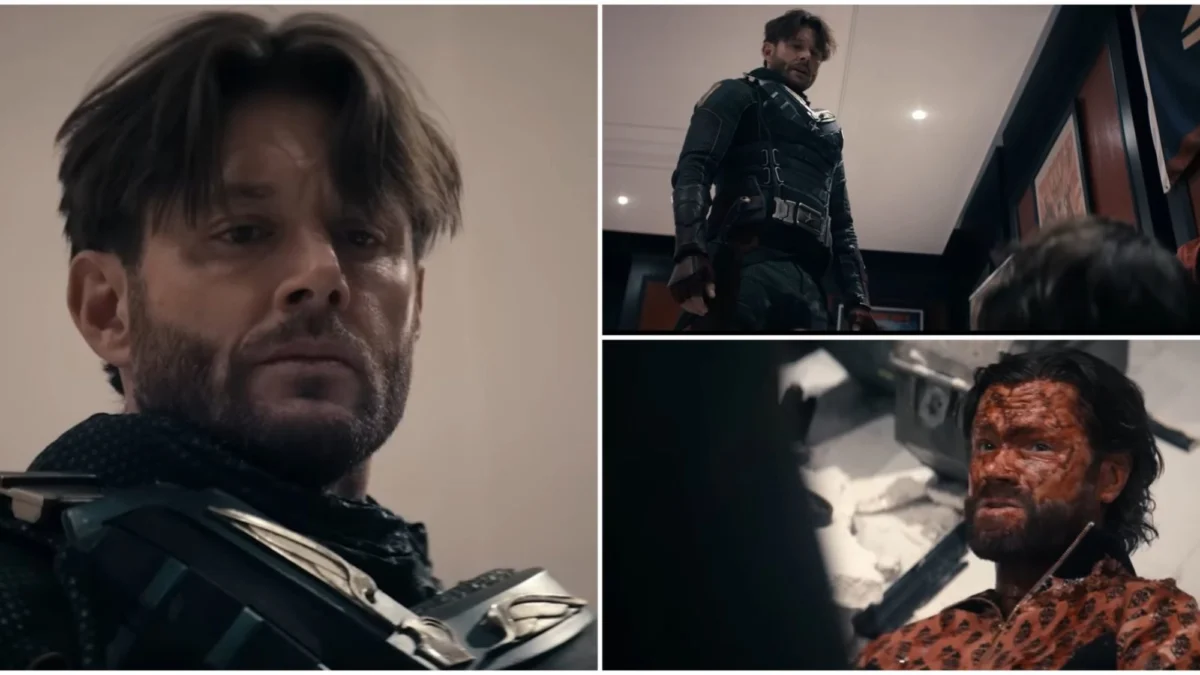
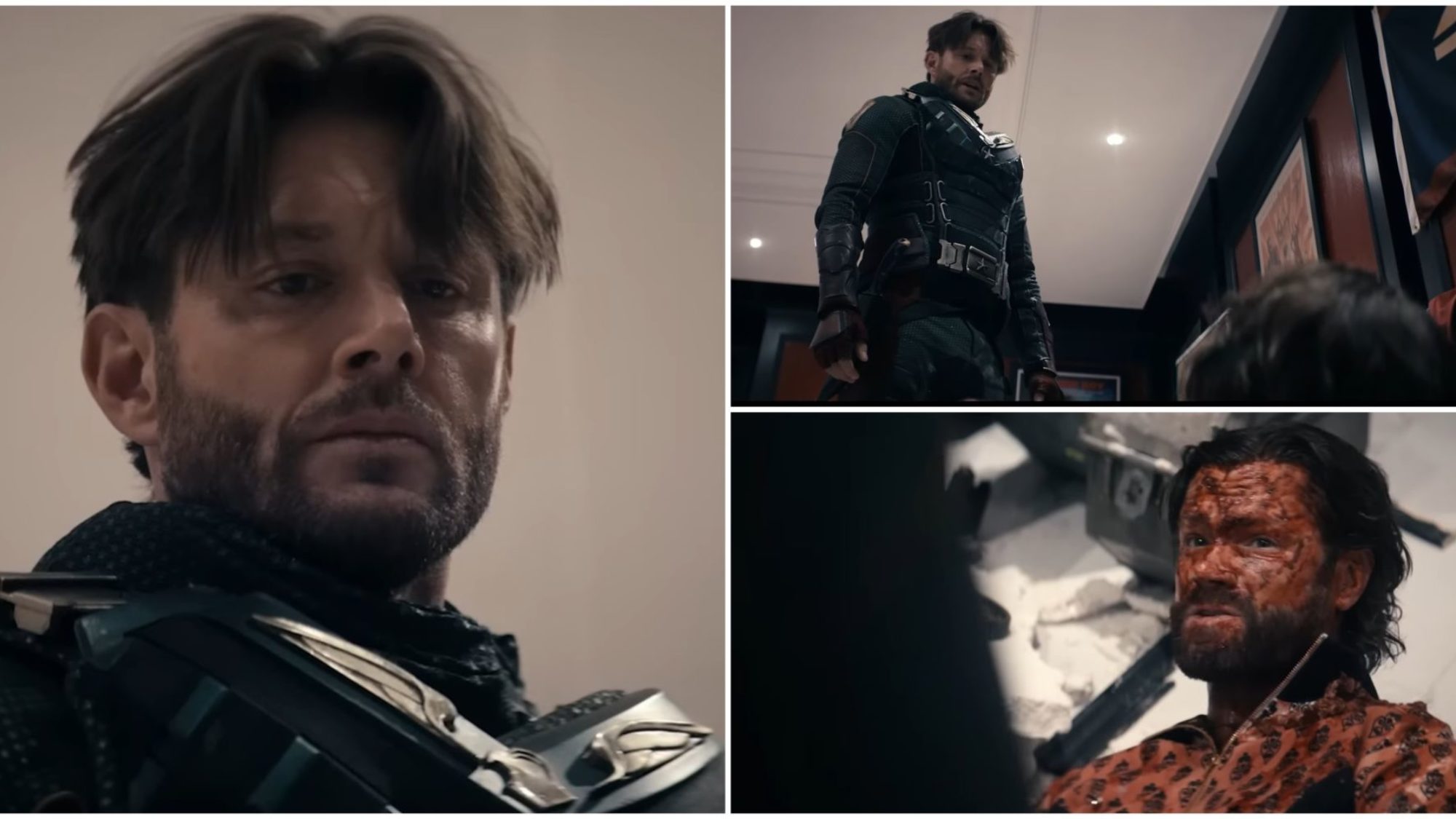
The long-awaited reunion of the Supernatural triumvirate—Jensen Ackles, Jared Padalecki, and Misha Collins—in the latest season of Amazon’s hit series The Boys served as a landmark moment for television fandom. For fifteen years, these actors defined the cultural zeitgeist through their portrayals of Sam and Dean Winchester and the angel Castiel. However, when the three stars finally shared the screen again in the The Boys episode "One-Shots," they did so not as hunters of the supernatural, but as the chaotic, morally bankrupt “supes” of Eric Kripke’s satirical universe.
While the cameo-heavy episode was a chaotic thrill ride for long-time fans, it left many wondering about the creative choices behind the scenes. Specifically, showrunner Eric Kripke has revealed a fascinating "moral line" he drew during the writing process: a refusal to allow Jensen Ackles’ character, Soldier Boy, to be the one who kills Jared Padalecki’s character, Mister Marathon.
The Context: A Meta-Narrative Reunion
The episode "One-Shots" was arguably the most anticipated installment of the season. It featured a high-stakes sequence where Homelander (Antony Starr) and his biological father, the erratic Soldier Boy, track down the original Compound V—the source of their power—at a celebrity poker game hosted by the speedster Mister Marathon.
The scene is quintessential The Boys: violent, cynical, and deeply self-aware. The mansion is populated by hyper-real, smarmy versions of real-world celebrities like Seth Rogen, Kumail Nanjiani, and Craig Robinson, all of whom seem painfully aware that they are living in a world where supes can turn them into collateral damage at a moment’s notice. When the tension peaks, it culminates in the brutal dispatching of these guest stars, ending with a shocking and visceral death for Padalecki’s character.
The Chronology of the Confrontation
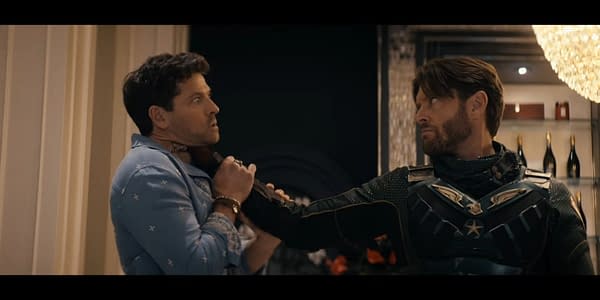
The sequence of events leading to the climax is a masterclass in tension and escalation. As Homelander and Soldier Boy pursue their objective, they encounter Malchemical (Misha Collins), whose unique powers allow him to temporarily neutralize Homelander. In an act of uncharacteristic loyalty, Soldier Boy intervenes, killing Malchemical by breaking his neck.
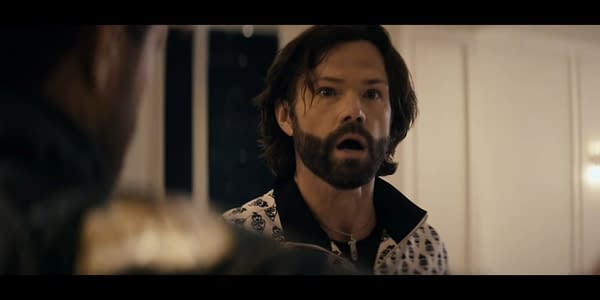
This action triggers a frantic, cocaine-fueled response from Mister Marathon (Padalecki). Driven by a mixture of panic and hubris, the speedster attempts to retaliate. However, in the brutal, unpredictable environment of The Boys, even speed is no match for raw power and cruelty. After a series of missteps—including tripping on baby oil in the chaos of the mansion—Mister Marathon is left incapacitated.
It is at this juncture that the creative team had to make a pivotal choice: who delivers the killing blow? According to Kripke, the script could easily have had Soldier Boy execute his former co-star. Instead, the scene shifts to feature Homelander, who delivers the fatal, visceral blow, crushing the speedster’s head.
Creative Integrity and the "Supernatural" Shadow
In a recent interview with TV Insider, Eric Kripke addressed why he felt compelled to intervene in the narrative arc of these guest appearances. For Kripke, who created both Supernatural and The Boys, the weight of history was impossible to ignore.
"It’s funny that you say that, and maybe it’s my sentimentality for the guys," Kripke explained. "It would have been very easy to have had Soldier Boy kill Mister Marathon in that moment, but there was something about it where I was like, ‘It doesn’t feel right to me to have Jensen kill Jared.’ It made me feel, you know, sketchy."
Kripke’s admission highlights the unique position of a showrunner balancing fan expectations with his own emotional connection to his cast. For the audience, the "Supernatural" reunion was a meta-textual Easter egg. For Kripke, it was a reunion of friends with whom he had spent over a decade building a television legacy. By ensuring that Homelander—a character entirely disconnected from the Winchester mythos—was the executioner, Kripke effectively decoupled the actors’ pasts from the brutality of his current show, preserving a sense of professional boundaries.
Addressing the Fandom: The "Destiel" Factor
The discussion surrounding the reunion also touched upon the persistent and passionate fan theories regarding the relationship between Castiel and Dean Winchester, famously dubbed "Destiel." When questioned about whether Misha Collins’ character, Malchemical, was written as an intentional nod to these fan-led narratives, Kripke was quick to clarify.
"No, that was never part of the discussion," Kripke laughed, acknowledging the sheer fervor of the Supernatural fanbase. He emphasized his appreciation for the audience’s investment, noting, "Look, the ‘Supernatural’ fans and the Destiel proponents, God love them all and keep on doing it. I want the audience to embrace and love whatever they’re passionate about. That’s one where I’m choosing to leave it up to audience interpretation."
This measured response underscores a shift in how modern showrunners interact with fandoms. Rather than outright dismissing fan interpretations, Kripke chooses to respect the fan-driven mythology as an extension of the viewing experience, provided it doesn’t dictate the structural integrity of his own narrative.
Implications for Future Crossovers
The decision to avoid an Ackles-on-Padalecki kill-shot serves as a case study in "narrative protection." In an era where television shows are increasingly reliant on cameos and fan service to drive social media engagement, the creative choices made by showrunners like Kripke remain crucial.
By prioritizing the emotional comfort of the performers and the sanctity of the Supernatural legacy, Kripke demonstrated that even in a show as cynical and violent as The Boys, there is a place for behind-the-scenes sentimentality. The episode "One-Shots" didn’t just provide a quick laugh or a shock-value death; it provided a window into the protective nature of showrunners toward their long-term collaborators.
Furthermore, this decision highlights the evolving nature of the "guest star" role in prestige streaming dramas. By casting Padalecki, Ackles, and Collins as characters that subvert their archetypal "heroic" roles from Supernatural, the show was able to satisfy fans without being held hostage by their past personas. The fact that the killing blow was handed to Homelander—the series’ primary antagonist—serves the internal logic of The Boys while shielding the actors from the potentially awkward optics of a "Winchester vs. Winchester" death scene.
Conclusion
The Supernatural reunion on The Boys was more than just a fleeting moment of nostalgia; it was a carefully curated sequence that navigated the fine line between satisfying audience hunger and maintaining creative autonomy. Eric Kripke’s refusal to have Jensen Ackles kill Jared Padalecki is a small but telling detail that speaks volumes about the culture of respect within the television industry.
As The Boys heads toward its series finale, episodes like "One-Shots" remind viewers that the show’s success lies not just in its graphic violence or biting social commentary, but in the deliberate, thoughtful decisions made by its creative team. For now, the legacy of the Winchesters remains untarnished by the bloodshed of Vought International, leaving fans to appreciate the reunion for what it was: a clever, meta-narrative wink, handled with just enough heart to keep the "sketchiness" at bay.










No comments yet. Be the first to join the conversation!