

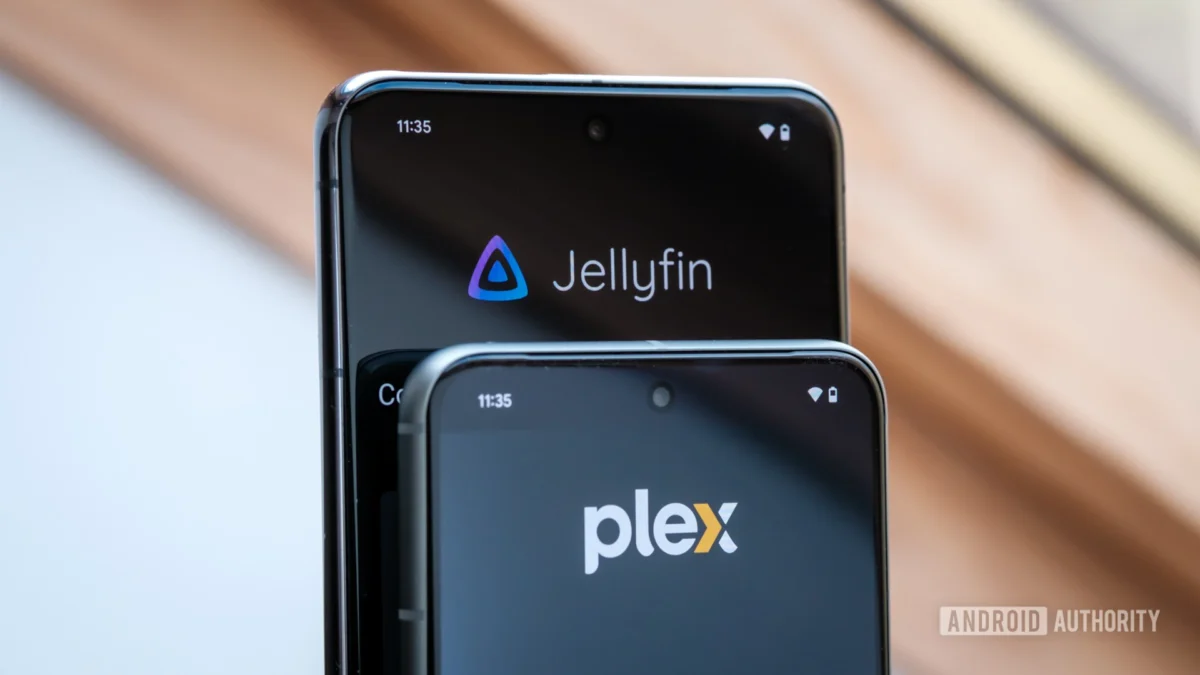
The self-hosting community is currently navigating a tectonic shift in its relationship with media management software. For over a decade, Plex has been the undisputed titan of home media servers, transforming disorganized folders of MKVs and MP3s into a Netflix-like streaming experience. However, a growing trend of "feature gating"—where core functionalities are locked behind subscription paywalls—has alienated a significant portion of the platform’s most dedicated power users.
At the center of this controversy is the philosophical divide between proprietary, service-oriented software and the pure, open-source ethos of total ownership. As Plex continues to introduce new costs for accessing one’s own data, the open-source alternative, Jellyfin, has emerged not just as a free substitute, but as a robust, feature-rich rival that refuses to put a price tag on your personal library.
Main Facts: The Anatomy of the Paywall
The current friction stems from a fundamental disagreement over what constitutes "value" in a self-hosted environment. Plex operates on a freemium model where the core server is free, but advanced features—such as hardware-accelerated transcoding, mobile sync, and, most controversially, certain remote streaming capabilities—require a "Plex Pass" subscription.
The crux of the recent outcry involves the restriction of remote viewing. Plex’s decision to limit access to one’s own media outside the home network, unless specific conditions are met, has been perceived by many as a "toll booth" on personal property. While Plex maintains that these fees support the ongoing development of their ecosystem, critics argue that they are essentially charging users a recurring fee to bypass limitations that the company itself created.
To circumvent these costs, users are increasingly turning to free, third-party networking solutions like Tailscale. By utilizing a Virtual Private Network (VPN) or a mesh network, users can securely tunnel into their home networks from anywhere in the world, effectively bypassing the need for Plex’s proprietary remote access gateways entirely. This shift has prompted a broader question: If a user has to engineer their own networking solution to avoid a paywall, why remain tethered to the software imposing that paywall in the first place?
Chronology of a Shift
The evolution of the media server landscape has been marked by several key phases:
- 2008–2015: The Rise of Plex. Plex emerged as a polished fork of XBMC (now Kodi), quickly capturing the market by offering an intuitive interface that "just worked" across various devices.
- 2016–2018: The Forking of Emby and the Birth of Jellyfin. As Emby moved toward a more closed-source model, a group of developers forked the last fully open-source version of Emby to create Jellyfin. This marked the start of a dedicated, community-driven alternative.
- 2019–2022: The "Feature Creep" Era. Plex began expanding into ad-supported streaming services (FAST channels), music streaming, and news. While this attracted casual users, it frustrated purists who felt the software was becoming bloated and moving away from its roots as a local media manager.
- 2023–2025: The Paywall Intensification. With the introduction of stricter remote access policies and increased pricing for Plex Pass, the community began to view Plex less as a utility and more as a service provider, sparking a mass migration to Jellyfin, which recently achieved major milestones like native Samsung Tizen TV support.
Supporting Data: Feature Parity and Performance
When comparing the two platforms, the data points to a closing gap in performance and capability.
Hardware Transcoding
For many, the biggest draw of a paid Plex Pass is hardware-accelerated transcoding—the ability of the server to convert media formats on the fly to fit the capabilities of the playback device. Plex charges for this. Jellyfin includes it for free. Whether you are using an Intel QuickSync iGPU, an NVIDIA GPU, or an AMD card, Jellyfin handles the heavy lifting without requiring a subscription.
Library Scaling
Jellyfin has proven itself capable of managing massive libraries. Users frequently report seamless navigation across libraries exceeding 10,000 items. Recent updates have introduced a faster database architecture, significantly reducing metadata load times.
Client Support
The "Jellyfin is barebones" argument is increasingly obsolete. With native apps now available for:
- Mobile: Android and iOS/iPadOS.
- TVs: Android TV, Apple TV, Fire TV, and the newly added Samsung Tizen support.
- Gaming Consoles: Xbox.
- Browsers: Full support for HEVC and modern codecs.
Official Responses and Industry Context
Plex has historically defended its pricing structure by citing the high costs of maintaining relay servers, global authentication systems, and the development of high-end features like Plex Dash and advanced DVR capabilities. From the company’s perspective, the "Plex Pass" is a subscription to a premium experience that goes beyond simple file serving.
However, the self-hosting community—represented by forums like r/selfhosted and various tech blogs—often views these justifications as insufficient. The community argument is that the server owner is already providing the hardware, the electricity, the bandwidth, and the media storage. When the software provider then restricts access to that hardware, the "value proposition" of the software is fundamentally undermined.
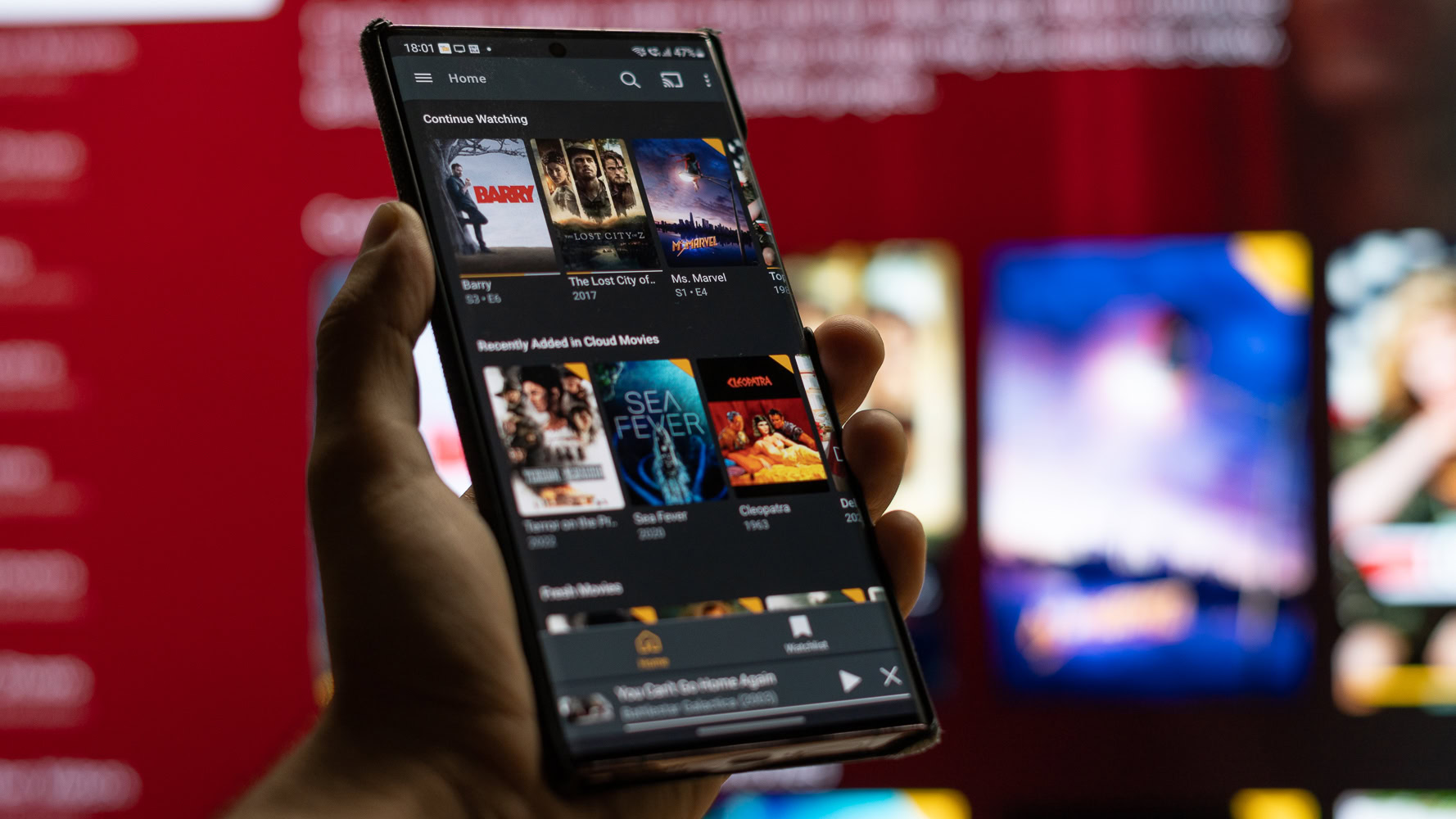
Implications: The Future of Self-Hosting
The implications of this shift are profound. We are witnessing a maturation of the open-source media ecosystem.
1. The Death of the "One-Click" Monopoly
For years, Plex benefited from the fact that it was the only option that felt "professional." Today, the barrier to entry for Jellyfin has been lowered by the availability of containerized deployments (Docker), making it just as easy to install as Plex.
2. Migration as a Standard Practice
The development of migration tools like migrate-plex-to-jellyfin and JellyPlex-Watched signals that switching is no longer a "niche" activity. Users are now actively preparing for a post-Plex world by ensuring their data remains portable.
3. A Return to "Data Sovereignty"
The ultimate implication is a return to the true definition of self-hosting: the absolute control of one’s digital assets. When a user relies on a proprietary server to access their own files, they are subject to that company’s business decisions. By moving to an open-source model, users ensure that their ability to watch their own movies is governed by their own hardware and software choices, not by a corporate subscription model.
Conclusion: How to Make the Switch
If you are feeling the "nickel-and-diming" pressure of the current Plex ecosystem, the recommendation is not to delete your library, but to experiment. Running Jellyfin alongside Plex in a Docker container is a low-risk, high-reward endeavor.
Point both servers to the same media folders. Spend a week using Jellyfin. You may find that the minor loss of convenience is far outweighed by the freedom of a system that belongs entirely to you. As Jellyfin continues to iterate at an accelerated pace, the "Plex faithful" may soon find that the only thing holding them back is the inertia of habit. In the landscape of digital ownership, the power is yours—provided you choose the software that respects it.












No comments yet. Be the first to join the conversation!