Rifan Muazin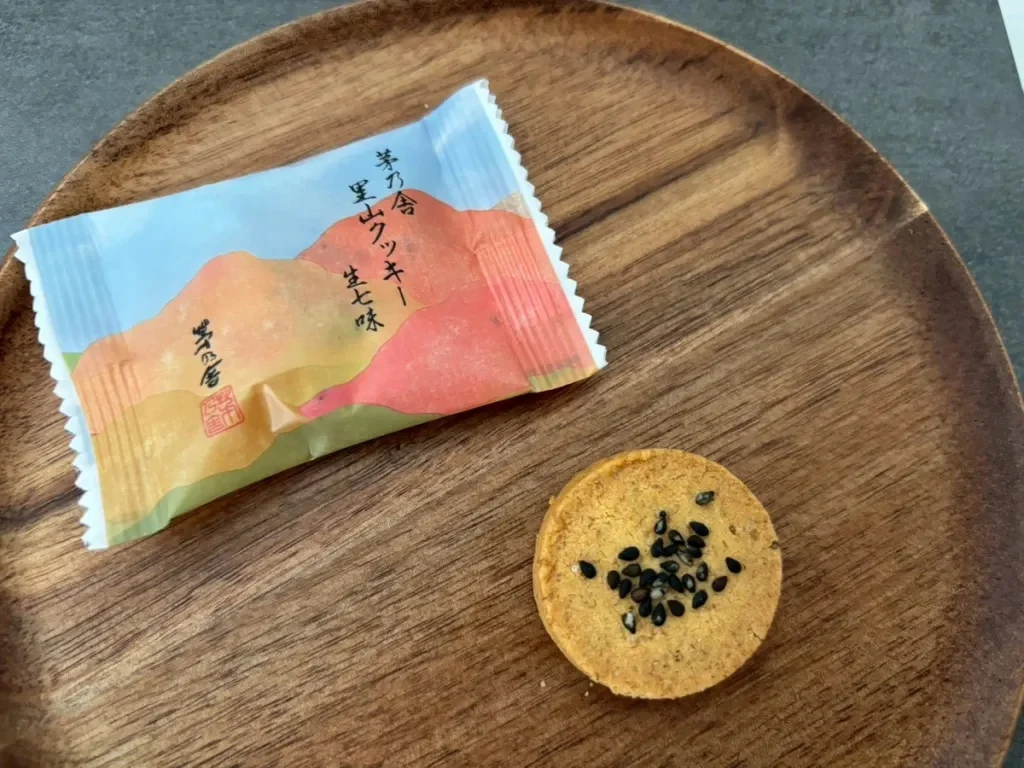
In the world of Japanese culinary arts, few ingredients are as foundational as dashi—the quintessential soup stock that forms the backbone of Japanese cuisine. Founded in 1893, the company Kayanoya has spent over a century perfecting this savory liquid gold. However, their latest venture has sent ripples through the snack industry: a line of "Satoyama Cookies" that daringly bridges the gap between traditional savory stocks and delicate, buttery shortbread.
By blending the aromatic intensity of shichimi (a seven-spice blend) and the umami-rich essence of vegetable dashi with the refined texture of a classic cookie, Kayanoya is challenging the consumer’s definition of a "dessert."
The Evolution of a Culinary Icon
Kayanoya, a subsidiary of the venerable Kubara Honke Group, has long been a household name in Japan for its high-quality, artisanal soup stocks. While the brand is celebrated for its commitment to the satoyama philosophy—a Japanese term denoting the harmonious coexistence of rural human settlements and the surrounding mountain forests—the decision to translate this rustic aesthetic into a box of cookies was a bold pivot.
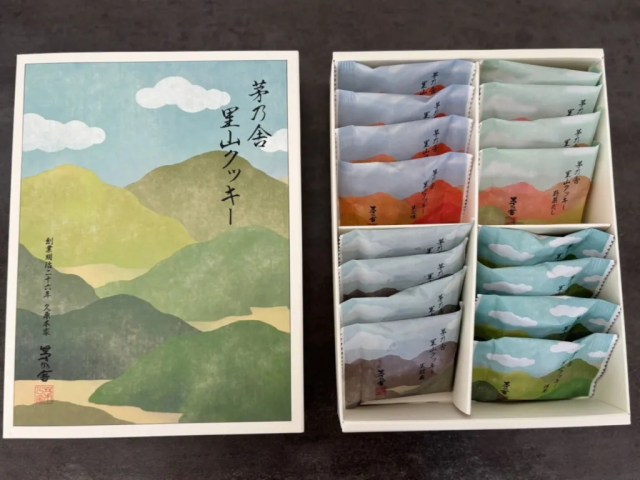
The "Satoyama Cookie" set features 16 cookies across four distinct, avant-garde flavors. The packaging itself is a tribute to the rural landscape, using earthy tones and pastoral illustrations that evoke the very foothills where Kayanoya sources many of its raw ingredients. This is not merely a snack; it is a conceptual piece of edible art that brings the essence of the Japanese countryside into the modern urban kitchen.
A Chronological Journey Through the Tasting
To understand the complexity of these cookies, one must approach them as a progressive tasting menu rather than a simple afternoon snack.
The Foundation: Matcha and Black Sesame
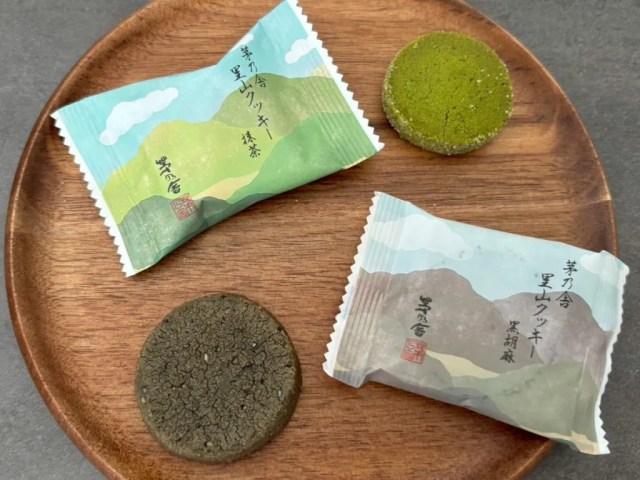
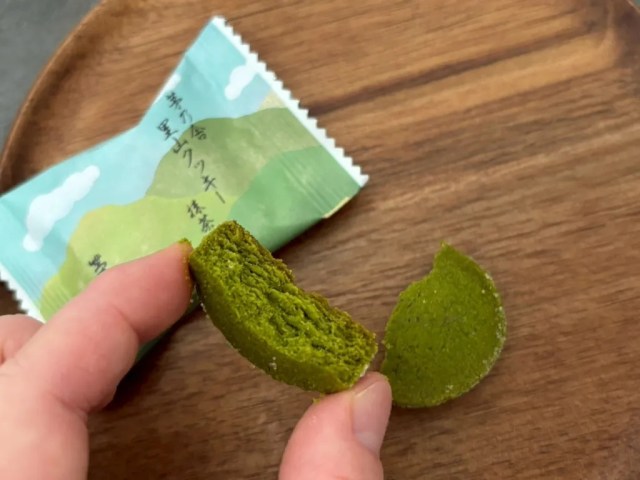
The tasting experience begins with the more traditional offerings: Matcha and Black Sesame. These flavors are well-regarded staples in Japanese confectionery, yet Kayanoya approaches them with a distinct restraint. Unlike mass-produced versions that lean heavily on sugar, these cookies are intentionally dialed back. The result is a sophisticated profile where the earthy, slightly bitter notes of the matcha and the nutty, toasted aroma of the black sesame are allowed to command the palate. The texture is hallmark Japanese—delicate, crisp, and slightly crumbly—providing a perfect structural foil to the deep, nuanced flavors.
The Adventurous Shift: Shichimi
The experience takes a sharp, intriguing turn with the shichimi cookie. Shichimi togarashi is typically an all-purpose seasoning blend, containing red chili pepper, sesame, and the aromatic Japanese pepper sansho.
When one bites into the shichimi cookie, the expectation of a sweet treat is immediately subverted. This is not a "hint of spice" cookie; it is a genuinely piquant experience. The inclusion of sansho provides a numbing, citrusy heat that dances on the tongue, while the red chili provides a lingering warmth. It is a bold choice, likely aimed at the adventurous adult palate rather than the casual snack-seeker. Curiously, while the standard black sesame cookie is devoid of toppings, the shichimi variant is crowned with black sesame seeds, creating a visual and textural contrast that highlights the intensity of the spice blend.

The Grand Finale: The Vegetable Dashi Cookie
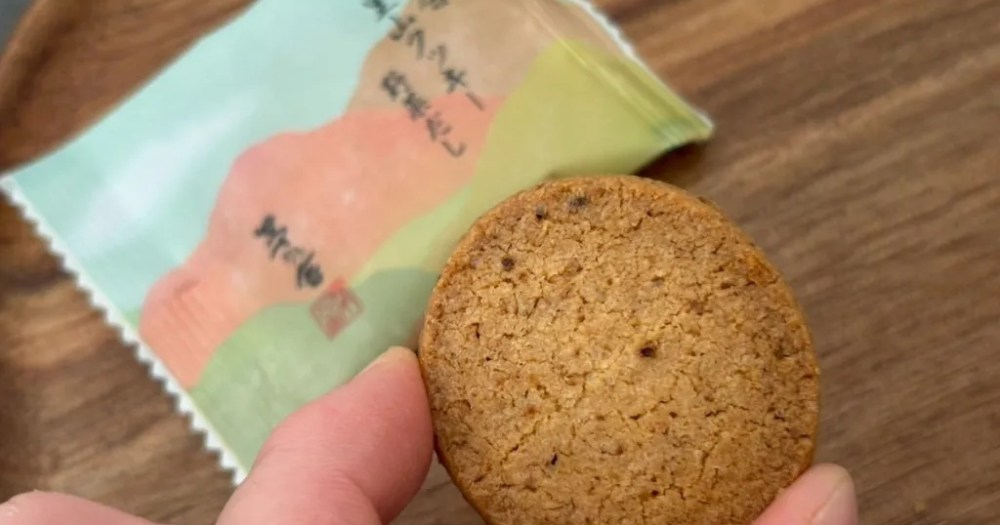
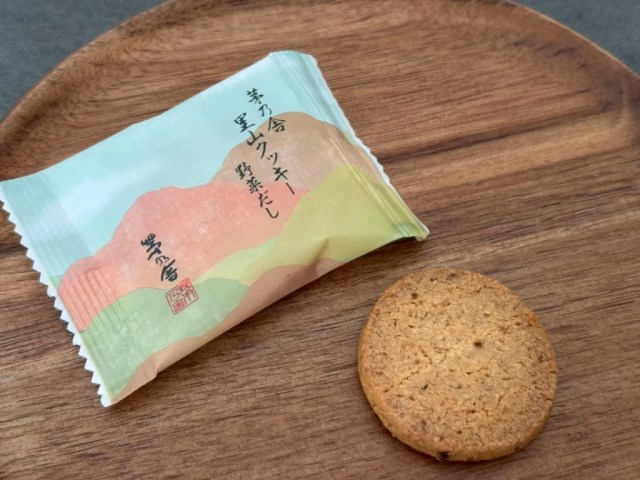
The pinnacle of this collection is the vegetable dashi cookie. Given the brand’s history, the prospect of a "soup stock" cookie is initially jarring. However, Kayanoya has bypassed the fish-based stocks that define many of their savory products in favor of a vegetable-forward infusion.
The recipe incorporates a precise blend of onions, carrots, cabbage, celery, and garlic. Upon the first bite, the flavor profile is unmistakable: the sharp, savory tang of onion takes center stage, reminiscent of a refined French onion soup or the savory consommé flavor found in premium Japanese potato chips. Yet, it remains a cookie. The base dough, rich and buttery, acts as a neutral canvas that supports the savory notes, creating a flavor profile that is surprisingly addictive. It is a masterclass in savory-sweet balance, proving that with enough culinary finesse, even the most unorthodox ingredients can find a home in a dessert.
Supporting Data and Market Reception
The release of the Satoyama Cookies has been met with significant enthusiasm, marking them as one of the most talked-about niche products of the current season.
- Pricing and Accessibility: The 16-piece set is retailed at approximately 2,268 yen (roughly US$15). While premium, the price point aligns with the "gift culture" (temiyage) prevalent in Japan, where high-quality, unique packaging and flavor complexity are highly valued.
- Supply Chain Resilience: The popularity of these cookies was underscored during the recent Mother’s Day weekend. The product sold out rapidly in several Kayanoya locations, forcing the company to ramp up production to meet post-holiday demand.
- Nutritional Philosophy: By opting for vegetable-based dashi instead of bonito or kelp-based variants, Kayanoya has also inadvertently created a product that appeals to those wary of "fishy" dessert experiments, ensuring that the flavor profile remains clean and savory rather than briny or metallic.
Official Corporate Strategy
While Kayanoya has not released a formal statement regarding the specific R&D process behind the dashi cookie, company representatives have previously alluded to a desire to "bridge the gap between the dining table and the tea time."
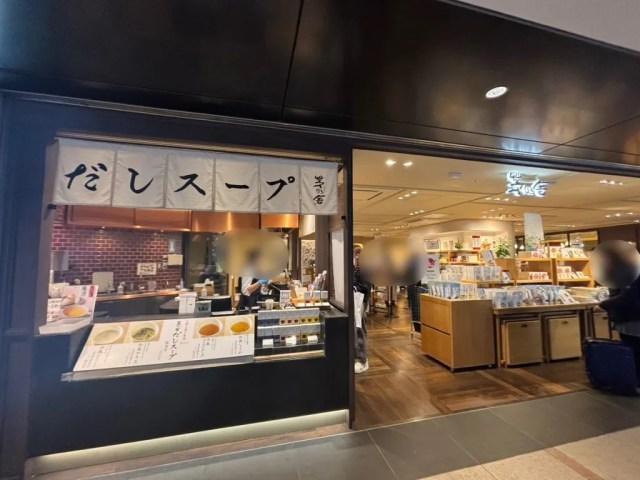
The brand’s retail locations often feature counters serving hot dashi broth, a service that encourages customers to experience the quality of their stock directly. The introduction of the cookie line is an extension of this physical store experience, allowing the consumer to carry the "Kayanoya essence" home in a format that does not require a stove or a soup bowl. It is a strategy designed to cultivate brand loyalty among younger, urban demographics who may not be frequent home-cooks but are highly interested in unique, artisanal culinary experiences.
Implications for the Confectionery Industry
The success of Kayanoya’s experiment carries broader implications for the global confectionery market.
- The "Savory Shift": There is a growing consumer appetite for snacks that challenge the binary of sweet versus savory. Kayanoya’s success suggests that consumers are becoming increasingly comfortable with ingredients that were previously relegated to the dinner plate.
- Ingredient Transparency and Heritage: By leveraging their 130-year-old reputation as a dashi producer, Kayanoya has managed to turn a potentially "weird" product into a "prestige" product. It demonstrates that brand heritage is a powerful vehicle for innovation.
- The Future of Fusion: The "Satoyama" concept proves that Japanese culinary tradition does not have to be static. By recontextualizing the ingredients of the satoyama landscape, the company has created a product that feels both deeply rooted in the past and distinctly modern.
As we look toward the future of the snack industry, it is clear that the lines between culinary disciplines will continue to blur. Kayanoya has successfully demonstrated that if you start with ingredients of exceptional quality, you can take the consumer on a journey that begins with a childhood memory of soup and ends with the sophisticated, crumbly delight of a modern cookie. For the adventurous eater, the Satoyama set is not just a snack; it is a mandatory exploration of how far the boundaries of taste can be stretched.


 Neng Nana
 Asro
Asro