The B2B marketing landscape is undergoing a tectonic shift. As we transition into 2025, the rigid, purely transactional approaches of the past are being rapidly discarded in favor of strategies that prioritize empathy, agility, and authenticity. For modern B2B brands, social media has graduated from a secondary distribution channel to the primary theater for building trust, authority, and, ultimately, sustainable revenue growth.
Drawing from the latest industry insights—including the findings of the Netline B2B Content Consumption Report—and expert dialogues from the Social Pros podcast, it is clear that the brands winning in 2025 are those that treat their professional buyers like human beings rather than mere data points.
Main Facts: The Shift Toward Humanization
The most striking trend for 2025 is the blurring of lines between B2C and B2B marketing. Buyers are no longer willing to engage with "faceless" corporations. Instead, they are gravitating toward brands that showcase transparency, personality, and genuine value.
The core realization for marketers this year is that "B2B" does not stand for "Business to Boring." Whether it is a software suite or a complex supply-chain solution, the decision-maker on the other side of the screen is a person seeking a solution to a specific problem. By adopting storytelling techniques—traditionally the domain of consumer brands—B2B companies are finding that they can forge deeper, more resilient connections with their target audiences.
Chronology of Change: From "Corporate Speak" to "Conversational Marketing"
To understand where we are going, we must look at how we arrived here:
- 2020–2022 (The Digital Pivot): The pandemic forced all B2B interactions online. Companies scrambled to digitize their sales funnels, resulting in a flood of impersonal webinars and whitepapers.
- 2023–2024 (The Content Fatigue): As digital noise reached an all-time high, audiences began to tune out generic, AI-generated content. Marketers realized that quantity was not equal to quality.
- 2025 and Beyond (The Era of Authenticity): The current focus has shifted toward "consumer truth." Brands are now prioritizing content that feels earned, personal, and helpful rather than promotional.
Supporting Data: Why Strategy Must Adapt
The numbers support this pivot. According to recent industry benchmarks, 72% of B2B marketers have reported tangible success in lead generation through short-form video. Furthermore, the Netline B2B Content Consumption Report highlights a growing demand for personalized, digestible content that respects the buyer’s time.
When companies like Salesforce or HubSpot leverage long-form content for deep-dive case studies, they aren’t just selling a product; they are creating a library of knowledge that positions them as indispensable industry partners. The data is clear: when you understand your audience’s "consumer truth," you no longer need massive production budgets. You simply need the courage to be authentic.

Expert Perspectives and Official Responses
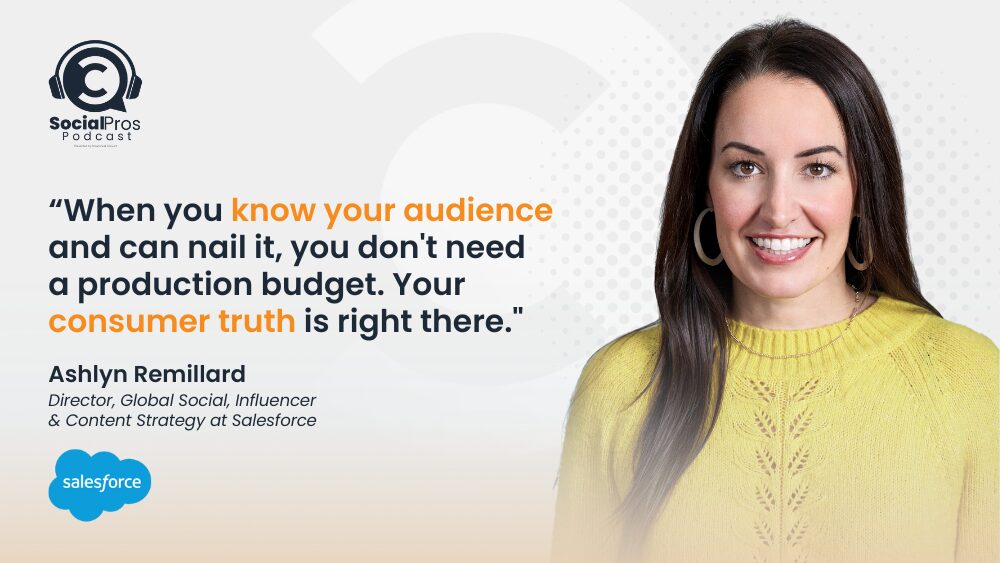
On a recent episode of the Social Pros podcast, experts from Convince & Convert emphasized that the "production value" myth is officially dead. Ashlyn Remillard of Salesforce noted, "When you know your audience, and can nail it, you don’t need a production budget. Your consumer truth is right there."
This sentiment is echoed across the industry. Whether it is through the use of B2B influencers—as seen in Oracle’s highly successful "On the Fly" video series—or the strategic application of AI, the objective remains the same: to reduce the friction between a potential buyer and the solution they desperately need.
Core Pillars of the 2025 Strategy
1. The Video Dichotomy: Short-Form vs. Long-Form
Video is no longer optional; it is the currency of the digital age. However, the type of video matters:
- Short-Form (TikTok, Instagram Reels, LinkedIn Short): Essential for top-of-funnel awareness. These clips should be punchy, human-focused, and address a single, specific pain point.
- Long-Form (YouTube, Webinars): The backbone of the mid-to-bottom funnel. This is where you establish your brand as an authority. Use this space for deep-dive product demos, expert panels, and strategic thought leadership.
2. The Rise of B2B Influencer Marketing
Influencer marketing is not just for sneakers and skincare. In the B2B space, it is about partnering with credible voices who already command the trust of your niche. By leveraging the existing audiences of industry experts, brands can bypass the skepticism that usually accompanies corporate advertising. When an expert endorses your platform, it acts as social proof that no amount of paid search can replicate.
3. AI as a Strategic Catalyst
AI should not be used to replace the human element; it should be used to amplify it. Automation can handle the heavy lifting of campaign timing, content scheduling, and trend identification. By utilizing AI to analyze which pain points are trending in your industry, your team can focus their creative energy on producing high-impact, human-led content.
Implications for B2B Brands
What does this mean for your marketing department as you look toward the next four quarters?
1. Abandon the "One-Size-Fits-All" Content Model:
If your content doesn’t directly address a specific pain point or solve a genuine problem, do not produce it. The days of "filler" blog posts are over. Every piece of content must have a clear purpose in the buyer’s journey.
2. Empower Your Internal Experts:
Your employees are your best influencers. Encourage your subject matter experts to share their perspectives on LinkedIn. When an executive or engineer speaks on behalf of the company, it humanizes the brand in a way that a corporate logo never can.
3. Embrace Data-Driven Empathy:
Use your CRM and social analytics to understand the emotional state of your prospects. Are they stressed by a recent regulatory change? Are they confused by a new technology? Your content should feel like a helping hand, not a sales pitch.
Conclusion: The Path Forward
The roadmap for 2025 is defined by a return to basics: deep understanding, authentic connection, and a relentless focus on the customer’s success. The tools—AI, video, and influencer networks—are more powerful than ever, but they are only as effective as the strategy behind them.
For B2B brands, the competitive advantage in 2025 will not go to the company with the largest budget or the most automated funnel. It will go to the company that can best navigate the human experience, demonstrating empathy for the customer’s challenges and providing clear, actionable solutions.
As we move deeper into the year, now is the time to audit your social media playbook. Ask yourself: Are we acting like a corporation, or are we acting like a partner? The answer to that question will determine your trajectory for the months ahead.
For more insights into optimizing your B2B social media strategy, or to speak with a consultant about navigating these trends, reach out to the team at Convince & Convert today. Your transformation starts with a single, strategic step.