

For the uninitiated, the "Cheap Yellow Display" (CYD) is something of a legend in the DIY electronics community. Typically built around the ESP32-WROOM-32 module and featuring a 2.4-inch or 2.8-inch ILI9341-based touchscreen, these inexpensive boards have become the go-to hardware for tinkerers looking to add a graphical interface to their projects without breaking the bank. While these displays are usually employed for serious tasks—such as home automation dashboards, Wi-Fi signal analyzers, or industrial sensor monitors—a recent development by developer POWER-PILL has shifted the narrative toward the whimsical.
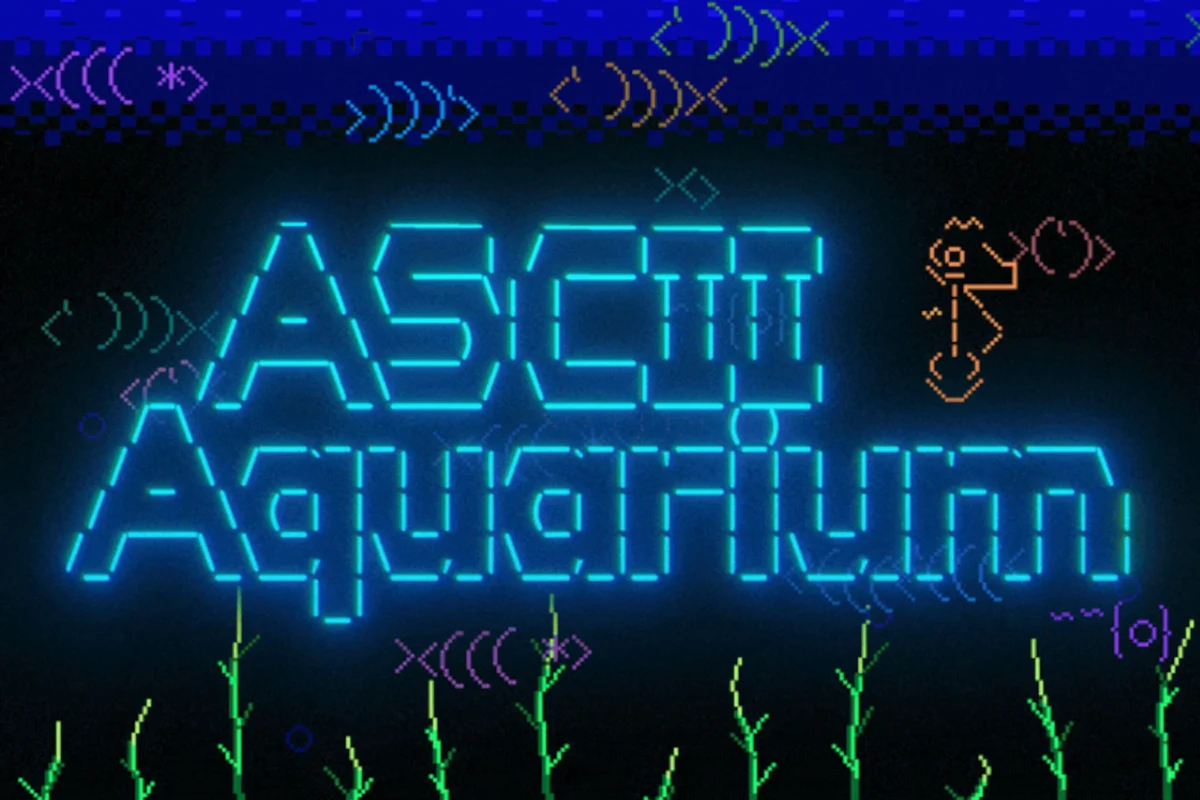
The "ASCII Aquarium," a project recently highlighted by the maker community, proves that sometimes the best use of powerful hardware is to abandon productivity entirely in favor of digital joy. By utilizing the ESP32’s processing capabilities to render a living, breathing, and touch-interactive ecosystem of ASCII-based marine life, this project has become a masterclass in creative coding.
Main Facts: The Intersection of Minimalist Hardware and Creative Software
At its core, the ASCII Aquarium is a firmware application designed specifically for the CYD. It transforms the display from a static utility device into a responsive, virtual desktop companion. Unlike traditional static screensavers, this aquarium utilizes the ESP32’s dual-core processor to handle real-time simulation.
The project features a suite of behaviors that elevate it from a simple looping animation to a dynamic entity:
- Dynamic Behavior: The fish are not merely pixels moving in a set pattern; they school, avoid obstacles, and actively respond to environmental inputs.
- Touch Interactivity: Users can tap the screen to drop "food," prompting the fish to react and swarm toward the feeding site.
- Atmospheric Elements: The aquarium includes swaying seaweed and rising bubbles, adding a layer of depth that creates a surprisingly relaxing visual experience.
- Easter Eggs: Occasional visits from an octopus or a seahorse provide a sense of discovery for the user.
- Smart Features: Despite its playful nature, the project retains functional ESP32 traits, including Wi-Fi time synchronization and the ability to save screenshots to an onboard SD card.
Chronology: From Commodity Component to Desktop Pet
The rise of the CYD as a platform for such projects began with its mass production in the hobbyist market. Because these displays were manufactured in high volume for industrial applications, they flooded sites like AliExpress and Amazon at prices often under $10 USD.
Late 2024 to Early 2025: The "Cheap Yellow Display" gained massive traction on YouTube and Reddit. Creators began documenting the nuances of the ESP32-S3 and standard ESP32 variants, standardizing the pinouts and libraries needed to make the touch interface responsive.
Early 2026: As the ecosystem of CYD libraries matured, developers began moving beyond basic "Hello World" graphics. The community started looking for ways to push the limits of the ILI9341 display drivers.
May 2026: POWER-PILL released the ASCII Aquarium on GitHub. The project quickly gained traction, not just for its aesthetic appeal, but for the elegance of its code. By mid-May, the project was featured on platforms like Hackaday, cementing its status as a viral "maker" project. As of May 25, 2026, it stands as one of the most accessible entry-level projects for those looking to learn how to interface touch input with real-time logic.
Supporting Data: Why the ESP32 is the Perfect Host
To understand why this project is significant, one must look at the specifications of the ESP32 hardware involved. The ESP32 is an incredibly efficient microcontroller, boasting:
- Clock Speed: Up to 240MHz, which is more than enough to handle the rendering of ASCII characters and the physics of fish movement simultaneously.
- Memory Management: With 520KB of internal SRAM, the ESP32 can maintain the "state" of the aquarium (the position and hunger levels of each fish) without needing to offload data to external storage constantly.
- The Display Driver: The ILI9341 is a robust, albeit older, driver that is well-documented. POWER-PILL’s ability to optimize the refresh rate ensures that the animation remains fluid—an impressive feat considering the limitations of SPI (Serial Peripheral Interface) displays.
Furthermore, the environmental impact of the project is negligible. Running an ESP32 for this purpose consumes less than 1 watt of power, making it a "green" alternative to leaving a full-sized monitor or a desktop computer running for ambient visuals.
Official Responses and Community Reception
The response from the developer community has been overwhelmingly positive. On platforms like GitHub and Reddit, users have begun sharing their own custom modifications. Some have gone as far as 3D printing miniature "aquarium cabinets" to house their CYDs, effectively turning the display into a piece of desk decor.
"It’s not just the code; it’s the philosophy," noted one prominent DIY tech commentator. "We spend so much time building smart locks and server monitors that we forget to use these boards for something purely for our own amusement. This project humanizes the hardware."
POWER-PILL has been actively maintaining the GitHub repository, addressing pull requests and helping users troubleshoot issues related to specific CYD board revisions. The project’s documentation is notably thorough, providing a "Getting Started" guide that assumes the user has nothing more than a USB cable and a basic understanding of the Arduino IDE or PlatformIO.
Implications for the Future of DIY Electronics
The success of the ASCII Aquarium carries several implications for the future of hobbyist electronics:

1. The "Desktop Toy" Market
We are seeing a shift where microcontrollers are increasingly being used to create "Desk Toys." Much like the Tamagotchi craze of the 90s, the ability to build a personalized, digital pet using an ESP32 is a low-barrier-to-entry project that teaches coding and hardware interaction.
2. Education through Play
For educators and students, this project is a goldmine. It teaches the fundamental concepts of:
- Object-Oriented Programming (OOP): Each fish is an object with properties and methods.
- Interrupts: Handling touch events without stopping the main loop.
- Timing: Using millis() to manage the frame rate and fish movement.
3. The Lifecycle of Hardware
The CYD is a piece of hardware that could easily have ended up in a landfill if it weren’t for the creative intervention of the community. Projects like the ASCII Aquarium extend the lifecycle of these boards, demonstrating that even "obsolete" or "cheap" tech can provide significant value when paired with clever software.
4. A Template for Future Projects
By open-sourcing the logic behind the fish AI, POWER-PILL has provided a framework. Future developers could easily swap the "fish" sprites for something else—perhaps a space invaders-style game, a falling-sand simulation, or a real-time weather visualization. The foundation is already there; the imagination is the only limit.
How to Get Started
For those interested in replicating this project, the process is streamlined:
- Procure a CYD: Ensure you have the version that matches your desired screen size.
- Download the Firmware: Visit the official POWER-PILL GitHub repository.
- Environment Setup: Ensure your Arduino IDE or PlatformIO is configured for the ESP32 development board.
- Flashing: Connect the board via USB, select the correct COM port, and upload the code.
- Customization: Once the aquarium is running, explore the header files in the code to adjust the number of fish, the speed of the bubbles, or the colors of the ASCII characters.
Conclusion
The ASCII Aquarium is a reminder that the world of technology is not just about raw power or industrial utility; it is about the stories we tell and the experiences we create. By turning a commodity piece of hardware into a living, interactive environment, POWER-PILL has reminded the maker community that technology, at its best, is meant to be fun. Whether you are a seasoned engineer or a complete beginner with a soldering iron, this project offers a perfect blend of technical challenge and creative reward. As we continue to see the evolution of the ESP32 platform, it is projects like these that will continue to define the spirit of the DIY movement.












No comments yet. Be the first to join the conversation!