

In an era of rising inflation and global economic shifts, the quintessential Japanese "One Coin" lunch—a meal priced at or below 500 yen (approximately US$3.20)—is becoming an endangered species. As Tokyo’s cost of living climbs, the convenience of grabbing a hot, filling meal for the price of a single coin is increasingly difficult to find. While artificial intelligence and travel apps often provide outdated or inaccurate data, the true secrets of the city’s culinary underground remain held by those who walk its streets daily.
Our investigative team, led by Tokyo-based reporter Yuichiro Wasai, has spent weeks scouring the bustling district of Shinjuku to identify the most reliable spots where a budget-conscious diner can still secure a quality meal for 500 yen or less. By stripping away the tourist traps and focusing on the establishments that serve the local workforce, we have curated a definitive list of three hidden gems that refuse to compromise on price or flavor.
The Economics of the "One Coin" Philosophy
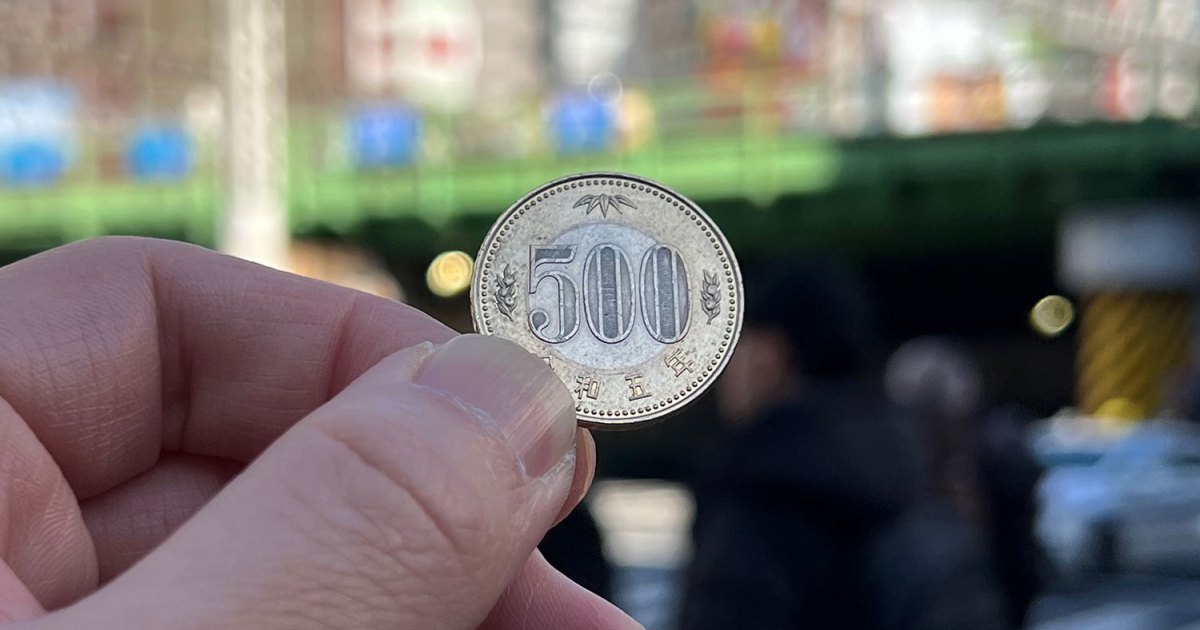
The term "One Coin" is deeply embedded in Japanese food culture. It represents the psychological and practical threshold of 500 yen—a single denomination that, for decades, served as the standard price point for a quick, satisfying lunch.
Current Market Pressures
The survival of these price points in 2026 is a testament to operational efficiency. With the cost of raw materials—particularly wheat for noodles and energy for operations—soaring, most restaurants have been forced to increase prices. Establishments that maintain sub-500 yen pricing often do so through high turnover, simplified menus, and, in some cases, government-subsidized locations that prioritize public access over profit margins.
The Rankings: A Local’s Selection
To provide an authentic perspective, our search excluded major chains like Saizeriya, which, while famous for value, often overshadows the smaller, more specialized eateries that define the local dining landscape.
3. Kanoya: The Worker’s Refuge
Located a mere 10-second walk from the southeast exit of JR Shinjuku Station, Kanoya has become a staple for commuters and office workers. In a district where real estate prices are among the highest in the world, Kanoya’s ability to offer a seated meal for under 500 yen is a feat of logistics.
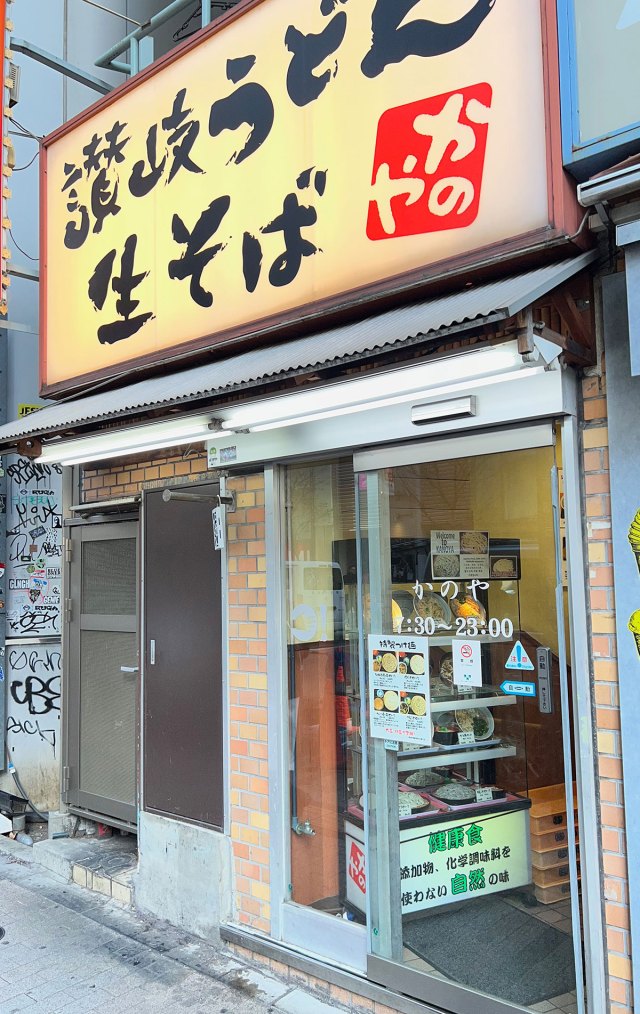
- The Experience: Unlike the typical "standing-only" noodle bars common in Tokyo train stations, Kanoya provides comfortable seating. It is a no-frills, efficient environment designed for speed without sacrificing the comfort of a chair.
- Menu Highlights:
- Kake Udon or Soba: 360 yen.
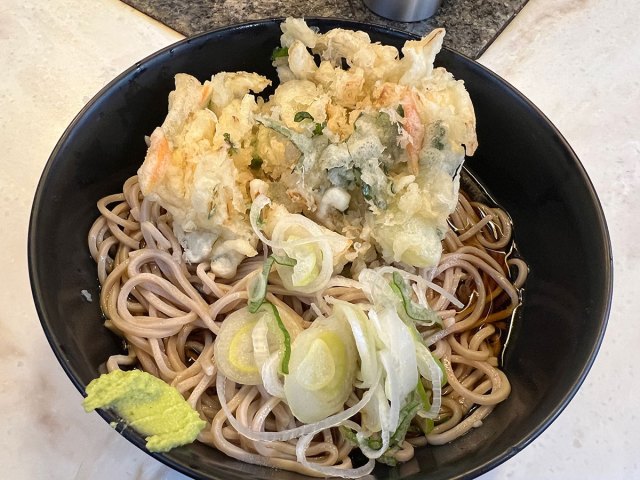
- Tanuki Udon/Soba (tempura flakes): 420 yen.
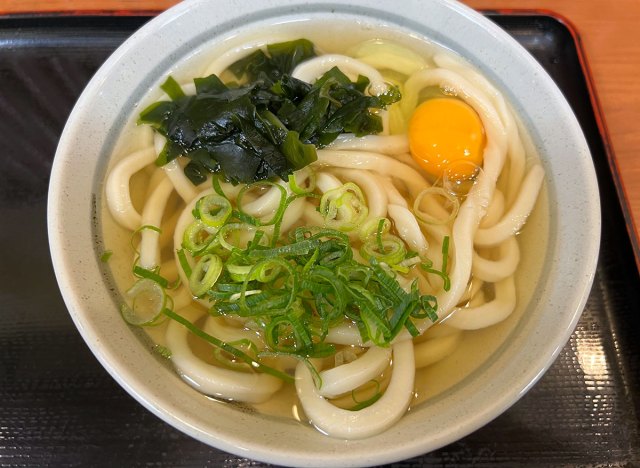
- Tsukimi (moon-viewing) Udon/Soba: 420 yen. The "moon" is represented by a raw egg that poaches in the hot broth, creating a rich, creamy texture.
2. Kameya: The 24-Hour Legend of Omoide Yokocho
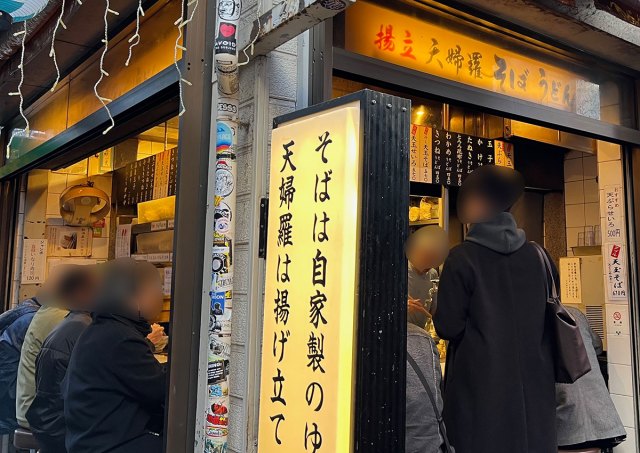
Nestled within the narrow, nostalgic alleyways of Omoide Yokocho—often referred to as "Memory Lane"—Kameya is a sensory experience. While the area is highly popular with tourists, Kameya remains grounded by its commitment to serving the locals who work in the nearby office towers.
- The Aesthetic: The shop’s exterior is iconic, drawing photographers from around the globe. However, it is the internal mechanics of the shop that matter most: speed, quality, and a 24-hour operational schedule.
- Menu Highlights:
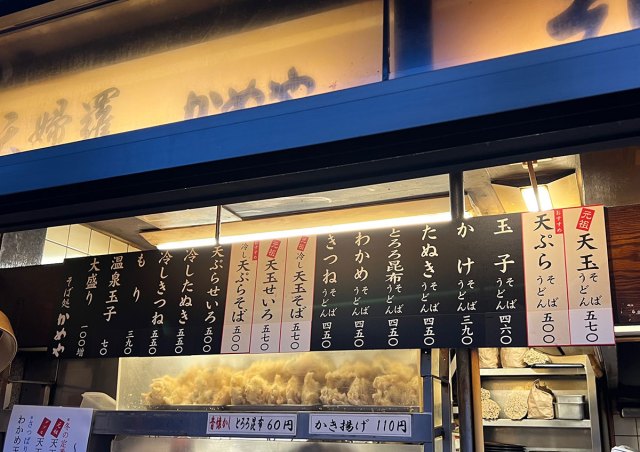
- Kake Udon/Soba: 390 yen.
- Kitsune Udon/Soba (sweet fried tofu): 450 yen.
- Egg Udon/Soba: 460 yen.
- Operational Note: As with many of the city’s oldest, most efficient noodle shops, Kameya operates exclusively on a cash basis. Visitors should ensure they have coins ready to avoid delays at the ticket machine.
1. The Tokyo Metropolitan Government Building Cafeteria: The Gold Standard
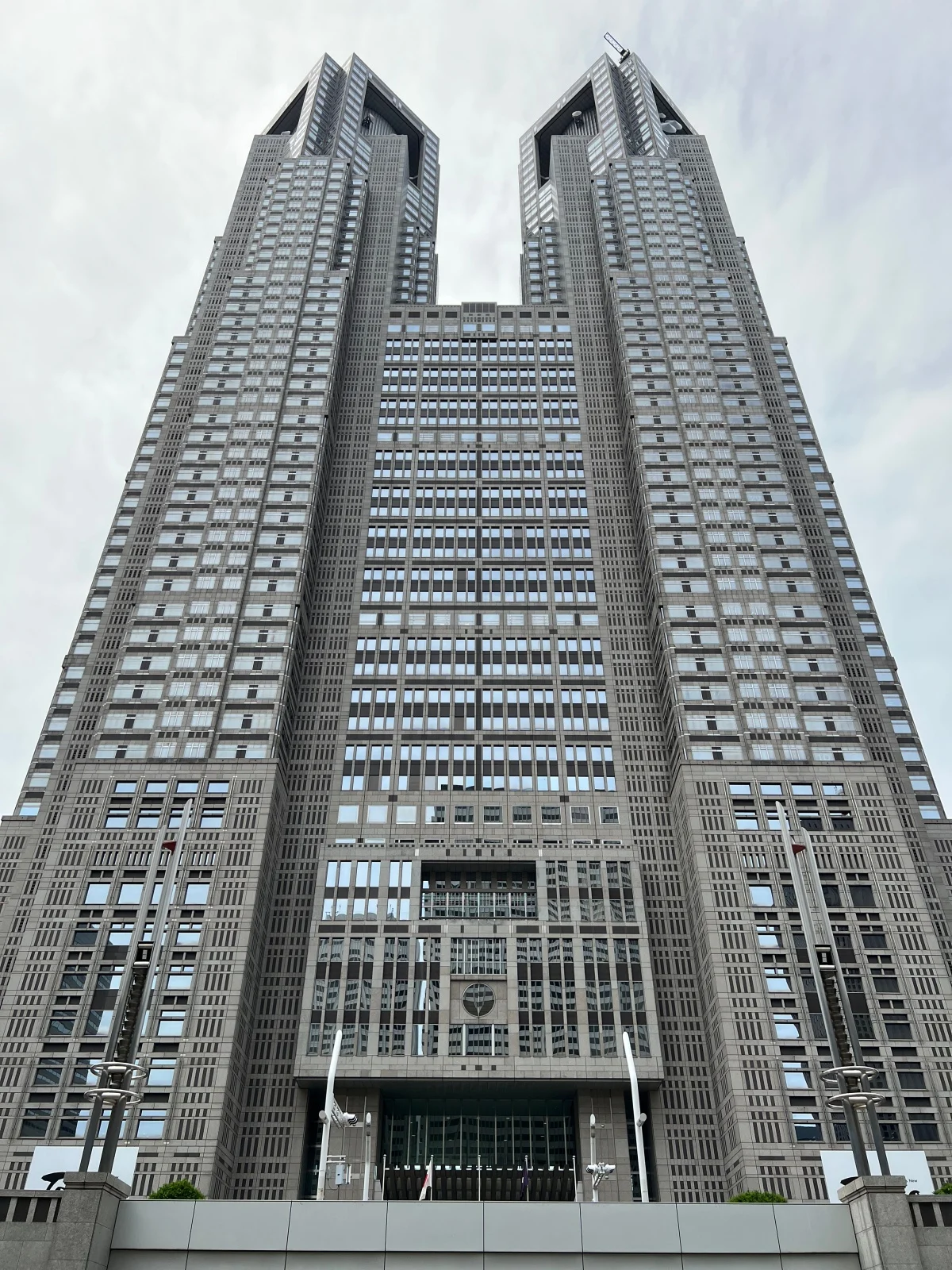
Taking the top spot is not a commercial restaurant, but a public-service facility that offers one of the most unique dining experiences in the city. The Tokyo Metropolitan Government Building (TMG) Cafeteria, located on the 32nd floor, is primarily designed for civil servants, but it remains fully accessible to the general public.
- The View: Dining here offers a panoramic, bird’s-eye view of the Tokyo skyline. It is, by all accounts, the most affordable "fine view" dining in the city.
- The Menu: Despite the prime real estate, the pricing remains remarkably accessible.
- Zaru Soba or Udon: 460 yen.
- Kitsune Soba or Udon: 480 yen.
- Classic Soy Sauce Ramen: 500 yen.
- Supporting Data: For those willing to spend slightly more than the "One Coin" limit, the cafeteria offers elaborate set meals in the 700–900 yen range. During our visit, a Pork Fillet Cutlet with Sesame Sauce set was priced at 970 yen, representing an extraordinary value for the quality provided.
Strategic Advice for the Budget Traveler
Finding these spots is only half the battle. To truly navigate the Tokyo budget-dining scene, one must understand the unwritten rules of the city.
1. The "Peak Hour" Protocol
At locations like the TMG Cafeteria, timing is everything. Between 11:30 a.m. and 1:00 p.m., the facility is flooded with government employees on tight, mandated lunch breaks. During these windows, seating is at a premium, and the atmosphere is high-pressure. We recommend visiting outside of these peak hours—either early (11:00 a.m.) or late (after 1:30 p.m.)—to secure a window seat and enjoy the scenery in peace.
2. Navigating the Language Barrier
While the TMG cafeteria features ticket machines with English, smaller shops like Kanoya and Kameya may rely on Japanese-only signage. However, the menus at these establishments are visual and limited. Using a translation app for the ingredients is helpful, but the numbers (prices) are universal.
Implications: The Future of "One Coin"
The existence of these restaurants in 2026 is a fragile reality. The business models that support a 360-yen bowl of noodles rely on high volume and, in the case of the TMG, public infrastructure support. As global commodity prices for flour and energy continue to fluctuate, it is likely that these prices will see adjustments in the coming years.
The "One Coin" movement is more than just a search for cheap food; it is an effort to preserve a segment of Japanese culture that values accessibility and equality in dining. Whether you are a student, a salaryman, or a traveler on a budget, these institutions offer a slice of Tokyo that remains untainted by the premium pricing of tourist hubs.
Essential Visitor Information
| Restaurant | Location | Key Feature |
|---|---|---|
| Kanoya | Shinjuku SE Exit | Seated comfort, extremely fast service |
| Kameya | Omoide Yokocho | 24-hour access, nostalgic atmosphere |
| TMG Cafeteria | 32nd Floor, Main Bldg | Panoramic views, public-friendly |
Note: All prices and operational hours are current as of May 2026. Given the volatile nature of the restaurant industry, we advise verifying current hours via official channels before planning your visit. As these establishments often prioritize efficiency, cash remains the preferred—and often only—method of payment.
Disclaimer: The recommendations provided are based on independent reporting. Prices are subject to change without notice due to the rising costs of raw ingredients in the Tokyo metropolitan area.











No comments yet. Be the first to join the conversation!