

Price: £49.99
Developer: Turtle Rock Studios
Publisher: Warner Bros. Interactive Entertainment
Platforms: PC, PlayStation 5, Xbox Series X/S, PlayStation 4, Xbox One
When Turtle Rock Studios announced Back 4 Blood, the gaming community held its collective breath. As the original architects of Left 4 Dead, the team carried the weight of a decade-long legacy—a promise to return to the cooperative zombie-slaying formula that defined a generation of multiplayer shooters. However, upon initial contact, Back 4 Blood presents itself as a dizzying, chaotic overhaul of that minimalist foundation. It is a game adorned with so many systemic "bells and whistles" that it risks losing the elegant, streamlined identity of its spiritual predecessor. Yet, as the hours turn into days, a more nuanced picture emerges: one where complexity serves a purpose, even if the road to appreciation is paved with initial confusion.
The Foundation: A Familiar Premise, A Modern Execution
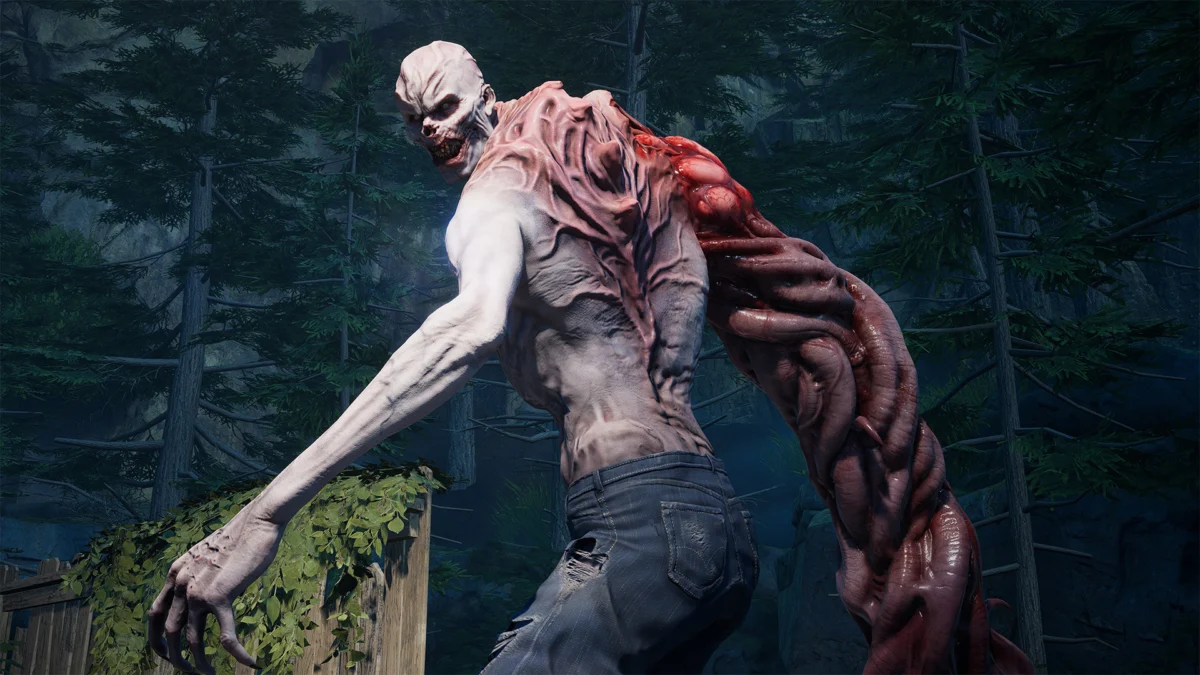
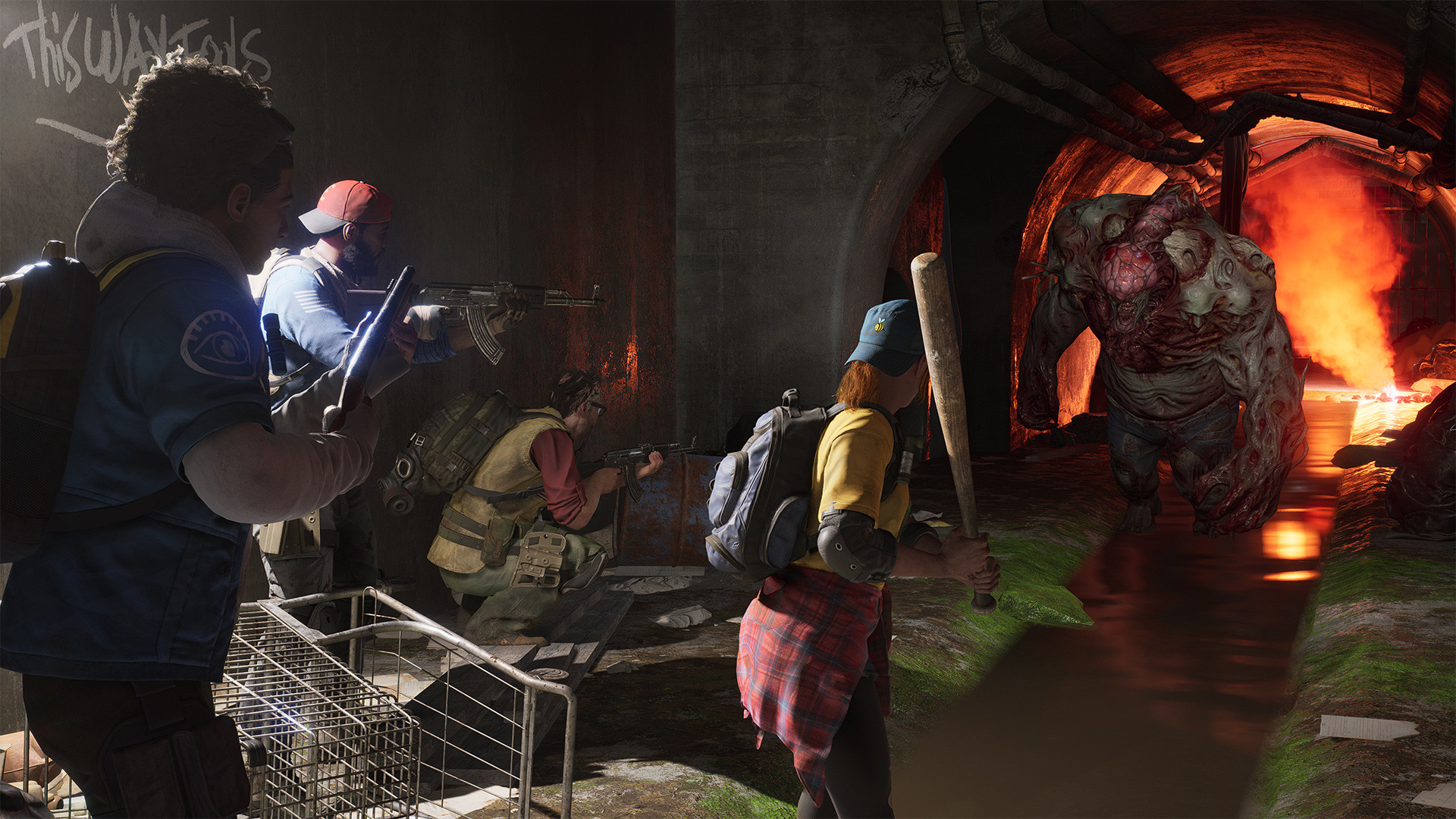
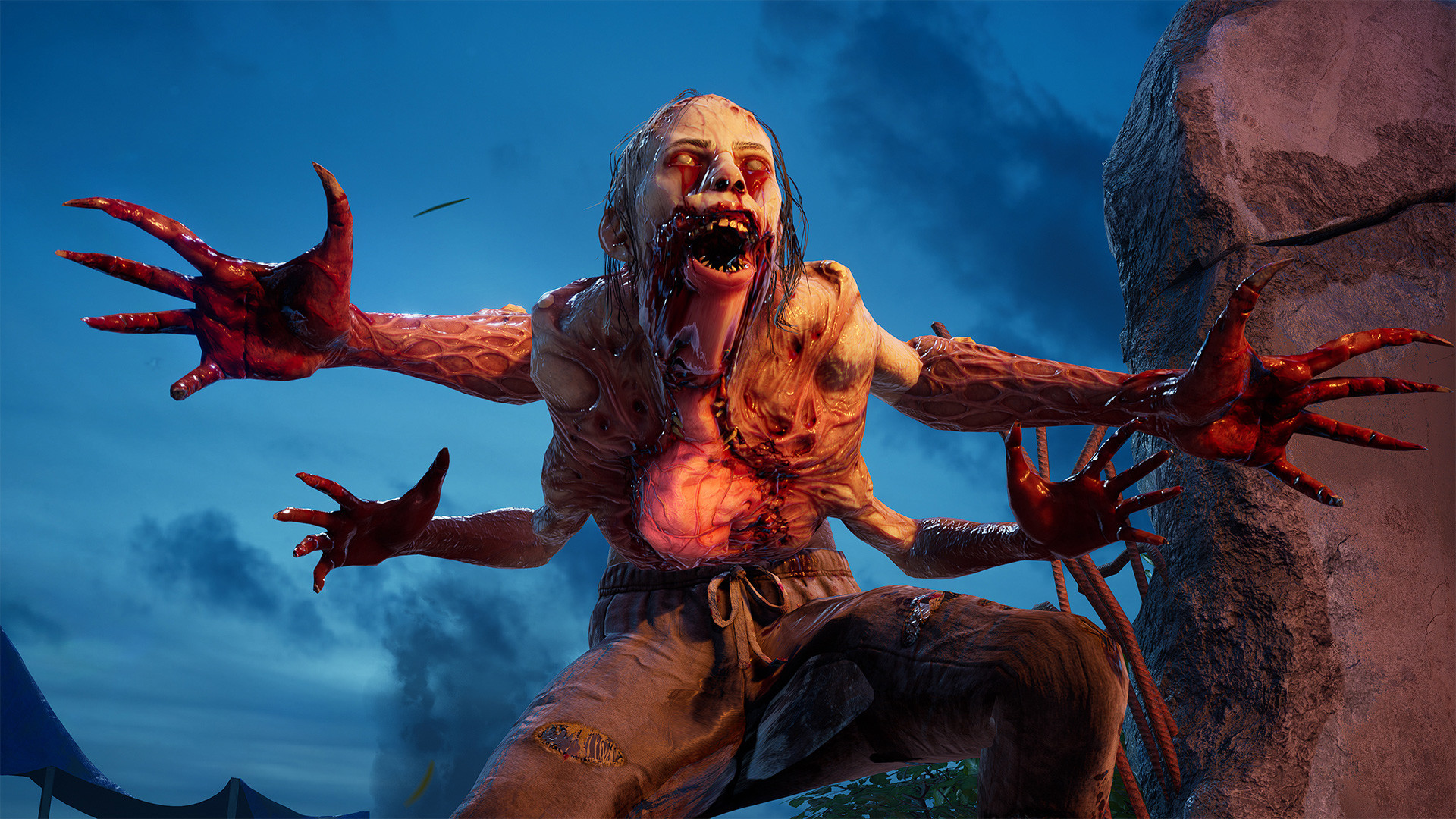
At its core, the premise remains largely untouched by time. Up to four players assume the roles of "Cleaners," tasked with fighting through urban landscapes overrun by the "Ridden"—a biological nightmare that, for all intents and purposes, serves as the spiritual heir to Left 4 Dead’s iconic infected. The gameplay loop is centered on navigating from one safehouse to the next, while an unseen "AI Director" monitors performance, dynamically spawning hordes and "Special Ridden" to sabotage progress.
Where Left 4 Dead was the platonic ideal of the cooperative shooter—a game that prioritized environmental storytelling and player intuition over complex systems—Back 4 Blood bows to the demands of the modern live-service era. It is a dense, multilayered experience. Players must navigate a robust loot system featuring an array of weapon attachments, a character-based class system with various cosmetic skins, and, most controversially, an intricate deck-building card game that dictates the progression of both the players and the threats they face.
A Steep Learning Curve: The Friction of Complexity
The sheer volume of information presented to a new player upon starting Back 4 Blood is, to put it mildly, overwhelming. In Left 4 Dead, a novice could grasp the core mechanics within minutes: pick up a weapon, eliminate the infected, and stick with your team. Back 4 Blood, by contrast, demands a masterclass in menu navigation. During the initial hours, even veterans of the genre may find themselves wandering in circles, baffled by terminology like "Corruption Cards," "Supply Lines," and stat-heavy loadout management.
This friction is exacerbated by a perceived lack of visual identity. Left 4 Dead utilized a distinct aesthetic—grainy, film-like filters, grindhouse-inspired posters, and a hauntingly specific soundtrack—that made the world feel tactile and lived-in. Back 4 Blood’s early campaign missions, however, suffer from a murky, indistinct color palette. The Cleaners often feel like mere archetypes rather than the desperate, camaraderie-filled survivors of the past, and the Ridden frequently appear as generic, fleshy masses rather than the uniquely horrifying entities that once stalked our nightmares.
Tactical Depth: Where the Systems Click
Despite the initial disorientation, the game begins to reveal its true value once the mechanics are understood. The shooting, fundamentally, is excellent. Weapons carry a satisfying sense of weight; the heavy kick of a Magnum or Desert Eagle provides a visceral feedback loop that makes popping heads feel genuinely impactful. Furthermore, the introduction of varied ammo pools and the ability to distribute supplies among team members adds a layer of tactical cooperation that was largely absent from the genre’s predecessors.
The game’s depth truly shines through its "Acts." Unlike the bite-sized campaigns of the past, Back 4 Blood features four expansive Acts that evolve in real-time. As the journey progresses, the Ridden mutate, gaining speed, aggression, and specialized abilities. The environment itself acts as an antagonist, with random modifiers—such as dense fog that limits visibility or startled bird flocks that trigger massive swarms—forcing players to constantly adjust their strategy.
The Deck-Building Mechanic: A Strategic Evolution
The most significant departure from the classic formula is the card-based progression system. Players spend resource points earned through "Supply Lines" to build decks that dictate their character’s capabilities. This system allows for genuine specialization: a player might prioritize a melee-focused build, combining health-on-kill cards with stamina-boosting buffs to act as a party tank, or they might choose to focus on team utility, providing health bonuses when comrades are downed.
Because players draw these cards in the order they are arranged in the deck, the system forces a deeper level of planning. It is not merely about having the best gear; it is about managing a strategic progression that mirrors the escalating difficulty of the campaign. Once the player moves past the initial frustration of the user interface, this system offers a level of replayability and strategic depth that the original Left 4 Dead simply could not provide.
Pacing and Balance: The Challenges Ahead
However, the transition to a more complex system is not without its casualties. The pacing of the campaign is a notable issue. While the Acts are designed to allow the card system to breathe, they are undeniably long—often clocking in at five to six hours each. For the average player looking for a quick, high-octane session, this can feel like an arduous slog rather than a concise, punchy experience.
Furthermore, the game’s scaling remains problematic. While designed for a four-player squad, the experience is arguably most balanced for two. With four players, the screen is often flooded with so many Special Ridden that the action becomes a chaotic, unreadable mess. Conversely, solo play—supported by AI bots that are significantly more competent than their predecessors—often feels trivial. The AI teammates in Back 4 Blood are remarkably effective, perhaps even too capable, which strips the game of the tension that defined the genre.
Implications for the Genre
The reception of Back 4 Blood highlights a fascinating schism in modern game design. By choosing to evolve the cooperative shooter through RPG-lite systems and deck-building mechanics, Turtle Rock Studios has effectively created a new sub-genre. It is no longer just a "zombie shooter"; it is a tactical, cooperative progression game.
Whether this is an improvement or a complication is a matter of perspective. For those who seek the purity of Left 4 Dead, Back 4 Blood may feel like a betrayal of simplicity. For those seeking longevity and depth, it is a triumph of design. The game proves that the "zombie horde" formula has plenty of life left in it, provided developers are willing to take risks with how that formula is structured.
Final Assessment: A Worthy Successor
Ultimately, Back 4 Blood is not the perfect game many hoped for, but it is a substantial, highly engaging, and ultimately rewarding experience. It demands patience and a willingness to engage with its more complex systems, but those who invest the time will find a game that is far more thoughtful than it initially appears.
The campaign, while occasionally marred by pacing issues, offers moments of genuine brilliance—from frantic bridge crossings to grisly, objective-driven scenarios that require actual team coordination. While it may never replace the nostalgic pedestal occupied by Left 4 Dead, it establishes its own identity as a worthy, if somewhat convoluted, successor. Turtle Rock Studios has successfully navigated the challenge of evolving a classic, delivering a title that—once the dust settles—stands as a robust pillar of the cooperative shooter genre.











No comments yet. Be the first to join the conversation!