

At the bustling epicenter of the Cannes Film Market, Bombay Berlin Film Productions (BBFP) has unveiled a strategic evolution that promises to reshape the landscape of cross-border cinematic collaboration. The Mumbai- and Berlin-based production house, a veteran of the international festival circuit for over 15 years, has announced a curated slate of four feature-length documentaries. This announcement marks more than a mere acquisition of titles; it signifies the company’s formal repositioning as a boutique, cross-border studio capable of bridging the gap between local, grassroots narratives and the global film market.
The Strategic Shift: From Production House to Boutique Studio
For over a decade, BBFP has been a reliable fixture in the international film ecosystem, with projects gracing screens at prestigious events such as Venice, SXSW, Busan, and Shanghai. However, the unveiling of this new documentary slate signals a structural shift. Moving beyond the traditional role of a production company, BBFP is now stepping into the arena of a full-service boutique studio.
This new identity encompasses a holistic approach to filmmaking. BBFP will function as a creative and strategic partner, providing comprehensive support that spans completion funding, the navigation of complex co-production pathways, festival circulation strategies, and international distribution. This shift is designed to address a critical pain point in independent cinema: the "middle-mile" of production, where high-quality, culturally specific stories often stall due to a lack of access to global financial or distribution networks.
A Slate Rooted in Local Realities, Speaking to Universal Truths
The four selected films are geographically and thematically diverse, yet they are united by a common thread of human resilience. Katharina Suckale, a driving force at BBFP, emphasized the personal significance of this expansion during the Cannes unveiling.
"Documentary filmmaking is where I began, and it has always remained deeply personal to me," Suckale remarked. "What drew us to these films was not simply the subjects themselves, but the honesty and specificity with which the filmmakers approached them. These are stories rooted in very local realities, yet they speak to questions that resonate universally."
1. Barefoot Champions (Dir. Sana Panghal)
Set against the backdrop of rural India, this project explores the transformative power of alternative education. By focusing on women who have historically been excluded from formal knowledge systems, the film examines how new pedagogical models are fostering agency and changing the social fabric of remote communities. Produced by Evadere Studios alongside BBFP, with cinematography by Iain Soumitri, the film serves as a testament to the democratization of information.
2. Sanju’s Kitchen (Dir. Neelabh Bafna)
In a stark shift toward the personal and the intimate, Sanju’s Kitchen is a portrait of a lower-middle-class family navigating the fallout of a patriarchal crisis. Told through the perspective of a son as his mother struggles with the financial and emotional instability following her husband’s arrest, the film offers a raw look at domestic resilience. The project is co-produced by Abhinav Tyagi and Krina Prajapati of The Aam Company, bringing the seasoned expertise of Tyagi—whose editing credits include the Peabody Award-winning While We Watched—to the narrative structure.
3. Valley of Health (Dir. Sankara Narayanan)
This documentary serves as a historical and cultural record. Chronicling the transformation of the Sittilingi valley from a region devoid of healthcare in the 1990s to a vibrant, community-led health system, the film highlights the impact of two visionary doctors. Beyond the medical narrative, the documentary acts as a rare archival project, documenting the Lambadi language and culture, potentially setting a precedent as one of the first feature-length works to capture these traditions on such a scale.
4. Where Is My Home (Dir. Ashwini Dharmale)
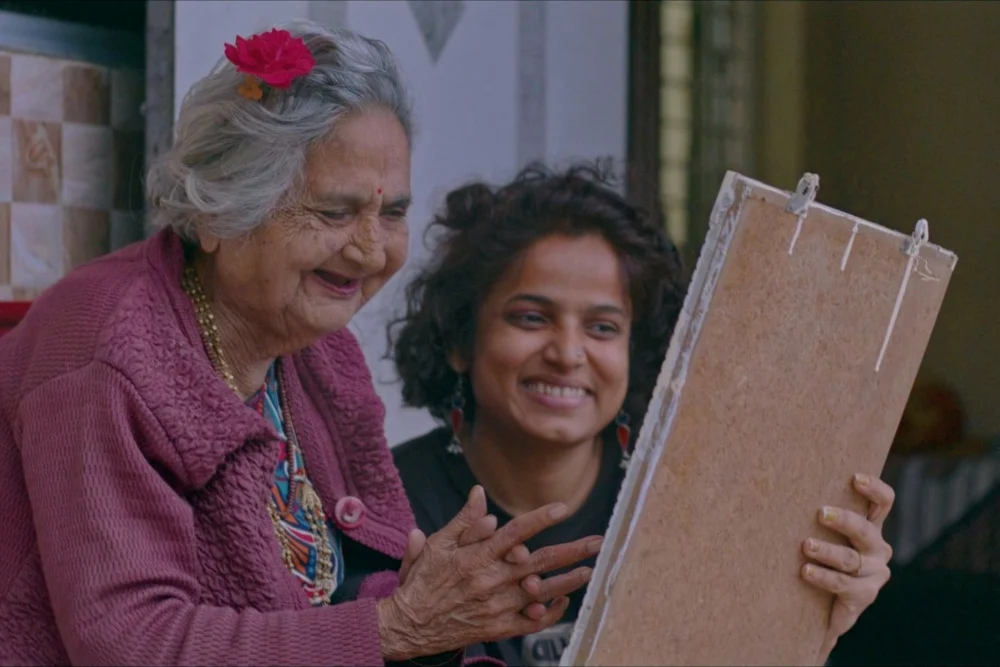
Currently in the assembly phase, this film explores the complexities of intergenerational conflict. Set in the Vidarbha region of Maharashtra, it follows a granddaughter’s struggle to care for her aging grandmother, a process that unearths long-buried family resentments. Co-directed by Indian National Film Award-winning cinematographer Digvijay Thorat and boasting the editorial consulting of National Film Award winner Anadi Athaley, the film is a collaborative effort with Arigatu Pictures.
Building a Sustainable Financial Ecosystem
A central pillar of BBFP’s new strategy is the creation of a sustainable financial architecture for independent documentaries. Arfi Laamba of BBFP notes that the company is moving away from purely transactional relationships with investors.
"We are also interested in cultivating a newer generation of patrons and investors who want to support work that creates cultural and social impact alongside financial sustainability," Laamba explained.
To achieve this, BBFP intends to treat the four films as a collective, rather than isolated projects. By grouping these films, the studio can leverage economies of scale in distribution and festival lobbying. Furthermore, they are actively developing multifaceted funding structures that incorporate a blend of traditional grants, cultural funds, and modern impact-led financing models. This approach is designed to insulate filmmakers from the volatility of the market while ensuring their artistic vision remains intact.
Chronology and Context: The BBFP Portfolio
BBFP’s move into the documentary space is not an isolated experiment but the latest chapter in a long-standing commitment to diverse cinema. Their recent portfolio demonstrates a clear trajectory:
- 2024–2025: Strategic pivot toward documentary studio services.
- February 2026: Domestic theatrical release of the Marathi feature Trijya (Radius), marking a long-term commitment to Indian language cinema.
- Recent Credits: The company’s growth has been bolstered by the success of Vimukthi Jayasundara’s Spying Stars (Busan premiere) and the short film Abja and Her Pickled Eggs.
- International Presence: With Portuguese Man of War debuting at CineMart (IFFR) and Thursday Night Is Too Dark currently in post-production, the company continues to maintain a strong footprint in Europe and Asia.
Beyond narrative film, BBFP is expanding its service production arm. They are increasingly involved in technically demanding shoots that utilize virtual production, advanced animatronics, and large-scale set construction, allowing them to remain competitive in a landscape where high production value is often a prerequisite for international distribution.
Implications for the Global Documentary Market
The move by BBFP reflects a broader, industry-wide trend of consolidation among independent production houses. As streaming giants like Netflix and Mubi continue to curate high-end documentary content, the pressure on independent producers to act as "mini-studios" has increased.
By providing a structured pathway for films—from creative development to festival circulation—BBFP is effectively lowering the barrier to entry for filmmakers in emerging markets. Their ability to speak the "language" of both German cultural institutions and the Indian independent film scene places them in a unique position to act as a cultural translator.
Furthermore, the focus on "impact-led financing" suggests that the future of independent documentary film may lie in the hands of private patrons and institutional grants that prioritize social return as much as, if not more than, immediate commercial profit. As BBFP continues to build out its slate, the industry will be watching closely to see if this model of a "cross-border boutique studio" can successfully scale, potentially creating a new blueprint for how independent cinema survives in a globalized, platform-dominated economy.
With over 15 years of experience navigating the complexities of international film markets, Bombay Berlin Film Productions is not just expanding its catalog; it is professionalizing the art of independent storytelling, ensuring that local voices have the infrastructure required to reach a global stage.











No comments yet. Be the first to join the conversation!