Laily UPN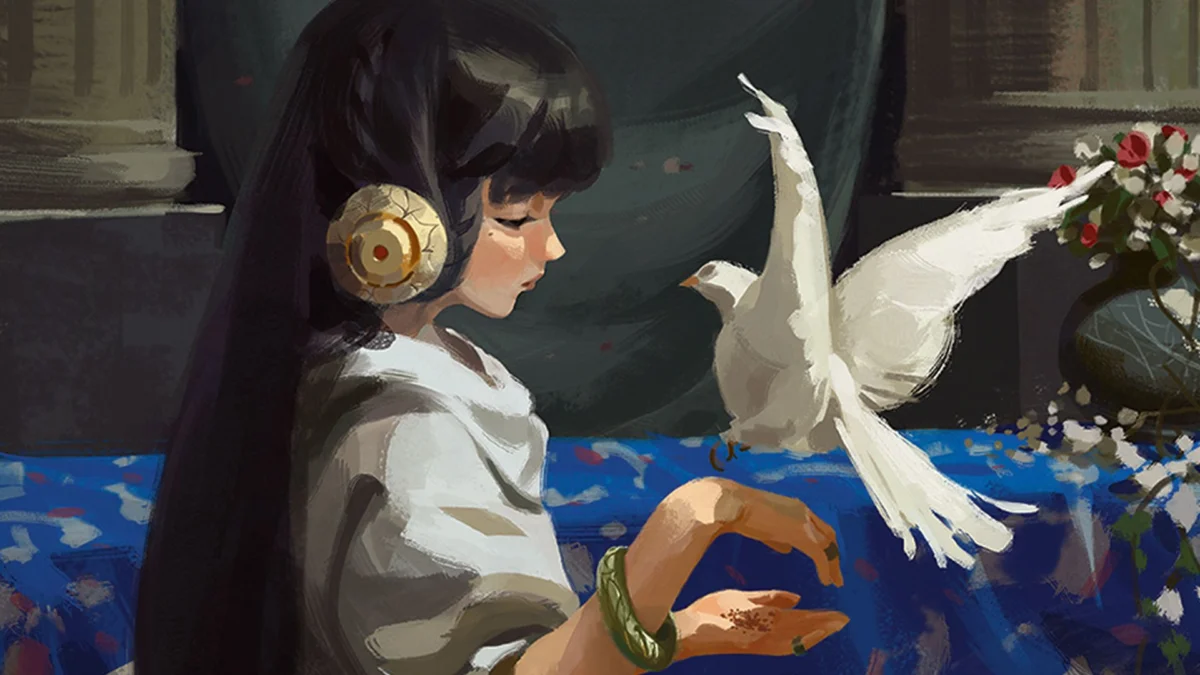
In the rapidly evolving landscape of contemporary digital illustration, few artists manage to successfully synthesize the weight of art history with the fluidity of modern software. Brian Yuen, a freelance illustrator based in Hong Kong, has carved out a distinct niche by using Adobe Photoshop not merely as a tool for rendering, but as a medium for translating the atmospheric depth and painterly sensibilities of the Old Masters into the 21st century.
Since his transition to digital painting in 2016, Yuen has become a notable figure in the digital art community. His work serves as a compelling case study for how modern creators can find inspiration in traditional techniques—specifically the brushwork and lighting of the past—to enhance the expressive power of current digital workflows.
The Evolution of an Artist: A Chronological Journey
Brian Yuen’s journey into the world of professional illustration was not an overnight success but a calculated progression of technical refinement and artistic discovery.
Early Beginnings and the Shift to Digital (2016)
Before 2016, the boundaries between traditional mediums and digital canvases were often perceived as starkly divided. For Yuen, the move to digital was a strategic decision to embrace the versatility of Photoshop. By leveraging the software’s non-destructive editing and infinite layering capabilities, he began to explore how he could replicate the "happy accidents" often found in oil and acrylic painting.
The Influence of the Masters
Yuen’s aesthetic is deeply indebted to the Old Masters, whose mastery of chiaroscuro—the dramatic contrast between light and shadow—permeates his work. However, he is equally influenced by modern titans of the industry. Artists like Jaime Jones and Craig Mullins, both renowned for their ability to balance high-level concept art with loose, evocative brushwork, have played a pivotal role in shaping Yuen’s signature style. By blending the historical gravitas of traditional portraiture with the modern, punchy narrative styles of contemporary concept artists, Yuen has developed a visual language that feels both timeless and urgent.
The Anatomy of a Style: Case Studies
To understand Yuen’s process, one must look at his specific projects. In our latest showcase, we examine four pieces that illustrate his technical trajectory and thematic preoccupations.
Blue: The Art of Revision
"Blue" represents a significant milestone in Yuen’s career. The work began as a revisit to a 2019 painting. By applying a "paint-over" approach—a technique where an artist re-renders or adds new layers of detail and texture to an existing digital file—Yuen was able to modernize his earlier work. "I wanted to see how I can edit a painting to make it more interesting and in alignment with my current taste," he explains. This exercise highlights a crucial shift in his philosophy: the realization that mark-making should be expressive rather than just descriptive.
Shopkeeping: Navigating Complexity
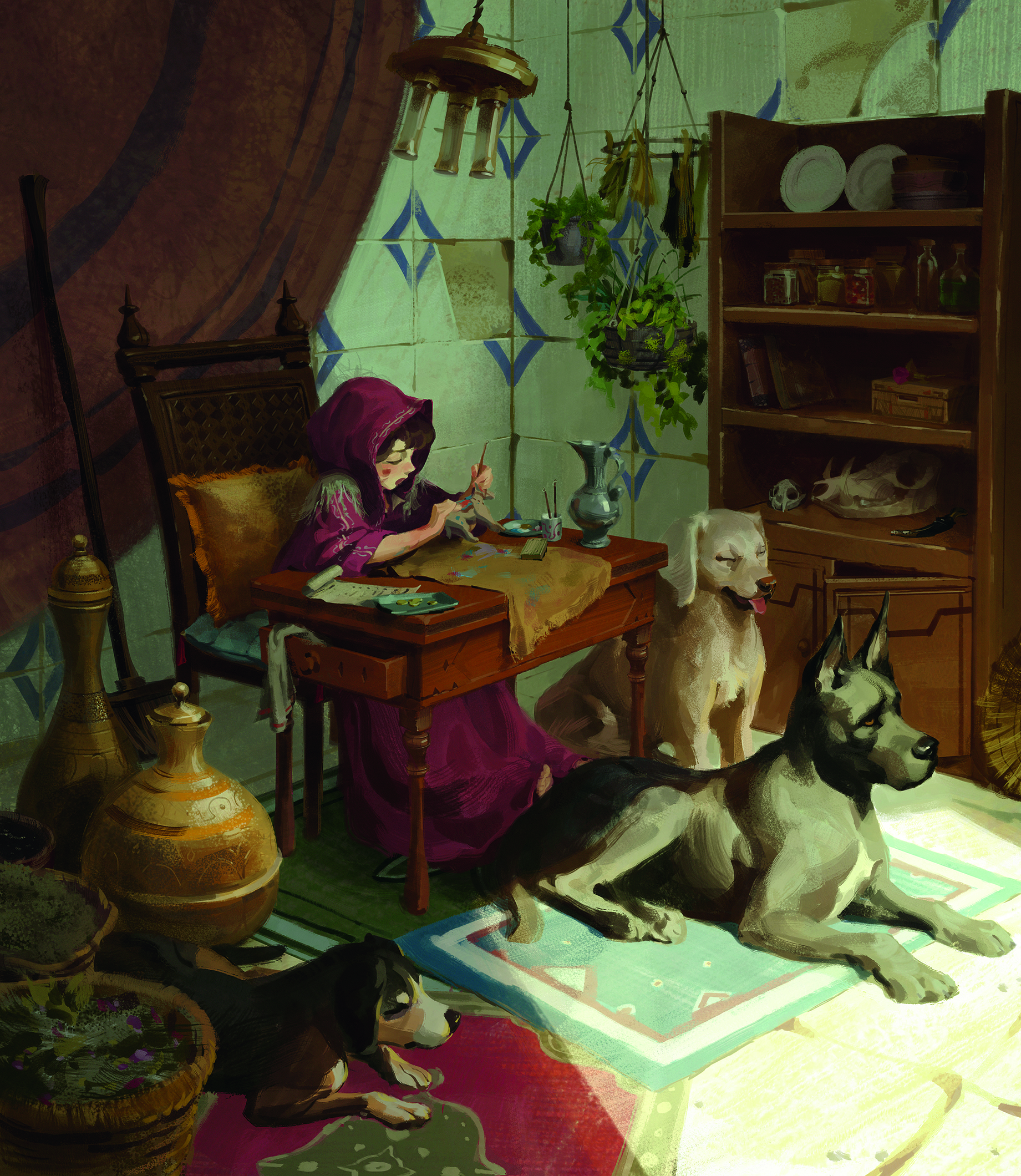
In "Shopkeeping," Yuen draws inspiration from Orientalist paintings, known for their dense compositions and intricate attention to material and texture. This piece required a delicate balancing act. "I tried to balance all of the different details while trying to imply some kind of narrative," Yuen notes. The work demonstrates his capability to handle complex visual data without losing the emotional core of the scene, a hallmark of high-level illustration.
Pigeons: Gestural Focus
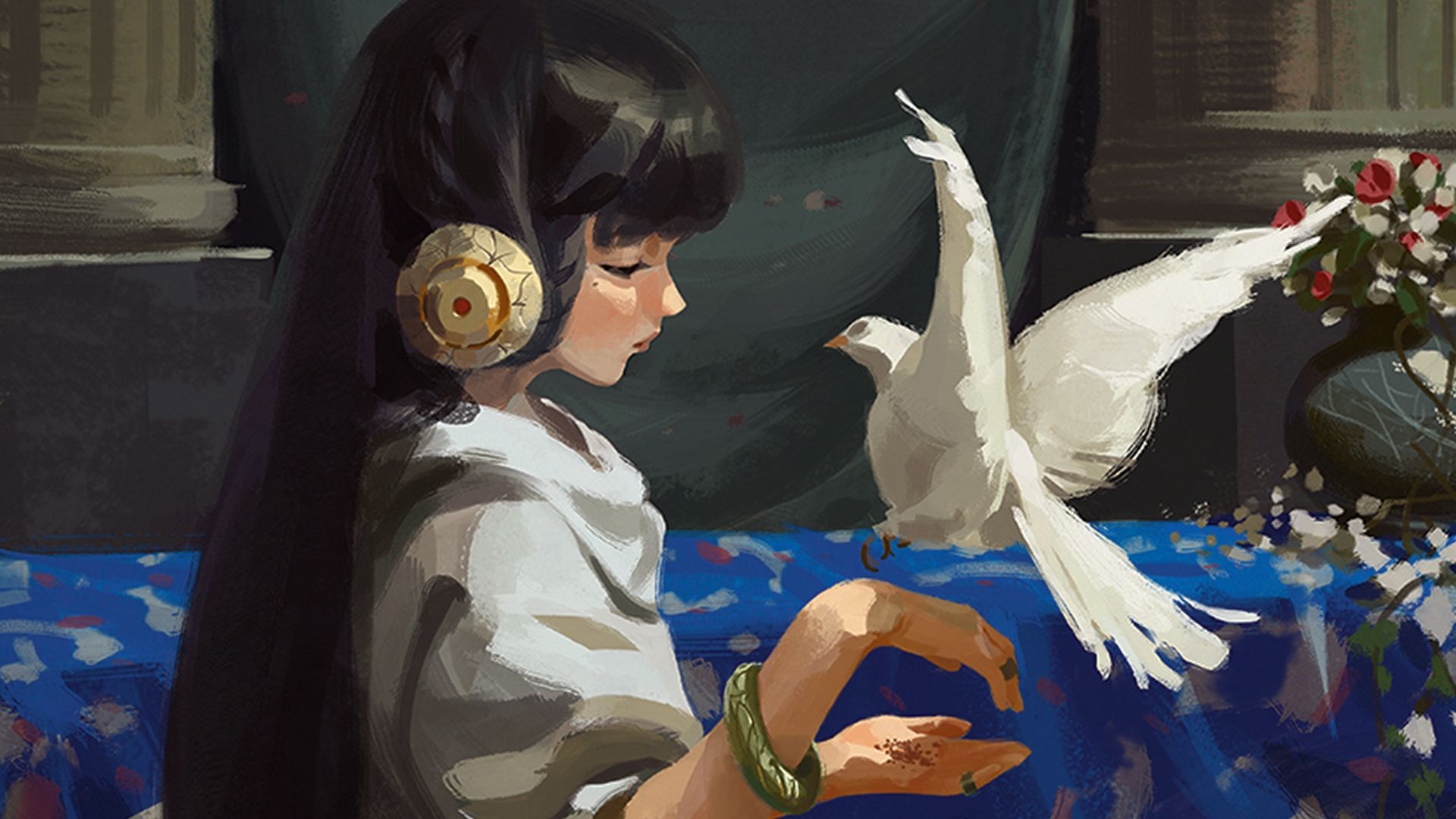
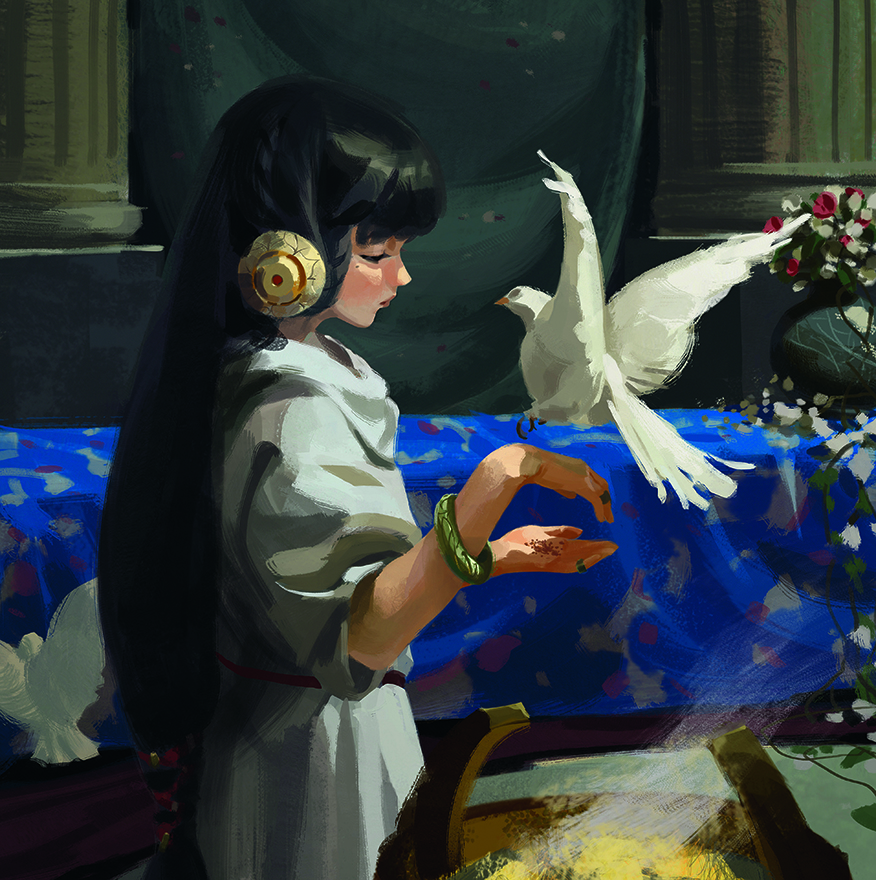
"Pigeons" is an exercise in movement. Inspired by the anatomical studies of the Old Masters, Yuen focused specifically on the hands, attempting to infuse them with a "swirling motion." By focusing on the gesture of the hands rather than mere anatomical correctness, he adds a sense of life and spontaneity that is often absent in rigid digital renders.
Spirit: A Meditation on Stillness
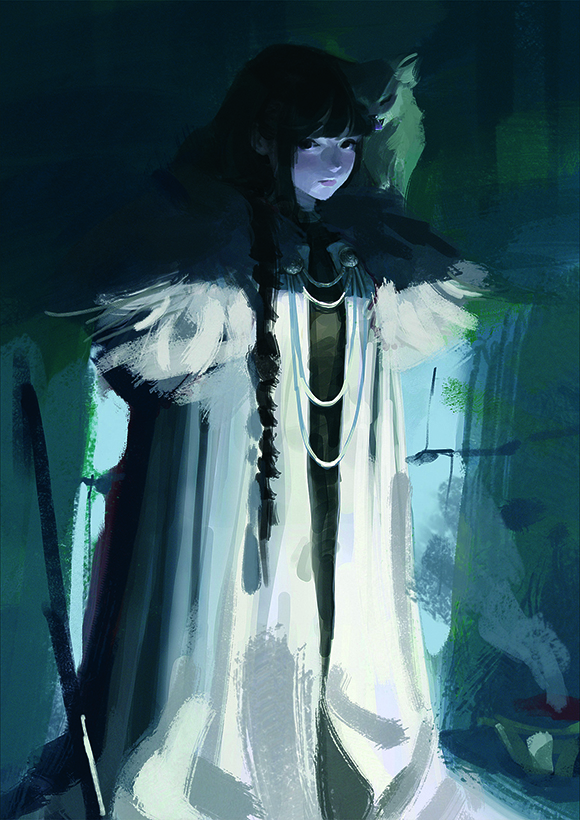
Perhaps the most defining piece in his portfolio, "Spirit," represents the zenith of his current artistic philosophy. For Yuen, this piece was about capturing a state of being rather than a specific object. "I wanted to capture something spiritual and mystical, a sense of movement, yet stillness," he shares. By leaving the interpretation open to the viewer, Yuen moves away from the literal nature of commercial art and toward a more contemplative, fine-art approach.
Technical Infrastructure: The Tools of the Trade
For the aspiring digital artist, the debate between hardware often distracts from the importance of software mastery. Yuen remains steadfast in his commitment to Photoshop. While the industry has seen a rise in 3D sculpting and AI-assisted generation, Yuen’s reliance on the foundational tools of digital painting—custom brushes, color mixing, and layer blending—reaffirms that the "human element" remains the most critical component in any piece of art.
For those looking to replicate his workflow, investing in the right hardware is essential. Industry-standard drawing tablets and high-performance laptops for digital art serve as the foundation. Whether you are a beginner looking for your first entry-level tablet or a professional requiring a high-resolution display with perfect color accuracy, the market for digital art tools has never been more robust.
Implications for the Future of Digital Art
Brian Yuen’s work arrives at a time when the digital art community is grappling with the influx of generative AI. His focus on "expressive mark-making" and "painterly style" serves as a necessary reminder that the value of art lies in the intentionality of the artist.
The Return to Human-Centric Craft
The implication of Yuen’s success is clear: there is a growing market appetite for work that bears the "fingerprints" of its creator. As digital tools become more sophisticated, the challenge for the next generation of artists is to avoid the trap of technical perfection. Instead, they must look backward at the lessons of history to inform the future of their craft.
Professional Outlook
Yuen’s trajectory as a freelance illustrator suggests a sustainable path for artists who are willing to pivot, practice, and refine their style over years rather than months. By keeping a foot in both the traditional and digital worlds, he has insulated himself against the fleeting nature of digital trends, ensuring his work remains relevant in a rapidly changing industry.
Conclusion
Brian Yuen’s artistic philosophy is a testament to the idea that the medium is secondary to the vision. By treating Photoshop as a digital atelier, he has managed to bridge the gap between the masters of the past and the digital pioneers of today. His commitment to narrative, his focus on expressive gesture, and his ability to evolve his own past work are lessons for any artist seeking longevity in their career.
For those inspired to begin their own journey, Yuen’s portfolio—available on his official website—stands as an invitation to explore, experiment, and ultimately find one’s own voice in the vast, shifting, and exciting world of digital art.
This article originally appeared in ImagineFX. For more insights into the world of digital art, illustration, and 3D modeling, subscribe to ImagineFX for expert tutorials, artist spotlights, and industry news.

 Pevita Pearce
 Siti Muinah