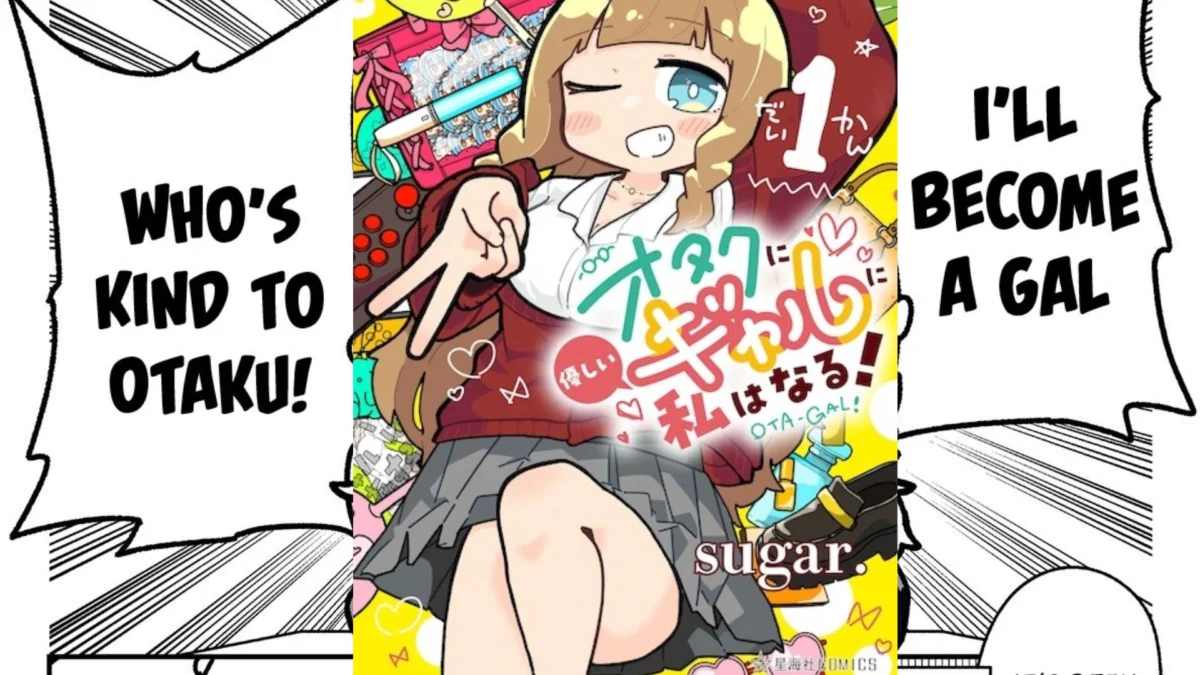
In a move that challenges the traditional, often rigid structures of international manga distribution, the creator of the popular series Otaku ni Yasashii Gal ni Watashi wa Naru! (I’ll Become a Gal Who’s Kind to Otaku!) has taken a bold step toward accessibility. Known professionally as "sugar.," the author has begun officially releasing English-translated chapters of their work directly through social media. This unprecedented decision comes after the creator identified a systemic failure in the current publishing model: the inability of Western readers to legally and conveniently access niche manga titles that lack official localizer support.
The Genesis of a Digital Pivot
The story begins not with a corporate mandate, but with a chance encounter on a pirate site. While navigating the murky waters of unauthorized manga aggregation, sugar. discovered that their work had been fan-translated and uploaded without consent.
Rather than issuing a standard cease-and-desist order—a move that has become a flashpoint for conflict between Japanese creators and international fans—sugar. chose a more pragmatic path. Upon tracking down the individuals responsible for the fan translation, the author initiated a dialogue. Recognizing that these fans were not acting out of malice, but out of a genuine desire to consume content unavailable in their region, sugar. sought a middle ground. They contacted their publisher to negotiate a "semi-official" release strategy, effectively legitimizing the grassroots translation efforts while retaining control over the distribution of their intellectual property.
Chronology of a Grassroots Translation Initiative
The evolution of this project follows a unique timeline, highlighting the friction between supply and demand in the digital age:
- Initial Discovery: The author identifies their work on a third-party pirate site, noting that the reach of their manga extends far beyond the borders of Japan.
- The Localization Barrier: Through research and feedback, sugar. realizes that major digital storefronts in the United States and abroad do not carry their work, largely because it has not been picked up by Western publishing houses.
- Negotiation Phase: Recognizing the irony of fighting piracy while simultaneously failing to provide a legal alternative, sugar. approaches their publisher. They argue for a model that provides free access to the English translation to build a community.
- Official Social Media Rollout: Starting in July 2026, sugar. begins posting serialized chapters directly to their X (formerly Twitter) account.
- Mitigation of Piracy: The author mandates the removal of links to illegal aggregator sites from the fan-translated materials, replacing them with links to official Japanese ebook retailers.
Understanding the Narrative: What is ‘I’ll Become a Gal Who’s Kind to Otaku!’?
At its heart, I’ll Become a Gal Who’s Kind to Otaku! is a meta-commentary on the "gal" (gyaru) archetype in Japanese media. The plot follows a high school girl who, despite her outward appearance and social standing, is a secret otaku at heart. Her specific obsession? Stories in which outgoing, fashionable "gal" characters befriend, support, and empathize with shy, introverted otaku characters.
Finding her own reality lacking these wholesome interactions, the protagonist decides to perform a radical life overhaul. She commits to becoming a "gal" herself, aiming to bridge the gap between her two worlds. The ensuing comedy and drama arise from her struggle to maintain her new, outgoing persona while navigating the social anxieties of the otaku subculture she still calls home. It is a series about self-discovery, the performative nature of high school cliques, and the desire for genuine connection across social divides.
The Creator’s Stance: Navigating the Ethical Gray Area
In a series of candid posts, sugar. clarified their position, acknowledging the complex ethical landscape of digital distribution. Their stance is a rare example of a creator acknowledging that while piracy is inherently detrimental to the industry, the lack of legitimate access is a failure of the current market structure.
"I’m against pirated versions and illegal uploads," sugar. stated on social media. "I contacted the translator and had them remove the URL of the pirated site that was originally written at the bottom of the page."
The logic behind this decision is twofold: first, the author believes it is a "waste" for international audiences to be deprived of the story simply due to the geographic limitations of the current publishing industry. Second, they admit that their work has not yet achieved the sales volume necessary to justify a formal, licensed translation by a major Western publisher. By taking the initiative, sugar. is essentially "crowdsourcing" the translation process to build an international fan base, hoping that demand will eventually translate into tangible support.

Supporting the Artist: The Economics of Niche Manga
The primary concern for any creator in this position is financial viability. Sugar. has been transparent about the necessity of income, explicitly stating: "If the mood strikes you, please buy the ebook. I can’t live without income."
This plea underscores the fragile economic reality for mid-tier manga artists. While the English release is free, it serves as a high-visibility funnel directed toward the original Japanese ebook stores. For many Western readers, the process of purchasing from these sites—which are often entirely in Japanese—is a daunting barrier. However, for those invested in the series, it is a small price to pay to ensure the artist remains capable of producing new chapters.
Broader Implications: A Shifting Industry Model?
The decision by sugar. to bypass traditional localization channels in favor of a direct-to-consumer digital model is not an isolated incident; rather, it is a symptom of a growing trend.
1. The Death of the "Gatekeeper" Model
Historically, international fans have relied on large publishing houses to license and translate manga. If a series was deemed "not profitable enough," it simply didn’t exist in English. Sugar’s approach signals a move toward a model where creators hold the power to define their own global audience, regardless of whether a major publisher deems them "marketable" in the West.
2. The Role of the Fan Translator
For years, the industry has viewed fan translators as adversaries. Sugar’s approach suggests a pivot toward a collaborative model. By embracing the fan community rather than litigating against it, creators can utilize the existing passion of their audience to bridge the gap between languages.
3. The Need for Global Distribution Platforms
The situation highlights a massive void in the current digital marketplace. While platforms like Kindle and Kobo exist, they do not always facilitate the seamless, global availability of Japanese-language ebooks. If major publishers do not provide a way for international readers to pay for these works, creators will inevitably continue to take matters into their own hands, potentially disrupting the traditional copyright and licensing landscape.
Future Outlook
As of mid-2026, the experiment by sugar. is still in its infancy. Whether this model can scale remains to be seen. It requires a significant amount of administrative effort on the part of the artist—negotiating with publishers, managing fan translators, and maintaining social media engagement—all while continuing to draw the manga itself.
However, the response from the community has been overwhelmingly positive. Readers who felt ignored by the industry are finally being given a seat at the table. If successful, I’ll Become a Gal Who’s Kind to Otaku! could serve as a case study for other creators looking to build a global footprint. It suggests that the future of manga localization might not lie in the boardrooms of international publishers, but in the direct, transparent, and often courageous actions of the artists themselves.
For now, fans can follow the ongoing journey of our protagonist through the links provided on sugar.’s social media, and perhaps, consider supporting the artist through the purchase of their digital volumes. In doing so, they aren’t just reading a manga; they are participating in a new, grassroots model of creative distribution that could fundamentally change how Japanese art is consumed globally for years to come.