Rifan Muazin
In the modern digital economy, the comment section is no longer just a forum for user feedback; it is a brand’s front-line customer service center, a PR battleground, and an indicator of corporate health. With billions of social media comments generated daily, manual moderation has transitioned from a manageable task to an operational impossibility. As we move through 2026, brands that treat moderation as an afterthought are finding their reputations—and bottom lines—at risk.
A single overlooked spam bot or a cascading wave of toxic commentary can spiral into thousands of interactions, destroying brand equity and driving away loyal customers. Today, effective social media moderation is not merely about deleting unwanted posts; it is an operational discipline that combines artificial intelligence with strategic human oversight to maintain community standards at scale.

The Evolution of Community Management: From Cleanup to Strategy
Historically, community management was viewed as a reactive task—a "clean-up" job performed by junior staff or interns. However, the complexity of digital ecosystems has shifted this narrative. The sheer volume of content, combined with the rise of algorithmic amplification, means that unmanaged inboxes represent a significant business risk.
The current landscape requires a sophisticated, multi-layered approach. Organizations must move beyond static keyword filters and embrace AI-driven platforms that can interpret context, sentiment, and intent. This transformation is driven by three primary forces: the need for rapid customer care, the pressure of global compliance regulations, and the constant threat of viral PR crises.

Chronology of a Crisis: Why Proactivity Matters
To understand the necessity of modern moderation tools, one must look at how a crisis unfolds in the absence of a plan. The lifecycle of a social media incident often follows a predictable, yet destructive, trajectory:
- The Trigger (T+0): A piece of misinformation, a controversial ad placement, or an unresolved customer grievance appears in the comments section.
- The Accumulation (T+1 hour): Without automated alerts, the negative sentiment begins to snowball. Bots, often programmed to engage with high-traffic threads, flood the post with irrelevant links or harmful content.
- The Escalation (T+3 hours): The ratio of negative to positive sentiment shifts. Mainstream followers begin to question the brand’s silence. The "brand-as-a-bystander" perception takes hold.
- The Crisis (T+6 hours): The situation reaches a tipping point. What could have been a contained, private conversation has now become a public relations nightmare, requiring executive-level intervention and legal oversight.
Effective moderation tools—such as Sprout Social’s Smart Inbox or advanced enterprise suites—are designed to interrupt this timeline at the "Accumulation" phase, providing the early warning systems necessary to pivot from reaction to resolution.

The Pillars of Modern Brand Safety
Modern moderation is built upon four fundamental pillars that ensure a brand remains both protected and approachable.
1. Brand Safety and Trust
Consumers today equate responsiveness with reliability. A brand that ignores its comments is perceived as a brand that ignores its customers. Advanced listening features allow teams to track sentiment in real-time, identifying shifts in tone before they escalate into full-blown controversies.

2. Customer Care and Priority Routing
Not all comments carry the same weight. An urgent complaint regarding a failed delivery requires a different response than a general product inquiry. Priority routing ensures that high-impact messages are funneled to the appropriate specialists immediately, significantly lowering resolution times and improving Customer Satisfaction (CSAT) scores.
3. Legal and Regulatory Compliance
In 2026, the regulatory environment is more stringent than ever. Brands are now held accountable for the data they collect and the content they host. Maintaining an audit trail of how content was handled—and why specific moderation decisions were made—is no longer optional; it is a legal requirement in many jurisdictions.
4. Crisis Prevention and Spike Detection
Modern tools utilize AI to detect anomalies in traffic. If a post suddenly receives 500 comments in ten minutes, the system triggers an alert. This spike detection allows a small team to manage an enterprise-level volume of interactions without suffering from "tab-switching burnout."
Navigating the Content Ecosystem
Effective moderation strategies must be tailored to the specific format of the interaction. Each channel presents its own unique set of challenges:

- Public Comments: These are the most visible. On platforms like Facebook and LinkedIn, nested replies often hide policy violations. TikTok, meanwhile, requires specialized attention for ad comments, which are magnets for spam.
- Direct Messages (DMs): Private inboxes are the new "help desks." Failing to track and assign DMs can lead to missed support tickets and lost revenue.
- Mentions and Tags: Many users discuss brands without tagging the official account. Keyword monitoring is essential to capture these "ghost conversations."
- Reviews and Ratings: Platforms like Google Business, Yelp, and TripAdvisor demand a different, more professional tone of response. Prompt, empathetic replies to reviews can turn a negative experience into a testament of great service.
- Livestreams: The most high-stakes environment. Because chat moves in real-time, human intervention is often impossible. Pre-configured keyword blocklists are the only effective defense against live-chat toxicity.
Top 10 Social Media Moderation Tools for 2026
As organizations scale, they require platforms that offer more than just basic filtering. The following tools represent the current gold standard for moderation:
- Sprout Social: The industry leader for teams that need a unified experience. Its Smart Inbox centralizes every touchpoint, while AI-powered engagement tools streamline the moderation process.
- Hootsuite: A robust, reliable choice for large teams that prioritize the integration of scheduling, analytics, and moderation under one roof.
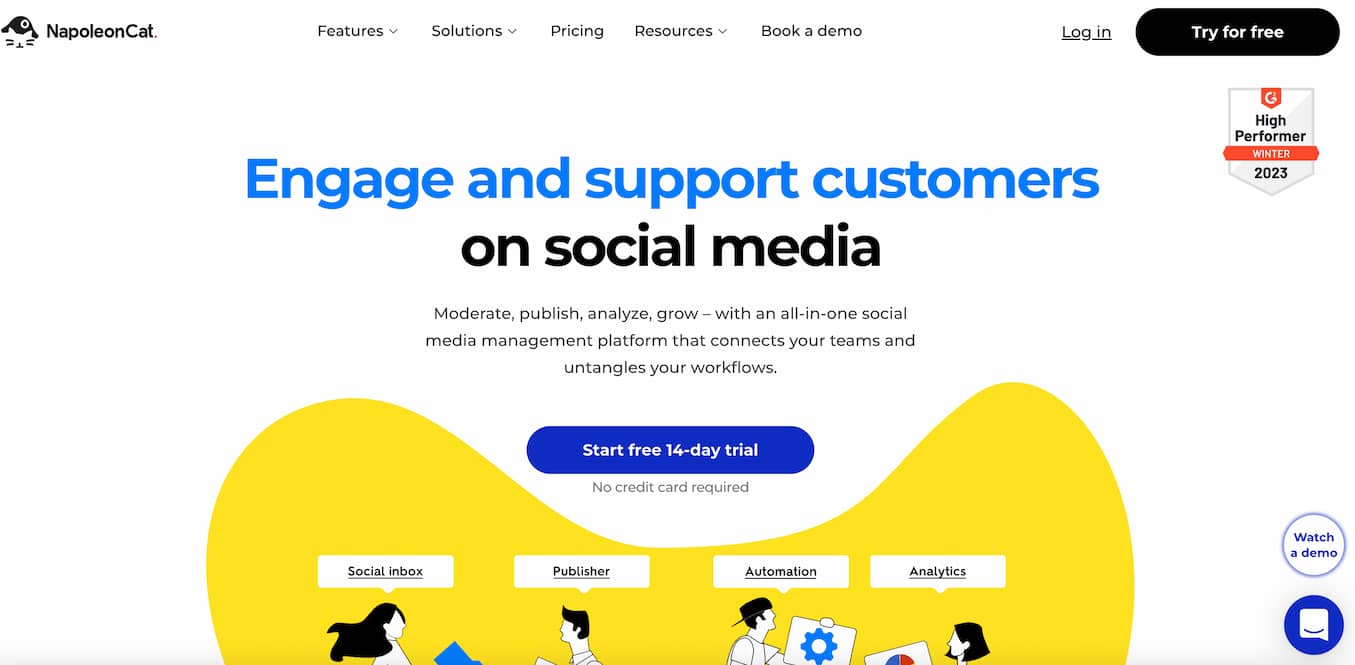
- NapoleonCat: Highly effective for agencies and smaller teams needing automated moderation and cross-language translation.
- Agorapulse: A fan-favorite for its intuitive design and clean interface, making it ideal for growing teams that need structure without unnecessary complexity.
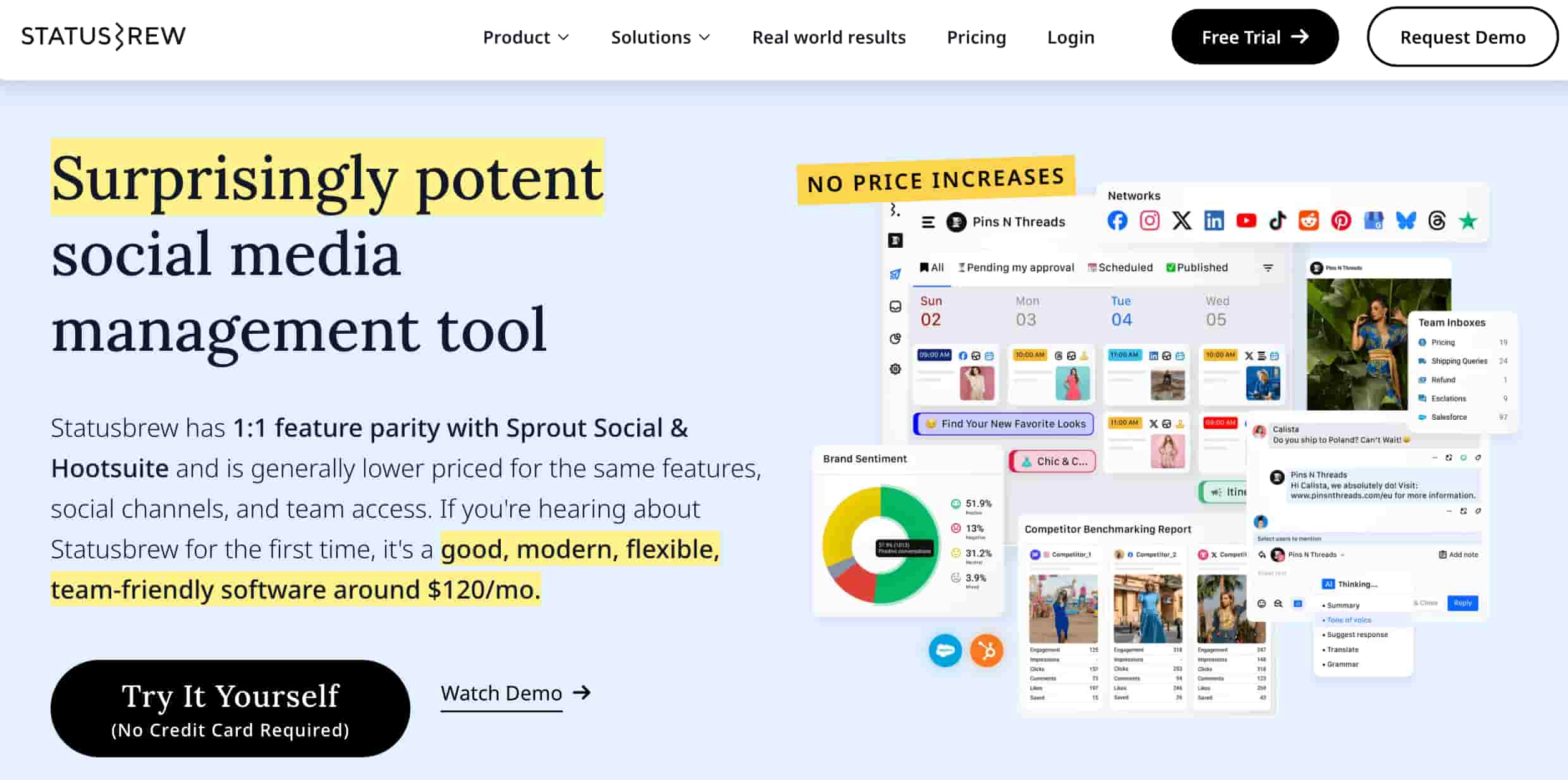
- Statusbrew: A powerhouse for mid-market and enterprise brands, specifically designed to handle massive volumes of ad comments and advanced governance.
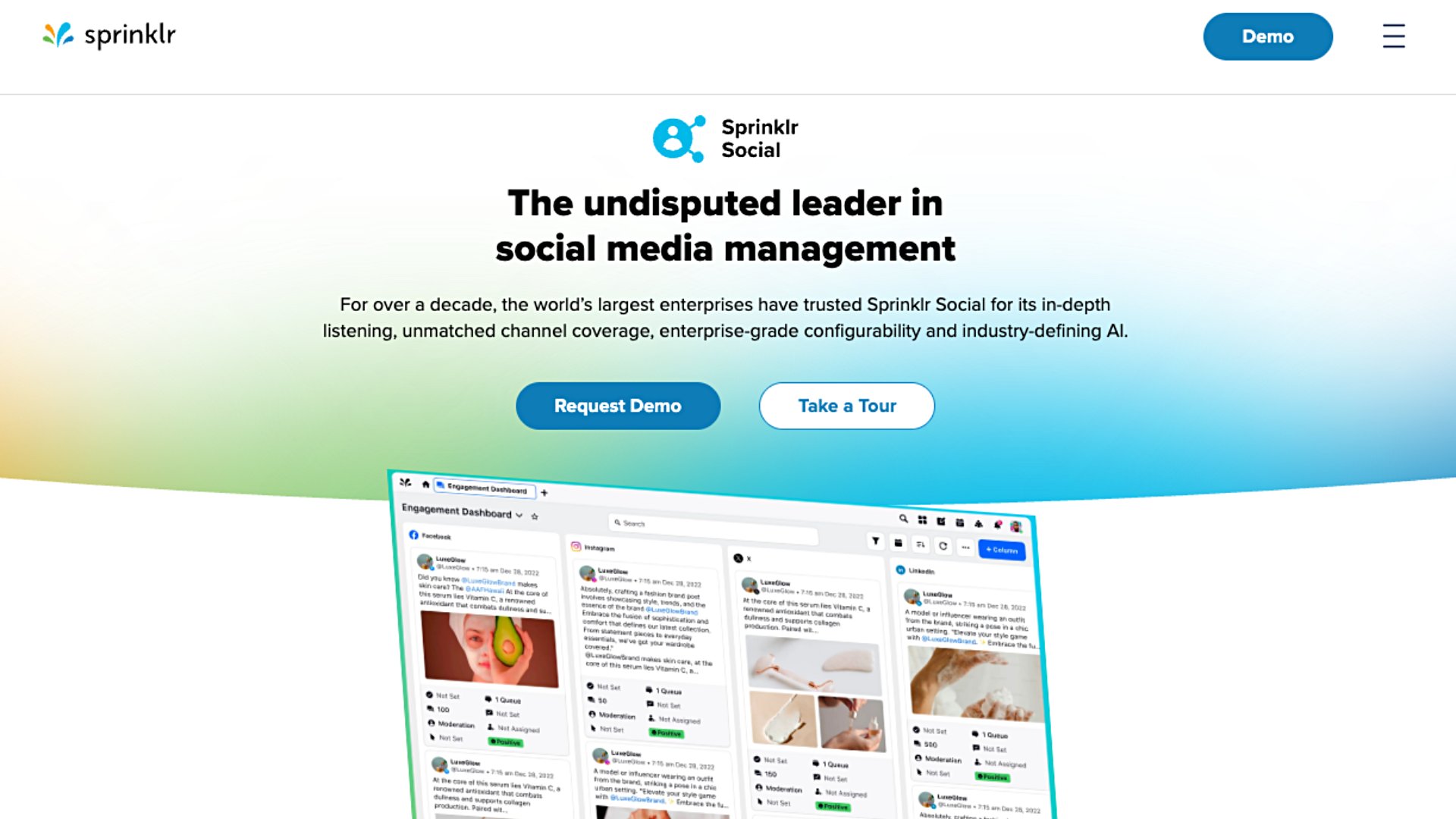
- Sprinklr: The heavy-hitter for massive enterprises. It offers unmatched depth in compliance and cross-channel classification, though it requires a significant investment in setup.
- Planable: Unique for its focus on content teams, bridging the gap between content approval and community management.
- CommentGuard: A specialized solution for Facebook and Instagram, offering surgical precision in blocking trolls and managing spam on paid media.
- Respondology: A sophisticated platform that leverages a three-layer approach: custom rules, AI, and final human verification.
- Brand Bastion: Focused on the "revenue-first" mindset, helping brands turn engagement into measurable growth while maintaining a clean community.
Best Practices: Strategy Over Technology
While software is the engine, policy is the steering wheel. A team without a strategy will find their tools underutilized.
Defining Your Policies
Every brand should have a living document that outlines what is acceptable. This policy must cover prohibited content (hate speech, spam, misinformation), define response timeframes, and establish clear escalation paths for sensitive issues.
The Human Element
Moderators are the unsung heroes of the digital space. The constant exposure to toxic content leads to high rates of burnout. To maintain a healthy team, organizations must implement mandatory rest periods, provide access to mental health resources, and rotate staff to ensure no one is solely responsible for "trench warfare" in the comments.
Continuous Improvement
Moderation is an iterative process. Metrics such as average response time, resolution rate, and sentiment trends should be reviewed monthly. By analyzing the data, brands can refine their automated rules and improve their response templates, ensuring that the team remains agile in the face of evolving digital threats.
Final Implications: The Business Case for Moderation
The cost of inaction is no longer just a few angry comments; it is the potential loss of brand reputation, legal exposure, and long-term customer loyalty. In 2026, social media moderation is a core business function that sits at the intersection of marketing, legal, and customer support.

By centralizing interactions, automating the mundane, and empowering human agents to handle the complex, brands can transform their social media presence into a safe, engaging, and highly effective community. The question is no longer whether your brand can afford to moderate, but whether your brand can afford the consequences of failing to do so.


 Nana
Nana
 Asro
Asro