

While anime has long served as a vibrant gateway for international audiences to discover Japanese culture—a phenomenon that began for many with the arrival of Macross and Robotech—the medium is increasingly moving beyond simple entertainment. As modern discourse surrounding Japan frequently highlights, anime is never truly disconnected from the societal pressures that birth it. Like all significant art, it reflects, critiques, and occasionally exposes the cracks in the foundation of its home nation.
Currently, a provocative new series titled Chainsmoker Cat (Yani Neko) is igniting a fierce debate, not just over its aesthetic choices, but over its unflinching, albeit stylized, portrayal of poverty. The series serves as a mirror for a topic that much of Japanese society prefers to leave obscured: the silent, systemic struggle of those living on the margins of one of the world’s wealthiest nations.
The Narrative of Despair: Who is Yaniko?
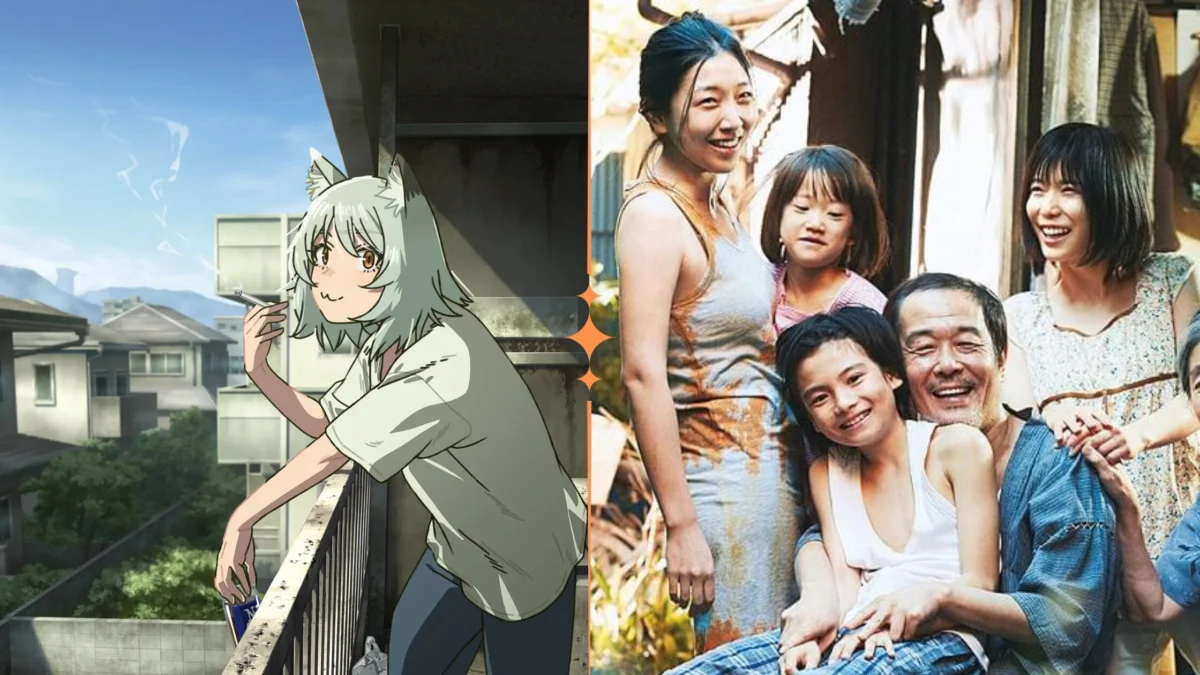
Chainsmoker Cat centers on the life of Satō Yaniko, a 21-year-old "cat-girl"—a member of a marginalized beastfolk minority—residing in the fictional city of Nyagamihara. The narrative is defined by a relentless cycle of precarity. Yaniko is portrayed as suffering from a crippling nicotine addiction, her life dominated by the search for her next cigarette. When her meager funds run dry—a constant state of affairs—she is forced to scavenge for spent butts in public trash bins.
Her living conditions are equally dire. Her water supply has been disconnected, she is perpetually in arrears with her rent, and her "Depression Apartment" is a fire hazard, constantly marred by small, accidental blazes caused by her smoking. However, the show adds a layer of systemic cruelty to her plight: her species. In the world of the manga and anime, beastfolk are a historically oppressed group. They earn only a fraction of the wages afforded to humans and exist in a legal grey area where they can, under certain circumstances, be treated as pets. This intersection of personal vice and systemic marginalization creates a portrait of a life that is, by all traditional metrics, unsustainable.
![[Insider] The Yani Neko Mirror: Why Japan Won’t Look at Poverty](https://media.unseen-japan.com/wp-content/uploads/2026/07/Yani-Neko-and-Shoplifters.jpg)
Chronology of a Controversy: The Digital Discourse
The release of the series triggered an immediate and polarized response across social media platforms. On English-language forums, the prevailing sentiment was one of grim recognition. Many viewers argued that the "grittiness" of the show was an intentional, necessary commentary on mental health and the socioeconomic failures that often exacerbate it.
Conversely, the reaction within Japan took a significantly more visceral turn. The debate hit a fever pitch when an X (formerly Twitter) user, @marishiokayama, posted a critique that garnered over 53,000 likes. The post suggested that the anime was actually a sanitized version of the reality they had witnessed while performing social welfare outreach.
"Yani Neko isn’t something that should be rendered in anime," the user wrote. "It’s an animated version of what I saw back when I used to go around to poor people’s homes. That said, the fact that she can fill a bathtub with hot water means she’s not doing too badly."
This critique highlights a profound disconnect. While international audiences focused on the thematic symbolism of the character’s struggle, Japanese viewers with lived experience in social work viewed the show through a lens of pragmatic reality. In the ensuing online threads, approximately 37% of users argued that a "real" Yaniko would be in far worse straits, noting that her survival is only made possible by the intervention of her sister and landlord—a luxury many in true poverty do not possess. Meanwhile, 16% of respondents argued that the "cute catgirl" aesthetic is the only reason the show is palatable enough to have been produced at all, suggesting that a more realistic portrayal would have been deemed too uncomfortable for Japanese television.
![[Insider] The Yani Neko Mirror: Why Japan Won’t Look at Poverty](https://media.unseen-japan.com/wp-content/uploads/2026/07/image-5-2-1024x576.jpg)
The Cold Hard Data: Japan’s Hidden Crisis
The discomfort surrounding Chainsmoker Cat is not without empirical basis. To the casual visitor, particularly from the United States, Tokyo often presents an image of pristine order with a notable absence of visible homelessness. However, this is not an indicator of a lack of poverty; rather, it is a testament to the societal machinery used to keep such struggles hidden from public view.
Statistical data paints a far more troubling picture:
- Relative Poverty: Japan’s relative poverty rate consistently hovers around 15%, a figure that often shocks those who view Japan as a bastion of economic stability.
- Child Poverty: As of 2021, the child poverty rate stood at approximately 11.5%. Most alarmingly, roughly 44.5% of single-parent households in Japan exist below the poverty line.
- The Welfare Gap: Despite these rising figures, the number of individuals utilizing seikatsu hogo (the Japanese government’s public assistance system) has been in decline. This discrepancy suggests a significant portion of the population is either falling through the cracks or is deterred from seeking help due to the extreme stigma associated with poverty.
While Japan possesses a structured social safety net and a thriving grassroots movement—including the famous "children’s cafeterias" (kodomo shokudō) that provide free or low-cost meals to struggling families—international bodies like the OECD have frequently ranked Japan as one of the worst performers among wealthy nations regarding child poverty.
Official Responses and Societal Stigma
The reluctance to address poverty in Japan is deeply rooted in the cultural stigma that regards economic hardship not as a failure of policy, but as a personal, national, or familial embarrassment. This tendency to "sweep it under the rug" has been a hallmark of the country’s modern social management.
![[Insider] The Yani Neko Mirror: Why Japan Won’t Look at Poverty](https://media.unseen-japan.com/wp-content/uploads/2026/07/yani-neko-japan-poverty-marishi-tweet-939x1024.jpg)
This tension became public in 2018, when the film Shoplifters, directed by Hirokazu Kore-eda, brought the issue of hidden poverty into the spotlight. The film, which depicts a makeshift family surviving on the margins of society, was met with critical acclaim globally but faced significant pushback from conservative circles in Japan. Critics within the country argued that the film presented a "distorted" or "unpatriotic" view of Japanese life, demonstrating a clear desire to keep the curtain drawn on the realities of the working poor.
Implications: Can Art Bridge the Gap?
The controversy surrounding Chainsmoker Cat begs a fundamental question: Is the "cute" aesthetic a bridge to empathy, or a shield that prevents a true understanding of the subject matter?
By packaging systemic oppression and grinding poverty within the familiar, digestible framework of a "cat-girl" comedy, the show has managed to force a conversation that might otherwise have been ignored. For a segment of the audience, the "cute" veneer acts as a trojan horse, allowing them to engage with difficult concepts of marginalization that they might otherwise avoid. For others, the aestheticization of such misery is an insult to those truly suffering.
Ultimately, the impact of Chainsmoker Cat lies in its ability to force a confrontation between Japan’s idealized self-image and the, at times, desperate reality of its citizens. Whether the show succeeds as a social commentary or fails as a trivialization, its existence confirms one thing: the topic of poverty in Japan is no longer as easy to hide as it once was. As the gap between wealth and survival continues to widen, more artists are choosing to lift the curtain, and a growing audience is proving ready—if uncomfortable—to look at what lies behind it.











