

The global anime industry is currently navigating a golden age of unprecedented expansion. From the boardrooms of Tokyo to the streaming queues of North America and Europe, Japanese animation has transitioned from a niche subculture into a dominant pillar of global entertainment. However, as the medium’s footprint grows, a critical debate has emerged within the Japanese creative community: Should anime evolve to meet the cultural sensibilities of its international fans, or should it remain steadfastly domestic in its creative intent?
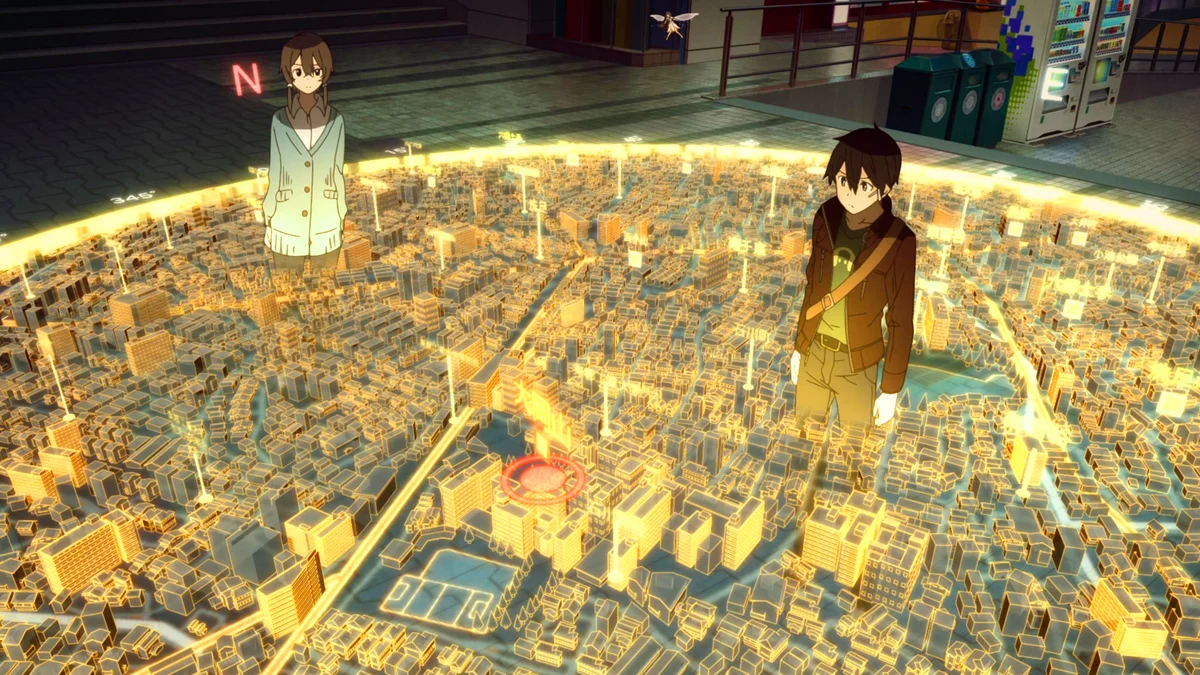
Tomohiko Itō, the acclaimed director behind the Sword Art Online series and its cinematic spin-off Ordinal Scale, has recently weighed in on this discourse with a stern warning. In an industry-centric interview with the Japanese news outlet Daily Shincho, Itō argued that the growing trend of "globalizing" creative content to suit international tastes—specifically regarding Western standards of political correctness—is a strategy that "often leads to failure."
Main Facts: Authenticity Over Accommodation
The core of Itō’s argument rests on the idea that anime’s global appeal is rooted in its distinctiveness, not its conformity. As Japanese production houses increasingly eye the lucrative North American market, there is a rising pressure to sanitize content or adjust tropes to avoid friction with Western social norms.

Itō, however, views this as a tactical error. He suggests that when Japanese creators attempt to guess what will be popular or "acceptable" abroad, they often lose the very essence that made their work attractive to international audiences in the first place.
"On the contrary, focusing too much on ‘the world’ often leads to failure," Itō stated. "What Japanese people think will be popular globally probably won’t appeal to people overseas."
The director specifically pointed to the divergence in cultural standards regarding character design and thematic content. In North America, where "political correctness" has become a central tenet of media criticism and production, certain anime staples—such as stylized violence or the sexualization of female characters (often referred to as "fan service")—are frequently met with scrutiny. Itō expressed concern that if Japanese studios begin self-censoring to appease these specific sensibilities, they risk producing a diluted product that satisfies no one.

Chronology: The Rapid Globalization of Anime (2020–2024)
To understand why Itō is raising these concerns now, one must look at the seismic shifts in the anime business landscape over the last four years. The director noted that the industry has undergone a "global explosion" facilitated by massive corporate consolidations.
The Streaming Consolidation (2020–2021)
In 2020, Sony’s Aniplex moved to acquire Crunchyroll, merging it with Funimation to create a singular, dominant global streaming entity. This move effectively centralized the distribution of anime in the West, giving Japanese rights holders more direct access to American and European data and revenue than ever before.
The Hollywood Gap (2022–2023)
Itō observed that external factors in the United States accelerated anime’s rise. The combination of the COVID-19 pandemic and the subsequent Hollywood writers’ and actors’ strikes created a content vacuum. "Hollywood films seem to have lost some of their power," Itō remarked. "I think Japanese anime has effectively filled that gap." During this period, anime films like Demon Slayer: Mugen Train and Jujutsu Kaisen 0 achieved record-breaking box office numbers in territories previously dominated by domestic blockbusters.

Strategic Acquisitions (2024)
The trend of Japanese expansion has continued into the current year. Itō highlighted Toho’s recent acquisition of a major British anime distribution company as evidence that Japanese studios are no longer content with just licensing their work; they want to own the infrastructure of global distribution.
Supporting Data: The Market Reality and the "Creative Freedom" Defense
The financial stakes of this debate are massive. According to the Association of Japanese Animations (AJA), the overseas anime market has grown nearly fourfold over the last decade, now rivaling the domestic Japanese market in total valuation. In 2022, the market reached a record high of 2.9 trillion yen (approximately $20 billion USD).
This financial dependence on the West is what drives the urge to pander. However, Itō’s skepticism is shared by many of his peers. Data from recent hits suggests that the most "authentically Japanese" shows often perform the best. Demon Slayer, which is deeply rooted in Japanese Taisho-era history and folklore, became a global phenomenon without compromising its cultural specificities for Western comfort.

Furthermore, Itō highlighted a secondary issue in the globalization of the industry: the lack of recognition for the technical staff who drive these successes. He pointed out that while voice actors often receive the spotlight during international promotions, the "internal staff"—such as Director Haruo Sotosaki or Cinematographer Yuichi Terao of Demon Slayer fame—remain largely unknown to the general public, despite their work being the primary driver of the medium’s visual appeal.
Official Responses and the Stance of the Japanese Government
Itō’s comments do not exist in a vacuum; they reflect a broader movement within Japan to protect the nation’s "soft power" from external ideological influence.
The Policy Proposal for Creative Freedom
Recently, a new Japanese policy proposal has sought to defend the "creative freedom" of anime, manga, and video games. This proposal was drafted in response to what some Japanese lawmakers perceive as "foreign pressure" to alter content. The Japanese government has increasingly viewed its creative industries as a vital national asset, and there is a growing consensus that the "Japaneseness" of the content is its most valuable commodity.
The "Anti-Disney" Sentiment
Itō is not the only high-profile figure to voice these concerns. Directors from other major franchises, such as One Piece and Dragon Ball, have echoed the sentiment that Western audiences are gravitating toward anime specifically because it offers an alternative to the "Disney-style predictable harmony" found in Western animation. The argument is that if anime starts following the same "predictable harmony" or social guidelines as Western media, it will lose its competitive edge.
Implications: The Future of Cultural Export
The warnings issued by Tomohiko Itō suggest a looming crossroads for the anime industry. If the industry chooses the path of "Global Standardization," we may see:
- Reduced Risk-Taking: A move away from controversial themes or unique art styles that might offend sensitive demographics.
- Homogenized Storytelling: A shift toward Western narrative structures, potentially eroding the unique pacing and genre-bending qualities of Japanese storytelling.
Conversely, if the industry heeds Itō’s advice and doubles down on "Authentic Domesticity," the implications include:

- Preservation of Soft Power: Japan maintains its status as a cultural alternative to the Western entertainment hegemony.
- Niche-to-Mass Appeal: By focusing on high-quality, uncompromising stories, anime may continue to attract fans who are looking for the "freshness" that Itō believes is currently lacking in Hollywood.
Recognition of the "Invisible" Creators
Itō’s push for better recognition of production staff also hints at a necessary evolution in how anime is marketed. By elevating directors, cinematographers, and animators to the status of "auteurs" in the eyes of the global public, the industry can build a more sustainable brand that isn’t solely dependent on the popularity of individual characters or voice talent.
Conclusion
As Tomohiko Itō prepares for the release of his next film, an adaptation of Keigo Higashino’s Kusnoki no Bannin, his critique serves as a vital reality check for an industry at its peak. His message is clear: the world loves anime because it is unapologetically Japanese. To change that in the hopes of being "more global" is not just a creative sacrifice—it is a business risk that could undermine the very foundation of the medium’s success.
In the eyes of Itō and many of his contemporaries, the best way to serve the global audience is to ignore their expectations and focus on the craft of storytelling as it has been practiced in Tokyo for decades. Authenticity, it seems, remains the most potent export Japan has to offer.










No comments yet. Be the first to join the conversation!