

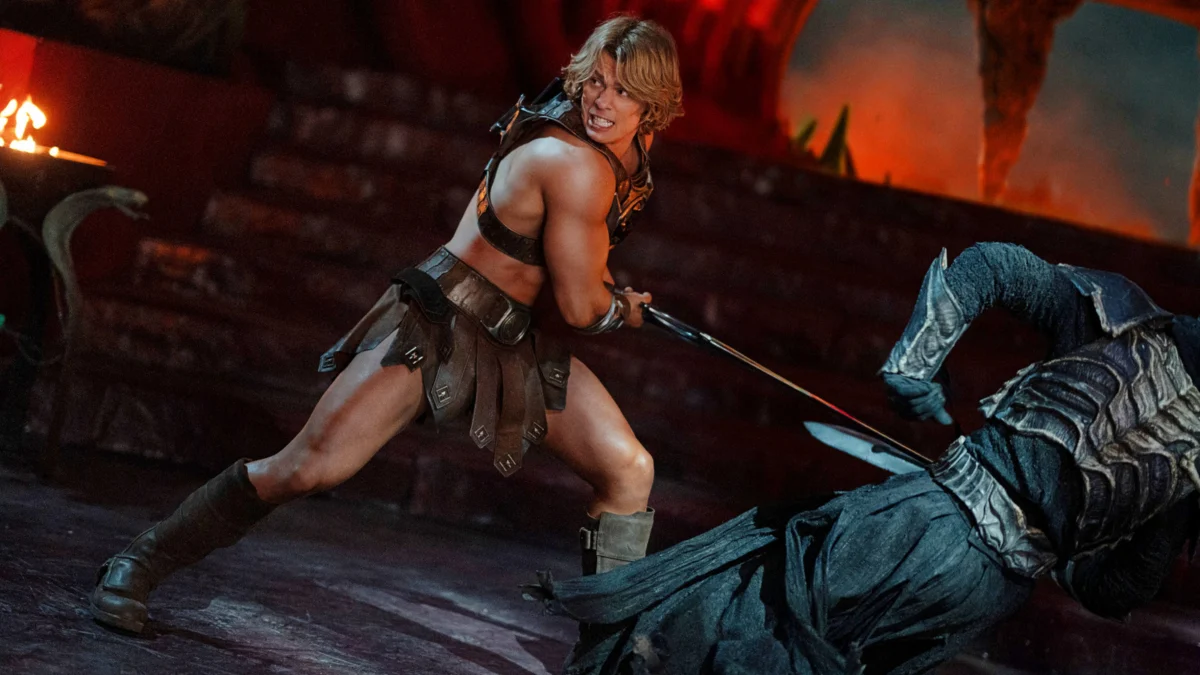
When director Travis Knight stepped onto the set of the upcoming Masters of the Universe adaptation, he brought with him a daunting challenge: how to translate one of the most iconic, toy-etic aesthetics of the 1980s into a live-action spectacle that feels grounded, dangerous, and cinematic. While the upcoming film, scheduled to hit theaters on June 5, 2026, aims to honor the legacy of Eternia, it is making one definitive departure from the source material that fans have debated for decades.
The legendary "furry underwear"—the loincloth that defined He-Man’s silhouette for generations—is officially being retired. As production moves toward its highly anticipated release, costume designer Richard Sale has provided a rare glimpse into the complex process of reimagining a hero whose visual language was originally dictated by the limitations of plastic molds and Saturday morning animation budgets.
The Evolution of Eternian Aesthetics: Main Facts
The shift away from the iconic fur-covered briefs is not merely a stylistic choice; it is a practical necessity dictated by the demands of modern cinematography. In the 1987 live-action film starring Dolph Lundgren, the design team opted for minimalist leather panties. While they lacked the "fur" aesthetic, they arguably offered even less practical coverage.
For Knight’s vision, the goal was to achieve a balance between the "fantastical" and the "functional." Richard Sale, the film’s costume designer, explained that the original cartoon designs were deliberately simplistic to aid the workflow of animators and toy manufacturers at Mattel. However, a live-action epic requires a level of textural depth that flat, primary-colored fur simply cannot provide without veering into the uncanny valley.
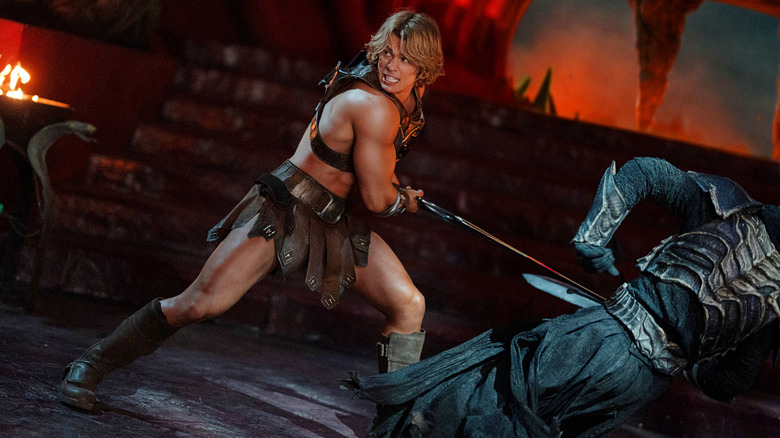
"The fur on the whole was nixed quite early on," Sale revealed during a set visit. "The furry pants would have been just too difficult." The design team settled instead on a gladiator-inspired aesthetic, utilizing pteruges—the leather strips often seen on ancient Roman armor. This decision serves two purposes: it provides a more authentic, battle-hardened appearance for Nicholas Galitzine’s He-Man, and it offers practical protection for the character, ensuring he doesn’t enter the fray with his femoral artery exposed.
Chronology of a Costume: From Plastic to Pteruges
To understand the significance of this design pivot, one must look at the history of the Masters of the Universe franchise.
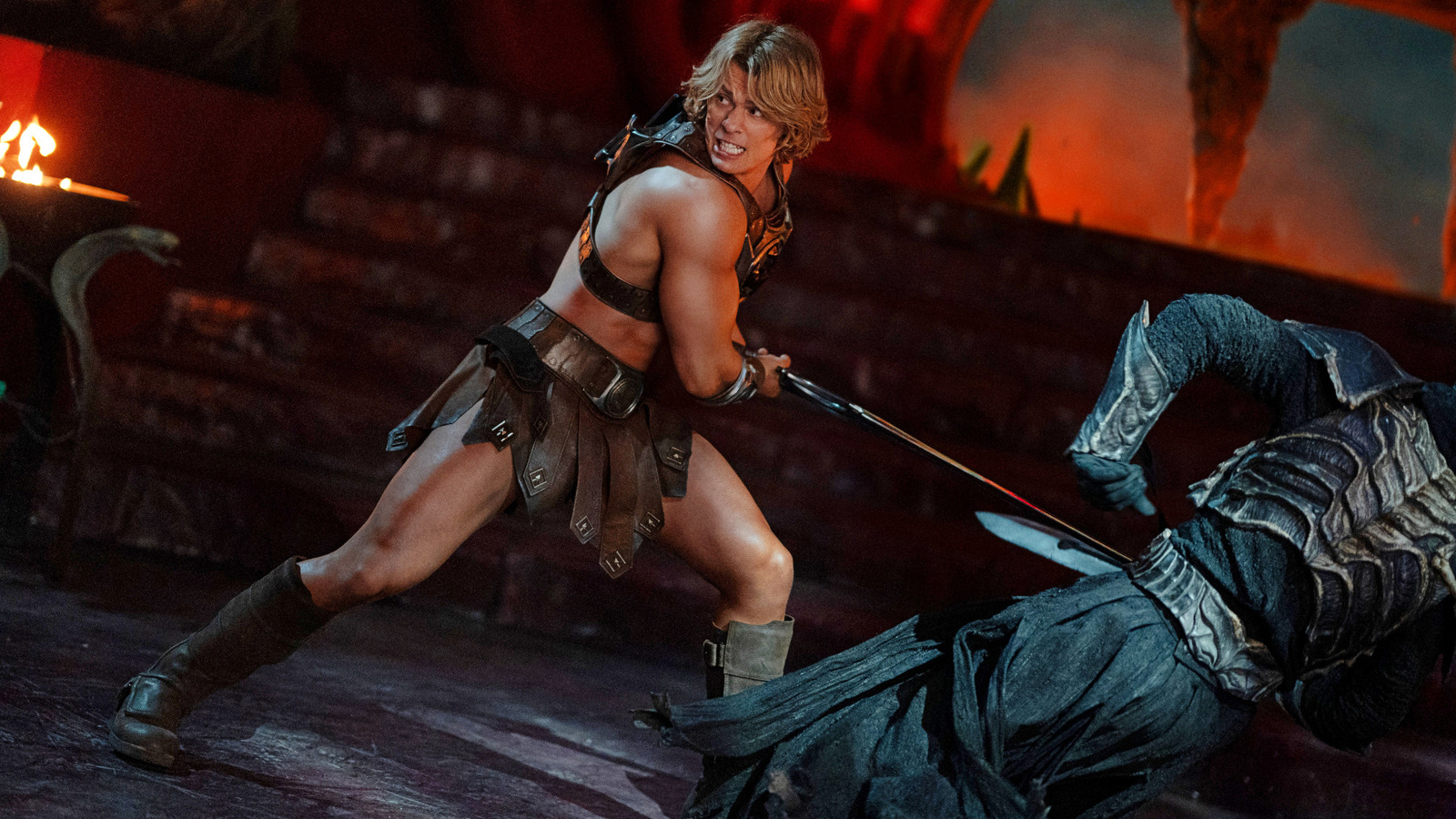
- 1982: The original Mattel action figure line launches. The design, centered on a bulky, muscular frame with minimal attire, becomes the gold standard for the brand.
- 1983: The Filmation animated series premieres, cementing the "furry loincloth" look in the cultural consciousness.
- 1987: The first live-action film attempts a grounded approach, replacing the fur with leather trunks, though the film is largely remembered for its deviations from the source material.
- 2024–2025: Production on the new Amazon MGM Studios film ramps up. The creative team focuses on "richness and detail," opting for a historical-fantasy aesthetic.
- June 2026: The official theatrical release is set, where audiences will finally see the new armor in motion.
This chronology illustrates a consistent struggle: how to keep a character iconic while making them look like a viable combatant in a realistic setting. By replacing the fur with a more robust, tactical skirt, the production is effectively bridging the gap between the toy-aisle aesthetic and the gritty, high-stakes tone modern audiences expect from blockbuster fantasy.
The Physicality of the Hero: Supporting Data
The costume design was not just about the fabrics used; it was a race against the actor’s own physical transformation. Nicholas Galitzine’s commitment to the role has been described by crew members as "staggering." Production designer Guy Hendrix Dyas noted that Galitzine was in a near-constant state of physical training throughout the shoot.
This created a logistical nightmare for the costume department. Because Galitzine was continuously packing on muscle mass, his armor could not be finalized until mere days before the cameras started rolling. The department had to account for how his changing anatomy—specifically his expanding trapezius muscles and shifting chest measurements—would alter the silhouette of the armor.
"I’ll be having a conversation with him and I’ll go, ‘Are you working out right now?’ And he’s like, ‘Yeah,’" Dyas recounted. The costume team had to make real-time adjustments: resizing shoulders, recalibrating the emblem size, and deciding whether the chest plate should emphasize or downplay certain muscle groups. This iterative process is a testament to the fact that, in modern filmmaking, the costume is as much a part of the actor’s performance as their physical presence itself.
Official Responses: The Creative Philosophy
The creative team remains lighthearted about the "lost" furry loincloth. Sale admitted that the team frequently teased Galitzine, threatening to force him into the most restrictive, tight-fitting, and fur-heavy versions of the classic costume as a joke. However, the decision to pivot toward the pteruges was always the front-runner for the final product.
The philosophy behind the look is one of "history and depth." By adding layers of leather, metal, and straps, the designers are attempting to build a world that feels as if it has its own internal culture, rather than just a costume department’s interpretation of a plastic toy. This approach extends to the "Hero Sword," of which nearly a dozen versions were crafted. These versions were weighted to allow for realistic handling, ensuring that when Galitzine hoists the blade aloft, the audience feels the weight of his effort and the resulting muscle definition.
Implications for the Franchise
The implications of this costume change reach further than just the wardrobe department. It signals a shift in how studios approach legacy IP. Modern audiences have little patience for "toy-accurate" costumes that look flimsy or silly under the harsh lighting of a 4K camera. By prioritizing functionality and physical logic, Travis Knight is signaling that this Masters of the Universe will be a serious, immersive experience.
Furthermore, the focus on the actor’s physique as a living, changing part of the costume design process highlights the evolving relationship between practical effects and physical performance. It is no longer enough to wear a suit; the actor must become the silhouette, and the costume must adapt to that evolution.
As the film approaches its 2026 release, the move away from the furry loincloth serves as a metaphor for the film as a whole: honoring the spirit of the original Masters of the Universe while stripping away the elements that no longer serve the story. Whether or not the fans—who have long held the fur as a sacred part of He-Man’s iconography—will embrace this new, tactical look remains to be seen. However, one thing is certain: the Power of Grayskull is being channeled through a much more battle-ready vessel this time around.
When the film flexes into theaters in June 2026, the audience will be looking for more than just nostalgia; they will be looking for a hero who looks ready to conquer the modern world. Through meticulous design, constant iteration, and a commitment to grounded aesthetics, the creative team behind Masters of the Universe has ensured that He-Man is finally dressed for the war he has been fighting for over forty years.











No comments yet. Be the first to join the conversation!