

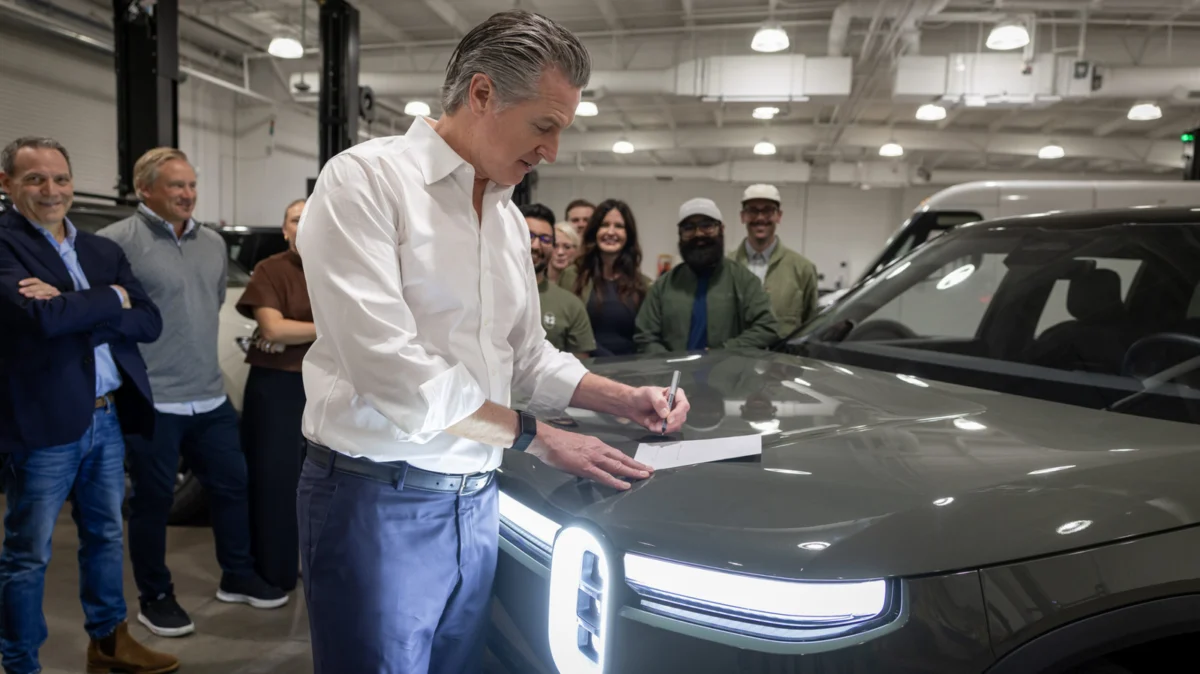
In a strategic pivot to maintain its status as the nation’s leader in clean energy, the State of California has unveiled "MyFirstEV," an ambitious rebate program designed to incentivize first-time buyers to make the switch to battery-electric vehicles (BEVs). As the federal government has retreated from national EV tax incentives, California Governor Gavin Newsom is positioning the state as a localized engine for the global electric vehicle transition, committing a substantial $600 million investment to bolster the state’s clean transportation economy.
The Core Mandate: Bridging the Affordability Gap
The centerpiece of this initiative is the MyFirstEV program, which offers an instant rebate of up to $3,500 for eligible first-time EV buyers. Unlike previous federal programs that required taxpayers to wait until they filed their annual tax returns to see the financial benefit, the MyFirstEV program functions as a point-of-sale discount. By applying the rebate directly at the dealership, California aims to lower the barrier to entry for middle-class families who might otherwise be deterred by the upfront capital requirements of electric vehicle ownership.
To qualify for the full $3,500 rebate, a new vehicle must be a zero-emission, battery-powered unit—meaning hybrids and plug-in hybrids are excluded from this specific program—and must have a Manufacturer’s Suggested Retail Price (MSRP) under $50,000. For those looking at the secondary market, the state has also allocated a $1,750 rebate for used EVs that are priced below $25,000, acknowledging that pre-owned vehicles are a critical entry point for many first-time buyers.
Chronology of the Transition
The urgency behind the MyFirstEV program stems from a volatile period in national energy policy.
- Late 2025: The federal government formally sunsetted the long-standing national EV tax credit, leading to a sudden cooling of the retail electric vehicle market across the United States.
- Early 2026: Market data indicated a stagnation in EV adoption rates, particularly among first-time buyers who had been counting on federal subsidies to justify the higher sticker prices of electric models.
- Summer 2026: Governor Gavin Newsom officially announced the MyFirstEV program as part of a $600 million comprehensive clean transportation budget.
- Late Summer 2026: The program is scheduled to go into effect, with infrastructure rollout and dealership integration protocols finalizing.
This rapid mobilization reflects the Newsom administration’s "fight back" stance, as the Governor has explicitly stated that California will not cede the global clean-car race to international competitors like China, despite the absence of federal support.
Supporting Data: Where the Money Goes
The MyFirstEV program is funded by a unique hybrid model. The $270 million earmarked specifically for these consumer rebates is split 50/50 between the state’s 2026-2027 fiscal budget and contributions from participating automakers. This collaborative approach ensures that the industry has "skin in the game," incentivizing manufacturers to keep their vehicle pricing within the thresholds required for rebate eligibility.
Beyond the consumer-facing rebates, the broader $600 million investment package covers critical infrastructure and environmental health projects:
- $150 million: Allocated to the Community Air Protection Program, which focuses on reducing emissions in heavily impacted urban centers.
- $135.5 million: Dedicated to the Clean Truck and Bus Voucher Incentive Project, aimed at electrifying the state’s heavy-duty commercial fleet.
- $130 million: Earmarked for the replacement of aging, high-polluting heavy-duty diesel engines, a move intended to improve local air quality in industrial corridors.
Market Implications: What You Can Buy
The current pricing structure of the EV market aligns well with the eligibility criteria set by the state. Buyers can leverage the $3,500 rebate on a wide array of popular vehicles. Notable options currently under the $50,000 cap include:
- Nissan Leaf: Long considered the benchmark for the affordable EV segment, the Leaf remains a primary candidate for those looking to maximize the rebate’s impact.
- Tesla Model 3 and Model Y: These vehicles, which dominate the California market, fall comfortably under the price threshold, making the instant $3,500 discount a significant factor for consumers who were previously on the fence.
- Hyundai Ioniq 5: Known for its rapid charging and distinct design, the Ioniq 5 is a key player in the mid-range EV segment that now becomes more accessible to first-time buyers.
- Ford Mustang Mach-E: With its blend of performance and utility, the Mach-E stands as a viable option for families transitioning from internal combustion engine (ICE) SUVs.
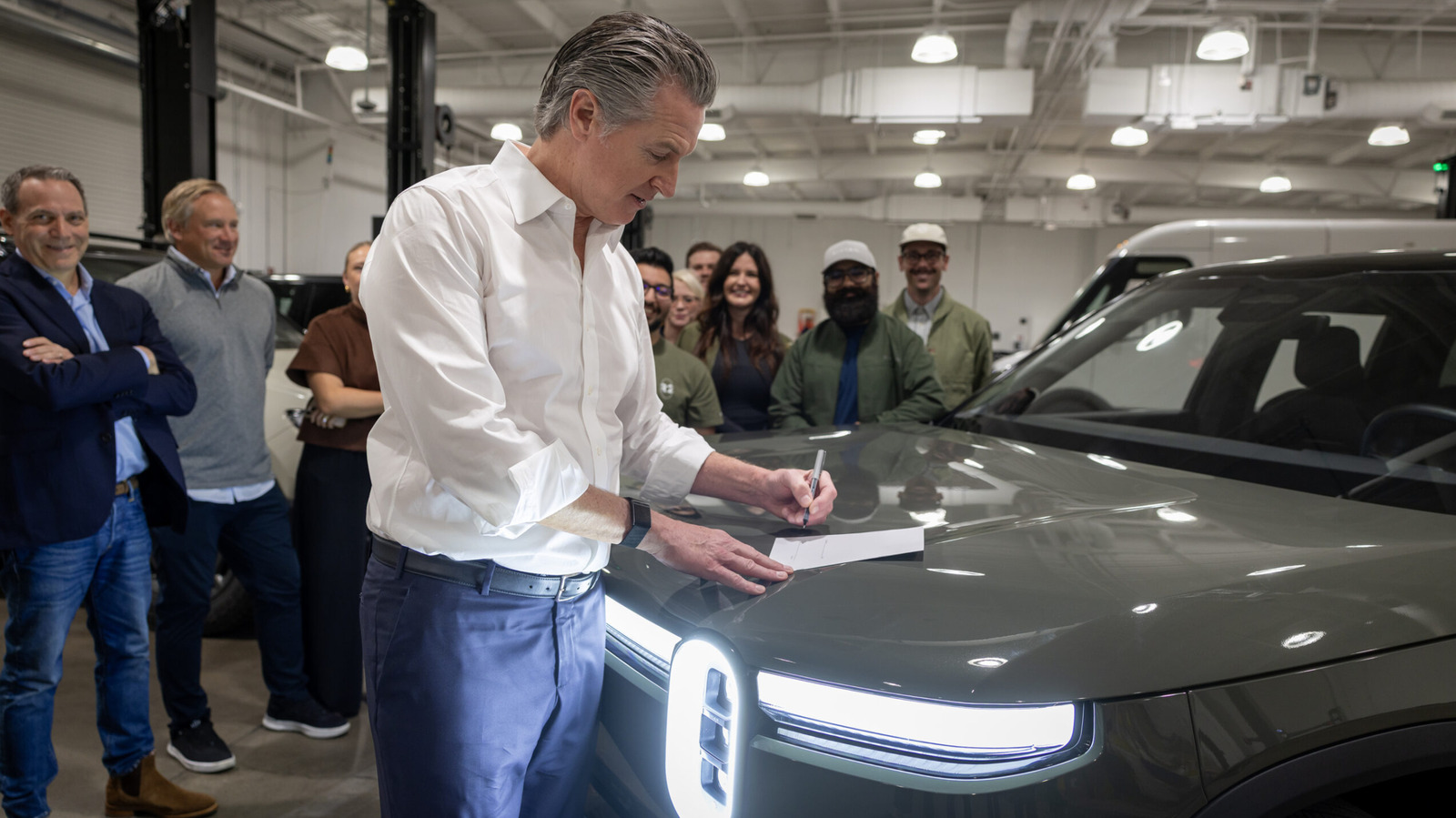
Even luxury-leaning brands are adjusting to the new reality. While current Rivian models exceed the price cap, the upcoming R2—set for a $45,000 base price—is perfectly positioned to qualify for the rebate upon its release, a clear indicator that manufacturers are tailoring their product roadmaps to fit California’s fiscal incentives.
Official Responses and Strategic Rationale
The Newsom administration has framed this initiative not merely as a consumer subsidy, but as a survival strategy for the state’s economy. By subsidizing the shift to zero-emission vehicles, the state is actively working to lower the total cost of ownership for Californians, while simultaneously reducing the public health costs associated with tailpipe emissions.
"California is not waiting for the federal government to catch up," a spokesperson for the Governor’s office noted. "By partnering with automakers and utilizing the state budget to create an instant discount, we are ensuring that the transition to a zero-emission future remains equitable and attainable for every Californian, not just the wealthy."
Industry analysts have praised the "instant" nature of the rebate. Historically, tax credits were perceived as complicated and disconnected from the purchase experience. By integrating the discount into the dealership experience, the state removes the financial friction of the purchase, allowing the discount to act as a down payment or an immediate reduction in the monthly financing obligation.
Addressing the "Rural Gap"
A recurring critique of past EV policies was that they disproportionately benefited urban residents with home-charging capabilities. Recognizing this, the latest $600 million package includes a specific mandate for the expansion of charging infrastructure in rural and underserved areas. By pairing the vehicle rebates with a state-wide expansion of the charging network, California is attempting to solve the "range anxiety" that has long acted as the primary psychological barrier to EV adoption.
Conclusion: A Blueprint for the Future?
The MyFirstEV program represents a significant escalation in the battle for the future of the American automobile. By combining direct consumer incentives with a multi-pronged investment in commercial fleets and public infrastructure, California is attempting to create a self-sustaining ecosystem that is independent of federal whims.
For the first-time buyer in California, the message is clear: the state is making a concerted effort to lower the barrier to entry. As the program rolls out later this summer, it will likely serve as a litmus test for whether state-level policy can effectively drive national market trends. If successful, MyFirstEV may well become the blueprint for other states looking to pursue aggressive climate goals in a post-federal-subsidy landscape. Whether this $600 million investment will be enough to maintain the state’s momentum remains to be seen, but for the automotive industry and the consumer alike, the shift in California is both immediate and undeniable.











