

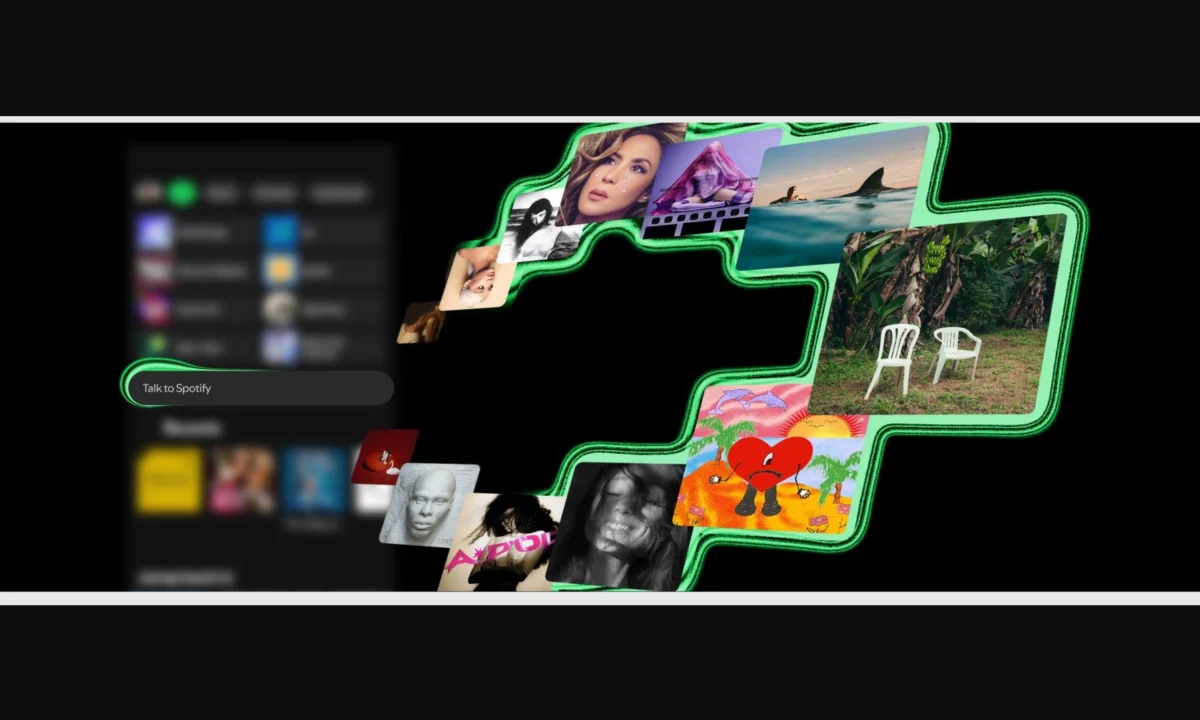
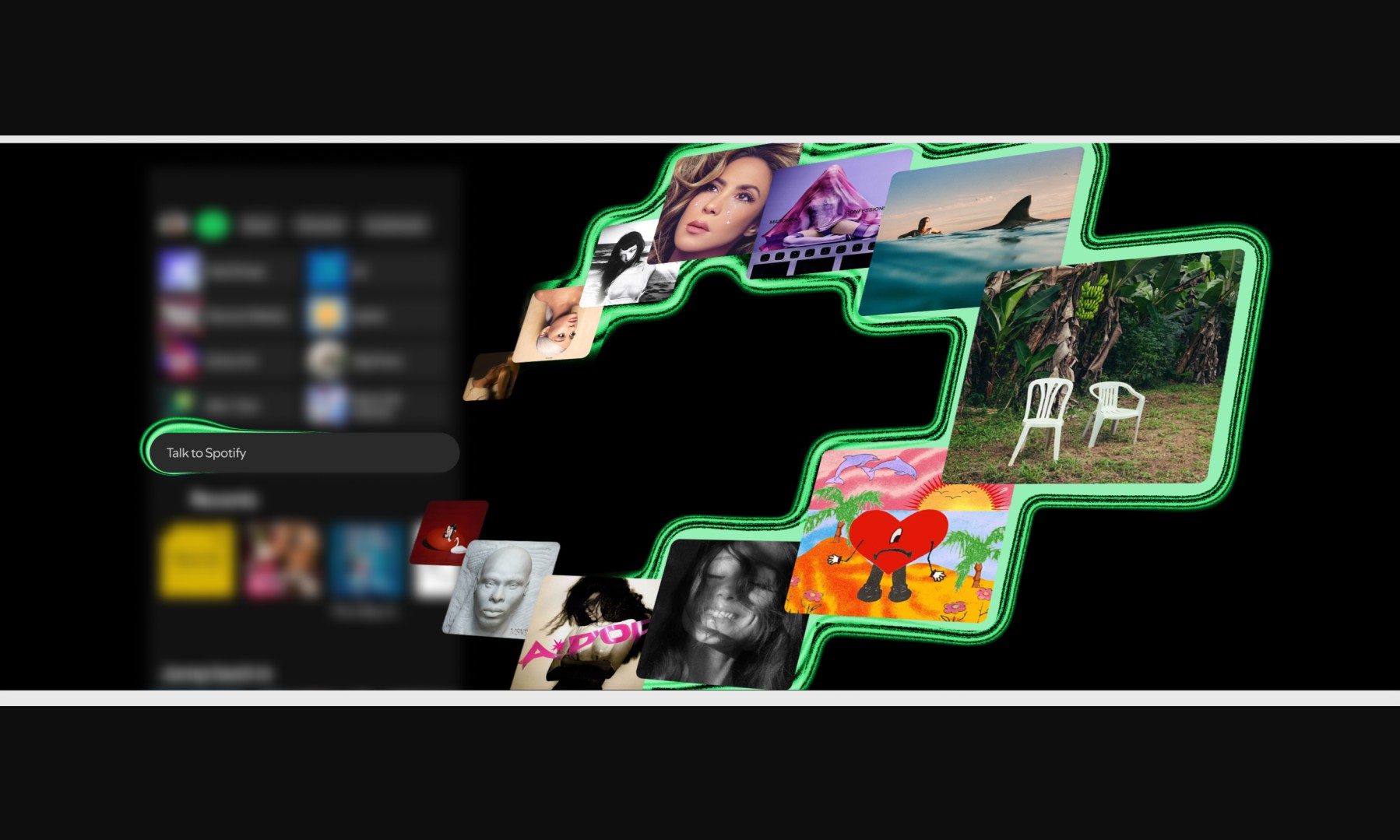
In a move that signals a paradigm shift in how we interact with digital media, Spotify has officially entered the next generation of music discovery. The streaming giant has begun rolling out a highly anticipated, AI-powered conversational feature that fundamentally alters the user experience. By integrating advanced natural language processing—reminiscent of the capabilities found in ChatGPT—Spotify is moving beyond simple search bars and static algorithms, offering a dynamic, voice-enabled assistant that understands intent, context, and the nuance of human request.
For millions of Premium subscribers, the era of manually typing queries or endlessly scrolling through curated lists is being challenged by an interface that feels less like an app and more like a conversation.
The Core Functionality: Redefining Discovery
The new feature is designed to act as an omnipresent audio concierge. Accessible directly from the "Home" and "Now Playing" screens, this tool allows users to engage with their music library through both text and voice. Unlike traditional voice assistants that rely on rigid, pre-programmed commands, Spotify’s new AI is built to handle complex, multi-layered requests.

If a user wants to hear something specific, they no longer need to know the exact title or artist. They can ask, "Play some upbeat tracks for a rainy morning commute," or "What’s that song from the 90s that sounds like a mix of jazz and lo-fi?" The system parses these descriptors, scans the user’s history, and provides a curated response.
Perhaps most impressive is the ability to engage in follow-up dialogues. A user can request a specific genre, and then immediately refine that request by saying, "Actually, make it more acoustic," or "Add a few tracks from the 70s to this queue." The assistant remembers the context of the conversation, allowing for a fluid, natural experience that mimics a real-world interaction with a music expert.
A Chronology of Spotify’s AI Evolution
To understand the significance of this latest rollout, one must look at Spotify’s calculated, multi-year progression into artificial intelligence. The company has spent years cultivating a reputation for algorithmic excellence, but the pivot to generative AI marks a departure from passive curation to active collaboration.
- 2023: The Rise of AI DJ: Spotify introduced "AI DJ," a feature that combined a personalized music stream with a synthetic, AI-generated voice that provided commentary on tracks, explaining why certain songs were selected based on the user’s past habits. This was the first major step in humanizing the app’s interface.
- Early 2024: The AI Playlist Beta: Building on the success of the DJ, Spotify launched "AI Playlist." This allowed users to generate playlists based on text prompts, such as "a playlist for a high-intensity gym workout" or "songs to help me focus while coding."
- Mid-2025: Expanding the Ecosystem: Spotify began testing "Studio by Spotify Labs," a sophisticated tool capable of generating personalized podcasts and daily briefings, effectively using generative AI to create audio content from scratch rather than just shuffling existing libraries.
- July 2026: The Conversational Breakthrough: The current rollout represents the unification of these technologies. By combining the conversational capabilities of modern Large Language Models (LLMs) with the vast repository of metadata Spotify has collected over the last decade, the platform has created a singular, interactive interface that covers music, podcasts, and audiobooks.
Technical Foundations and Supporting Data
The underlying architecture of this feature relies on a sophisticated fusion of generative AI models and Spotify’s massive proprietary dataset. While the company has not disclosed the specific LLM architecture powering the conversation, industry experts suggest it utilizes a custom-tuned model trained on musicological data, artist biographies, genre history, and user listening patterns.
Data indicates that user engagement spikes when AI-assisted discovery tools are introduced. For instance, early beta tests for the AI Playlist feature showed that users were 30% more likely to discover artists outside of their "usual" genres when prompted by AI rather than standard editorial playlists. This suggests that conversational AI isn’t just a gimmick—it’s a powerful tool for breaking the "filter bubble" that often plagues streaming platforms.
Furthermore, the integration with audiobooks and podcasts represents a significant engineering challenge. Navigating long-form audio requires the AI to understand deep metadata—such as guest appearances, host history, and specific chapters within an audiobook—which demonstrates that the system is indexing content at a granular, semantic level.

Official Stance and User Experience
In its official announcement, Spotify emphasized that this technology is in a "beta" phase, acknowledging that while the system is highly advanced, it is still learning. "Our goal is to make discovery effortless," a Spotify spokesperson noted. "By allowing users to communicate in their own words, we are removing the friction of discovery. We want to get you to the music you love—and the music you haven’t discovered yet—faster than ever."
The company is being cautious, however. They have explicitly stated that during this testing period, responses may not always be perfect. This transparency is vital, as generative AI is prone to "hallucinations"—where the model might confidently present incorrect information about a song’s release date or an artist’s biography. To mitigate this, Spotify has reportedly implemented guardrails that force the AI to prioritize factual, database-backed information over creative generation when answering queries about facts.
Implications for the Music Industry and Users
The rollout of this conversational assistant carries profound implications for several stakeholders:

For the Casual Listener
The barrier to entry for deep discovery is effectively lowered. The "power user" who knows exactly what they want and the "casual listener" who needs guidance are both served. It turns the app into a collaborative partner, potentially increasing the time users spend actively engaged with the platform rather than letting it run as background noise.
For Artists and Creators
The impact here is twofold. On the positive side, an AI that can intelligently recommend "obscure" music based on nuanced conversational prompts could provide significant exposure to independent artists who might otherwise be buried by global charts. Conversely, if the AI begins to favor certain songs based on how they "fit" into a prompt, there is a risk that the algorithm could influence the types of music being produced, forcing creators to optimize their work for AI-friendly descriptors.
For the Future of Streaming
This move signals that Spotify is positioning itself as the primary interface for audio consumption. By embedding a conversational layer, Spotify is building a "moat" around its user base. If a user becomes accustomed to asking their app questions and receiving personalized, highly accurate answers, the cost of switching to a competitor becomes much higher. It is a strategic pivot from being a mere distributor of files to becoming an interactive, intelligent media platform.

A Cautious Rollout
The feature is currently available to Premium subscribers aged 18 and older in the United States, Ireland, and Sweden. By limiting the release to English-speaking regions and specific age brackets, Spotify is engaging in a controlled "stress test" of the technology. The restriction to iOS and Android apps ensures that the team can monitor crash reports and user feedback in real-time, refining the model before a global, multilingual launch.
As the beta progresses, the industry will be watching closely to see if this conversational AI leads to a genuine increase in listener satisfaction or if it encounters the same fatigue that some users have expressed toward other AI-integrated services. One thing is certain: the way we "search" for music has changed forever. We are no longer searching; we are discussing. And in that discussion, the future of the audio industry is being written one prompt at a time.











