Ali Ikhwan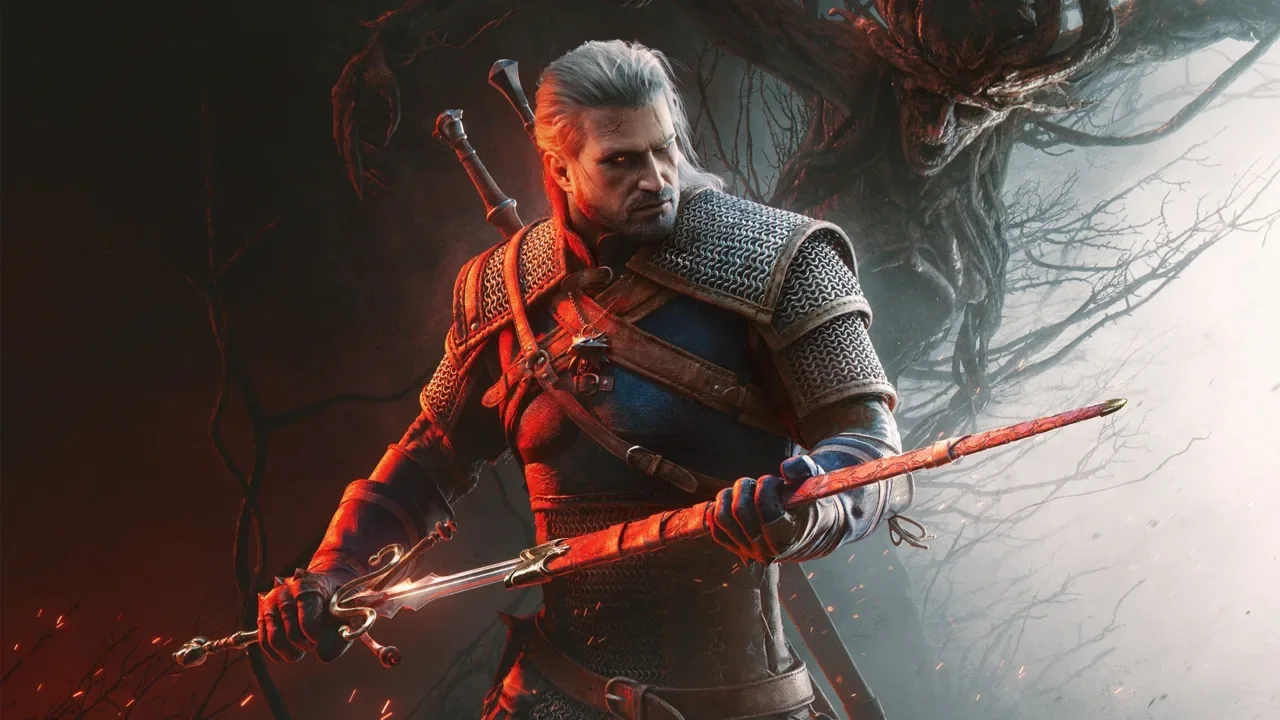
CD Projekt, the powerhouse Polish developer behind some of the most celebrated titles in gaming history, has unveiled its first-quarter financial results for the current fiscal year. The report paints a picture of a company in transition—one that is successfully leveraging its legacy franchises to maintain cash flow while aggressively pivoting toward a new, multi-project development model designed to shorten the wait times between major releases.
Despite a slight dip in net profit, the studio’s strategic decision to embrace subscription services like Xbox Game Pass and continue the monetization of its established intellectual properties has yielded positive results. With a massive cash reserve and several projects in various stages of production, CD Projekt is positioning itself for a new era of growth.
Main Facts: A Financial Snapshot
For the first quarter, CD Projekt reported a total revenue of PLN 191 million ($52.5 million), representing a modest 6% increase compared to the same period last year. However, the internal distribution of these earnings reveals a significant shift in player interest.
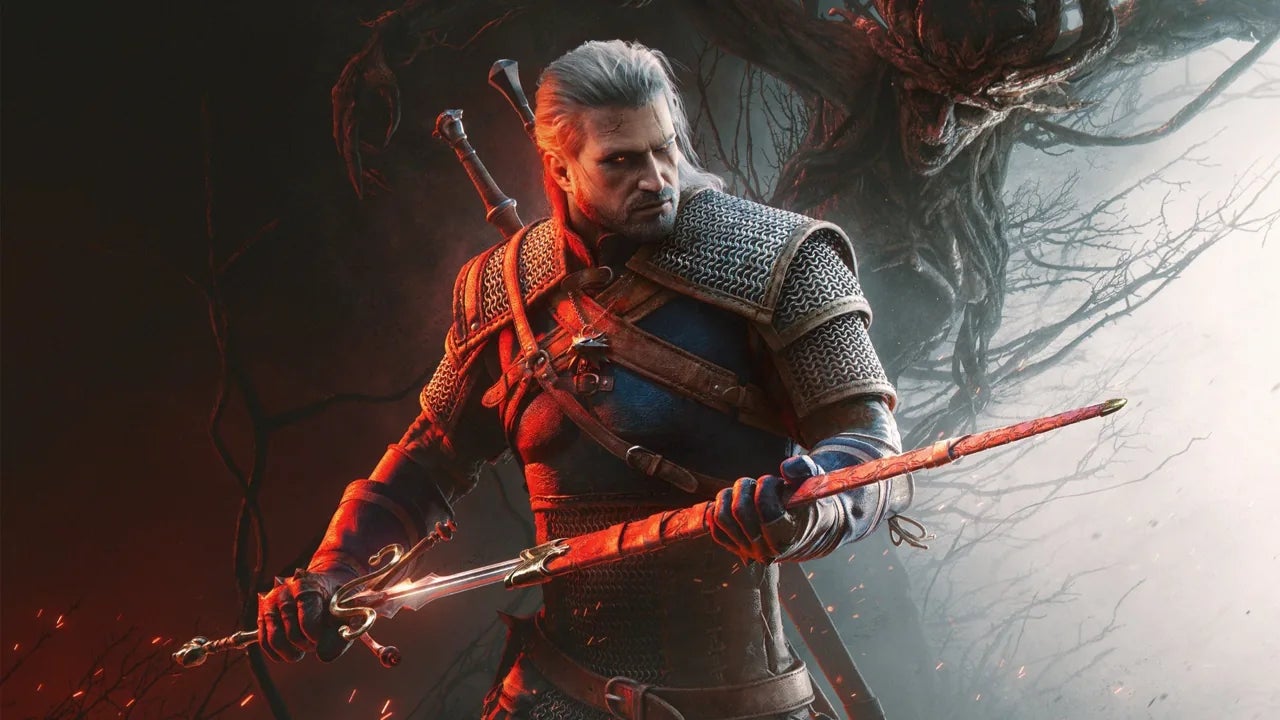
The Witcher franchise, now nearly a decade removed from the release of The Witcher 3: Wild Hunt, continues to demonstrate remarkable longevity. Revenue from the Witcher IP surged by 36%, bringing in PLN 44.7 million ($12.2 million). This growth is attributed to the enduring popularity of the base game—which has now surpassed 65 million cumulative sales—and the continued expansion of the brand.
Conversely, revenue from the Cyberpunk IP saw a slight decline of 4%, totaling PLN 140.1 million ($38.4 million). While this represents a cooldown following the massive success of the Phantom Liberty expansion and the subsequent 2.0 update, the franchise remains a pillar of the company’s portfolio.
The company’s net profit settled at PLN 106 million ($29.1 million), down from the PLN 111.7 million ($30.7 million) recorded in the previous quarter. Analysts suggest this contraction is a natural byproduct of the studio’s increased expenditure on research, development, and the simultaneous production of multiple upcoming titles.
Chronology: From Single-Title Focus to Multi-Project Pipeline
Historically, CD Projekt operated on a "one-at-a-time" philosophy. Under this model, the studio would dedicate its full resources to a single flagship title, with conceptual work for the next project only beginning as the current one reached its final stages. This linear progression resulted in high-quality, genre-defining games but led to multi-year gaps that often tested the patience of both the market and the player base.
The company is now explicitly moving away from this structure. By diversifying its internal teams and fostering strategic collaborations with external studios—such as the partnership with Fool’s Theory for the development of The Witcher project currently codenamed "Songs of the Past"—CD Projekt is embracing a parallel development cycle.
- 2015: The Witcher 3: Wild Hunt launches, setting a new benchmark for open-world RPGs.
- 2020: Cyberpunk 2077 is released, followed by a period of intensive remediation and support.
- 2023: The launch of Phantom Liberty revitalizes the Cyberpunk franchise, proving the viability of long-term post-launch support.
- 2024 (Q1): The studio formalizes its commitment to a multi-project model, with several titles in active development.
- 2027 (Expected): The release of the upcoming Witcher expansion, Songs of the Past.
This transition to a multi-project pipeline is intended to stabilize the company’s revenue streams, ensuring that the studio is not overly reliant on a single "big hit" every five or six years.
Supporting Data: The Power of Subscription and Ecosystems
A critical component of CD Projekt’s current financial health is its engagement with digital distribution channels. CFO Piotr Nielubowicz highlighted the inclusion of Cyberpunk 2077 and The Witcher 3: Complete Edition on Xbox Game Pass Premium and Ultimate as a "solid revenue stream."
By making these titles accessible to the massive Game Pass audience, CD Projekt has managed to broaden its player base, effectively re-monetizing older software while keeping the brands relevant for new audiences who may not have purchased the games at full price upon release. This strategy acts as a "long tail" for revenue, ensuring that titles continue to generate profit long after their initial marketing cycle has concluded.
Furthermore, the studio’s balance sheet remains robust. At the end of March, CD Projekt held cash reserves totaling PLN 1.4 billion ($384.9 million). This liquidity is a strategic necessity; it provides the company with the financial buffer required to sustain multiple large-scale development teams simultaneously without the immediate pressure of "make or break" release windows.

Official Responses: Leadership Perspectives
The leadership at CD Projekt has been transparent about the necessity of this operational shift. Joint CEO Michał Nowakowski emphasized the importance of reach and accessibility in the current gaming landscape.
"Being part of various distribution channels, and publishing updates for the newest hardware, enable us to continue expanding our player base, and broadening the availability of our games," Nowakowski stated. This perspective confirms that the studio is prioritizing "brand footprint" as much as immediate sales figures, viewing the player ecosystem as a primary asset.
CFO Piotr Nielubowicz echoed this sentiment while contextualizing the increased spending. "As we carry on with our work, each successive quarter sees an increase in investments on development projects even as we maintain a solid level of cash reserves," he noted. "We are well prepared to further intensify our parallel development work on several projects in the context of our excellent franchise."
The tone from the C-suite is one of calculated confidence. By investing now, they are betting that the future of the company lies in a consistent cadence of releases rather than the "all-or-nothing" risks of the past.
Implications: What This Means for the Industry
The shift in CD Projekt’s operational model carries significant implications for the gaming industry at large.
1. The Death of the "Single-Project" Studio
CD Projekt’s move away from the single-title focus is a trend observed across many AAA developers. As the cost of developing high-fidelity, open-world games continues to skyrocket, the risk of a single project failing becomes an existential threat. By building multiple teams and collaborating with external partners, developers can hedge their risks and ensure a more predictable release calendar.

2. The Role of Subscription Services
Once feared by many publishers as a potential threat to unit sales, subscription services like Game Pass are increasingly being viewed as essential marketing and revenue tools. For a developer with a deep back catalog like CD Projekt, these services provide a way to keep older games in the "top-of-mind" category, ensuring that new releases in a franchise are met with a larger, more engaged audience.
3. Sustainability and "Songs of the Past"
The fact that Songs of the Past is in advanced development for a 2027 release indicates that the studio is comfortable with long-term planning. It signals to investors that the Witcher IP is not just a relic of the past but a foundational element of the company’s future revenue projections.
4. Market Expectations
Investors will be watching closely to see if this new strategy successfully reduces the "dry spells" between games. The market has historically punished CD Projekt for the long intervals between their major releases. If the company can successfully deliver a steady stream of content, the volatility of their stock price—often linked to the performance of a single game—may stabilize.
Conclusion
CD Projekt is in the midst of a sophisticated transformation. By leveraging the enduring strength of the Witcher franchise to fund a new, parallel development cycle, the company is attempting to modernize its business model to fit the demands of the contemporary gaming market.
While the dip in net profit is a point of note, the company’s massive cash reserves and its strategic use of subscription services suggest that the studio is not struggling, but rather "re-tooling." The coming years will be the ultimate test of this new philosophy. If the studio can maintain its hallmark quality while successfully managing multiple, concurrent development pipelines, CD Projekt is well-positioned to remain a dominant force in the gaming industry for decades to come. As the 2027 release date for their next major Witcher expansion approaches, the industry will be watching to see if this calculated gamble on parallel growth pays off.

 Jia Lissa
 Azzam Bilal Chamdy