Jia Lissa
Science fiction has long obsessed over the cold, infinite vacuum of space as the ultimate frontier for horror. From the claustrophobic corridors of the Nostromo in Alien to the psychological disintegration of astronauts in Dead Space, the narrative trope remains consistent: space is the void, and the void is hungry. However, with the release of Subnautica 2—the highly anticipated sequel developed by Unknown Worlds Entertainment—the genre is undergoing a shift in perspective.
By grounding its survival horror in the crushing, lightless depths of the planet Proteus, Subnautica 2 argues that the ocean is not merely an alternative to space, but a superior catalyst for human primal fear. As players navigate the bioluminescent, pressure-cooked environments of this alien world, they find that while space threatens to freeze or suffocate you, the ocean threatens to consume you entirely.
Main Facts: A New Chapter in Survival
Released on May 14, 2026, Subnautica 2 represents a monumental evolution for the franchise. Built upon Unreal Engine 5, the game delivers unparalleled fidelity in water physics, lighting, and creature AI, creating an ecosystem that feels alive and actively hostile.
Players assume the role of a survivor who has crash-landed on Proteus, a water-logged world characterized by its vast, interconnected biomes and treacherous underwater canyons. Unlike its predecessors, Subnautica 2 introduces a more robust narrative-driven experience, tasking players with investigating the disappearance of previous scientific expeditions while maintaining their own biological survival. With a focus on online co-op for up to four players and cross-platform capabilities, the game shifts the survival dynamic from lonely isolation to a collective struggle against an environment that refuses to yield.

Chronology: The Descent into Proteus
The timeline of Subnautica 2 begins in the immediate aftermath of a planetary crash. The initial phase is marked by the disorientation of survival—scavenging for basic materials to build oxygen-producing tools and simple habitats. As players venture further from their landing site, the game’s chronology unfolds through the discovery of the "Proteavirus."
This contagion acts as a narrative anchor, infecting the water supply and introducing psychological horror elements. As players progress, they begin to hear phantom voices and fragmented memories, blurring the line between the physical dangers of the deep and the encroaching madness of the mind. By the mid-game, players are no longer just surviving; they are actively uncovering the history of the previous scientists who fell to the same planet, leading to a grim realization that the "rescue" they were promised may never arrive.
Supporting Data: The Anatomy of Underwater Horror
The terror in Subnautica 2 is not accidental; it is a meticulously crafted experience based on several key pillars:
1. The Tyranny of Limited Visibility
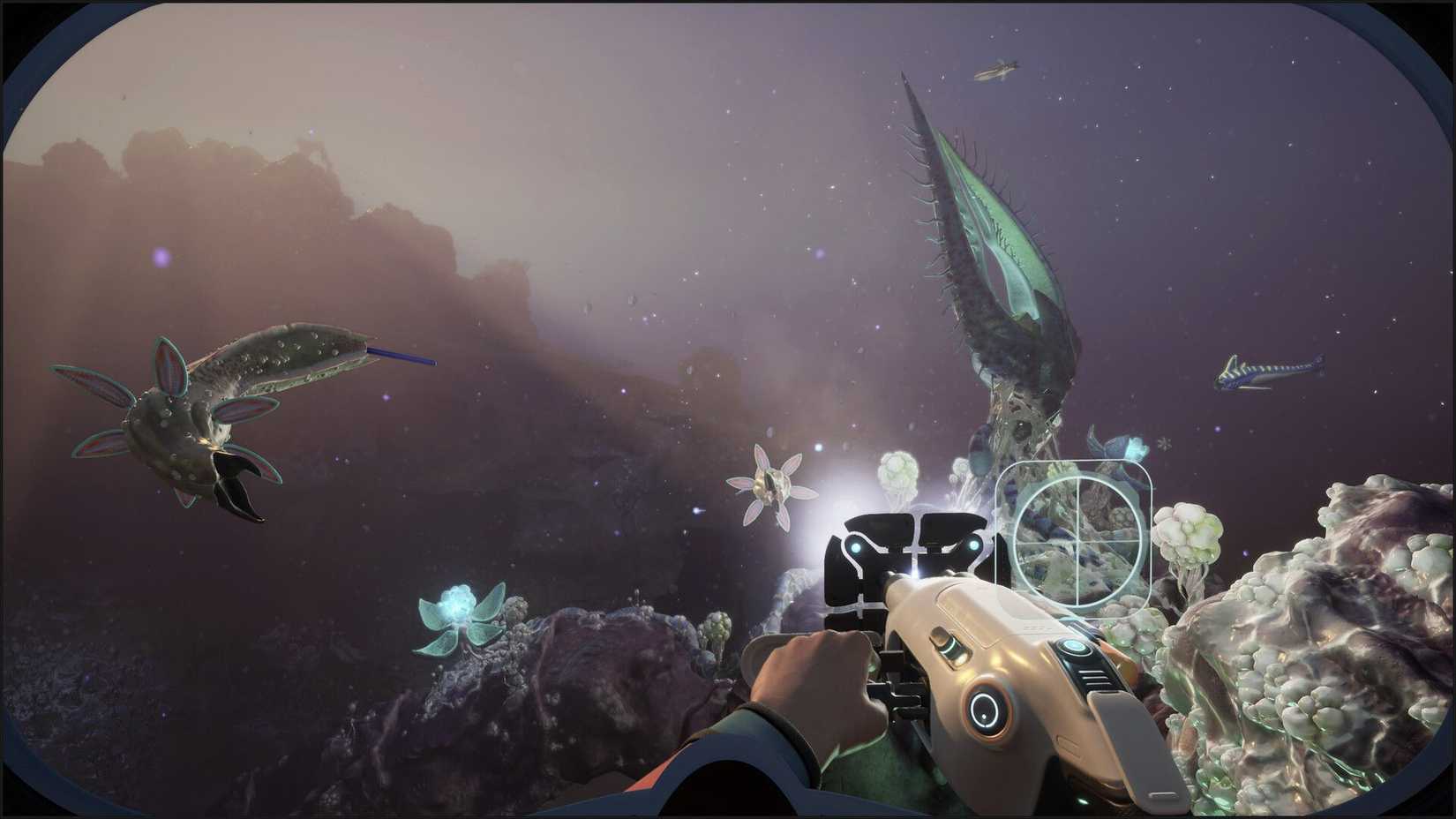
In space, you can often see the threat approaching from light-years away. In the ocean, the water column is a shroud. The game forces players into a state of constant, low-level panic because the unknown is only ever a few meters in front of them. The use of bioluminescence creates a deceptive beauty, where light attracts the eye but often masks a predator until it is too late.
2. The Persistence of "Other" Life
Space is often depicted as empty. The ocean, by contrast, is crowded. Every crevice in Subnautica 2 is teeming with life, much of which views the player as biomass. The Leviathans and gargantuan crustaceans that prowl the depths are not just enemies; they are apex residents of a home that the player is invading.
3. The Psychological Weight of Phobias
The game expertly taps into a spectrum of documented human phobias:

- Thalassophobia: The fear of the vast, deep ocean.
- Megalophobia: The terror of large objects—or in this case, gargantuan creatures and shipwrecks.
- Trypophobia: The discomfort caused by the clustered patterns found in the game’s alien fungal biomes.
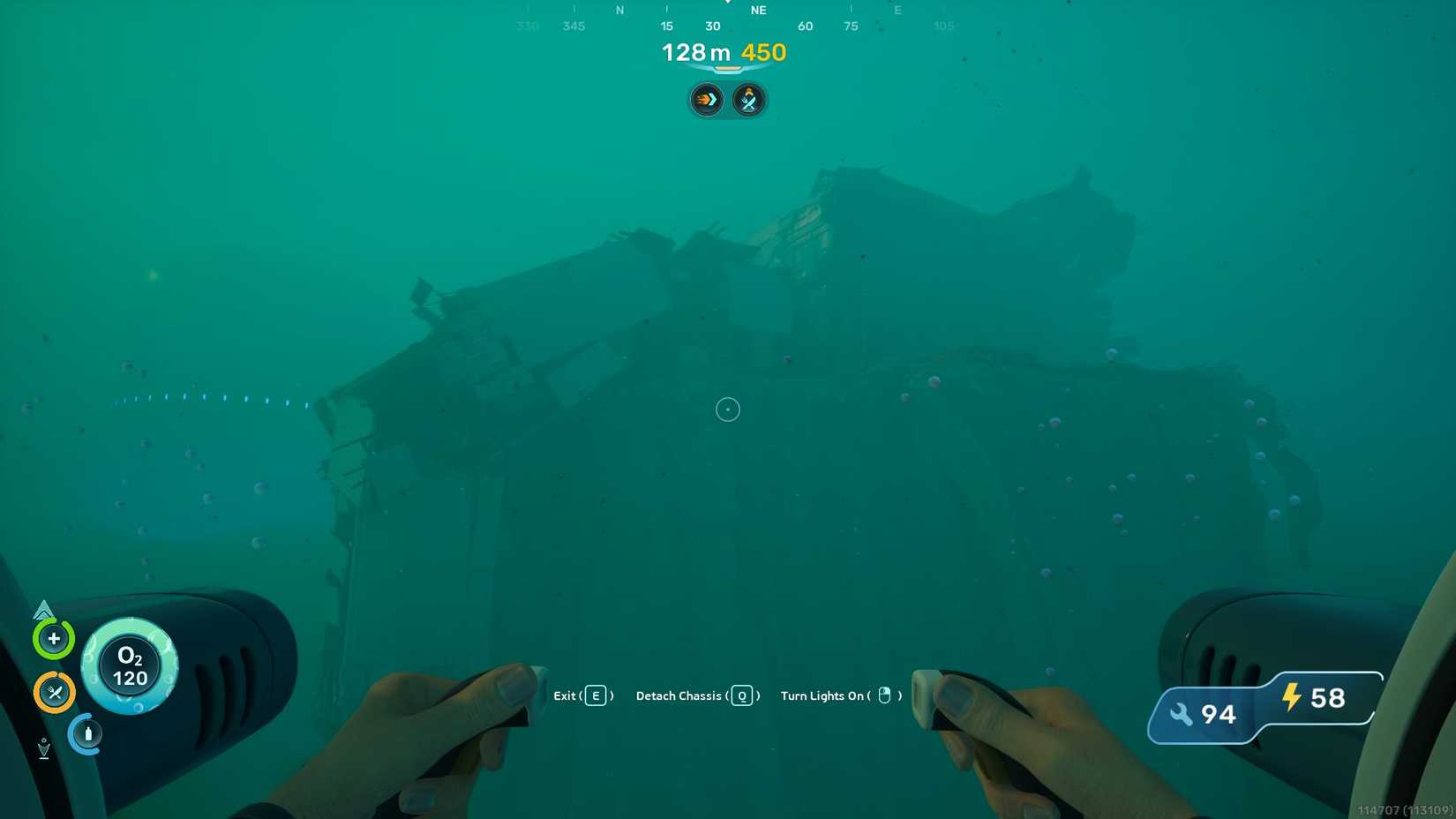
- Megalohydrothalassaphobia: The specific, chilling fear of large, submerged man-made objects, such as the haunting remains of crashed vessels littering the seafloor.
4. The Torment of Proximity
Perhaps the most effective horror element is the "illusion of safety." In space, you accept your distance from home. In Subnautica 2, the surface is often visible. You can see the air, you can see the light, yet the depth of the water separates you from safety. The feeling of drowning while watching the sunlight ripple above is a unique brand of torture that space games simply cannot replicate.
Official Responses and Technical Ambition
Unknown Worlds Entertainment has leaned heavily into the feedback from the original Subnautica and Below Zero. Developers have stated that their goal with the sequel was to "deepen the isolation" while simultaneously "broadening the scope of the ecosystem."
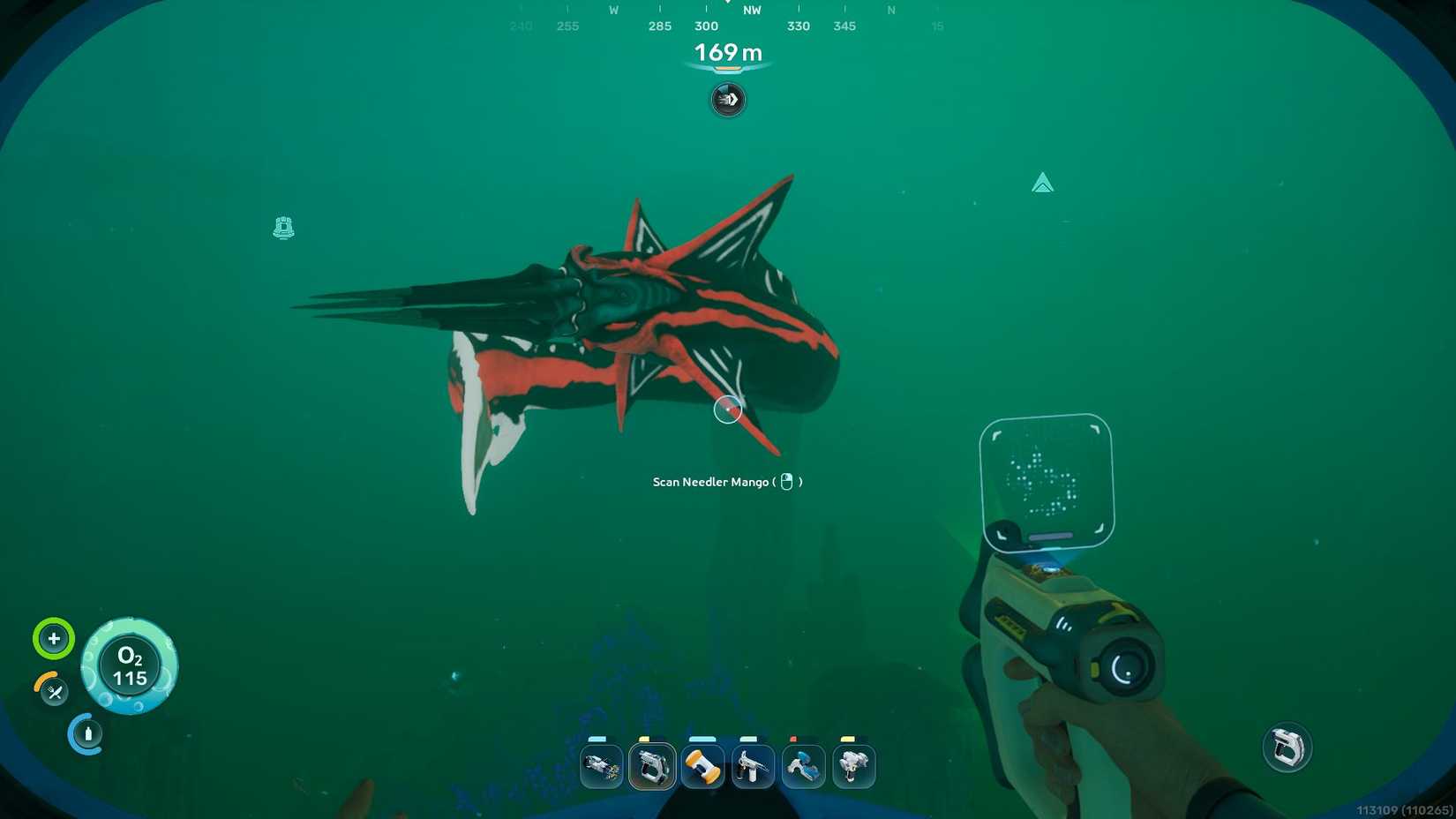
By utilizing Unreal Engine 5, the team has managed to render the deep-sea trenches with a level of realism that induces legitimate vertigo in players. The integration of co-op play was a calculated risk, but early reports indicate that it has actually heightened the tension; the necessity of protecting teammates adds a layer of responsibility to the horror. If one player falls, the rest are forced to choose between abandonment or a desperate, likely suicidal, rescue mission.
Implications: The Evolution of the Genre
The success of Subnautica 2 implies a significant shift in the gaming industry’s approach to horror. For years, the "space station gone wrong" model has been the gold standard. However, Subnautica 2 proves that the ocean—a place on our own planet that remains 80% unexplored—is a far more fertile ground for terror.
The implications for the survival genre are clear:
- Narrative Complexity: Future games will likely look to the "Proteavirus" model of psychological infection rather than relying on jump scares.
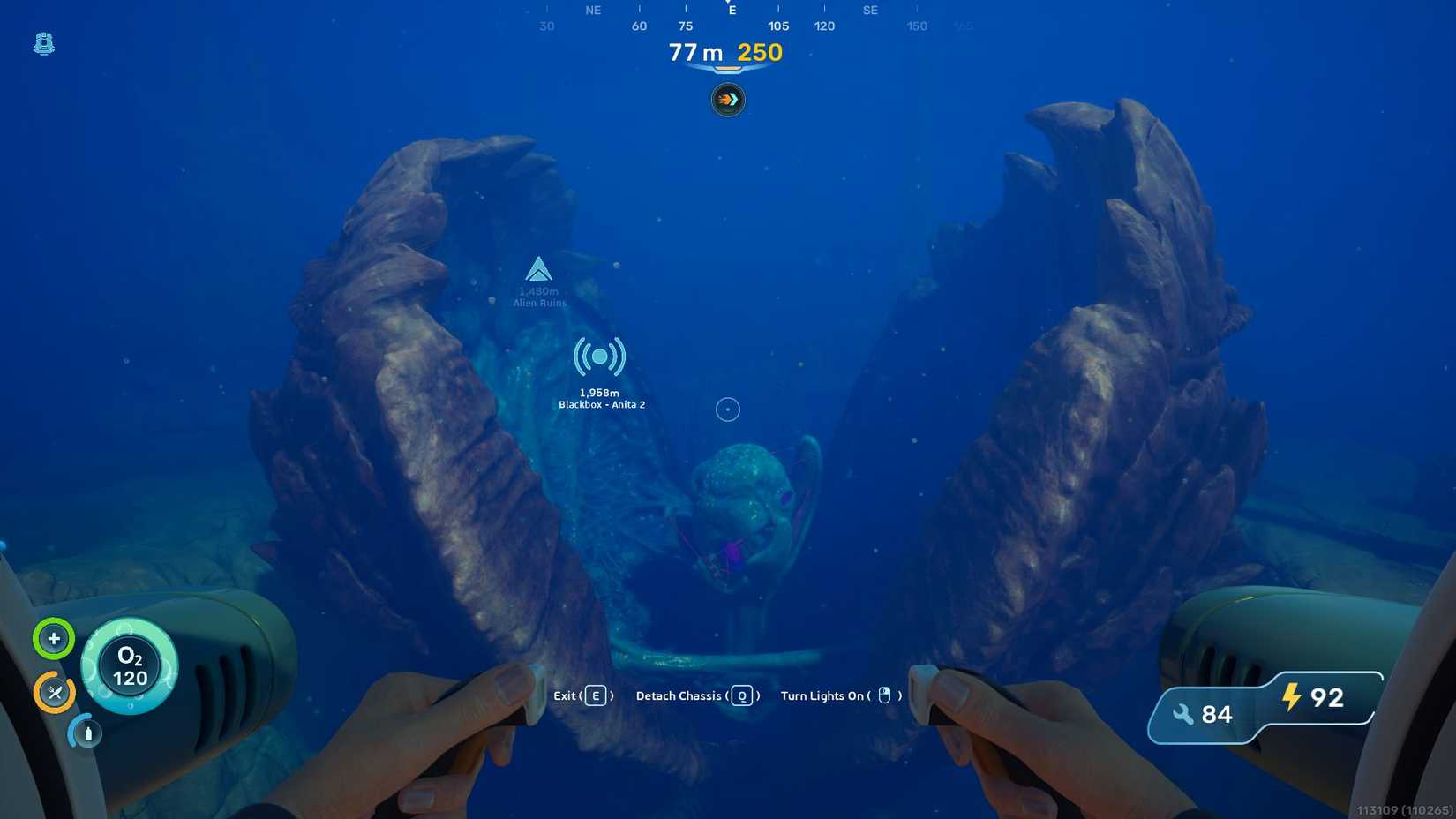
- Environmental Storytelling: The use of wreckage as a centerpiece for history and horror is a blueprint for environmental world-building.
- Social Survival: The success of the four-player co-op model suggests that the next generation of survival games will focus on the interpersonal drama that emerges under extreme, high-pressure environments.
Conclusion: Why the Ocean Wins
Ultimately, Subnautica 2 makes a compelling case for the primacy of oceanic horror. In space, you are battling against the absence of life; in the ocean, you are battling against an abundance of it. The constant, crushing pressure, the darkness that consumes all light, and the evolutionary nightmare of creatures that have spent millions of years perfecting the art of the hunt in total silence create an atmosphere that is uniquely suffocating.

As you pilot your submersible through the dark, hearing the metallic groan of the hull under pressure, you realize that the real horror isn’t just that you are in an alien ocean. It is the realization that no matter how far you travel into the stars, you will always be a fragile, air-breathing creature, and the abyss, regardless of the planet, is always waiting to pull you down. Subnautica 2 is not just a game about survival; it is a testament to the fact that the most frightening frontier isn’t above us—it is beneath us.


 Nana Wu
 Dwi Wanna