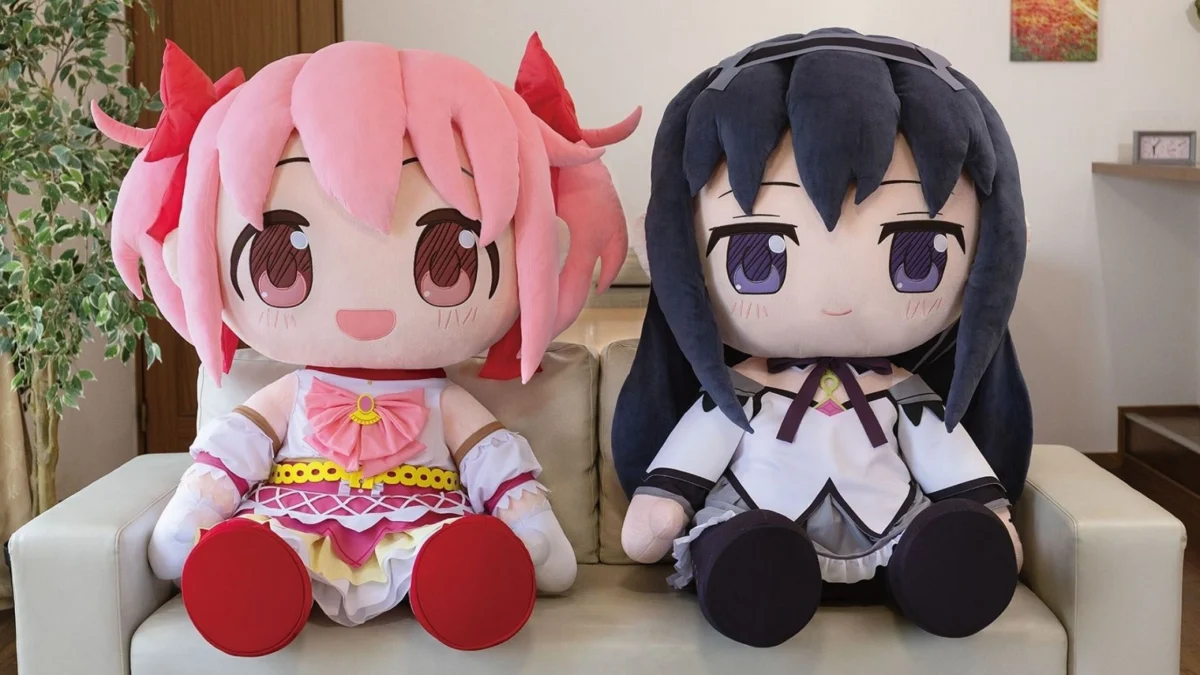
In the world of high-end anime merchandise, "scale" has taken on a literal meaning. Fans of the iconic dark fantasy series Puella Magi Madoka Magica are bracing for a massive addition to their collections—quite literally. To commemorate the highly anticipated release of the feature film Puella Magi Madoka Magica the Movie: Walpurgisnacht: Rising, manufacturers have unveiled two life-sized, heavy-duty plush figures of the franchise’s central protagonists: Madoka Kaname and Homura Akemi.
These figures are not the typical small, shelf-bound plushies found in hobby stores. They are substantial, imposing, and remarkably detailed items that blur the line between traditional merchandise and luxury home decor. As the fandom prepares for the next chapter of the Madoka Magica cinematic universe, these figures represent a growing trend in the otaku economy: the "toddler-sized" luxury plush.
Main Facts: A Heavy-Weight Collection
The announcement of these figures has sent shockwaves through the community, primarily due to their sheer physical dimensions. Standing at approximately 100 centimeters (roughly 3 feet, 3 inches) in height, these plushies effectively mirror the size of a small child.
The Madoka Kaname plush is the larger of the two in terms of mass, weighing in at an impressive 8.2 kilograms (18.1 lbs). With a width of 93 centimeters, the plush is designed to capture the iconic silhouette of the character, complete with her signature pink twin-tails, vibrant red ribbons, and a meticulously crafted, multi-layered skirt that mimics her magical girl outfit.
Homura Akemi, while slightly more compact, is no less substantial. She measures approximately 70 centimeters in width and weighs 7.5 kilograms (16.5 lbs). Her design reflects her more somber aesthetic, featuring her classic black ensemble and an intricately embroidered Soul Gem visible on her left hand.
To own both, a collector would be looking at an investment of over 16 kilograms (35 lbs) of plush material, requiring a dedicated space within the home that can support both the physical weight and the significant footprint these figures command.
Chronology: The Timeline of a Massive Release
The rollout for these figures has been carefully timed to align with the promotional cycle of the new film. The journey to this release began with the announcement of Walpurgisnacht: Rising, which renewed global interest in the franchise’s lore and aesthetic.
- Initial Tease: Following the successful reception of other life-sized merchandise—such as the Umamusume horse plushies and the My Dress Up Darling Marin Kitagawa doll—market researchers identified a demand for premium, large-format character goods within the Madoka Magica fanbase.
- Official Reveal: On August 28, 2026, official pre-orders were opened via the Taito goods storefront. This date marked the beginning of a limited window for fans to secure their units.
- The Pre-Order Window: Collectors have a finite amount of time to commit to the purchase, with the window scheduled to close on October 13, 2026, at 11:59 PM (Japan Standard Time).
- Production and Delivery: Given the bespoke nature and the complexity of manufacturing such large-scale soft goods, the production cycle is lengthy. The company has announced that shipping and fulfillment are expected to begin in March 2027, ensuring the plushies reach homes in time for the wider rollout of the film’s international marketing push.
Supporting Data: The Economics of High-End Otaku Goods
The price point for these items is as significant as their physical size. Each unit is priced at ¥66,000, which currently equates to approximately $413 USD. For a collector looking to complete the set, the total cost—excluding potential international shipping, import duties, and taxes—comes to $826.
This pricing strategy places these items firmly in the "luxury collector" category. When compared to the average $20–$50 plush toy, these figures are priced as statement pieces. The industry rationale behind this pricing is multi-faceted:
- Material Costs: The sheer volume of fabric, specialized stuffing, and embroidered details required for a 100cm figure is significantly higher than standard production.
- Logistics and Shipping: Shipping an item that weighs nearly 20 pounds and is over three feet tall requires specialized packaging and high freight costs, which often necessitate a higher base price to cover potential damage and insurance.
- Scarcity and Exclusivity: By limiting the pre-order window, the manufacturer creates a "made-to-order" environment. This reduces the risk of unsold inventory while artificially increasing the desirability of the product on the secondary market.
Official Responses and Market Context
While Taito and the Madoka Magica production committee have remained focused on the artistic fidelity of the plushies, industry analysts suggest that this release is part of a broader shift in how anime franchises monetize their intellectual property.
"The industry is moving toward ‘lifestyle’ goods," says one retail analyst. "Fans are no longer content with a 6-inch figure on a shelf. They want characters that occupy their physical space. We saw this with the $8,000 life-sized statues, and we are seeing it now with these high-end, tactile plushies."
The manufacturers have emphasized the "cuddle factor" of the materials used, ensuring that despite the weight, the fabric remains high-quality and soft. However, they have also issued subtle advisories regarding the space requirements, noting that these plushies are not intended for cramped living quarters. The implication is clear: this is a product for the dedicated enthusiast who has cleared a space for the characters in their home.
Implications: The Living Room Dilemma
The introduction of these plushies into a living space creates a unique set of logistical challenges for the average consumer. At 100cm, these figures occupy the same amount of space as an average adult sitting on a couch.
For the average apartment-dwelling fan, this presents a "dilemma of space." If a collector purchases both Madoka and Homura, they are essentially forfeiting the seating capacity of an entire sofa. This has led to humorous, yet valid, discourse within online forums regarding the trade-offs of such a purchase.
"If I buy these, I literally cannot have guests over for movie night unless they don’t mind sitting on the floor," noted one fan on a popular social media platform.
Furthermore, the weight of the items—comparable to a heavy bowling ball—means that standard display shelving is effectively out of the question. Owners will need to invest in heavy-duty display furniture or dedicate floor space, which requires climate control and careful maintenance to ensure the fabric remains in pristine condition over the years.
Conclusion: A New Era of Fandom
The release of the Madoka and Homura plushies signifies that the era of "disposable" anime merchandise is evolving. Today’s collectors are looking for pieces that offer a sense of presence. Whether these figures are seen as long-term investments, pieces of art, or simply an extreme expression of fandom, they are undoubtedly changing the physical landscape of the modern anime collection.
As we move toward the March 2027 delivery date, one thing is certain: the world of Madoka Magica is about to get a lot larger, a lot heavier, and a lot more crowded. For those who choose to bring these two magical girls home, the trade-off of couch space for high-quality craftsmanship seems like a small price to pay for such a significant piece of anime history.
Whether or not this trend of "giant merchandise" continues, the Madoka Magica plushies have set a high bar for what it means to bring a beloved character into the real world. They are, in every sense of the word, monumental.