

Introduction: The Silence of the Super
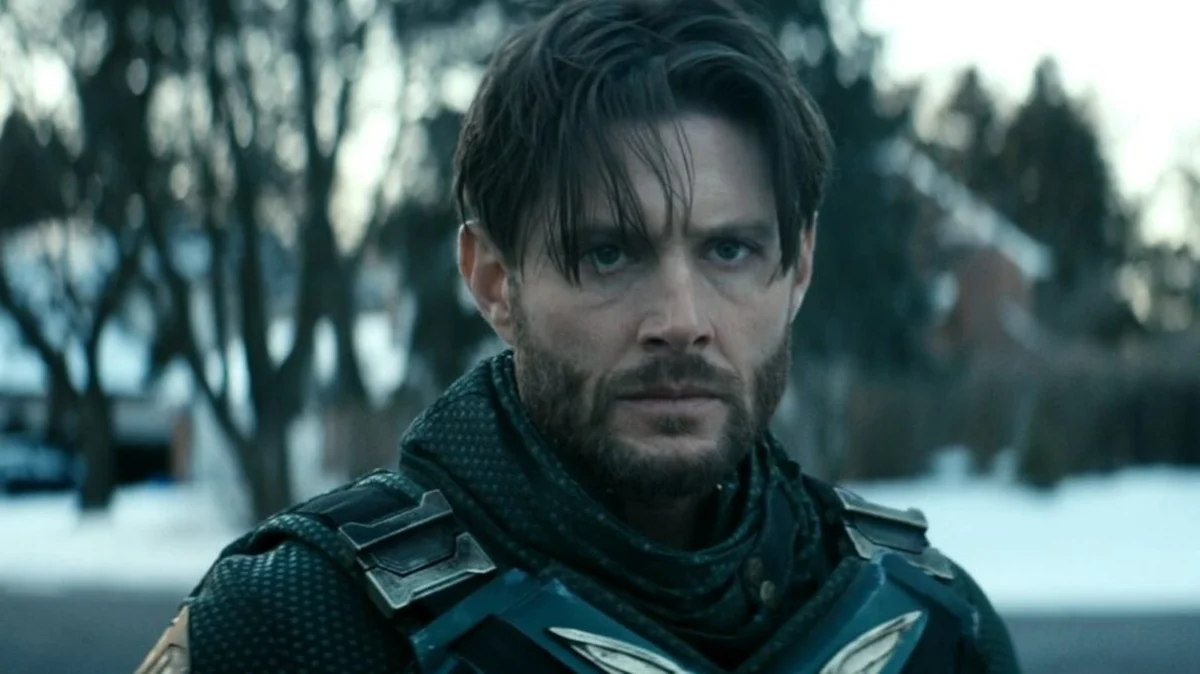
The series finale of Amazon Prime Video’s The Boys, titled "Blood and Bone," served as a visceral, high-stakes conclusion to one of television’s most provocative superhero deconstructions. While the episode provided definitive answers regarding the fates of Billy Butcher, Homelander, and the remnants of the Seven, one glaring absence left a segment of the fanbase unsettled: the complete lack of a resolution for Soldier Boy, played by Jensen Ackles.
Despite being a pivotal player in the penultimate episode, "The Frenchman, the Female, and the Man Called Mother’s Milk," Soldier Boy was entirely sidelined during the series’ final hour. His absence from the screen, combined with his status as a captive in a cryogenic chamber, has sparked intense speculation. Is his story truly over, or has the production team intentionally left the frost-covered door to his cell unlocked for the upcoming spin-off series, Vought Rising?
Main Facts: The Unresolved Fate of an Original Supe
In the penultimate episode, Soldier Boy’s attempt to assert dominance—and his inability to fully reconcile his role as Homelander’s father—led to a brutal betrayal. Homelander, unwilling to share the spotlight or bow to his progenitor, relegated Soldier Boy back to the very state he spent decades enduring: frozen in ice.
When the credits rolled on "Blood and Bone," Soldier Boy remained in that cold storage unit within Vought Tower. Unlike other characters who received clear endings—whether through death, redemption, or exile—Soldier Boy is currently a "ghost" in the machine. He is a relic of the 1940s currently sitting in the heart of a fallen Vought, waiting for a narrative catalyst to wake him up.
Chronology: From Russian Lab to Vought Tower
To understand the significance of this omission, one must look at the timeline of Soldier Boy’s tragic trajectory within the series:
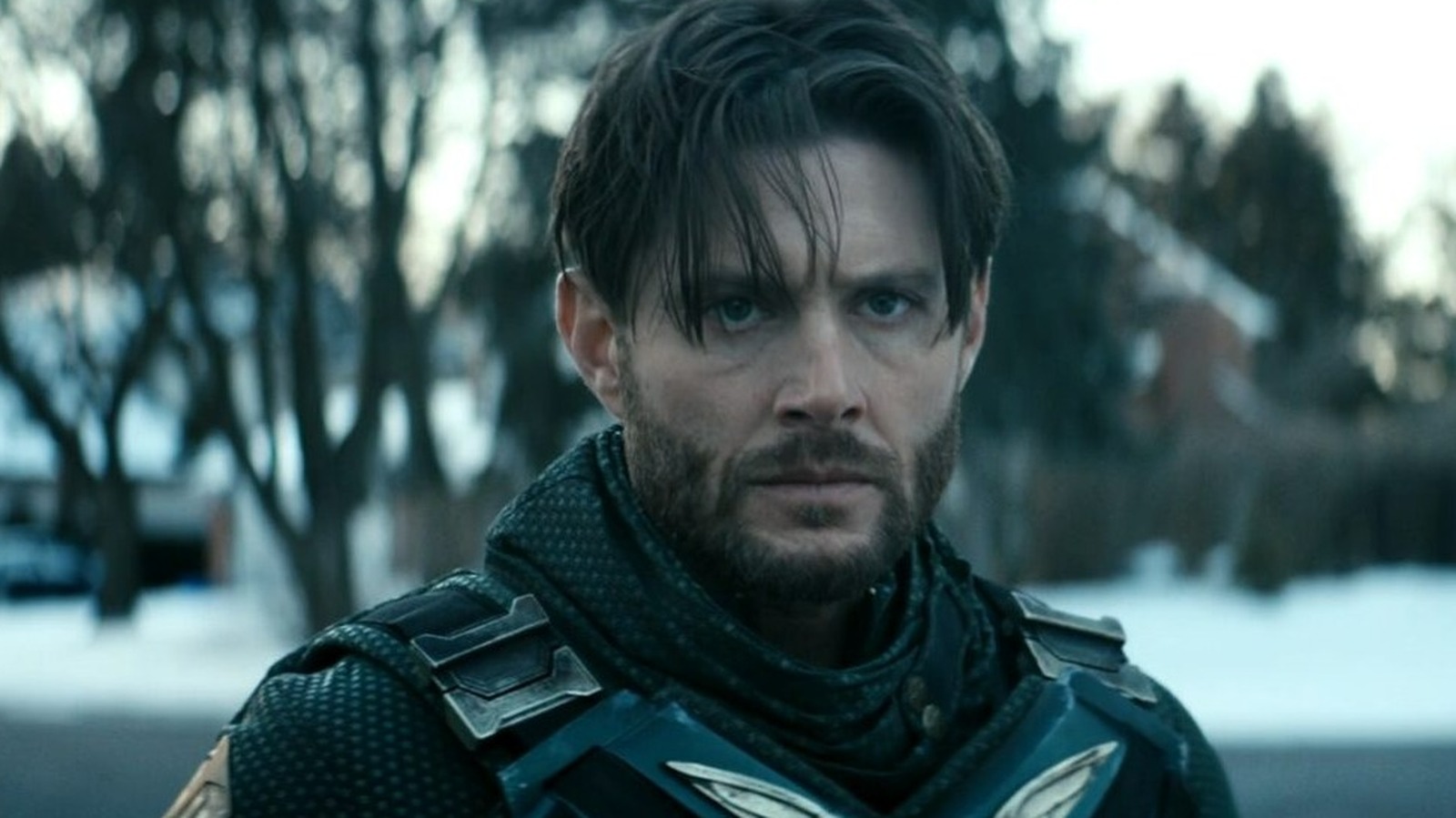
- The 1940s Origins: As revealed in The Boys lore, Soldier Boy was the original "hero" of the Vought machine, a product of early Compound V experimentation.
- The Cold War Erasure: He was captured by the Soviets in the 1980s, serving as a lab rat for decades, which effectively halted his aging and his relevance to the public consciousness.
- The Rebirth: His release in Season 3 promised a return to glory, but his toxic personality and disillusionment with the modern world made him a dangerous loose cannon.
- The Homelander Conflict: His brief alliance with his son, Homelander, was built on mutual utility and deep-seated resentment.
- The Final Deep Freeze: By the end of Season 5, Episode 7, the father-son dynamic collapsed. Homelander’s decision to re-freeze him functions as a thematic bookend: Soldier Boy has returned to the "limelight of the forgotten."
Supporting Data: The Vought Rising Connection
The primary reason fans are clinging to the hope of a Soldier Boy return is the confirmed development of Vought Rising. Originally framed as a 1950s-era prequel exploring the early years of the company, the series is set to star both Jensen Ackles and Aya Cash (Stormfront/Clara Vought).
The Prequel vs. Sequel Debate
Industry observers have noted that while Vought Rising is officially categorized as a prequel, the structure of modern "expanded universe" storytelling often utilizes dual-timeline narratives. There is a strong precedent for this in high-end television:
- The Better Call Saul Model: Much like the journey of Jimmy McGill, which balanced the origin story of Saul Goodman with the grim reality of his post-Breaking Bad life, Vought Rising could oscillate between the 1950s and the present day.
- The Dexter: Original Sin Framing: Another possibility is the use of a "reflective" framing device. In this scenario, the show could explore the 1950s through the memories or journals of a character, or even use the frozen Soldier Boy as a narrative anchor, looking back on the sins of his past while trapped in his icy present.
Official Perspectives and Implications
Showrunner Eric Kripke and the creative team behind The Boys have maintained a tight-lipped approach to the specifics of Vought Rising. However, the implications of leaving Soldier Boy alive are twofold.
1. The Narrative Utility of Survival
Killing off Soldier Boy would have provided a sense of closure but would have severely hampered the connective tissue between the main show and its spin-offs. By keeping him alive, the writers have preserved a character who embodies the entire history of Vought. He is a living, breathing link to the company’s earliest, most sinister experiments.
2. The Return of the Architect
The finale confirmed that Stan Edgar remains a key figure within the Vought hierarchy. Edgar is perhaps the only man who truly understands the threat Soldier Boy poses. If Soldier Boy were to wake up in the present day, his interaction with an empowered, cold-blooded Stan Edgar would provide a compelling, high-stakes antagonist dynamic. Edgar has always viewed supes as products; seeing him deal with the "original product" who refuses to stay discarded would be a satisfying narrative arc for fans of the show’s political maneuvering.
Thematic Symmetry: The Rot Remains
A crucial element of The Boys finale is that while the primary antagonist—Homelander—is removed from the board, the corporate infrastructure of Vought remains largely intact. The "rotten tree" of Vought continues to grow.
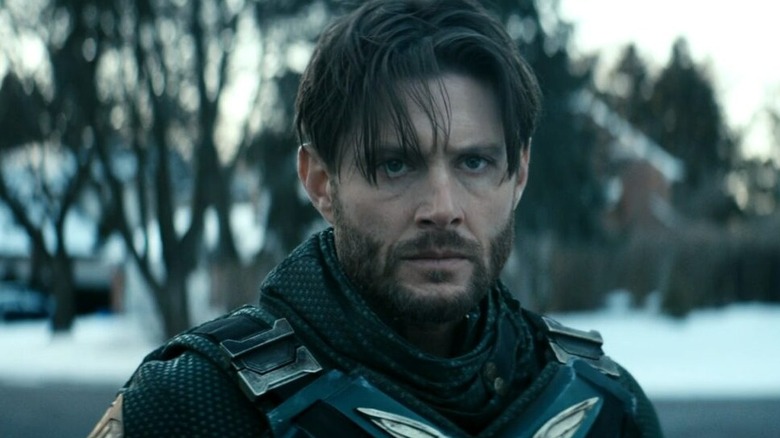
The inclusion of Soldier Boy in a future project would serve as a constant reminder that Vought’s problems did not start with Homelander, and they will not end with his disappearance. Soldier Boy represents the original sin of the Vought corporation. His survival in a cryo-chamber in the middle of a corporate office is a perfect metaphor for the way Vought hides its darkest secrets in plain sight, waiting for the right moment to thaw them out for profit or protection.
Final Thoughts: What Lies Ahead?
The choice to omit Soldier Boy from "Blood and Bone" was likely an intentional move to shift the focus toward the closure of the main ensemble, while simultaneously creating a "void" that Vought Rising is destined to fill. Whether he is a character who remains in the past, or one who inevitably breaks his icy prison to haunt the modern world, remains to be seen.
If the goal of Vought Rising is to show how Vought became the global titan we see in the present day, then the original face of that titan—Soldier Boy—must play a central role. He is not just a character; he is the foundational myth of the Vought universe. His story, much like the company he helped build, is far from over.
As the dust settles on The Boys, the audience is left with a compelling, chilling question: when the world is ready to move on from the chaos of the Supes, will it finally be forced to reckon with the very first one to walk the earth? For now, the hero of the 1940s waits in the dark, a frozen sentinel of a legacy that refuses to thaw.









No comments yet. Be the first to join the conversation!