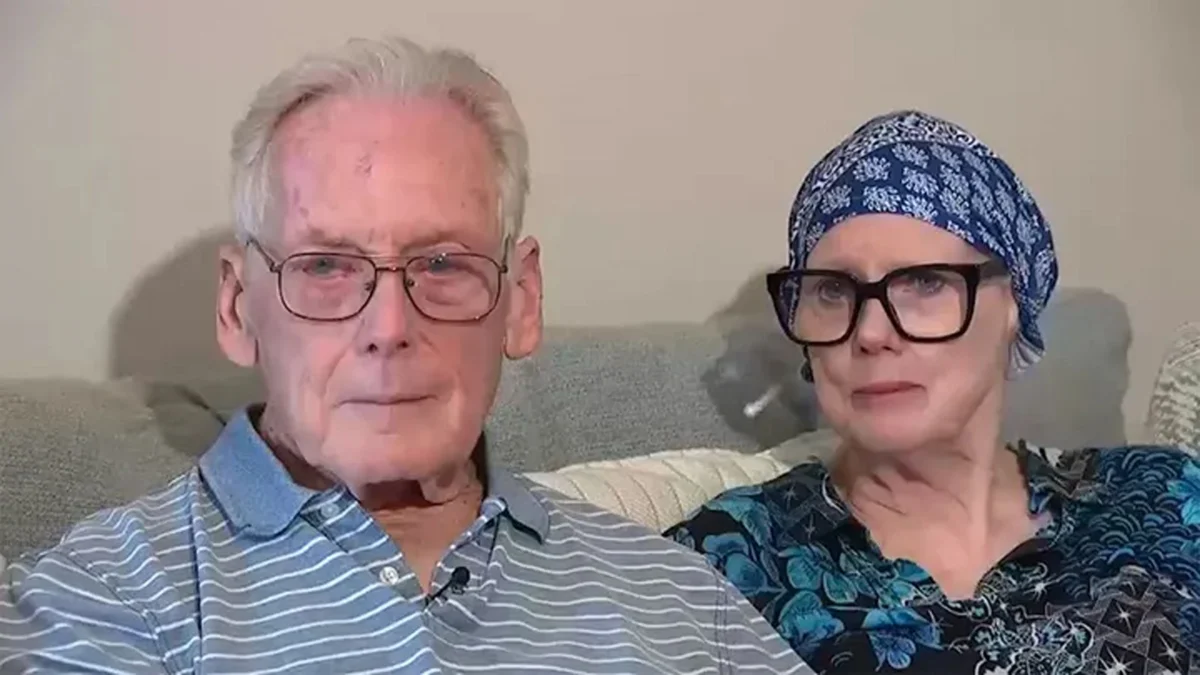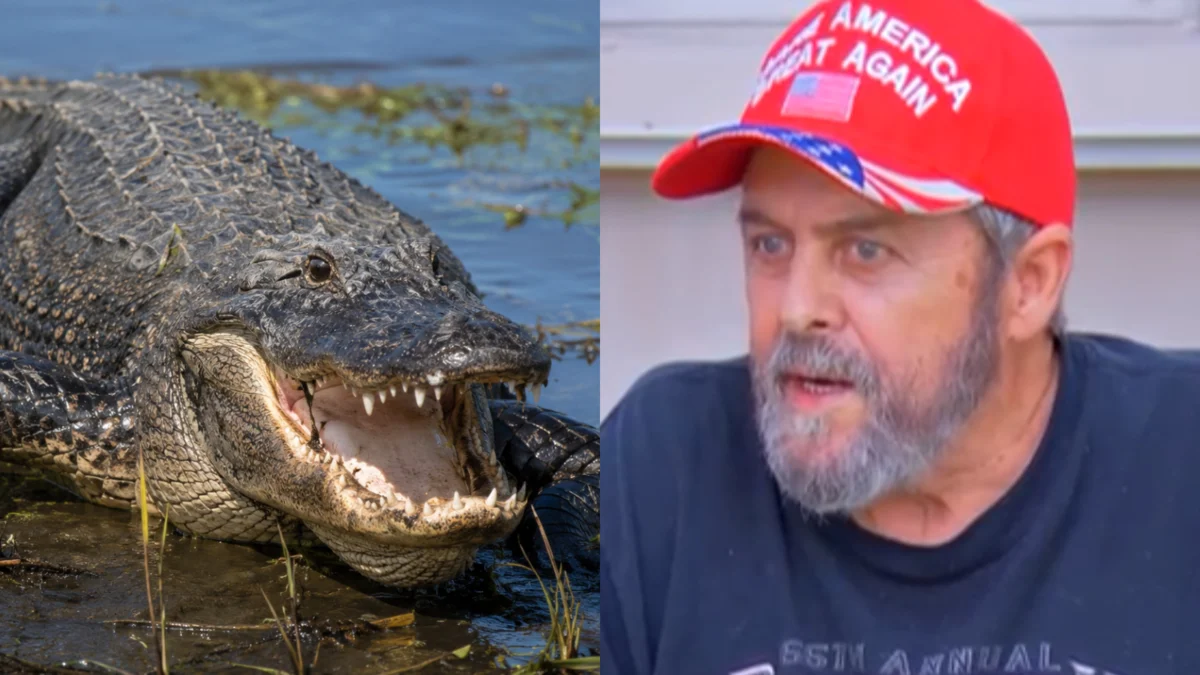
In a terrifying reminder of the volatile nature of the Sunshine State’s wildlife, 71-year-old North Fort Myers resident James Grayson McMicken recently found himself in a life-or-death struggle against an apex predator. What began as a tranquil evening of fishing in the canal behind his home quickly devolved into a harrowing battle for survival when an alligator ambushed him, dragging him into the water. McMicken’s subsequent escape—fueled by a combination of quick thinking, a makeshift weapon, and past hunting experience—has since captured national attention, serving as both a cautionary tale and a testament to the resilience of the human spirit.
A Routine Evening Turned Deadly
For many Florida residents living near the state’s thousands of miles of canals and waterways, the presence of alligators is an accepted, if uneasy, reality. For James Grayson McMicken, the canal behind his North Fort Myers property was a place of recreation rather than a zone of combat. On a routine evening, McMicken stepped outside with his bulldog, bringing along his fishing rod for a brief session of casting.
The peace of the evening was shattered in a split second. As McMicken reeled in his line, an alligator, concealed by the murky water and the twilight, launched a sudden, violent strike. The predator lunged from the water, clamping its powerful jaws onto McMicken’s right leg with enough force to yank the man from the bank and into the canal.
"I started reeling, and it jumped out of the water and grabbed me," McMicken later recalled, describing the visceral shock of the attack. In the span of a heartbeat, the pensioner was no longer a fisherman; he was prey caught in the grip of a reptilian ambush.
The Chronology of the Struggle
The survival of a victim in an alligator attack often depends on the speed of their reaction. Once pulled into the water, McMicken faced the most dangerous aspect of a gator encounter: the "death roll." This maneuver, designed to disorient and drown prey, poses a mortal threat to any human caught in its grasp.
"He rolled me down off the bank into the water," McMicken recounted. As the gator initiated its rotation, McMicken realized that passive resistance would result in fatal injury. Relying on his survival instincts, he engaged in a two-pronged counterattack. First, he jammed his thumb directly into one of the alligator’s eyes, a vulnerable soft spot. Simultaneously, he utilized the only tool at his disposal—his fishing pole—as a makeshift weapon.
"I just took that fishing pole and jabbed him in that other eye and jabbed him and jabbed him and jabbed him," he described. "It seemed like forever, but it wasn’t that long. But then, he turned loose."
The intensity of the assault on the animal’s ocular nerves proved effective. The alligator, disoriented and experiencing pain, finally released its grip. However, the ordeal was far from over. Dazed, bleeding, and fighting the onset of shock, McMicken still had to navigate the treacherous bank to return to safety. Calling for his bulldog, the animal’s presence provided him the leverage and focus needed to drag himself back onto the grass.
Once he reached the threshold of his home, his wife took immediate action, administering basic first aid to his wounds. The adrenaline that had sustained him through the fight began to wane, and he collapsed from sheer physical exhaustion before his family rushed him to a nearby hospital.
Medical Aftermath and Recovery
Upon arrival at the emergency room, hospital staff were stunned by the severity of the bite wounds and the fact that the 71-year-old had managed to repel the animal without losing a limb or suffering a fatal injury. The attack resulted in deep lacerations on both sides of his right leg, requiring extensive staples and stitches.
Despite the trauma, McMicken’s recovery has been characterized by an indomitable will. He is currently recuperating at home, undergoing physical therapy to regain full function in his leg. His doctors have expressed cautious optimism regarding his healing process, noting that his quick action likely prevented the injuries from being far more catastrophic.

"I’m going to do everything I can not to die," McMicken remarked from his home, demonstrating a grit that has defined his outlook since the incident. "No gator is going to run me off."
The Role of Experience and Local Knowledge
McMicken attributes his survival not just to luck, but to his background as a legal alligator hunter. Years of experience in the Florida woods provided him with a crucial psychological edge: he knew exactly where to strike.
"I’ve always heard that if you’ve got no other choice, get them eyes, and that’s what got him off of me," he explained. This knowledge is a cornerstone of survival training for those who frequent alligator habitats. Experts agree that in the event of an attack, the animal’s eyes and snout are the only points of vulnerability that can potentially force a release.
His story highlights the importance of situational awareness. While many residents treat the proximity of alligators with casual indifference, McMicken’s experience underscores that these animals are ambush predators that can strike with blinding speed, particularly at dawn or dusk when they are most active.
Implications for Florida Residents
The incident in North Fort Myers is part of a broader, ongoing conversation about human-wildlife coexistence in Florida. As urban development continues to push into previously wild or semi-wild areas, the frequency of "human-gator" interactions has become a point of concern for the Florida Fish and Wildlife Conservation Commission (FWC).
Understanding Predator Behavior
Alligators are ectothermic, meaning their energy levels are dictated by the temperature. They are inherently opportunistic feeders. Experts note that feeding alligators—whether intentional or accidental—leads to habituation, where the animals lose their natural fear of humans. This behavior is what makes them increasingly dangerous in residential areas.
Precedents and Comparisons
McMicken’s case is not an isolated one. In the last few years, several high-profile incidents have underscored the dangers. From a Florida woman punching a gator to rescue her puppy, to the viral video of Dave Franks entering a zoo enclosure to assist a handler, these stories illustrate a recurring theme: when faced with a predator, immediate and aggressive defensive action is the only viable path to survival.
Safety Recommendations
The FWC offers specific guidelines for living in "gator country":
- Maintain Distance: Always keep a safe distance from any body of water, as alligators can move with explosive speed over short distances.
- Pet Safety: Keep pets on a leash and away from the water’s edge. Dogs, in particular, often resemble the natural prey of alligators.
- Avoid Swimming at Dawn/Dusk: These are the primary hunting times for alligators.
- Report Nuisance Gators: If an alligator poses a threat to human safety or property, it should be reported to the FWC’s Nuisance Alligator Hotline so that professional trappers can assess the situation.
Conclusion
The story of James Grayson McMicken is one of survival against the odds. It is a testament to the fact that while humans are not part of the alligator’s natural diet, the proximity of modern housing to natural habitats creates a dangerous intersection of species.
McMicken’s refusal to let the incident drive him from his home or end his outdoor lifestyle speaks to the rugged character of Floridians who live in harmony with the state’s complex ecosystem. However, his experience serves as a stark reminder: when you enter the domain of an apex predator, respect for their capability must remain constant. Whether through fishing, walking, or simply living near the water, the alligator remains a permanent, powerful fixture of the Florida landscape—one that commands respect and demands constant vigilance.
As McMicken continues his physical therapy, he stands as a living example of how knowledge, resolve, and a bit of quick thinking can turn a lethal encounter into a tale of survival. His story will undoubtedly serve as a reference point for many, reminding them that when the unexpected occurs in the wild, the only option is to fight back with everything you have.