


In the rapidly shifting landscape of digital media, few systems are as enigmatic or as influential as the TikTok recommendation engine. By 2026, TikTok has moved beyond being a mere "short-form video app" to becoming a primary search engine and a cultural powerhouse. For brands, creators, and marketers, understanding the mechanics of this algorithm is no longer optional—it is the bedrock of digital visibility.
The Mechanics: How the TikTok Algorithm Functions in 2026
At its core, the TikTok algorithm is a sophisticated recommender system designed to maximize user retention by serving highly personalized content. Unlike traditional social networks that prioritize a user’s social graph (who they follow), TikTok’s "For You" (FYP) feed is a discovery engine. It prioritizes content relevance over follower count.

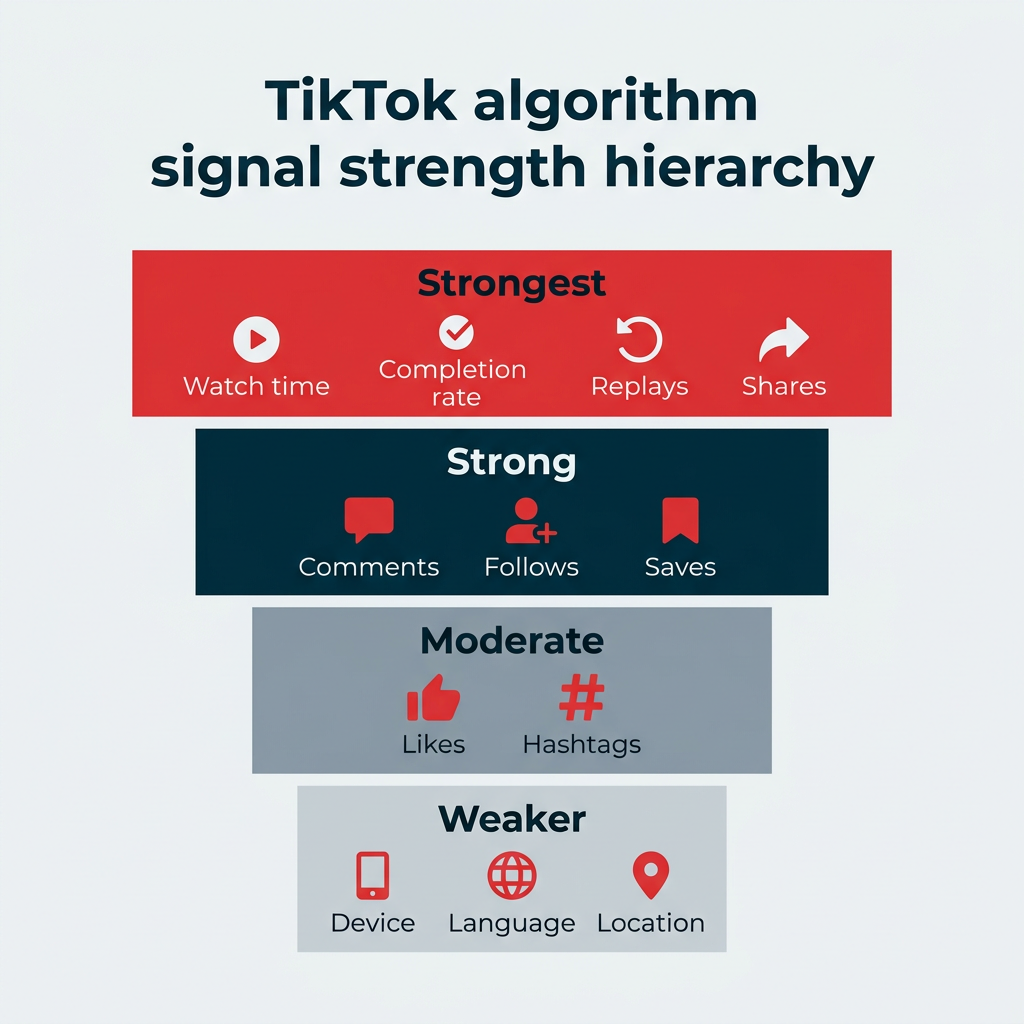
The algorithm functions by evaluating a complex interplay of three primary signal tiers. While the exact weighting is proprietary and dynamic, the hierarchy remains consistent:
1. User Interactions (The Primary Drivers)
Engagement remains the heartbeat of the platform. The algorithm tracks every micro-interaction a user performs. Within this category, watch time and completion rate are the most critical metrics. If a viewer watches a video from start to finish—or, better yet, loops it—the system interprets this as a high-value signal. Conversely, "Not Interested" clicks act as an immediate dampener for the content’s reach.

2. Video Information (The Contextual Signals)
The algorithm is no longer limited to analyzing hashtags or captions. By 2026, TikTok’s AI capabilities include advanced computer vision and natural language processing (NLP). The system "watches" your video, transcribes your speech, and reads on-screen text overlays to categorize the content. This means that your video’s audio and visual cues are as essential for SEO as your metadata.
3. User Information (The Contextual Framework)
Though less influential than interaction data, system settings—such as language preferences, country, and device type—help the algorithm optimize for technical delivery and regional relevance. These factors ensure that content is served to an audience capable of engaging with it effectively.
A Chronology of Evolution: The Path to 2026
The trajectory of the TikTok algorithm reflects the platform’s broader ambition to become the internet’s primary discovery layer.
- Early Days (The Virality Phase): Initially, the algorithm favored high-speed engagement and raw, "scroll-stopping" content. The focus was purely on maximizing the time spent on the app.
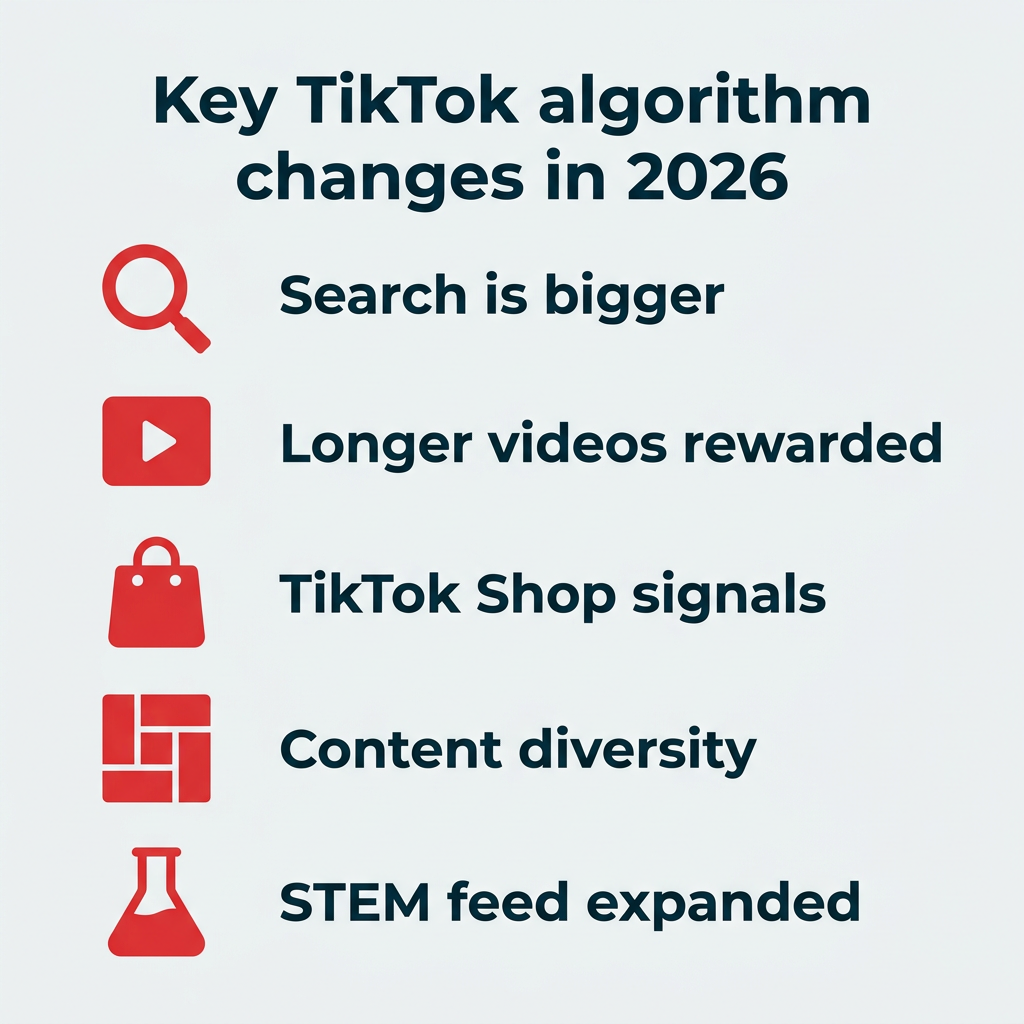
- The SEO Pivot (2024–2025): As Gen Z began using TikTok as a replacement for Google Search, the algorithm evolved to prioritize keyword-rich content. The introduction of improved search functionality forced creators to move beyond trendy hashtags toward descriptive, SEO-optimized captions.
- The "Deep Interest" Era (2026): Today, the algorithm focuses on "Community Clusters." It doesn’t just look for what you like; it looks for what your specific sub-community finds valuable. This shift has led to the rise of specialized feeds, such as the STEM feed and enhanced TikTok Shop integrations, which require brands to be more precise in their targeting.
Supporting Data: Why Engagement Matters
Industry metrics from 2026 reinforce the importance of these signals:

- The 3-Second Rule: Internal data confirms that videos failing to establish a "hook" within the first three seconds see a drop-off rate of over 60%.
- High-Quality Rewards: Creators who utilize high-definition, well-lit, and thoughtfully edited content see, on average, 72% more watch time per view compared to low-quality, "spammy" uploads.
- Community Impact: Over 75% of users express a preference for brands that actively participate in niche communities rather than broadcasting generic advertisements.
Official Stance and Community Standards
TikTok has maintained transparency regarding its "Community Guidelines" and "For You Feed" standards. The platform has made it clear that certain types of content are explicitly excluded from recommendation, including:
- Unverified or misleading medical information.
- Graphic or violent imagery.
- Low-quality or unoriginal content (re-uploads of existing clips without added value).
- Content that promotes illegal acts or harmful behavior.
For enterprise teams, maintaining "Brand Safety" is paramount. A violation of these guidelines can result in a shadow-ban or a permanent strike against the account, severely limiting the reach of future content.
Strategic Implications for 2026
To succeed in the current algorithmic environment, brands must shift from a "broadcast" mentality to a "community-first" approach.
1. Master the Hook
The first three seconds of your video must be a value proposition. Whether it’s a direct question, a visual surprise, or a promise of a "payoff," the hook must be designed to halt the scroll.

2. Embrace TikTok SEO
Treat your video like a web page. Use keywords in your on-screen text, your voiceover, and your caption. If you are a travel brand, don’t just use #Travel; use terms like "Best hidden cafes in Madison" or "Affordable weekend trip ideas."
3. Prioritize Authenticity over Polish
The "TikTok-first" aesthetic remains dominant. Consumers prefer content that feels native to the platform. This means natural lighting, handheld camerawork, and quick, rhythmic edits. Excessive, over-produced corporate marketing often falls flat.
4. Consistency is a Ranking Signal
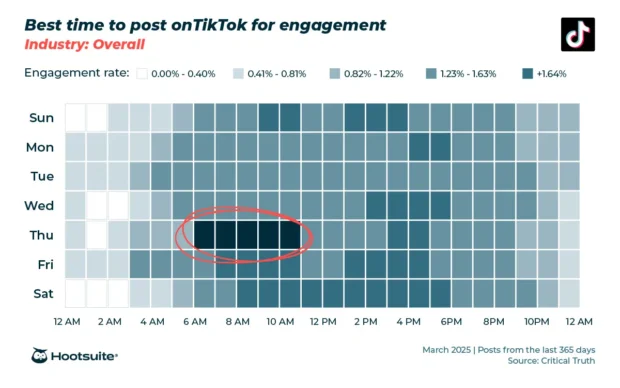
The algorithm favors accounts that demonstrate reliability. Posting a high-quality video twice a week is superior to posting a low-quality video once a day. A consistent cadence signals to the system that your account is a reliable source of content, which builds "algorithmic momentum."
5. Find and Serve Your Niche
Identify your subculture. Use tools like the TikTok Creative Center to research the interests of your target demographic. By creating content that speaks the language of a specific community, you earn higher engagement rates, which tells the algorithm to push your content to even broader, adjacent audiences.
Conclusion: The Human Element in an AI-Driven World
While the algorithm is a complex machine driven by data, it is ultimately designed to satisfy human curiosity. The most successful brands in 2026 are those that use the algorithm’s signals to inform their strategy without losing their human touch.
By focusing on deep community connection, searchability, and genuine value, brands can stop trying to "game" the system and start building a sustainable, long-term presence on the platform. In the age of AI, the creators who win are the ones who make the algorithm’s job easier by consistently providing what the audience is looking for.

As we look toward the future, the TikTok algorithm will undoubtedly continue to evolve. However, the fundamental rule—content that keeps users engaged on the platform is the content the platform will promote—will remain the guiding star for every successful strategy.












No comments yet. Be the first to join the conversation!