

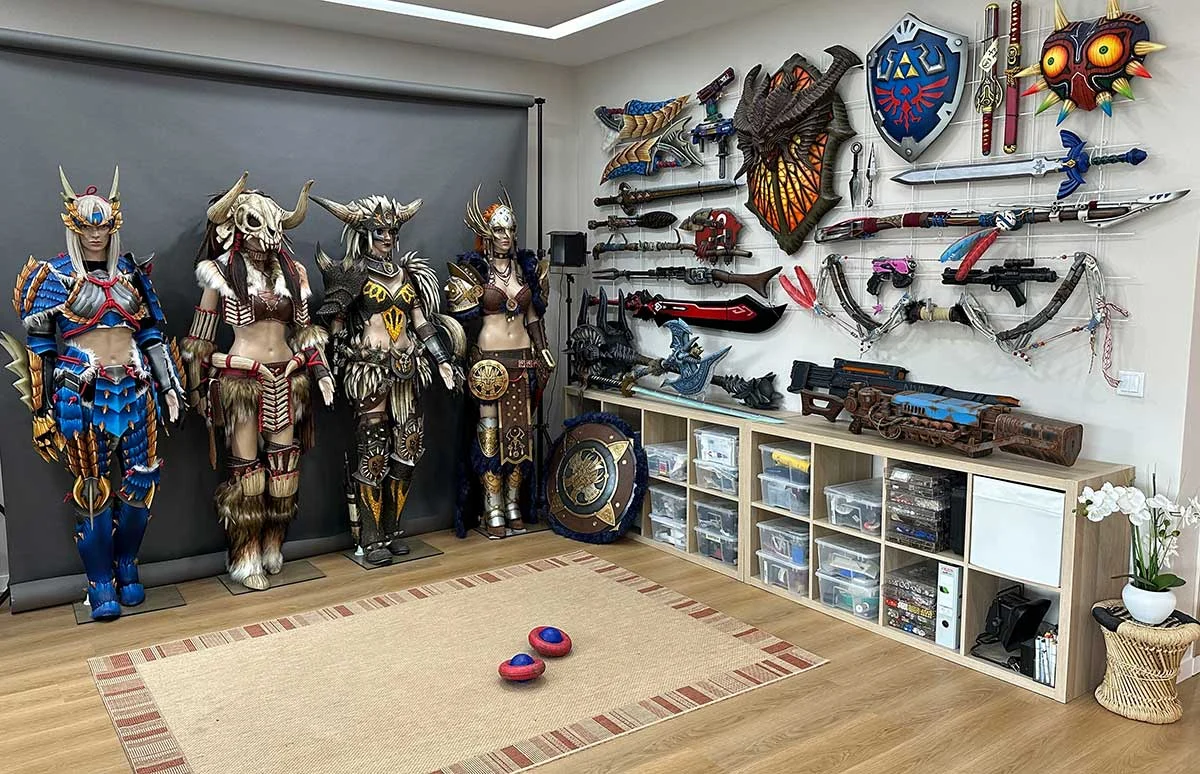
In the world of professional cosplay, few names carry the weight and recognition of Kamui Cosplay. For two decades, the brand—led by the creative duo of Benni and his partner—has been at the forefront of costume design, armor fabrication, and educational content. However, behind the intricate foam-work and polished YouTube tutorials lay a growing struggle with the realities of life in Bavaria, Germany. Citing the taxing German bureaucracy and the stifling effects of long, cold winters on their mental health, the duo recently executed a radical life change: a full-scale relocation to the island of Madeira, Portugal.
This transition was not merely a change of address; it was a total overhaul of their professional ecosystem. As they established their new headquarters, the duo turned their attention to the fundamental pillar of their success: the workshop. By blending technical planning with years of organizational experience, they have provided a blueprint for how artists can create a functional, inspiring sanctuary, regardless of the size of their living space.

The Catalyst for Change: Why Location Matters for the Artist
For the self-employed artist, the environment is not merely a setting—it is a production factor. Throughout their tenure in Germany, Benni and his partner found themselves increasingly bogged down by the administrative weight of their operations. As the paperwork required to maintain their business grew, the time available for actual artistic creation shrank.
This administrative fatigue was compounded by environmental factors. The lack of natural light and the prolonged winter months in Bavaria had a tangible impact on the duo’s well-being, leading to periods of significant depression. For creators whose work relies on vision, precision, and sustained motivation, the climate became a barrier to their craft.
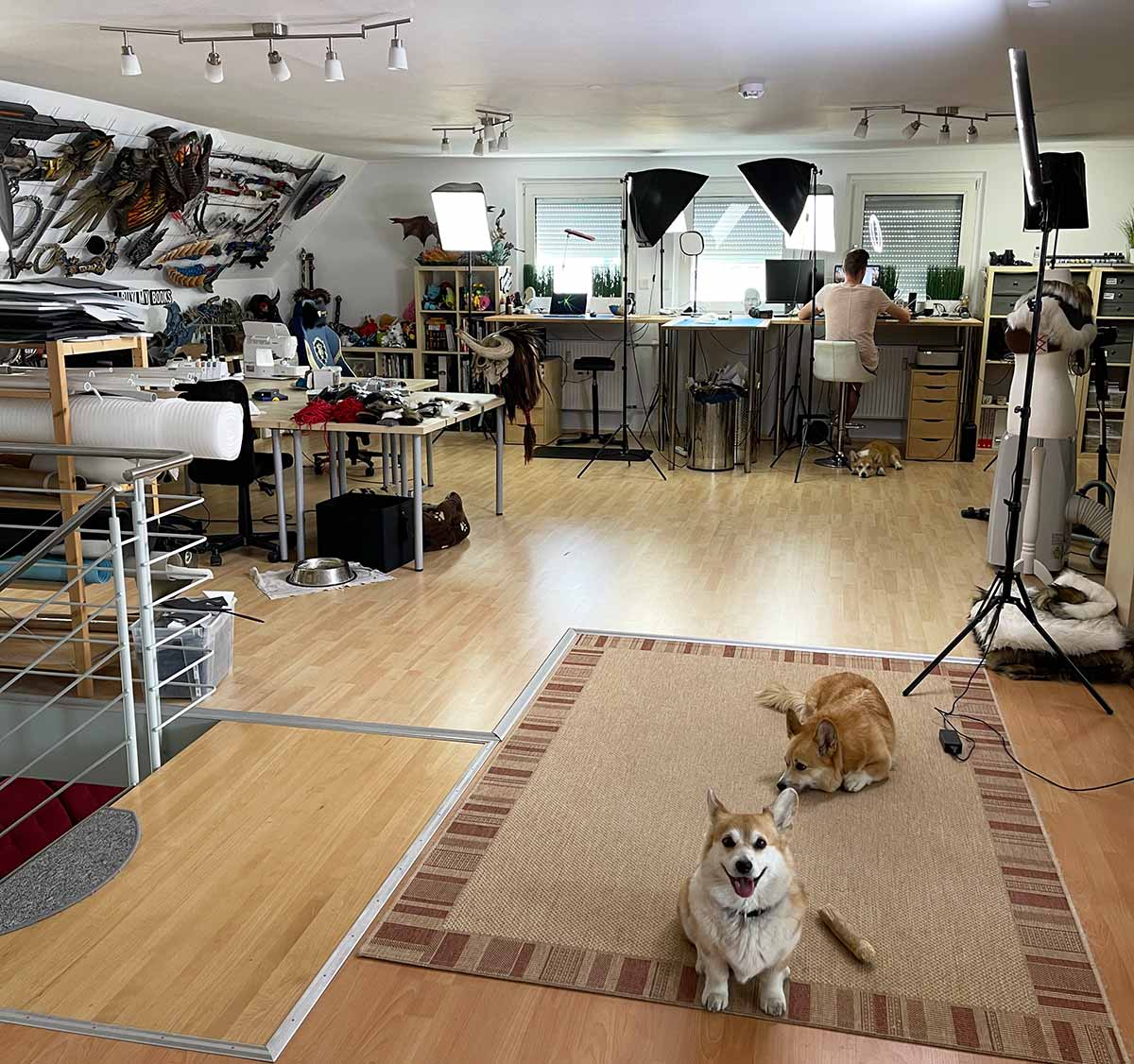
The search for a new home was driven by a data-centric approach. Seeking one of the world’s most temperate climates, they analyzed Google rankings and meteorological data, ultimately landing on Madeira. Known for its mild temperatures and year-round sunshine, the island offered the promise of a mental reset. The move required packing two decades of accumulated professional materials—mannequins, industrial tools, massive costume builds, and specialized crafting supplies—and shipping them across the ocean to a blank canvas in a new country.
Chronology of a Relocation: From Bavarian Workshop to Island Studio
The logistical undertaking of moving a professional cosplay workshop is a feat of engineering in its own right. The process was broken down into several distinct phases:
- Inventory and Curation (Pre-move): The duo began by reconciling with the sheer volume of their possessions. Recognizing that they could not move everything, they made the difficult decision to donate their excess materials—paints, electronics, and surplus thermoplastics—to local crafting clubs and artists in their German community.
- Logistics and Shipping: Once the excess was cleared, the remaining equipment was packed into a shipping container. This required specialized crating for delicate mannequins and heavy statues.
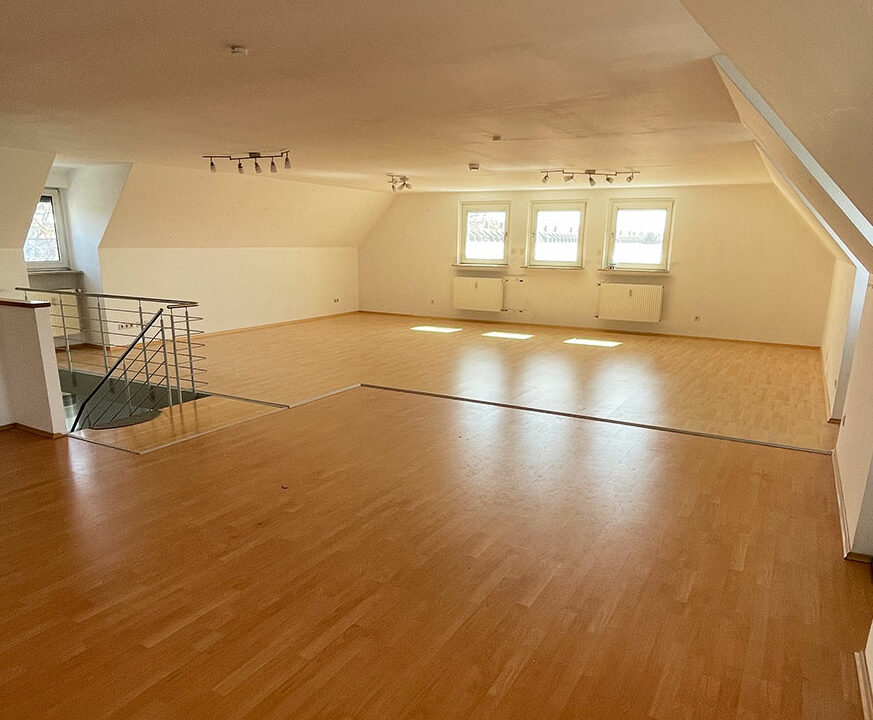
- Space Selection: Upon arriving in Madeira, they sought a home with a layout that prioritized work-life integration. They eventually settled on a property where the primary living area was converted into their main creative studio, while the largest bedroom was repurposed as the primary living room.
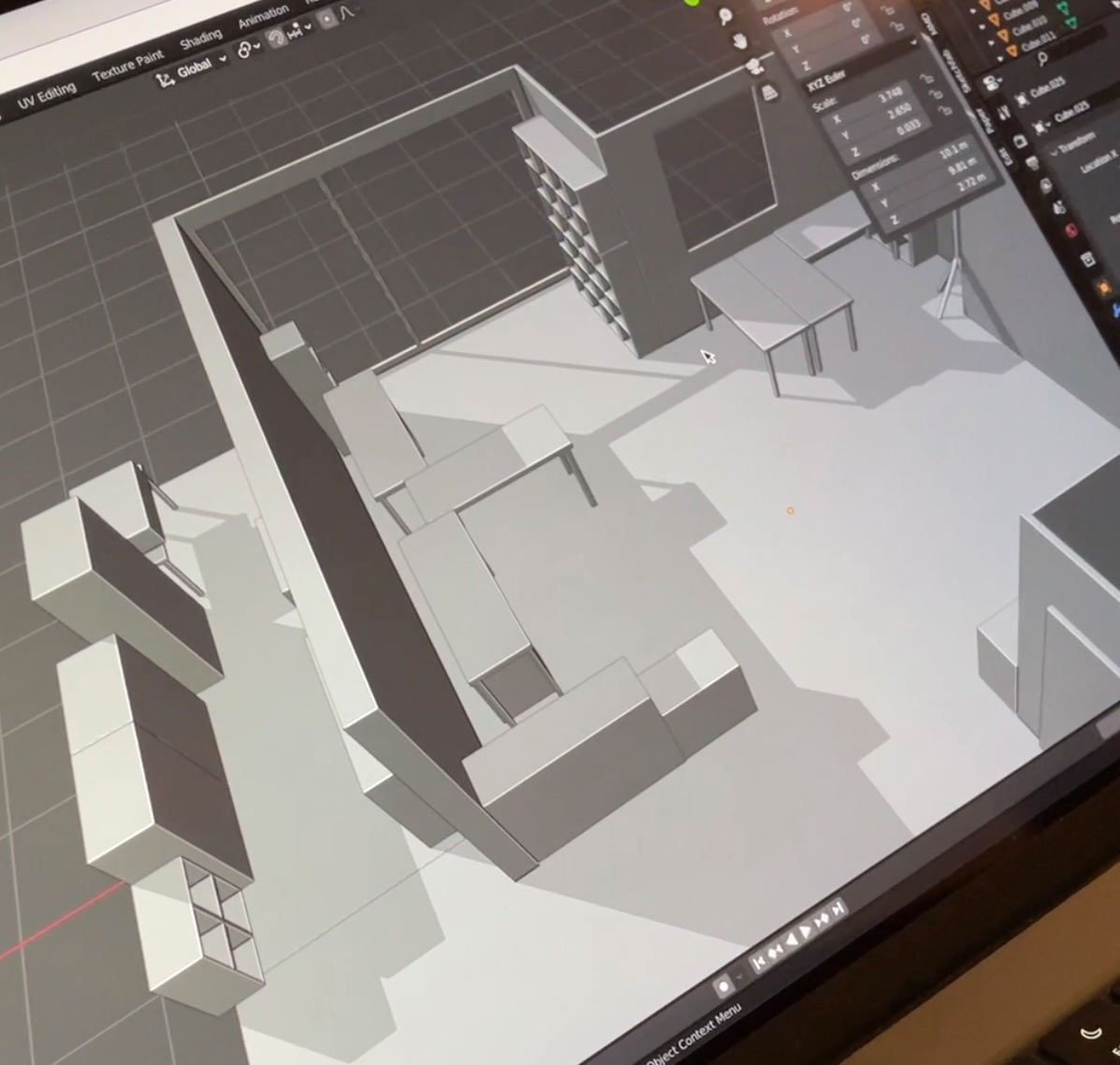
- Digital Blueprinting: Before moving a single piece of furniture, the couple utilized Blender, an open-source 3D modeling software, to draft their workshop layout. By mapping the space in three dimensions, they were able to optimize flow and storage before the heavy lifting began.
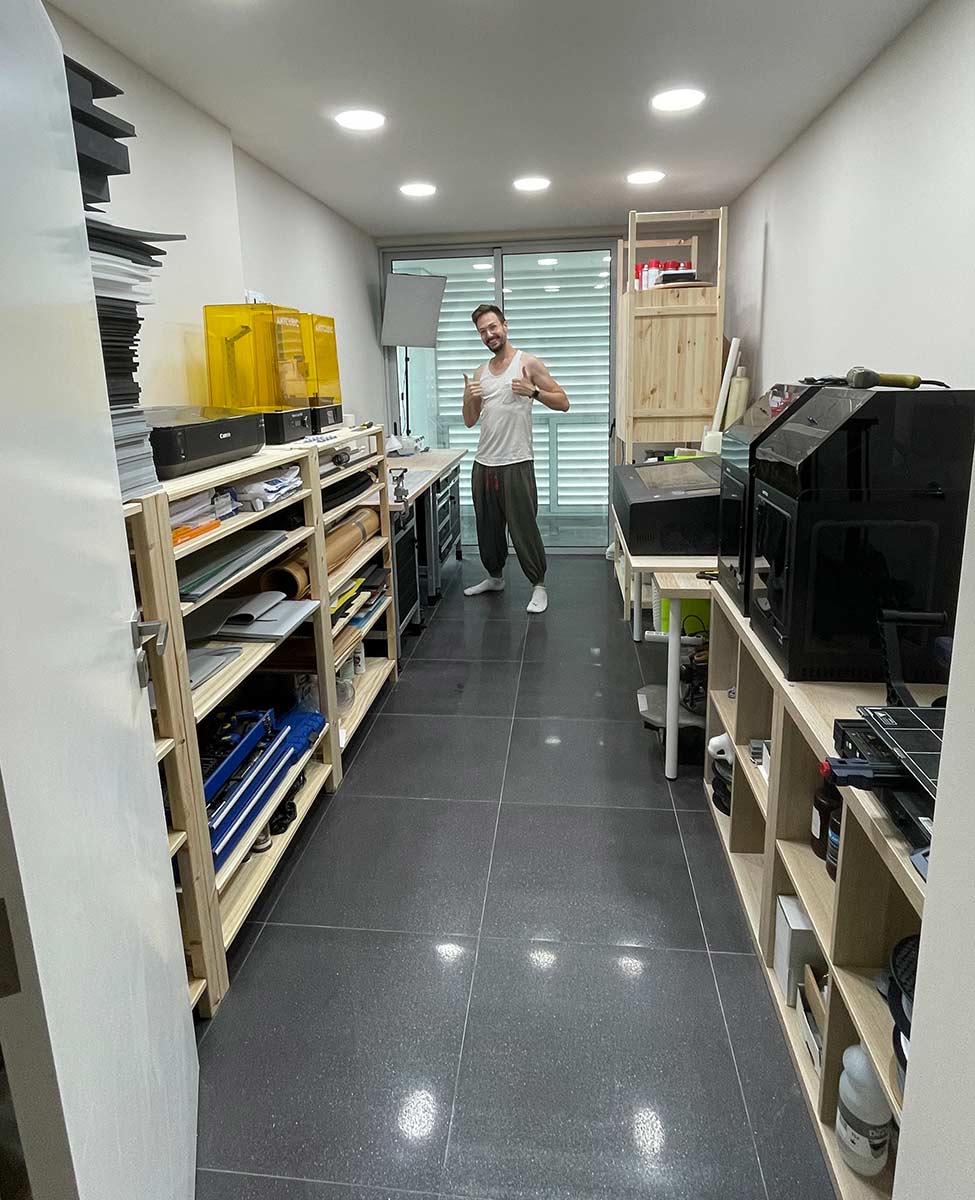
- Assembly and Implementation: Utilizing a combination of IKEA shelving units (specifically the Kallax and Ivar series), they created a professional-grade storage system within two weeks of arrival.
Supporting Data: Why 3D Planning is the Gold Standard
While many casual creators rely on simple sketching or trial-and-error, Kamui Cosplay emphasizes the professional necessity of digital planning. When asked why they chose Blender over standard interior design apps, the answer was grounded in precision.
Many consumer-grade planning programs suffer from limited item variety and poor spatial accuracy. For a professional workshop, where every centimeter determines whether a 3D printer can safely vent or a mannequin can stand without obstructing a walkway, precision is non-negotiable. Using Blender served a dual purpose: it allowed for a perfectly calibrated layout and acted as a practical exercise in 3D modeling—a skill central to their ongoing cosplay work.
The result of this planning was a bifurcated workspace. The main room serves as the “pretty” space—a clean, organized area dedicated to recording YouTube videos, displaying finished costumes, and photography. The secondary, smaller room serves as the “dirty” workshop. This room is dedicated to sanding, airbrushing, and 3D printing. By physically segregating these activities, the duo ensures that toxic fumes and sanding dust are contained, protecting both their health and their high-quality equipment.
Implications for the Cosplay Industry: Is Accessibility a Barrier?
The story of Kamui Cosplay’s workshop is a testament to the fact that professional-level results are the product of long-term evolution. A common misconception among aspiring cosplayers is that one needs a sprawling, fully equipped studio to be successful.
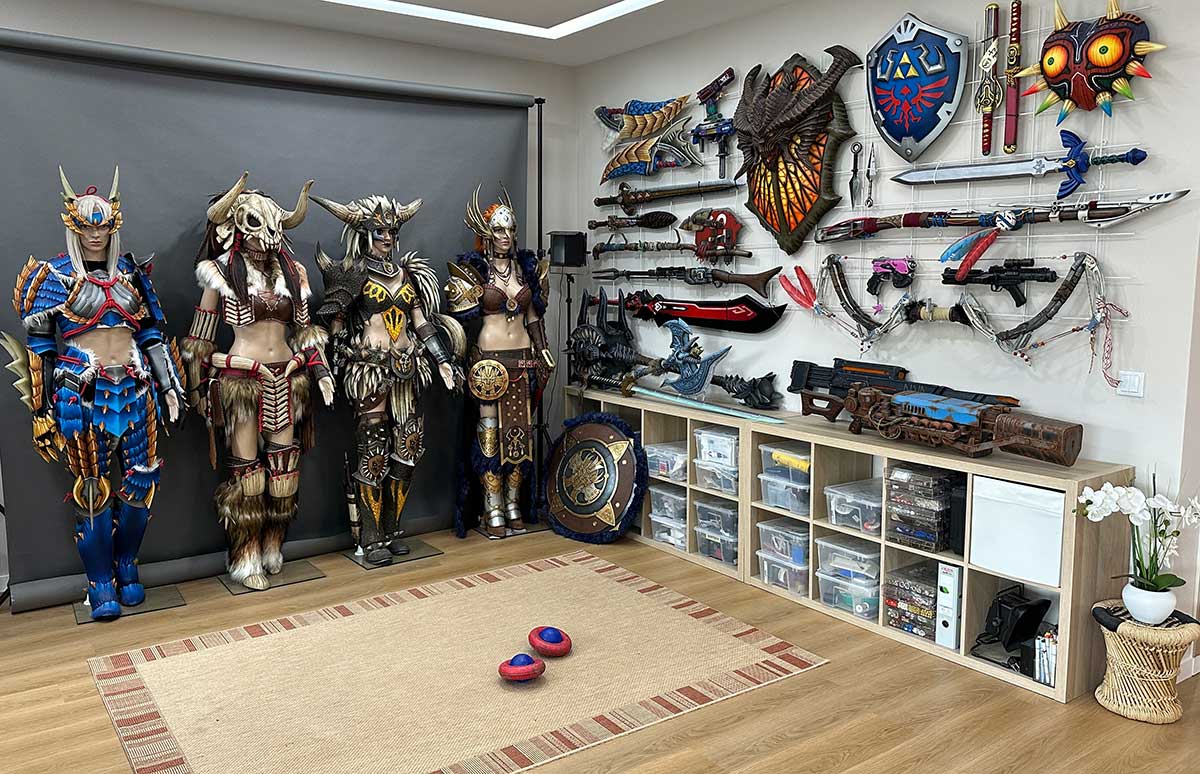
The reality, as outlined by the duo, is that a workshop is a living thing. Their journey spans twenty years:
- 2003: The humble beginning—a small desk corner.
- 2009: First sewing machine and heat gun.
- 2015: First 3D printer and airbrush kit.
This incremental growth is a critical lesson for the community. Professionalism is not purchased in a single haul; it is built through years of investment and the accumulation of knowledge. For those concerned about the rising costs of the hobby, the duo emphasizes that it is still accessible, provided one prioritizes essential tools and maintains a disciplined inventory.
Official Advice: Organizing for Longevity
For artists looking to emulate the Kamui Cosplay setup, the team offers several pillars of organizational philosophy:
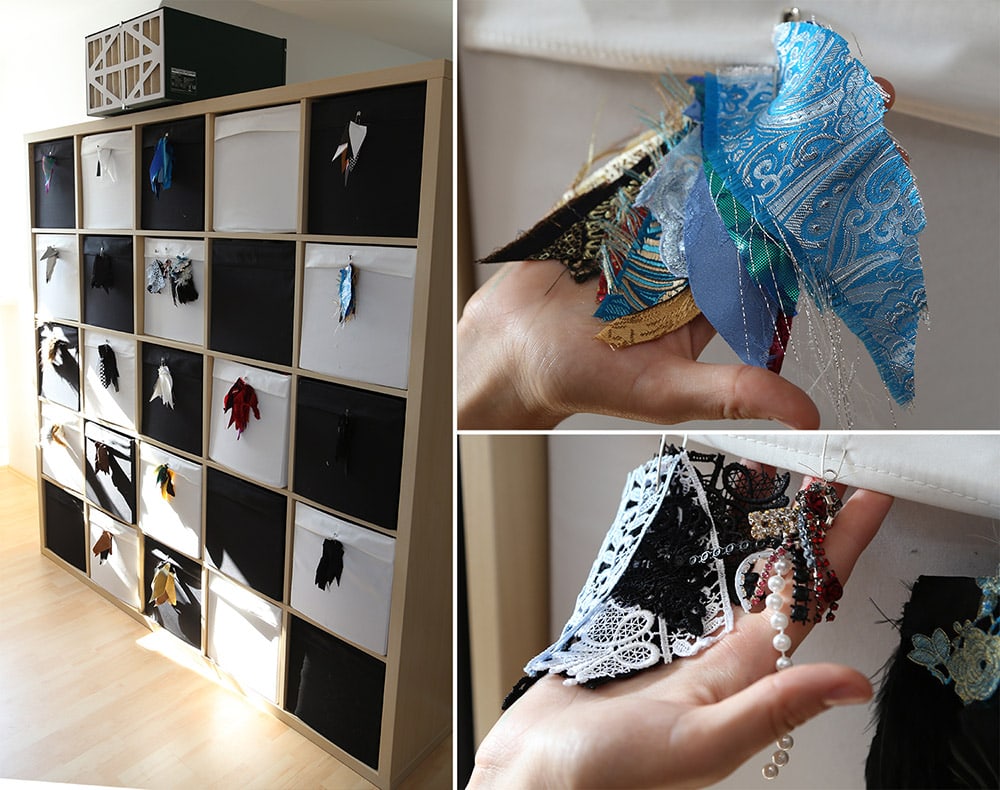
- Visibility is Key: If you cannot see it, you will likely buy it again. Using translucent storage boxes and attaching fabric samples to the outside of containers prevents duplicate spending and keeps material stock top-of-mind.
- The "Let Go" Principle: Hoarding is an occupational hazard for cosplayers. However, the duo argues that regularly auditing one’s collection and donating unused items to the community is essential for maintaining a healthy workflow.
- Verticality: When space is at a premium, walls are your best friend. Utilizing tall shelving units like the Kallax allows for massive storage footprints in a minimal square footage.
- The "Holy Grail" Essentials: While tools change, certain materials remain constants. Maintaining a steady supply of contact cement, high-quality fabric glue, and a core rotation of EVA foam and faux leather allows the artist to focus on the work rather than the supply run.
Conclusion: The Path Forward
The move to Madeira serves as a powerful case study for the modern creator. It demonstrates that prioritizing one’s mental health and environment is not a luxury, but a strategic decision for anyone whose livelihood depends on their creative output.
By embracing digital planning, maintaining a disciplined inventory, and recognizing that a workshop is a project that evolves over decades, Kamui Cosplay continues to set the standard for the industry. As they settle into their new island home, the message to their followers is clear: take the time to build a space that respects your passion, honor the journey of your own growth, and never be afraid to make the changes necessary to find your sunshine.









No comments yet. Be the first to join the conversation!