
 Lina Hope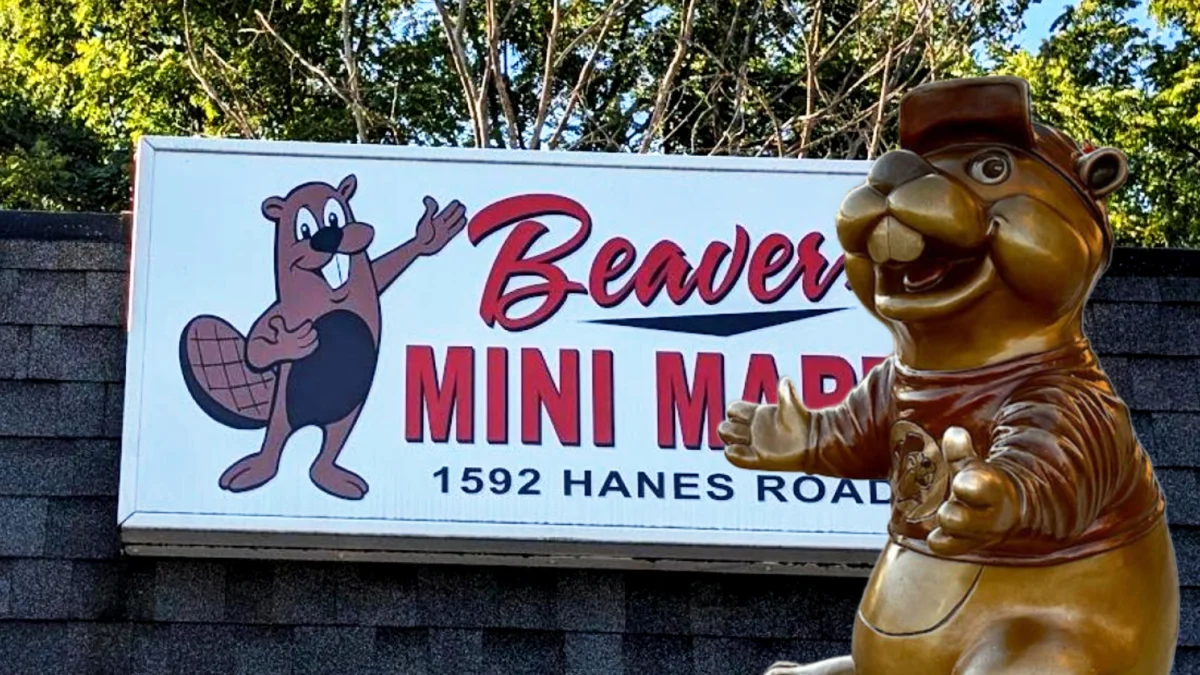
In the heart of Ohio, a quiet suburban community has become the unlikely epicenter of a national debate over corporate litigation, trademark protection, and the definition of local identity. The city of Beavercreek, a town with a name rooted in 19th-century geography, has found itself locked in an ideological and legal struggle against the Texas-based retail juggernaut, Buc-ee’s.
The dispute, which began as a standard trademark filing, has rapidly evolved into a David-and-Goliath narrative, with the community rallying behind a neighborhood convenience store to push back against what many perceive as corporate overreach.
The Genesis of a Legal Conflict
The tension centers on Beaver’s Mini Mart, a modest, family-owned convenience store, and Buc-ee’s, the behemoth travel center chain renowned for its gargantuan 74,000-square-foot footprint and its ubiquitous, buck-toothed beaver mascot.
On July 28, Buc-ee’s filed a federal trademark lawsuit against the Mini Mart, alleging that the store’s branding—specifically a smiling, full-bodied beaver logo—infringes upon its intellectual property. The Texas-based company argues that the similarity is sufficient to confuse the average consumer, potentially leading them to believe that the tiny neighborhood mart is an affiliate or a satellite location of the massive travel center chain.
The timing of the lawsuit is particularly inflammatory. It arrived just months after Buc-ee’s opened its first Ohio location in the neighboring city of Huber Heights. The stark contrast in scale between the two businesses is hard to ignore: while Buc-ee’s boasts over 100 gas pumps and 700 parking spaces, Beaver’s Mini Mart operates as a local staple, serving the daily needs of the Beavercreek neighborhood.
Chronology of a Mounting Backlash
The escalation of this conflict has been swift, marked by a series of legal maneuvers and grassroots responses that have captured the attention of the national media.
- March – June 2025: Buc-ee’s claims to have initiated attempts to reach out to the ownership of Beaver’s Mini Mart regarding their concerns over the trademark. The corporation states that after failed attempts to contact owner Vic Boparai via mail in the spring, a formal notice was delivered in person in June.
- July 28, 2025: Buc-ee’s officially files a federal lawsuit against Beaver’s Mini Mart in the U.S. District Court, seeking to force a rebrand of the store.
- Early August 2025: News of the lawsuit breaks, triggering immediate public outcry. A GoFundMe campaign is launched to assist the Mini Mart with legal defense costs, quickly surpassing expectations as donations pour in from across the country.
- August 10, 2025: The Beavercreek City Council intervenes, unanimously passing a resolution that enshrines the beaver as a historical symbol of the city, effectively signaling that the animal belongs to the community’s heritage, not a corporate trademark.
- Late August – Present: The story enters the national spotlight, featuring segments on Last Week Tonight with John Oliver and drawing public criticism from high-ranking Ohio state officials.
Supporting Data and Economic Impact
The scale of the support for Beaver’s Mini Mart is quantifiable. As of the latest reports, the community-funded legal defense fund has raised over $77,000. This influx of capital has allowed the store to secure legal representation to challenge the corporate giant in federal court.
Beyond financial aid, the cultural impact is visible on the streets of Beavercreek. Local businesses, ranging from artisan bakeries to independent retailers, have begun incorporating beaver imagery into their own storefronts and products. In a show of solidarity, bakeries have seen record sales of beaver-themed cookies, with proceeds directed toward the Mini Mart’s legal fund.
More than 20 local businesses have formally joined the movement, creating a "Beaver Coalition" that serves to protect local branding from what they describe as "trademark bullying."
Official Responses and the "Absurdity" Factor
The city of Beavercreek has taken a firm, historical stance. In its August resolution, the Council highlighted that the city’s name is derived from the Big Beaver Creek and Little Beaver Creek, which were named by early European settlers in 1803 due to the dense population of native beavers in the region.
"For the citizens of Beavercreek, the beaver is not just a corporate marketing device," the resolution stated. The council argued that the image of a beaver is an essential part of the town’s identity, predating the existence of the Buc-ee’s brand by nearly two centuries.
The conflict even reached the desk of Ohio Governor Mike DeWine. In a press briefing, the Governor did not mince words, labeling the lawsuit "absurd." His comments, "It is Beavercreek, for heaven’s sake," resonated with a public that views the lawsuit as an attempt by an out-of-state corporation to exert control over a local name and mascot.
In response to the growing wave of criticism, Buc-ee’s has maintained that its actions are necessary to protect its intellectual property. In a statement provided to local news outlet WHIO, the company emphasized that its efforts to contact the Mini Mart prior to the lawsuit were ignored, leaving them no choice but to pursue legal action to ensure their brand identity remains distinct.
Broader Implications: The "Buc-off" Phenomenon
The case has reignited a wider debate about the aggressive nature of trademark enforcement. This is not the first time Buc-ee’s has targeted smaller entities for utilizing animal-based branding. In 2025, the company made headlines for suing a "Nut Huggers" underwear brand over its cartoon squirrel logo.
This pattern of behavior has drawn the ire of cultural commentators. Comedian and host John Oliver dedicated a significant portion of his HBO show, Last Week Tonight, to the issue. He famously launched a parody campaign, creating "Buc-off" merchandise featuring a squirrel mascot named Mr. Nutterbutter, satirizing what he and others view as a litigious strategy aimed at stamping out competition, however small.
The Legal and Moral Crossroads
The implications of this case extend far beyond a single convenience store. If a major corporation can successfully claim exclusivity over an animal as common as a beaver in a city named after the animal, it sets a dangerous precedent for small business owners everywhere. Trademark law is designed to prevent consumer confusion, but critics argue that Buc-ee’s is using the law to monopolize imagery that belongs to the public domain or local geography.
For Vic Boparai, the owner of Beaver’s Mini Mart, the support has been overwhelming. "We are humbled by the support for our business and for the principle that small businesses deserve a place in the community," Boparai said in a recent statement.
As the lawsuit grinds through the federal court system, the outcome remains uncertain. However, the battle has already yielded a clear winner in the court of public opinion. Beavercreek has shown that while a corporation may have the capital to file a lawsuit, it cannot easily buy the loyalty of a community that feels its identity is under siege. Whether the beaver stays in Beavercreek remains to be seen, but one thing is certain: the residents of Ohio are no longer content to let a Texas-based giant define the parameters of their local landscape.


 Suro Senen
 Pevita Pearce




