

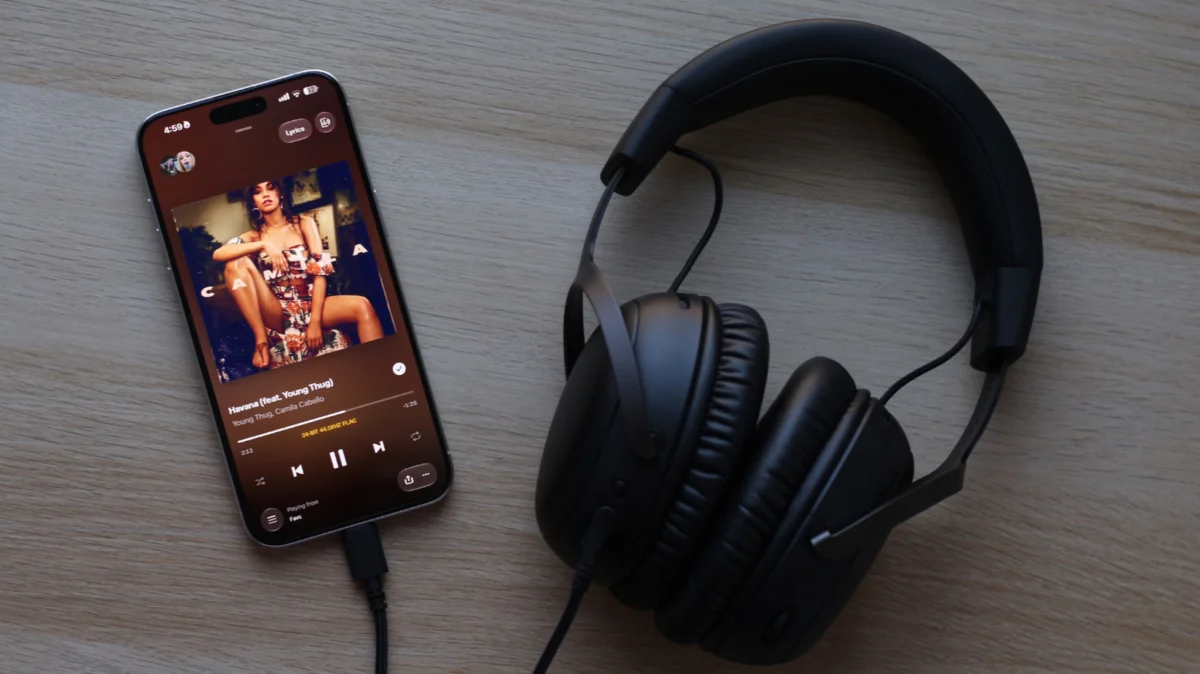
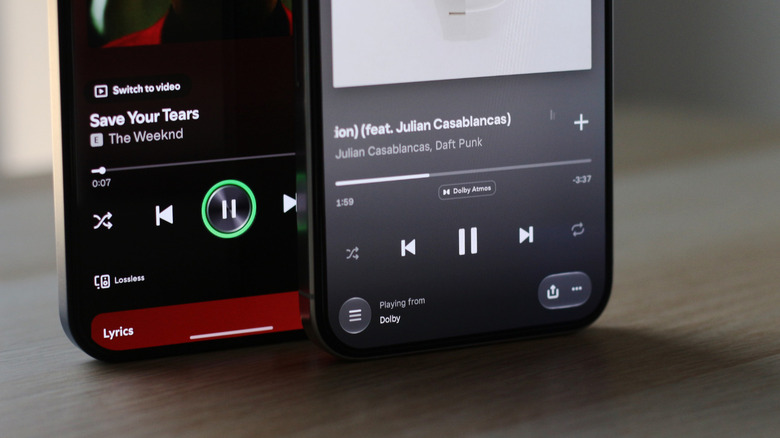
In the modern digital landscape, the way we consume music has undergone a radical transformation. Gone are the days when the primary concern for a listener was simply having the song available in their library. Today, streaming giants like Apple Music, Tidal, and Amazon Music Unlimited are locked in an arms race to provide the most immersive, high-fidelity audio possible. As you scroll through your favorite playlists, you’ve likely encountered two ubiquitous tags: "Dolby Atmos" and "Lossless."
While both are marketed as premium upgrades to the standard listening experience, they represent fundamentally different philosophies in audio engineering. One focuses on the spatial geography of sound, while the other prioritizes the mathematical integrity of the recording. Understanding the distinction is vital for any audiophile looking to optimize their setup.
The Core Distinction: Spatial Immersion vs. Data Integrity
At its heart, the difference between these two technologies is one of spatial dimension versus technical precision.
What is Dolby Atmos?
Dolby Atmos is an object-based audio system that transcends the limitations of traditional stereo. For decades, music was mixed for two channels: left and right. Sounds were essentially pinned to a fixed horizontal plane between those two points. Dolby Atmos shatters this ceiling by treating sounds as individual "objects" that can be placed anywhere in a three-dimensional sphere. Using both horizontal and vertical positioning, an engineer can make a sound appear to originate from behind you, above you, or circling your head, creating a highly immersive "soundstage."
What is Lossless Audio?
Lossless audio, conversely, is not concerned with where the sound is coming from, but rather how accurately the digital file reproduces the original studio recording. Standard digital formats—like the ubiquitous MP3 or AAC—use "lossy" compression. To keep file sizes small for mobile streaming, these formats discard data that the human ear theoretically struggles to hear. Lossless audio, such as FLAC (Free Lossless Audio Codec) or ALAC (Apple Lossless Audio Codec), preserves every single bit of the original data, ensuring that the playback is "bit-perfect."
Chronology of High-Fidelity Streaming
The push for "audiophile" streaming didn’t happen overnight. It was a gradual movement against the convenience-first era of MP3s.
- The MP3 Era (Late 1990s–2010s): The digital music revolution was defined by portability. To make songs fit on early MP3 players and phones, lossy compression became the industry standard.
- The Tidal Shift (2014): Tidal launched with a bold premise: offering CD-quality (lossless) audio to the masses. It set the stage for a premium tier of streaming.
- The Rise of Spatial Audio (2017–2020): While Dolby Atmos had long been a staple in high-end home theaters and cinemas, companies began experimenting with adapting the technology for headphones.
- The Apple Music Pivot (2021): The landscape changed permanently when Apple announced that its entire catalog of 75 million songs would be available in Lossless, and a significant portion would be optimized for Dolby Atmos/Spatial Audio, all at no extra cost to subscribers. This forced the rest of the industry—including Amazon and eventually others—to follow suit.
Supporting Data: The Technical Breakdown
To truly appreciate these technologies, one must look at the specifications that define them.
Understanding Bit Depth and Sample Rate
When navigating settings, you will see figures like 16-bit/44.1kHz or 24-bit/192kHz. These numbers are the DNA of digital audio:
- Sample Rate (kHz): This indicates how many times the audio signal is measured every second. 44.1kHz is the CD standard, while 192kHz represents high-resolution, ultra-precise sampling.
- Bit Depth (bits): This determines the dynamic range and the precision of each measurement. 24-bit audio allows for a significantly greater range between the quietest and loudest parts of a track compared to 16-bit.
The Bluetooth Bottleneck
One of the most persistent myths in modern audio is that wireless listening can be truly lossless. Because the vast majority of Bluetooth connections use lossy codecs (SBC, AAC, or standard LDAC), the "Lossless" signal is often re-compressed the moment it leaves your device. Unless you are using a wired connection or specific, high-bandwidth proprietary standards like Qualcomm’s aptX Lossless, you are not hearing the "bit-perfect" file.
The DAC Requirement
To convert these complex digital files into sound, you need a Digital-to-Analog Converter (DAC). While your phone or laptop has a built-in DAC capable of handling CD-quality audio, hi-res lossless content (above 24-bit/48kHz) often requires an external, high-quality DAC to bypass the limitations of the onboard hardware.
Official Industry Perspectives
Hardware manufacturers and streaming platforms emphasize different aspects of the technology. Apple’s stance, as reflected in their user support, is that while Lossless is the "true" recording, it is a pursuit for the "audiophile purist." Conversely, they promote Spatial Audio (Atmos) as a transformative experience for the casual listener, suggesting it creates a sense of "being in the room with the artist."
Streaming platforms like Tidal have historically argued for the importance of the master file, emphasizing that artists spend thousands of hours in the studio to capture specific nuances that only lossless files can preserve. The industry consensus is slowly shifting toward a "best of both worlds" approach, though the technical reality remains that lossless-Atmos (using the Dolby TrueHD codec) is currently reserved almost exclusively for high-end physical media like Blu-ray discs, rather than consumer streaming.
Implications for the Everyday Listener
If you are a music enthusiast deciding where to focus your attention, consider the following implications:
The Case for Dolby Atmos
Dolby Atmos is, for most people, the more "fun" upgrade. It changes the production of a song, often revealing hidden textures or bringing specific instruments to the forefront in ways a stereo mix cannot. For pop, electronic, and hip-hop, it is a game-changer. Songs like Lady Gaga’s "Poker Face" or the discography of The Weeknd sound radically different—and arguably more expansive—in Atmos. However, it requires a "compatible" mix; a poorly mastered Atmos track can sound hollow or detached.
The Case for Lossless
Lossless audio is an intellectual upgrade. If you have a high-end wired headphone setup and a quiet room, you will notice increased clarity in high-frequency transients (like cymbals) and a more stable, natural "air" around the instruments. It is a subtle difference, one that requires training your ears to detect. It does not change the arrangement of the music, but it removes the "digital veil" that lossy compression can leave behind.
The Practical Verdict
For the average listener, Dolby Atmos is the more noticeable upgrade. It provides a palpable sense of scale and depth that is immediately audible, regardless of whether you are using a $50 pair of earbuds or $500 over-ear monitors. Lossless audio, while technically superior, is a diminishing return unless you are prepared to invest in a dedicated DAC, high-fidelity wired headphones, and a library of high-resolution files.
Ultimately, the choice doesn’t have to be binary. If you value the engineering precision of the studio, lean into Lossless. If you crave the thrill of a live, surrounding performance, prioritize Dolby Atmos. As the technology continues to evolve, we may soon see the day where high-bandwidth wireless standards allow for both simultaneously, but until then, choose the experience that brings you closer to the music you love.











