

Introduction: A Masterpiece Unveiled
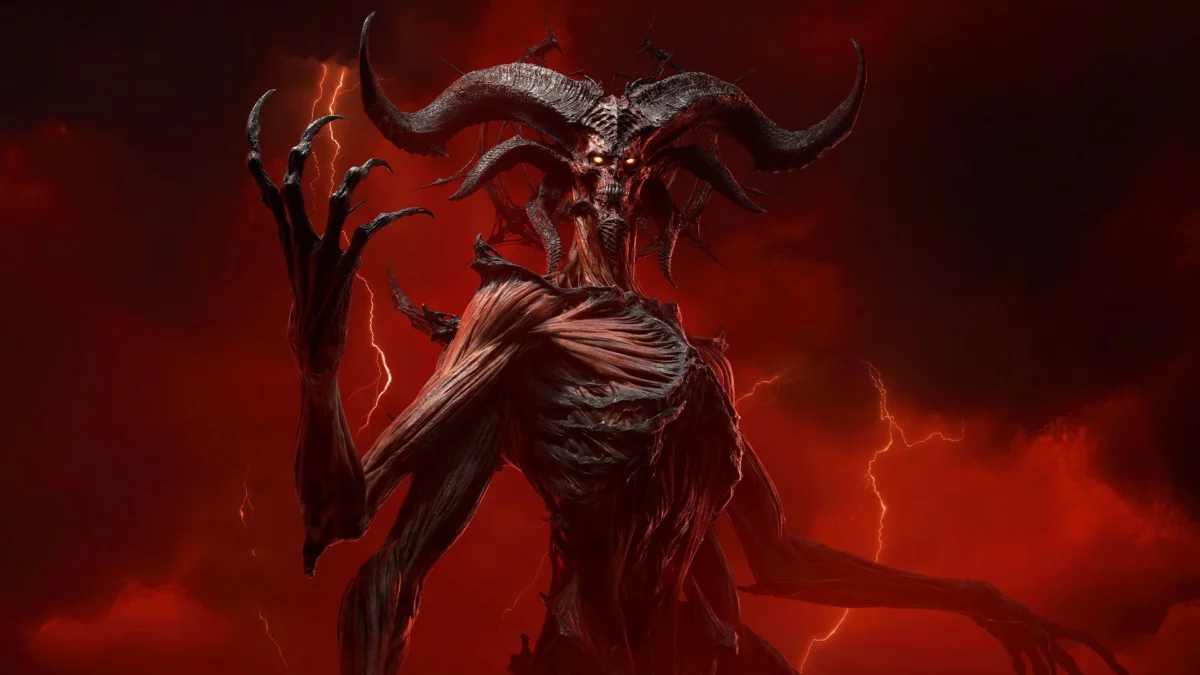
Blizzard Entertainment has once again proven its prowess, delivering a monumental conclusion to the saga that began with Diablo 4 in its highly anticipated expansion, Lord of Hatred. Hailed by critics and players alike, this expansion is being lauded as one of Blizzard’s finest narrative achievements, seamlessly wrapping up the intricate storyline while simultaneously elevating the entire Diablo 4 experience. Set for release in 2026, Lord of Hatred not only rectifies past missteps but also sets a new gold standard for action role-playing game (ARPG) expansions, enriching both its gameplay systems and its deeply engrossing lore.
The journey through Sanctuary has always been one fraught with peril and moral ambiguity, and Lord of Hatred embraces this ethos with unparalleled conviction. From its stunning new region, the Skovos Isles, to its innovative new classes and profoundly refined endgame systems, the expansion promises an experience that is both familiar and refreshingly new. For many, Diablo 4 already holds a special place, often cited as a benchmark for ARPG combat fluidity and production values. However, Lord of Hatred transcends these foundational strengths, culminating in a campaign that critics are already calling unforgettable and a testament to Blizzard’s narrative mastery.
Main Facts: The Resurgence of Sanctuary
Diablo 4: Lord of Hatred stands as a pivotal moment for the franchise, not just as a content update but as a complete revitalization. It meticulously addresses player feedback, introduces groundbreaking features, and culminates in a narrative arc that has been years in the making.
A Campaign for the Ages
At the heart of Lord of Hatred lies a campaign described as the most exciting and eventful of the three Diablo 4 story segments, rivalling even the most celebrated narratives from Diablo 3. This isn’t merely an extension; it’s a meticulously crafted conclusion that ties up loose ends, re-examines beloved characters, and fearlessly embraces its dramatic potential. The story picks up directly after the events of Vessel of Hatred, following Neyrelle as she desperately seeks a means to permanently contain Mephisto, the titular Lord of Hatred, within the precarious soulstone. The campaign is lean, devoid of narrative "fluff," and delivers a relentless pace that keeps players engrossed from start to finish, culminating in a final boss encounter praised for its inventive mechanics and thematic resonance.
The Skovos Isles: A New Horizon
The expansion introduces a breathtaking new region: the Skovos Isles. Unlike previous areas, Skovos is a fresh addition to Diablo lore, making its debut appearance and immediately establishing itself as a captivating destination. Visually, the islands draw heavy inspiration from the Mediterranean, featuring stunning red-tiled roofs, textured stucco walls, and charming cobblestone streets that evoke the Aegean or Greek provinces. Beyond its aesthetic appeal, Skovos is steeped in history, serving as the ancestral birthplace of humanity’s progenitors – the direct descendants of Lilith and Inarius. Its unique position in Sanctuary is further enriched by its inhabitants: a formidable matriarchal society of warrior maidens, reminiscent of DC Comics’ Themyscira and its Amazons, led by a queen who plays a crucial role in the unfolding drama. Despite a relatively smaller landmass, the topographical and locational diversity of Skovos ensures that exploration remains consistently engaging, offering dozens of hours of unique experiences.
Expanding the Arsenal: New Classes
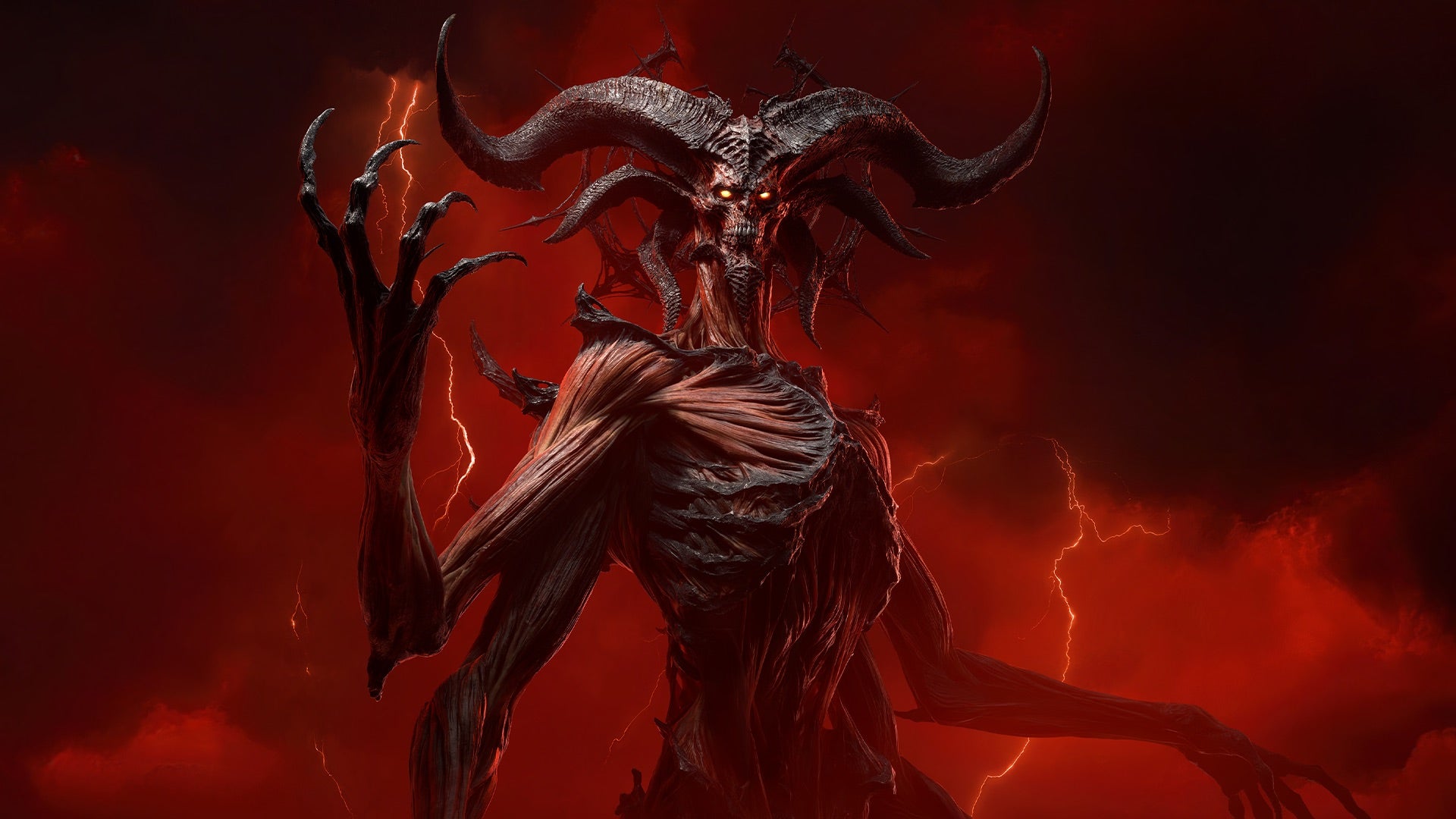
Lord of Hatred significantly expands player choice with the introduction of two distinct classes: the Paladin and the Warlock.
The Paladin, a long-awaited archetype, made a surprise "shadow-drop" several months prior to the expansion’s full release, filling a void that Diablo 4 had surprisingly left open. This sword-and-board class, a staple of the Diablo universe, offers a robust blend of melee combat and defensive capabilities, borrowing some skills from past Amazon iterations and even incorporating angelic powers in certain variants.
The Warlock, on the other hand, presents a bold and complex hybrid. A grim fusion of Necromancer and Sorcerer, the Warlock is a demanding summoner-caster class that offers unparalleled strategic depth. Its unique mechanics revolve around tactical minion sacrifice and synergistic buffs, requiring players to master intricate skill rotations and forward planning. The Warlock’s aesthetic—an edgy, dark arts practitioner—complements its challenging yet highly rewarding playstyle.
Revitalizing the Endgame
Beyond the campaign and new classes, Lord of Hatred introduces a suite of comprehensive improvements aimed at enhancing Diablo 4‘s longevity and endgame experience. The level cap is raised to 70, accompanied by reworked and expanded talent trees that integrate previously Legendary-exclusive powers, making powerful abilities more accessible. The new Talisman system provides another layer of customization, offering potent abilities and passives that augment core functions like healing and dodging. The return of the iconic Horadric Cube allows players to upgrade item rarity and tweak affixes, providing a much-needed solution to gear stagnation. Finally, War Plans gamify the endgame by allowing players to curate activity playlists, offering structured progression trees and additional rewards for completing curated objectives, transforming the repetitive grind into a more engaging pursuit.
Chronology: From Disappointment to Deliverance
The journey to Lord of Hatred‘s critical acclaim has been anything but linear, marked by a trajectory of initial triumph, subsequent missteps, and a determined pursuit of redemption.
The Foundation: Diablo 4’s Initial Promise and Pitfalls
When Diablo 4 launched, it was met with widespread enthusiasm, lauded for its visceral combat, unparalleled production values, and a dark, gritty atmosphere that recaptured the essence of the series. The game feel, in particular, was frequently cited as superior to its ARPG contemporaries, establishing a high bar for player engagement. However, as the live service aspect of the game unfolded, player sentiment began to shift. Subsequent seasons and events were often criticized for lacking compelling content, introducing frustrating mechanics, or failing to adequately address community concerns. The game, despite its strong core, struggled to maintain consistent player satisfaction through its early post-launch phases.

The Interlude: Vessel of Hatred’s Mixed Reception
The first major expansion, Vessel of Hatred (VoH), aimed to rekindle excitement but largely fell short of expectations. While it introduced the highly praised Spiritborn class, which quickly became a fan favourite for its unique gameplay, the narrative component of VoH was widely considered underwhelming. Many felt its story had the scope of a mere side quest, doing little to advance the overarching plot or significantly impact the characters established in the base game. The campaign was characterized by forgettable moments and felt more like a narrative placeholder than a substantial expansion, leaving many players disappointed and questioning the future direction of Diablo 4‘s story.
The Build-Up to Lord of Hatred
Despite the lukewarm reception of Vessel of Hatred, a glimmer of hope persisted among the community. The one-year gap between expansions, coupled with Blizzard’s public acknowledgment of past missteps and a perceived eagerness for a comeback, fueled anticipation for Lord of Hatred. This anticipation was further stoked by the unexpected "shadow-drop" of the Paladin class months before the expansion’s full release, signaling Blizzard’s intent to deliver substantial content ahead of schedule. Players hoped that this extended development cycle and renewed focus would culminate in an expansion that not only lived up to the Diablo name but also addressed the lingering criticisms of the base game and its first expansion. Lord of Hatred was not just another content drop; it was Blizzard’s opportunity for a definitive statement.
Supporting Data: Deep Dive into Innovations
Lord of Hatred‘s success is built upon a foundation of thoughtful design, intricate lore, and systemic overhauls that collectively elevate the Diablo 4 experience to unprecedented heights.
Unraveling the Skovos Isles
The Skovos Isles are more than just a new map; they are a character in themselves, meticulously designed to enrich Sanctuary’s lore and provide a distinct cultural identity. The inspiration drawn from the Mediterranean, with its sun-drenched landscapes, ancient architecture, and vibrant coastal communities, provides a stark contrast to the grim, gothic aesthetics prevalent in much of Sanctuary. This visual departure is not merely cosmetic; it informs the very fabric of Skovosian society. The Amazonian warrior maidens, with their matriarchal structure and proud martial traditions, offer a fresh perspective on humanity’s struggle against the demonic forces. Their deep connection to the land and its history, particularly as the birthplace of humanity’s progenitors, injects a profound sense of significance into every quest and interaction. Exploring Skovos feels like uncovering a forgotten chapter of Sanctuary’s creation myth, providing context and depth that expands the universe in meaningful ways. The varied biomes, from bustling port towns to ancient ruins and lush forests, ensure that the smaller overall landmass never feels restrictive, constantly rewarding exploration with new sights, sounds, and narrative beats.
Class Act: Paladin and Warlock in Detail
The new classes introduced in Lord of Hatred are designed not just to add variety, but to fundamentally alter the strategic landscape of Diablo 4.
The Paladin fills a crucial role that was conspicuously absent from Diablo 4‘s initial roster. As the archetypal sword-and-board class, it offers a robust front-line presence, capable of absorbing immense damage while delivering powerful, righteous strikes. Its skills often blend holy magic with martial prowess, allowing for diverse builds that can focus on healing, protective auras, or aggressive, damage-dealing attacks. The inclusion of skills borrowed from previous Amazon iterations and even angelic powers further enriches its identity, making it a versatile and satisfying choice for players who enjoy a blend of offense and defense. The Paladin represents a return to a classic Diablo fantasy, executed with Diablo 4‘s signature fluid combat.

In stark contrast, the Warlock is a revelation in complexity and strategic depth. Described as a wretched spawn of Necromancer and Sorcerer, this summoner-caster hybrid demands a high level of player engagement and foresight. Unlike simpler summoner classes, the Warlock’s minions are not merely passive damage dealers. They are tactical resources that can be sacrificed for powerful burst damage, used to buff the Warlock’s spells, or even strategically positioned to control the battlefield. This intricate dance of minion management, spellcasting, and resource allocation creates a challenging yet immensely rewarding playstyle. Mastering the Warlock means not just cycling through skills, but anticipating enemy movements, planning several steps ahead, and executing complex combinations to unleash devastating power. Its unique "edgy metalhead" aesthetic, a practitioner of dark arts unafraid to rip demons from Hell, perfectly complements its demanding and unorthodox approach to combat.
Narrative Mastery: Characters Reimagined
The narrative of Lord of Hatred is where the expansion truly shines, showcasing Blizzard’s ability to craft compelling, character-driven stories. Neyrelle’s continued struggle to contain Mephisto is central, evolving her from a conflicted companion to a pivotal figure burdened by immense responsibility. The campaign also brings back fan-favourite characters, not merely as cameos, but with arcs that represent significant growth or, in some cases, a radical re-examination of their established personas.
Most notably, Lilith, Diablo 4‘s most intriguing character, makes a nuanced return. This iteration of Lilith is not merely a rehash; she is a character in conversation with her past self. Her core motivations remain, but the loss of much of her power has exposed a vulnerability and a cunning that were only hinted at in the base game. Her actions in Lord of Hatred feel more consistent with the trajectory many players felt she should have taken by the end of Diablo 4, leading to a more satisfying and resonant character arc. The campaign’s willingness to "kill its darlings" adds a layer of genuine stakes and emotional weight, ensuring that no character is safe and every decision carries significant consequences. The final boss, an innovative marvel of mechanics and thematic culmination, serves as a powerful capstone to a story that is as heartbreakingly emotional as it is triumphantly spectacular. The cinematics, a long-standing Blizzard hallmark, are breathtaking, combining stellar acting, masterful direction, and exquisite shot composition to create truly unforgettable moments.
Endgame Reimagined: Systems for Longevity
The endgame of Diablo 4 has been a point of contention since launch, and Lord of Hatred introduces several key systems designed to address these criticisms and ensure long-term player engagement.
The reworked and expanded talent trees for all classes, coupled with the increased level cap to 70, provide unprecedented opportunities for build customization and power progression. By integrating previously Legendary-locked powers directly into the skill trees, Blizzard empowers players with more agency over their character’s development, fostering diverse and creative builds without relying solely on specific item drops.
The Talisman system further deepens this customization, offering a new gear slot dedicated to powerful abilities and passive bonuses. These talismans can enhance fundamental aspects of gameplay, such as increasing the number of healing potions or dodges, allowing players to fine-tune their combat effectiveness and tailor their character to their preferred playstyle.
The return of the Horadric Cube is a particularly welcome addition for veteran Diablo players. This iconic crafting device, absent from Diablo 4‘s initial release, addresses the common problem of hitting a "gear ceiling" where interesting upgrades become scarce. The Cube allows players to upgrade item rarity, reroll affixes, and even transmute items, providing a crucial avenue for players to continuously improve their gear through crafting rather than relying solely on random drops. This system ensures that even seemingly "bad" loot can be transformed into something valuable, adding a layer of strategic depth to item acquisition.

Finally, War Plans revolutionize the endgame grind. This innovative system gamifies the post-campaign experience by allowing players to create personalized "playlists" of endgame activities. Instead of aimlessly running the same dungeons, players can choose a curated sequence of challenges that feed into specific progression trees. Completing these plans offers additional rewards beyond the standard loot, providing structured goals and a clear sense of progression that extends beyond individual dungeon clears. War Plans inject purpose and variety into the endgame, promising a more engaging and less repetitive experience for dedicated players.
Official Responses and Industry Context
While specific "official responses" from Blizzard are not detailed in the provided article, the overwhelming positive reception of Lord of Hatred serves as a powerful implicit response to past criticisms.
Blizzard’s Redemption Arc
Lord of Hatred can be seen as Blizzard’s definitive statement and a significant step in its ongoing redemption arc for Diablo 4. Following the mixed reception of the base game’s live service elements and the disappointing narrative scope of Vessel of Hatred, the pressure was on for this expansion to deliver. The meticulous attention to narrative quality, the introduction of robust new gameplay systems, and the evident commitment to addressing player pain points through features like the Horadric Cube and War Plans, all signal a developer listening intently and responding decisively. This expansion is not just a content release; it’s a demonstration of Blizzard’s renewed dedication to the franchise’s legacy and its community, solidifying a path forward that prioritizes quality and player satisfaction.
Setting a New Standard for ARPG Expansions
In the broader context of the ARPG genre, Lord of Hatred stands out as a potential benchmark for what expansions can and should be. It doesn’t merely add more content; it fundamentally improves the core experience of Diablo 4 while delivering a narrative conclusion that resonates deeply. Many ARPG expansions focus primarily on new classes or endgame activities, often neglecting the narrative or failing to integrate new systems seamlessly. Lord of Hatred‘s balanced approach, excelling in storytelling, class design, region development, and systemic overhauls, positions it as a leader in the genre. Its impact will likely be felt across the industry, potentially influencing how future ARPG developers approach post-launch content and narrative progression.
Implications: A Legacy Secured
The profound impact of Lord of Hatred extends far beyond its immediate release, carrying significant implications for the future of Diablo 4, Blizzard’s narrative reputation, and the broader player experience.

Impact on Diablo 4’s Future
With Lord of Hatred concluding the story arc that began with Diablo 4, the expansion sets a new, incredibly high benchmark for any subsequent content. Future seasons, smaller expansions, or even potential Diablo 5 titles will be measured against the narrative brilliance and systemic improvements introduced here. This means a renewed commitment from Blizzard to maintain this level of quality, ensuring that Diablo 4 evolves into an even more enduring and compelling experience for years to come. The established foundation of robust endgame systems and refined gameplay mechanics provides a stable platform for innovative seasonal themes and continued character development.
Redefining Blizzard’s Narrative Prowess
The widespread praise for Lord of Hatred‘s campaign, hailed as one of Blizzard’s best, signifies a powerful resurgence in their narrative capabilities. After periods where storytelling in their various franchises received mixed reviews, this expansion reaffirms Blizzard’s capacity to craft emotionally resonant, impactful narratives that drive player engagement. This renewed focus on compelling storytelling, rich character development, and high-stakes drama will undoubtedly influence future titles across their portfolio, cementing their reputation as masters of epic tales.
The Player Experience Transformed
Ultimately, the most significant implication of Lord of Hatred lies in its transformative effect on the player experience. For those who stuck with Diablo 4 through its initial ups and downs, this expansion is a profound reward. It delivers on the promise of the base game, elevates its strengths, and meticulously addresses its weaknesses. New players entering Sanctuary will find a more polished, engaging, and satisfying journey from the outset. The combination of an unforgettable campaign, diverse new classes, and thoughtfully designed endgame systems ensures that Diablo 4 is not just a game to be played, but an epic to be experienced and re-experienced, offering hundreds of hours of rewarding gameplay.
Conclusion: An Unforgettable Journey
Diablo 4: Lord of Hatred accomplishes the near-impossible task of delivering a game-changing expansion that fundamentally improves on the core of Diablo 4, and a weighty narrative conclusion that so brilliantly balances spectacle with emotional heft. It’s a testament to Blizzard’s renewed commitment to its flagship ARPG, meticulously crafted to rectify past shortcomings and elevate the player experience to unprecedented levels. With its stunning new region, innovative classes, and revitalized endgame systems, Lord of Hatred is not merely an addition to Diablo 4; it is its definitive culmination. Essential for any fan of ARPGs, this expansion cements Diablo 4‘s place as a titan of the genre and ensures its legacy will endure for years to come.
Reviewed on PC, code provided by publisher.











No comments yet. Be the first to join the conversation!