

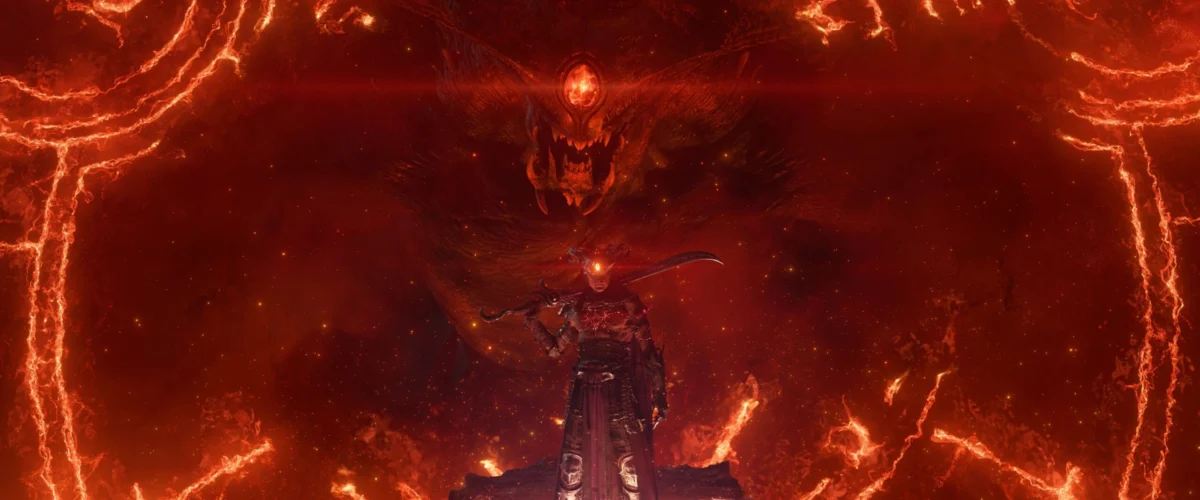
Blizzard Entertainment has officially pulled back the veil on the Warlock, confirming it as the second new class slated to join the ranks of Sanctuary’s defenders—or perhaps, its exploiters—with the highly anticipated Lord of Hatred expansion for Diablo 4. This announcement, a cornerstone of the recent Diablo 30th Anniversary Spotlight, ignited considerable excitement within the global player base, promising a fresh, darker dimension to the game’s evolving meta and narrative.
The Warlock emerges as a direct thematic counterpoint to the previously revealed Paladin, a class emphasizing holy might and unwavering devotion to the Light. Where the Paladin cleanses with sacred fire, the Warlock embraces forbidden knowledge, drawing upon the very powers of Hell to combat its infernal overlords. This dichotomy sets the stage for a compelling new chapter in Diablo 4, inviting players to explore the moral grey areas of Sanctuary’s relentless conflict.
While the Paladin is already accessible to those who pre-ordered the Lord of Hatred expansion, offering an immediate taste of divine justice, the Warlock’s full potential will only be unleashed upon the expansion’s arrival in late April. This staggered release strategy builds anticipation for both classes, ensuring a steady stream of new content for the game’s dedicated community. The Warlock’s unveiling was not the sole highlight, however; the spotlight also offered a glimpse into the new region of Skovos, detailed new endgame activities like War Plans and Echoing Hatred, and teased significant updates to class skill trees, the Talisman system, and the iconic Horadric Cube. Furthermore, the Warlock’s influence extends beyond Diablo 4, making its debut in Diablo Immortal and, remarkably, Diablo 2: Resurrected, marking the first new class for the classic title in 25 years.
Main Facts: A Glimpse into the Coming Darkness
The core revelations from Blizzard’s 30th Anniversary Spotlight paint a vivid picture of the Lord of Hatred expansion and the broader trajectory of the Diablo franchise:
- The Warlock Revealed: The Warlock is officially the second new class for Diablo 4‘s Lord of Hatred expansion, designed as an "edgy, antihero counterpart" to the Paladin. This class harnesses forbidden knowledge and demonic powers to fight against the forces of Hell itself.
- Staggered Class Release: The Paladin class, the first new addition, is already playable for those who pre-ordered the Lord of Hatred expansion. The Warlock, however, will become accessible upon the expansion’s full launch in late April.
- New Region: Skovos: Players will venture to Skovos, a Mediterranean-inspired land that serves as the backdrop for the new story arc and is positioned as a critical endgame destination for Diablo 4.
- Enhanced Endgame Content: Two new endgame modes, War Plans and Echoing Hatred, are being introduced. War Plans allow for customizable playlists of activities for targeted rewards, while Echoing Hatred presents a challenging, rare horde-mode event against Mephisto’s legions.
- Core Game System Overhauls: The expansion will bring expanded class skill trees for all players, a new Talisman system for set bonuses, and the return of the revered Horadric Cube, granting players more control over item Affixes.
- Cross-Franchise Warlock Invasion: The Warlock class is not exclusive to Diablo 4. It is also being introduced to Diablo Immortal and, significantly, to Diablo 2: Resurrected through the "Reign of the Warlock" DLC. This marks Diablo 2: Resurrected‘s first new class in a quarter-century.
- Dedicated Warlock Showcase: Blizzard has scheduled a dedicated livestream for March 5th to delve deeper into the Warlock’s lore, abilities, and showcase actual gameplay footage.
Chronology of Revelations and Releases
The unveiling of the Warlock and associated expansion details unfolded as part of a carefully orchestrated series of announcements, culminating in the Diablo 30th Anniversary Spotlight.
The anticipation began building well before the official stream, with early whispers and teasers hinting at significant new content. The Diablo 30th Anniversary Spotlight event itself served as the primary platform for these revelations. While the reason many tuned in—the announcement of new classes—was somewhat "spoiled" or broadly anticipated, the specific details provided during the livestream were fresh and impactful.
The Paladin, the first of the two new classes for Diablo 4‘s Lord of Hatred expansion, had already been hinted at and then officially revealed prior to the Warlock’s debut. Its availability as an immediate pre-order bonus for the expansion served as an early incentive for players to commit to the upcoming content, giving them a new character to master even before the full expansion dropped. This strategic move provided instant gratification while building long-term excitement.
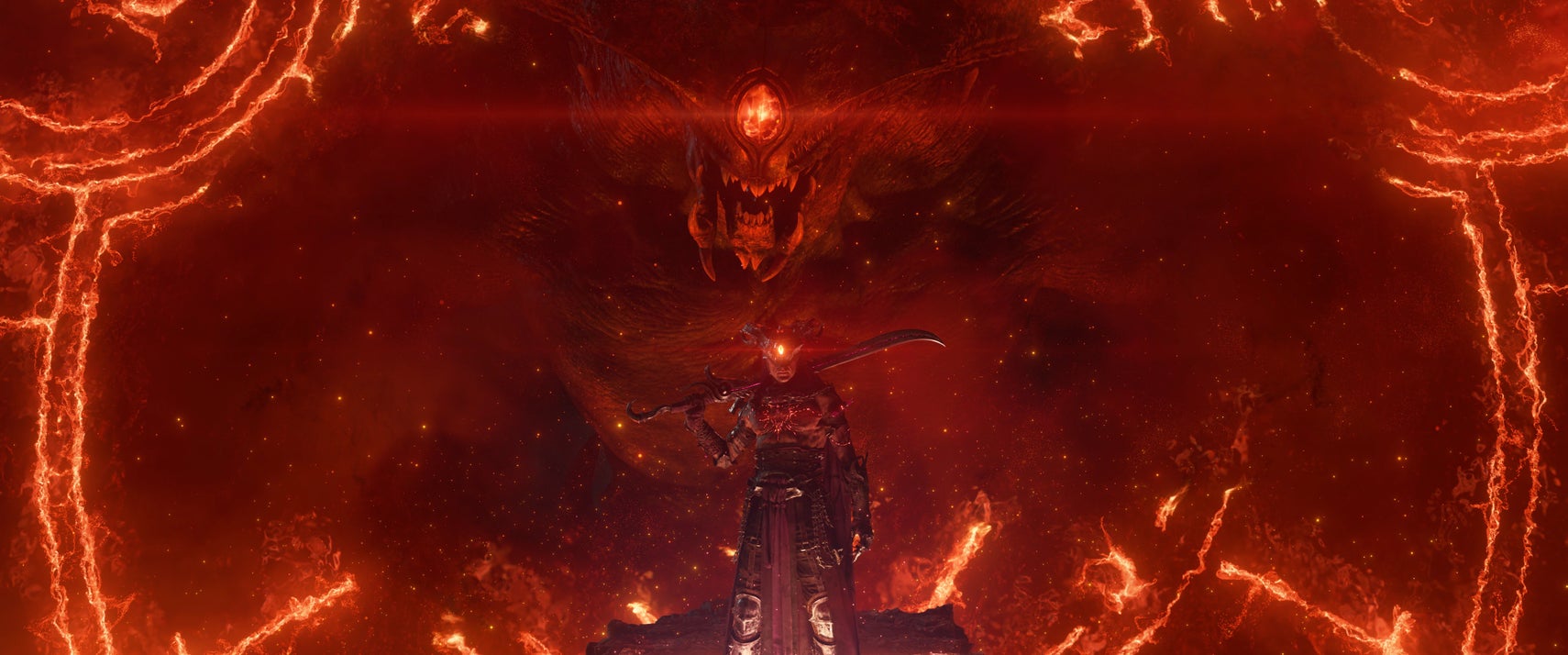
The Warlock’s official unveiling during the 30th Anniversary Spotlight cemented its place as the second major class addition. Unlike the Paladin, the Warlock’s accessibility is tied directly to the full release of the Lord of Hatred expansion, which is slated for late April. This phased release allows Blizzard to maintain momentum and provide distinct launch windows for each class, ensuring sustained player engagement leading up to and beyond the expansion’s debut.
Looking ahead, a crucial date for fans eager to learn more about the Warlock is March 5th. On this day, Blizzard will host a dedicated livestream specifically to showcase Warlock gameplay, delve into its intricate lore, and reveal its unique abilities. This targeted deep dive promises to answer many lingering questions and offer a clearer picture of how the Warlock will integrate into Diablo 4‘s combat and narrative.
Beyond Diablo 4, the Warlock’s journey has already begun in Diablo 2: Resurrected. The "Reign of the Warlock" DLC for D2R was released and made available immediately following the announcement. This instant gratification for Diablo 2 fans provided a tangible piece of new content right after the spotlight, bridging the gap between current and future Diablo experiences. The DLC not only introduced the Warlock but also included quality-of-life updates, a new endgame encounter called Colossal Ancients, and updated Terror Zones, further revitalizing the classic title. The inclusion of Diablo 4 cosmetics as a bonus for purchasing the D2R expansion also creates a compelling cross-game incentive for players invested in both titles.
Supporting Data: Delving Deeper into Sanctuary’s New Horizon
The Lord of Hatred expansion is poised to be a transformative update for Diablo 4, introducing not just new characters but fundamentally altering the landscape of Sanctuary and its mechanics.
The Warlock: Master of Forbidden Pacts
The Warlock stands in stark contrast to the Paladin’s righteous might. Imagine a character steeped in arcane secrets, not from scholarly study, but from illicit pacts with infernal entities. This class will likely embody classic dark fantasy archetypes, leveraging curses, debuffs, soul manipulation, and perhaps even summoning lesser demons or imps to do their bidding. Their aesthetic, as hinted by the initial tease, is expected to be gothic and menacing, reflecting their willingness to plumb the depths of Hell’s power for their own ends. This "edgy, antihero" positioning suggests a morally ambiguous path, allowing players to roleplay a character who fights fire with fire, or rather, demon with demon. This duality between the Paladin’s light and the Warlock’s shadow adds significant narrative depth and player choice to Diablo 4.

Skovos: The Sun-Drenched Shores of Peril
The new region of Skovos promises a distinct departure from Diablo 4‘s typically grim and gothic locales. Described as "Mediterranean-inspired," players can anticipate vibrant coastlines, ancient ruins, sun-drenched markets, and possibly labyrinthine catacombs beneath its picturesque surface. This change in scenery is not merely cosmetic; it signals a new cultural context for the ongoing conflict. Skovos will serve as the primary setting for the Lord of Hatred‘s new story arc, presumably delving into Mephisto’s schemes and influence within this previously unexplored corner of Sanctuary. More importantly, Blizzard is positioning Skovos as the endgame destination, suggesting it will host high-level activities, unique challenges, and potentially new types of world events designed to keep players engaged long after the campaign concludes.
Endgame Evolution: War Plans and Echoing Hatred
Diablo 4‘s endgame has been a continuous point of discussion among players, and Lord of Hatred aims to address this with innovative new modes:
- War Plans: This feature empowers players with unprecedented control over their endgame experience. By allowing players to create "custom playlists of up to five endgame activities," War Plans directly responds to desires for more tailored progression. Players can select specific Dungeons, Helltides, Whispers, or other activities, ensuring they target desired rewards, experience specific challenges, or simply enjoy their preferred content. The "new activity tree" that integrates with all endgame activities suggests a meta-progression system, where completing War Plans contributes to unlocking further bonuses, power, or customization options, providing a long-term goal for dedicated players.
- Echoing Hatred: This mode offers a high-stakes, high-reward challenge. Described as a "rare event" that pits players against "legions of Mephisto’s minions," it functions as a supercharged "horde mode." Triggered by a "rare lootable item," its scarcity ensures its prestige and challenge. The promise of "unending waves of enemies" with "a couple of twists" implies dynamic encounters, unique boss mechanics, or environmental hazards that differentiate it from standard horde experiences. This mode will likely appeal to players seeking intense combat, maximum loot potential, and a true test of their builds and teamwork.
Revitalizing Core Systems: Skill Trees, Talismans, and the Horadric Cube
The expansion isn’t just about new content; it’s also about refining the foundational gameplay loop:
- Expanded Class Skill Trees: This is a significant update for all players, regardless of expansion purchase. It implies more choices, deeper customization, and potentially new build diversity for every existing class, offering fresh ways to play established characters.
- Talisman System: The introduction of Talismans, which unlock "set bonuses," suggests a new layer of character power and customization. This system could function similarly to charm inventories in past Diablo games or provide unique legendary effects based on collected items, further influencing player builds and gear hunting.
- Return of the Horadric Cube: A fan-favorite from Diablo 2, the Horadric Cube’s return is a massive quality-of-life and customization boon. Granting players "control over Affixes" implies an ability to re-roll, extract, or transfer specific item properties, providing a much-needed layer of deterministic crafting and item optimization that could significantly reduce the randomness of gear acquisition.
The Warlock Across the Diablo Multiverse
The decision to introduce the Warlock across Diablo 4, Diablo Immortal, and Diablo 2: Resurrected highlights Blizzard’s commitment to a cohesive, if varied, franchise experience. For Diablo Immortal, the Warlock will provide a fresh character for mobile players. For Diablo 2: Resurrected, however, it is a monumental event. "Reign of the Warlock" marks D2R’s "first new class in 25 years," an almost unheard-of addition to such a venerable title. This breathes new life into a classic, offering veteran players a completely novel way to experience a game they’ve likely mastered countless times. Alongside the Warlock, D2R also receives new quality-of-life features, the Colossal Ancients endgame encounter, and updated Terror Zones, signaling a renewed commitment to the game’s long-term health. The cross-game cosmetic rewards for Diablo 4 further sweeten the deal, encouraging players to engage with the Warlock’s legacy across different platforms.
Official Responses and Strategic Intent
While direct quotes are limited in the provided article, Blizzard’s actions and announcements implicitly convey their strategic responses to player feedback and their vision for the Diablo franchise.
The staggered release of the Paladin and Warlock classes demonstrates a calculated approach to content delivery. By making the Paladin an immediate pre-order bonus, Blizzard taps into the player base’s desire for instant new content, rewarding early adopters. Holding the Warlock until the full expansion launch maintains a steady stream of anticipation and ensures that the expansion itself feels like a significant event, rather than just a patch. This phased rollout also allows the development team to potentially fine-tune the Warlock based on early Paladin feedback or general expansion reception, though this is speculative.

The emphasis on Skovos as both a narrative hub and an "endgame destination" is a clear response to the community’s desire for more robust and varied endgame content. The introduction of War Plans and Echoing Hatred further solidifies this commitment, directly addressing criticisms regarding endgame linearity and repetition. By offering customizable playlists and a high-stakes horde mode, Blizzard aims to provide both flexibility and intensity, catering to different playstyles and ensuring long-term engagement. The return of the Horadric Cube and the expanded skill trees indicate a responsiveness to player calls for deeper character customization and more agency over itemization, moving away from purely RNG-driven progression.
The cross-franchise Warlock rollout, particularly its inclusion in Diablo 2: Resurrected, speaks volumes about Blizzard’s long-term vision. It signals a dedication to nurturing the entire Diablo ecosystem, not just the latest title. Introducing a new class to a 25-year-old game is an extraordinary move, demonstrating a willingness to invest in legacy titles and reward long-time fans. This also creates a unified brand identity for the Warlock, establishing it as a significant new archetype within the broader Diablo lore. The dedicated livestream for the Warlock on March 5th is another example of Blizzard’s strategy to engage the community directly, offering transparent deep dives into new features and building hype through direct communication.
Implications for the Future of Diablo
The unveiling of the Warlock and the comprehensive details of the Lord of Hatred expansion carry profound implications for Diablo 4 and the wider Diablo franchise.
Impact on Diablo 4’s Meta and Player Choice: The addition of two new classes, especially one as thematically distinct as the Warlock, will significantly shake up Diablo 4‘s meta. The Warlock’s potential for dark magic, curses, and demonic summoning will introduce entirely new combat styles and tactical considerations. This expansion of class diversity provides players with more choices, encouraging experimentation with new builds and team compositions. The inherent contrast between the Paladin’s righteous offensive and the Warlock’s insidious tactics promises a richer and more varied gameplay experience, potentially fostering new PvP dynamics and PvE strategies.
Longevity and Replayability: The new region of Skovos, coupled with the innovative War Plans and Echoing Hatred endgame modes, directly addresses concerns about Diablo 4‘s long-term replayability. Skovos, as an endgame hub, suggests a continuous flow of high-level content, while War Plans offer personalized progression, allowing players to tailor their grind to their preferences. Echoing Hatred provides a challenging, rare event that will likely become a sought-after activity for top-tier players. These additions aim to keep the player base engaged for years to come, providing fresh challenges and meaningful goals beyond the initial campaign.
Player Engagement and Content Strategy: Blizzard’s phased release of classes and the dedicated Warlock livestream demonstrate a sophisticated content delivery strategy. By offering early access to the Paladin as a pre-order bonus, they incentivize early commitment. By holding back the Warlock and providing a dedicated showcase, they maintain excitement and a steady news cycle leading up to the expansion’s full launch. This approach ensures sustained player interest and provides multiple touchpoints for community engagement. The cross-game content, particularly for Diablo 2: Resurrected, creates a strong sense of a unified Diablo universe, rewarding players who engage with multiple titles and fostering brand loyalty.

Revitalization of Legacy Titles: The most striking implication might be the unprecedented support for Diablo 2: Resurrected. Introducing a new class after 25 years is a powerful statement about Blizzard’s commitment to its classics. This not only breathes new life into D2R but also sets a precedent for how older, beloved titles can be revitalized with meaningful, impactful content. It acknowledges the enduring appeal of these games and rewards their dedicated player bases, potentially attracting new players to experience the foundational Diablo lore.
Blizzard’s Evolving Development Philosophy: These announcements signal an evolving development philosophy for the Diablo franchise. There’s a clear focus on responding to community feedback, enhancing endgame variety, and offering deeper customization. The return of the Horadric Cube, expanded skill trees, and the Talisman system all point towards empowering players with more control over their character progression and itemization. This iterative approach suggests a commitment to continuously improving Diablo 4 based on player experience and feedback, rather than a "launch and leave" mentality.
Broader Narrative Implications: The Warlock’s introduction also has significant narrative implications. By giving players the option to wield infernal powers, Diablo 4 further blurs the lines between hero and villain, challenging the traditional "light vs. darkness" dichotomy that has long defined the series. This moral ambiguity can lead to richer storytelling, more complex character motivations, and a deeper exploration of Sanctuary’s fallen state. It allows players to truly embody the idea that sometimes, to fight the greatest evils, one must walk dangerously close to the abyss.
In conclusion, the unveiling of the Warlock and the extensive details surrounding the Lord of Hatred expansion mark a pivotal moment for Diablo 4 and the entire Diablo franchise. With new classes, a sprawling new region, innovative endgame modes, and significant system overhauls, Blizzard is clearly investing heavily in the future of Sanctuary. The cross-franchise impact, particularly the historic addition to Diablo 2: Resurrected, underscores a renewed commitment to the series’ legacy while forging an exciting path forward. As players eagerly await the full launch in late April and the dedicated Warlock showcase on March 5th, the promise of deeper, darker, and more engaging adventures in Sanctuary has never been more palpable.










No comments yet. Be the first to join the conversation!