

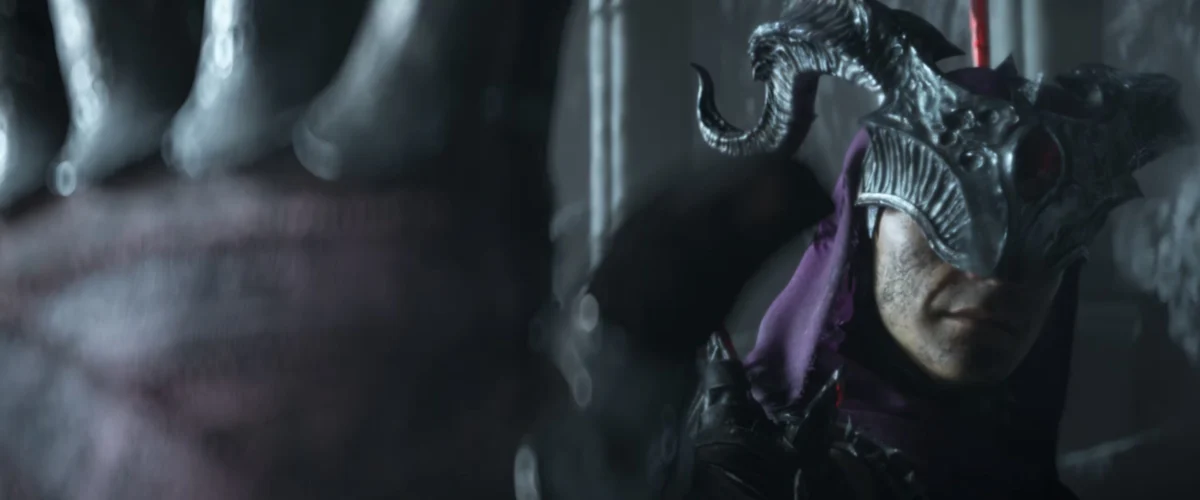
SANCTUARY AWAKENS – The hallowed halls of Sanctuary are once again abuzz with anticipation as Blizzard Entertainment prepares to pull back the veil on the future of Diablo IV. A long-awaited Developer Update livestream, hailed by many as a pivotal moment for the game’s trajectory, is set to air today, promising an extensive look at the upcoming Warlock class and the details of Season 12. This comprehensive showcase arrives after weeks of fervent speculation and a tantalizing, albeit brief, initial tease of the Warlock, leaving the formidable Diablo IV community eager for concrete revelations.
The livestream marks the return of Blizzard’s structured Developer Update program, a format designed to deliver dense, critical information directly from the creators to the player base. With a primary focus on the enigmatic Warlock, alongside a first glance at the transitional Season 12, this event is poised to significantly shape player expectations and strategies for the coming months. Beyond the new classes and seasonal content, the update is also slated to touch upon intriguing new gameplay mechanics, including the Killstreaks system and Bloodstained items, culminating in a community Q&A session that promises to address burning questions.
This deep dive into Diablo IV‘s evolving landscape is not merely a routine announcement; it represents a crucial juncture for a live-service game striving to maintain momentum and enrich its dark fantasy world. The details unveiled today will undoubtedly influence the meta, player engagement, and the overall perception of the "Lord of Hatred" expansion, setting the stage for a new chapter in the eternal conflict between angels and demons.
The Highly Anticipated Developer Update: Unveiling Sanctuary’s Future
The return of Blizzard’s Developer Update livestream program for Diablo IV has been met with significant excitement across the gaming community. Unlike casual social media posts or brief trailers, these structured showcases are designed to provide in-depth information, direct insights from the development team, and a clearer roadmap for the game’s evolution. For a title like Diablo IV, which operates as a live-service experience with continuous content updates, such transparency and direct communication are paramount to fostering a healthy relationship with its dedicated player base.
The anticipation surrounding this particular update stems primarily from the imminent arrival of new playable classes and significant seasonal overhauls. Players have invested countless hours delving into the dark fantasy world of Sanctuary, mastering existing classes, and navigating the ever-shifting seasonal landscapes. The introduction of new archetypes not only revitalizes the gameplay experience but also invites players to explore new combat styles, build possibilities, and strategies, injecting fresh life into the game’s ecosystem. The Developer Update serves as the critical bridge between abstract announcements and tangible gameplay, offering the first true look at how these new elements will integrate into the fabric of Diablo IV.
Unveiling the Warlock: A New Era of Dark Arts
At the heart of today’s Developer Update lies the grand unveiling of the Warlock, the second of two new classes slated for the upcoming "Lord of Hatred" expansion. The initial revelation of the Warlock, which occurred nearly a month ago, was intentionally brief and devoid of gameplay footage. It served as a tantalizing tease, leaving players to speculate wildly about the class’s identity, abilities, and thematic resonance within the Diablo universe. The lack of concrete details only amplified the community’s desire for a comprehensive breakdown, a desire that this Developer Update is specifically designed to satisfy.
In the rich tapestry of fantasy role-playing games, Warlocks are typically portrayed as wielders of forbidden magic, drawing power from pacts with infernal entities, ancient spirits, or other malevolent forces. They often occupy a nuanced space between traditional mages and necromancers, distinguished by their emphasis on dark rituals, curses, summoning lesser demons, and channeling chaotic, destructive energies. For Diablo IV, a game deeply rooted in themes of corruption, demonic influence, and the struggle against the forces of Hell, the Warlock class feels like a natural and incredibly fitting addition.
The livestream is expected to delve deep into the Warlock’s core mechanics, showcasing its unique resource system, primary skills, ultimate abilities, and signature class features. Players are eager to understand how the Warlock will differentiate itself from existing magic-users like the Sorceress (elemental magic) and the Necromancer (death magic and minions). Will Warlocks command hordes of lesser demons, sacrifice their own vitality for bursts of power, or specialize in debilitating curses that cripple their foes? The answers to these questions will not only define the class’s playstyle but also its potential impact on group dynamics and the meta across both PvE and PvP content. The community will also be looking for clues regarding the Warlock’s aesthetic, its unique transmog options, and how its visual identity will reflect its thematic origins within Sanctuary.
The Lord of Hatred Expansion: A Glimpse into the Future
The Warlock’s introduction is intrinsically linked to the much-anticipated "Lord of Hatred" expansion, which is poised to expand Diablo IV‘s narrative, world, and gameplay systems significantly. While details about the expansion itself remain somewhat under wraps, the staggered release of its new classes provides a strategic marketing approach by Blizzard, building sustained hype over several months.
The "Lord of Hatred" expansion is not just about new classes; it promises to extend the compelling storyline of Diablo IV, likely introducing new zones, dungeons, enemies, and lore that further flesh out the eternal conflict. The name itself, "Lord of Hatred," strongly suggests a narrative focus on Mephisto, one of the three Prime Evils, whose influence was a central, lingering threat at the conclusion of the base game’s campaign. Players are eager to see how the story progresses, what new challenges await, and what fresh horrors Blizzard has conjured from the depths of the Burning Hells.
The Warlock, arriving concurrently with the full expansion on April 28, will serve as a flagship feature, enticing players to dive into the new content immediately. Its unique abilities and thematic ties are expected to be deeply interwoven with the expansion’s narrative and new environments, offering a fresh perspective on the unfolding saga. This strategic timing ensures that the Warlock’s debut maximizes the excitement and engagement surrounding the expansion’s launch, providing a powerful incentive for both veteran players and newcomers to explore all that "Lord of Hatred" has to offer.

A Chronology of Anticipation and Reveals
The journey to today’s Developer Update has been a carefully orchestrated sequence of teases and announcements, designed to build a crescendo of excitement within the Diablo IV community. Blizzard’s approach to rolling out new content, particularly new classes, demonstrates a clear strategy aimed at maintaining player engagement and driving anticipation for major expansions.
From Tease to Deep Dive: The Warlock’s Journey
The initial revelation of the Warlock class took place approximately a month ago, a strategic move by Blizzard to coincide with other announcements or perhaps to kickstart the hype cycle for the "Lord of Hatred" expansion. This initial reveal was minimalistic, offering just enough information to confirm the class’s existence but intentionally withholding any substantial details or gameplay footage. Such a "soft launch" approach is common in game marketing, creating a vacuum of information that is quickly filled by community speculation, theory-crafting, and discussion across forums, social media, and content creator channels. This period of speculation served its purpose, generating significant buzz and ensuring that the subsequent Developer Update would be met with heightened interest.
The decision to dedicate an entire Developer Update livestream to the Warlock underscores the importance Blizzard places on this new addition. It’s not just another class; it represents a significant expansion of Diablo IV‘s core gameplay offerings and a potential shift in the game’s meta. By providing a deep dive, Blizzard aims to not only showcase the class’s abilities but also to explain its thematic underpinnings, its place in Sanctuary’s lore, and how it will interact with existing game systems. This detailed presentation is crucial for players who are considering maining the Warlock, offering them the necessary information to prepare for its arrival.
Seasonal Interlude: Preparing for Lord of Hatred
Beyond the Warlock, the Developer Update will also provide the first comprehensive look at Diablo IV‘s next seasonal content, Season 12. Crucially, this season is described as a "mini-season," set to launch on March 10 and conclude with the release of the "Lord of Hatred" expansion on April 28. This designation as a "mini-season" is noteworthy and suggests a specific strategic purpose within Blizzard’s content roadmap.
Typically, Diablo IV seasons run for approximately three months, offering a substantial period for players to engage with new mechanics, acquire seasonal rewards, and climb the leaderboards. A shorter, "mini-season" like Season 12 indicates that its primary role might be to bridge the gap between the current content cycle and the expansive launch of "Lord of Hatred." It serves to keep players engaged and active in the game during the final weeks leading up to the expansion, preventing a lull in activity that might otherwise occur as players await major new content.
This transitional season will likely introduce mechanics and challenges that are either less complex or designed to prepare players for the expansion’s themes and difficulty spikes. It could also be a testing ground for certain gameplay elements that might be refined and integrated into "Lord of Hatred" on a larger scale. The shorter duration means players will need to optimize their time and strategies to fully experience what Season 12 has to offer before the expansion fundamentally alters the game’s landscape. The Developer Update will clarify the specific goals and content of this mini-season, providing players with a clear understanding of how to best utilize this interim period.
Supporting Data and Gameplay Insights
The Developer Update is poised to deliver a wealth of information that will not only satisfy immediate curiosity but also inform player strategies and expectations for the foreseeable future of Diablo IV. The discussion will extend beyond the Warlock and Season 12’s overarching structure, diving into specific gameplay mechanics that could significantly impact the player experience.
Delving into the Warlock’s Potential Archetypes
While concrete details await the livestream, the mere mention of a "Warlock" in the Diablo universe immediately conjures certain expectations. Historically, Warlocks in fantasy settings often embody themes of forbidden knowledge, dark bargains, and the manipulation of demonic or occult energies. In Diablo IV‘s gritty, dark fantasy world, this could translate into several compelling archetypes:
- Demonic Summoner: Unlike the Necromancer’s skeletal minions, a Warlock summoner might focus on pacts with specific, more powerful lesser demons, perhaps even temporarily binding greater entities. Their playstyle could involve managing demon summons, empowering them with dark rituals, or sacrificing them for explosive effects.
- Curse Master: Specializing in debilitating debuffs and DoT (Damage over Time) effects, a Warlock could weave intricate curses that weaken enemies, spread contagions, or inflict agonizing, sustained damage. This would position them as a powerful support/damage hybrid, essential for tackling high-difficulty content.
- Blood/Shadow Mage: Drawing directly from their own life force or the essence of darkness, this archetype might utilize self-damaging abilities to unleash devastating bursts of shadow or blood magic. Risk-reward gameplay, where power is gained at a cost, could be a core tenet.
- Chaos Weaver: Embracing unpredictable, volatile magic, a Warlock could manipulate chaotic energies to create area-of-effect destruction, random elemental bursts, or reality-warping effects. This would offer a more dynamic and less predictable playstyle.
The Developer Update is expected to clarify which of these archetypes, or a unique blend thereof, Blizzard has chosen for Diablo IV‘s Warlock, revealing its core identity and how it will carve its niche within the existing class roster.
The Paladin’s Precedent: Setting Expectations

The Warlock is the second of two classes introduced with the "Lord of Hatred" expansion, the first being the Paladin. The Paladin, a venerable class within the Diablo franchise known for its righteous zeal, holy magic, and formidable melee combat, has already been made available to players who pre-order the expansion. This staggered release strategy serves multiple purposes. Firstly, it provides an immediate incentive for early adopters, rewarding their commitment with instant access to new gameplay. Secondly, it allows the community to begin exploring and theory-crafting with one new class while anticipation continues to build for the second.
The Paladin’s early availability also sets a precedent for the Warlock. Players who have experimented with the Paladin will likely have formed expectations regarding the quality, balance, and thematic execution of new classes. The Warlock will, therefore, be scrutinized not just on its own merits but also in comparison to its holy counterpart. The Developer Update will be an opportunity for Blizzard to ensure the Warlock stands out as a distinct and equally compelling option, showcasing its unique strengths and identity.
Season 12’s Mechanics: Killstreaks and Bloodstained Items
Beyond the new classes, the Developer Update will also introduce specific gameplay mechanics for Season 12, notably "Killstreaks" and "Bloodstained items." While the full scope of these features will be revealed during the livestream, their names offer intriguing hints at their potential impact:
- Killstreaks: This system, familiar from many action games, suggests a mechanic that rewards players for defeating multiple enemies consecutively without taking damage or dying. In Diablo IV, Killstreaks could manifest as temporary buffs (increased damage, speed, resource generation), special abilities that activate upon reaching certain thresholds, or even unique loot drops. It would encourage aggressive, efficient monster slaying and add an extra layer of tactical consideration to combat encounters, particularly in dense dungeons or open-world events. It could also introduce new challenges or leaderboards based on maintaining the longest killstreaks.
- Bloodstained Items: The term "Bloodstained" immediately evokes themes of dark magic, corruption, or perhaps items imbued with the essence of powerful foes. These could be a new tier of gear, unique seasonal legendary aspects, or even a crafting material. "Bloodstained items" might possess unique properties that scale with a player’s current health, offer bonuses related to bleeding or self-sacrifice mechanics, or even carry curses that provide powerful boons at a cost. This could introduce a new layer of risk-reward decision-making for itemization, forcing players to weigh the benefits against potential drawbacks. Given the "Lord of Hatred" expansion’s theme and the Warlock’s dark magic, "Bloodstained items" could be thematically linked to the ongoing narrative or even synergize with the new classes.
The Developer Update will be crucial in explaining how these mechanics integrate into the seasonal journey, how they interact with existing game systems, and what impact they will have on player progression and build diversity.
The Significance of Community Engagement
A perennial highlight of Blizzard’s Developer Updates is the Q&A segment. This direct line of communication between developers and players is invaluable for a live-service game. It allows the community to voice their concerns, ask clarifying questions, and provide feedback directly to the team responsible for shaping the game’s future. For this particular update, it is highly probable that the Q&A will heavily feature questions regarding the Warlock class – its lore, specific abilities, balance considerations, and its role in the meta.
Players will also likely inquire about the specifics of Season 12, its rewards, and how it will transition into the "Lord of Hatred" expansion. Questions about the broader development roadmap, quality-of-life improvements, and ongoing balance adjustments are also to be expected. The Q&A is not just about answers; it’s about demonstrating Blizzard’s commitment to listening to its community and fostering a collaborative environment, which is vital for the long-term health and success of Diablo IV.
Blizzard’s Strategic Approach and Official Stance
The way Blizzard has chosen to roll out information regarding the Warlock, the "Lord of Hatred" expansion, and Season 12 reflects a deliberate and strategic approach to managing player expectations and sustaining interest in Diablo IV.
Fostering Transparency and Building Hype
Blizzard’s decision to bring back a more structured Developer Update program underscores a commitment to transparency and direct communication. In the modern gaming landscape, where information travels rapidly and community sentiment can shift quickly, direct engagement from developers is crucial. These updates provide a controlled environment to disseminate key information, address potential misconceptions, and proactively manage the narrative around upcoming content. By offering a deep dive, Blizzard aims to instill confidence in their development direction and showcase the passion and effort being poured into the game.
The staggered reveal of new classes and the "mini-season" approach for Season 12 are classic examples of effective hype generation. Releasing the Paladin for pre-orders created an immediate incentive and generated initial buzz. Following this with a tantalizing Warlock tease and then a dedicated Developer Update builds sustained anticipation, ensuring that Diablo IV remains a consistent topic of discussion leading up to the "Lord of Hatred" expansion. This strategy is designed to keep the player base engaged and excited, encouraging continued play and attracting lapsed players back into Sanctuary.
The Expansion Model: Sustaining Sanctuary’s Future

The "Lord of Hatred" expansion represents a significant investment in Diablo IV‘s future. Unlike free seasonal updates, paid expansions typically introduce substantial new content, including entire regions, new story acts, and fundamental gameplay shifts. The introduction of two new classes, the Paladin and the Warlock, as part of this expansion, highlights Blizzard’s commitment to expanding the core gameplay experience. This model, common in many long-running RPGs and MMOs, is crucial for generating revenue that funds ongoing development and ensures the game’s longevity.
By offering early access to the Paladin with pre-orders, Blizzard is not only rewarding loyal players but also generating early revenue and gauging initial interest in the expansion. The full launch of the Warlock alongside the expansion ensures that there’s a major, exciting feature to drive purchases on day one. This two-pronged approach to class introduction demonstrates a sophisticated understanding of player psychology and market dynamics, designed to maximize both immediate sales and long-term player satisfaction.
Broader Implications for Diablo IV and Its Community
The revelations from today’s Developer Update will have far-reaching implications for Diablo IV, touching upon its gameplay meta, player engagement strategies, and its overall trajectory as a live-service title.
Reshaping the Meta and Player Experience
The introduction of new classes, especially two within a relatively short timeframe, will inevitably lead to a significant shake-up of Diablo IV‘s meta. Each new class brings with it unique mechanics, damage profiles, and utility that can redefine optimal group compositions, solo farming strategies, and PvP dynamics. The Warlock, with its presumed focus on dark magic and potentially summoning or cursing, will force players to reconsider existing build synergies and counter-strategies.
Furthermore, the new seasonal mechanics like Killstreaks and Bloodstained items will add another layer of complexity and novelty to the gameplay loop. These systems could encourage different playstyles, reward specific types of engagement, and offer new avenues for character progression and power optimization. The constant introduction of fresh mechanics is vital for keeping the game feeling dynamic and preventing staleness, ensuring that players have new challenges to overcome and new ways to engage with the world of Sanctuary.
Long-Term Engagement and Content Strategy
For Diablo IV to thrive as a live-service game, it must consistently deliver compelling new content and meaningful updates. The Developer Update, by providing a clear look at upcoming classes, a transitional season, and an expansion, signals Blizzard’s long-term commitment to the title. This robust content pipeline is crucial for retaining the existing player base and attracting new players who might be waiting for the game to mature or expand.
The mini-season approach for Season 12, followed by a full expansion launch, demonstrates a thoughtful content release strategy. It ensures that there’s always something new on the horizon, preventing extended content droughts that can lead to player attrition. This continuous stream of updates, combined with open communication through Developer Updates and Q&A sessions, helps to build a sense of community and shared journey between the developers and the players, which is fundamental to the success of any online game.
Ultimately, today’s Developer Update is more than just a broadcast; it’s a testament to the ongoing evolution of Diablo IV. It’s a promise of new horrors to face, new powers to wield, and new stories to uncover within the besieged lands of Sanctuary. As the livestream unfolds, the community will undoubtedly dissect every detail, eagerly anticipating the moment they can unleash the dark arts of the Warlock and delve into the next chapter of their grim adventures. The future of Diablo IV is being unveiled, and for its legions of fans, the wait is finally over.











No comments yet. Be the first to join the conversation!