Muslim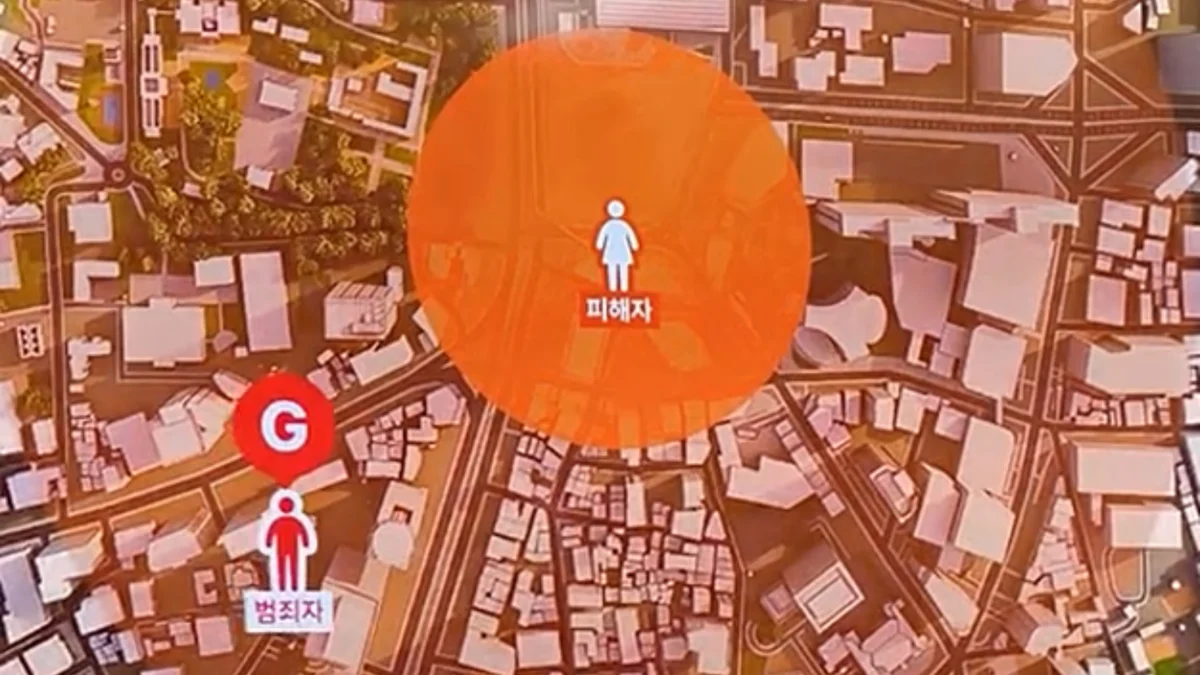
In a significant technological shift aimed at combating a surging epidemic of harassment, South Korea has launched a pioneering mobile application designed to provide stalking victims with real-time, visual tracking of their alleged perpetrators. Launched in late June, the initiative represents a paradigm shift in how the state monitors court-ordered electronic ankle monitors, moving from passive, text-based alerts to active, location-aware intelligence.
As of mid-September 2026, approximately 400 individuals are enrolled in the government-mandated scheme. While proponents view the app as a vital lifeline—empowering victims to make informed decisions about their own safety—critics argue that the system places the onus of protection on the vulnerable, potentially masking systemic failures within the judicial and law enforcement sectors.
The Evolution of Protective Technology: How the System Works
For years, the South Korean government relied on a rudimentary alert system for victims. When a suspect wearing an electronic monitoring device—often colloquially referred to as an "ankle monitor"—crossed a pre-defined geographic perimeter, the victim would receive a standard text message. This message would typically state the suspect’s distance from the victim’s current location. However, this method proved fundamentally inadequate.
"Waiting with no idea what’s happening is deeply distressing," says Yoon Hyun-bong, director of the Seoul monitoring center. "A distance alone doesn’t tell you which direction he’s coming from, but seeing it on a map, you know where to hide."
The new application addresses these spatial blind spots. If a tagged suspect enters a 2km radius of the victim, the user can open the app to view the suspect’s live location and their specific direction of travel. This data, pulled directly from the GPS of the electronic tag, allows the victim to visualize the threat in real-time. If the suspect breaches the 1km threshold, the system automatically triggers an emergency alert to local police and probation authorities, who are then mandated to contact the victim immediately to ensure their safety.
A Surge in Stalking: A Contextual Analysis
The implementation of this technology comes against a backdrop of alarming statistics. Since the enactment of South Korea’s dedicated Anti-Stalking Law in 2021, reported cases have skyrocketed, nearly tripling to 44,687 by the end of 2025. Demographic data indicates that women remain the primary target of these crimes, accounting for approximately 80% of all victims.
This legislative milestone was intended to provide a robust framework for prosecution, but the sheer volume of cases has overwhelmed the judicial system. Between 2024 and 2025, police arrested 29,404 individuals on stalking-related charges. Despite this high number of arrests, the application of electronic monitoring—the prerequisite for the new app—remains surprisingly rare.
During that same two-year period, authorities filed 1,187 requests for electronic monitoring of stalking suspects. Of those requests, the courts approved only 427—a rejection rate that has drawn sharp criticism from victim advocacy groups.
The logistical burden on the state is immense. South Korea currently manages two primary electronic monitoring centers, which oversee roughly 5,000 individuals accused or convicted of various crimes, including sexual violence and homicide. These centers process an average of 19,000 alerts daily. Of those, about 300 are deemed "serious" enough to require immediate escalation to a probation officer. The addition of stalking cases to this high-pressure workflow has intensified the debate over whether the current infrastructure is sufficient to manage the risks involved.
The Global Context: Stalking in the Digital Age
South Korea is not alone in grappling with the rise of stalking, nor is the problem limited to the physical realm. The digital age has introduced new vectors for harassment, particularly for those with a public online presence. The intersection of physical stalking and digital fame has become a flashpoint for international concern.

In June 2026, the world witnessed the tragic consequences of unchecked harassment when a convicted stalker was arrested on suspicion of murdering Natalia Villalba, a well-known Colombian influencer. The case served as a chilling reminder that digital obsession often translates into lethal physical reality.
The problem is particularly acute for content creators and streamers. In South Korea, high-profile Twitch star Jinnytty provided a harrowing account of being followed during a live broadcast by a man she claimed had stalked her for over six months. Her experience highlights the vulnerability of creators who, by the nature of their work, broadcast their locations to thousands of viewers. Similarly, popular streamer Amouranth has repeatedly utilized her platform to criticize authorities for their inaction regarding cyberstalking, arguing that current legal frameworks are ill-equipped to handle the nuances of modern, persistent digital harassment.
Official Responses and Ethical Critiques
The reaction to the new app has been polarized. While the government maintains that the tool is a necessary innovation for public safety, civil rights activists and women’s advocacy organizations have raised profound ethical questions.
Sujeong Kim, director of the Korea Women’s Hotline, summarized the concerns of many advocates: "If the authorities did their job properly, who would want to check it themselves?"
The critique is rooted in the idea of "state abdication." By providing victims with an app, the government essentially transitions the role of monitor from the state to the victim. Critics argue that this creates a state of "constant vigilance" for the survivor, where they are forced to spend their time monitoring a screen to see if their abuser is approaching, rather than being able to rely on the state to proactively prevent the encounter.
There is also the psychological toll. For a victim already suffering from the trauma of stalking, the necessity of watching a GPS map of their perpetrator can serve as a form of re-traumatization. Instead of feeling protected, the victim may feel tethered to their attacker by a digital leash, unable to find peace of mind as long as the suspect is in the vicinity.
Implications for Future Policy
The South Korean experiment will likely be watched closely by other nations grappling with similar crime spikes. The efficacy of the app depends on two variables: the technical reliability of the GPS data and the judicial willingness to mandate the use of electronic tags.
If courts continue to deny the majority of requests for electronic monitoring, the app will remain a niche tool, inaccessible to the vast majority of victims who need it most. Furthermore, the reliance on police response times for the 1km "red zone" alerts will determine whether the app is viewed as a true deterrent or merely a recording device that documents a crime as it happens.
Ultimately, the launch of the app serves as a symptom of a larger, systemic struggle. While technology can provide a temporary buffer against the immediate threat of violence, it cannot replace the need for comprehensive legal reform, better judicial training, and a more robust social safety net for those caught in the cycle of harassment.
As South Korea navigates this digital frontier, the fundamental question remains: is the goal to help victims manage their fear, or to create a society where the fear of being stalked is no longer an everyday reality for thousands of women? The answer will likely define the success of this initiative in the years to come.


 Layla Zulfa
 Sagoh
Sagoh