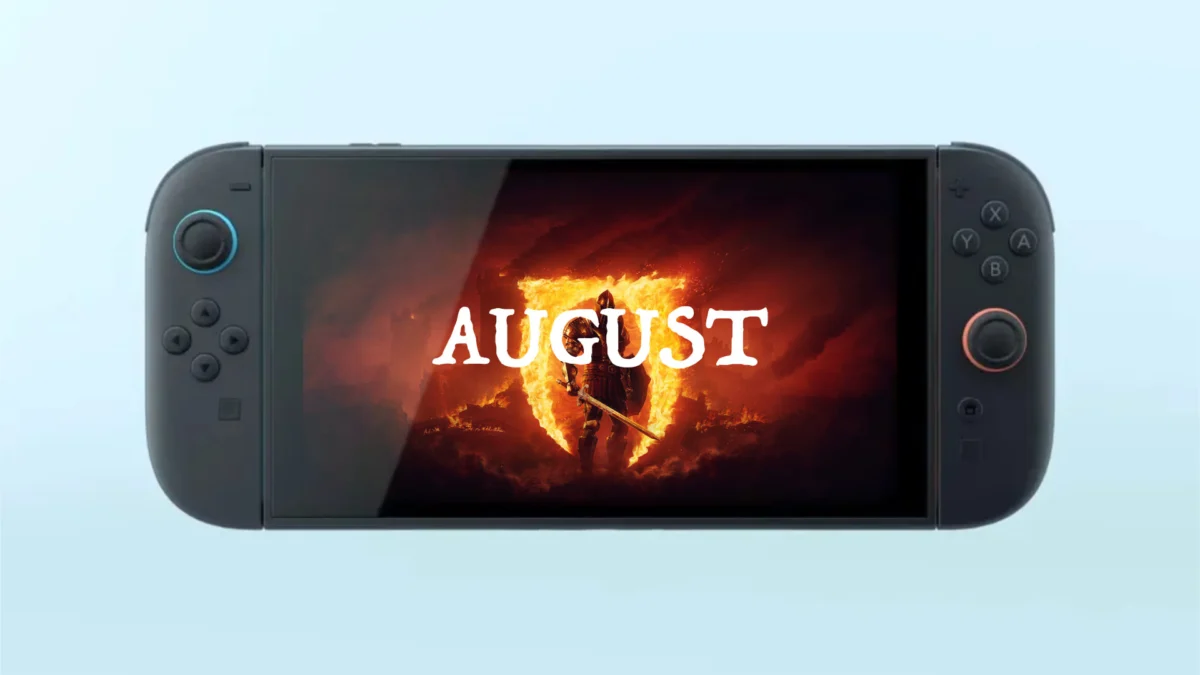
Bethesda Softworks has finally ended the speculation surrounding one of its most anticipated ports. Following a steady rollout of titles for the Nintendo Switch 2, the publisher has officially confirmed that The Elder Scrolls IV: Oblivion Remastered—a Unreal Engine 5-powered reimagining of the iconic 2006 RPG—will arrive on the handheld platform on August 11th.
This release marks a significant milestone in Bethesda’s strategy to populate the Switch 2 library with its most storied franchises. While fans have been enjoying titles like Fallout 4 and Skyrim on the new hardware for several months, the Oblivion remaster has been the "missing piece" of the puzzle since the console’s initial Partner Direct showcase.
The Road to Cyrodiil: A Chronological Overview
The journey to bringing Oblivion back to modern audiences has been a long and complex process.
- Early 2026 (Nintendo Partner Direct): During a high-profile Nintendo showcase, Bethesda surprised the gaming community by announcing a suite of legacy titles headed to the Switch 2. Alongside Indiana Jones and the Great Circle and the Fallout 4 Anniversary Edition, the company teased a full remaster of The Elder Scrolls IV: Oblivion.
- The Development Silence: Following the announcement, Bethesda maintained a strategic silence regarding a firm release date. While other titles were deployed successfully, the Oblivion project remained in a "coming later this year" state, leading to intense speculation regarding the technical hurdles of running a modern UE5 build on a handheld device.
- Performance Concerns: As the remaster launched on other platforms, users noted that the title, while visually stunning, suffered from optimization issues—even on high-end hardware like the PlayStation 5. This fueled community concerns about how a system with the thermal and power constraints of the Switch 2 would handle the heavy load of the Unreal Engine 5 architecture.
- The August Announcement: Bethesda broke the silence this week, confirming the August 11th release date. This announcement finally provides a definitive end to the waiting period for Switch 2 owners.
Technical Implications: UE5 on Handheld Hardware
The transition of The Elder Scrolls IV: Oblivion from its original Gamebryo engine roots to a modern Unreal Engine 5 framework is a monumental technical shift. The remaster isn’t merely a graphical "touch-up"; it is a comprehensive overhaul of lighting, asset fidelity, and environmental density.
The Performance Challenge
The central concern for many critics remains the game’s performance profile. As noted in early gameplay trailers released by Bethesda, the title maintains a high level of graphical detail, but this comes at a cost. On more powerful consoles, the game has occasionally struggled with frame rate stability in complex environments like the Imperial City.
Porting this to the Switch 2 requires a delicate balance of aggressive upscaling techniques (likely utilizing NVIDIA’s DLSS or similar proprietary solutions) and potential adjustments to shadow maps, draw distances, and asset streaming. Bethesda has promised a "bespoke" version of the game for the console, implying that the studio has spent significant time optimizing the code specifically for the Switch 2’s custom silicon.
The "Full Cartridge" Promise
Perhaps the most refreshing news to emerge alongside the release date is Bethesda’s commitment to physical media. In an era where many AAA titles are released as mere "download keys" inside a box, the physical edition of Oblivion Remastered for the Switch 2 will include the complete game data on the cartridge. This is a massive victory for game preservationists and users with limited internet bandwidth, distinguishing this release from some of Microsoft’s other recent multi-platform efforts which have necessitated large day-one patches or external downloads.
The Strategic Importance of the Switch 2 Library
Bethesda’s strategy regarding the Switch 2 is indicative of a broader industry shift: the "evergreen" strategy. By bringing Skyrim, Fallout 4, and now Oblivion to the Nintendo ecosystem, Bethesda is ensuring that its back catalog remains a primary driver of revenue long after the original release cycles of these games have ended.
For Nintendo, this partnership is vital. The Switch 2 aims to bridge the gap between the casual "pick-up-and-play" experience and the "hardcore" RPG market. By hosting titles that defined the 2000s and 2010s, the Switch 2 is positioning itself not just as a family-friendly device, but as the premier destination for classic Western RPGs.
Community Reaction and Market Outlook
The response to the announcement has been mixed, characterized by a blend of nostalgia and skepticism. On community forums and social media, long-time fans have expressed excitement at the prospect of playing one of the greatest RPGs of all time in a portable format. However, this is tempered by a healthy dose of caution.
"We’ve seen what the game looks like on PS5, and it’s gorgeous but heavy," noted one industry analyst. "The question isn’t whether the game is good—it’s a masterpiece—the question is whether the Switch 2 can maintain a consistent 30 frames per second in the more taxing areas of Cyrodiil. If Bethesda can nail the performance, this could be the definitive version of the remaster for many players."
Expectations vs. Reality
The gaming community has become increasingly sensitive to "bad ports." With recent high-profile disasters in the industry, the pressure is on Bethesda to ensure that the August 11th release is stable. If the game launches with severe stuttering or visual artifacting, it could dampen the momentum of the Switch 2’s impressive launch year.
Official Responses and Next Steps
Bethesda has not provided a detailed breakdown of the technical compromises made for the Switch 2 version, but they have maintained that the project has been treated with "the highest level of care."
"Our goal was to ensure that the spirit of Cyrodiil remained intact," a spokesperson stated in a brief press release. "We have worked closely with Nintendo to leverage the unique capabilities of the Switch 2 to ensure that our players have a seamless, immersive experience from the moment they step out of the Imperial Sewers."
What to Look for in the Coming Weeks
As we approach the August 11th launch, prospective players should look for:
- Digital Foundry Analysis: Independent technical breakdowns will be the ultimate litmus test for the port’s stability.
- Day-One Patch Notes: Whether the "full cartridge" includes a day-one patch, or if the game is truly "complete" on the card, will be a major talking point.
- Early Gameplay Reviews: Keep an eye out for footage demonstrating how the game handles handheld battery life and thermal management.
Conclusion: A Legacy Reborn
The Elder Scrolls IV: Oblivion remains a watershed moment in gaming history. Its systemic approach to AI, its massive scope, and its memorable quest design continue to influence modern game development. Bringing this experience to the Switch 2 is more than just a business decision; it is an act of historical preservation.
Whether or not the performance holds up under the scrutiny of modern hardware remains to be seen. However, on August 11th, players will finally have the chance to return to the heart of the Empire, once again tasked with closing the Oblivion Gates, this time from the comfort of their own hands. As Bethesda continues to expand its footprint on Nintendo hardware, the industry will be watching closely to see if this remaster can stand the test of time—and the limitations of portable hardware.
The gates are opening. Are you ready to step back into Cyrodiil?