

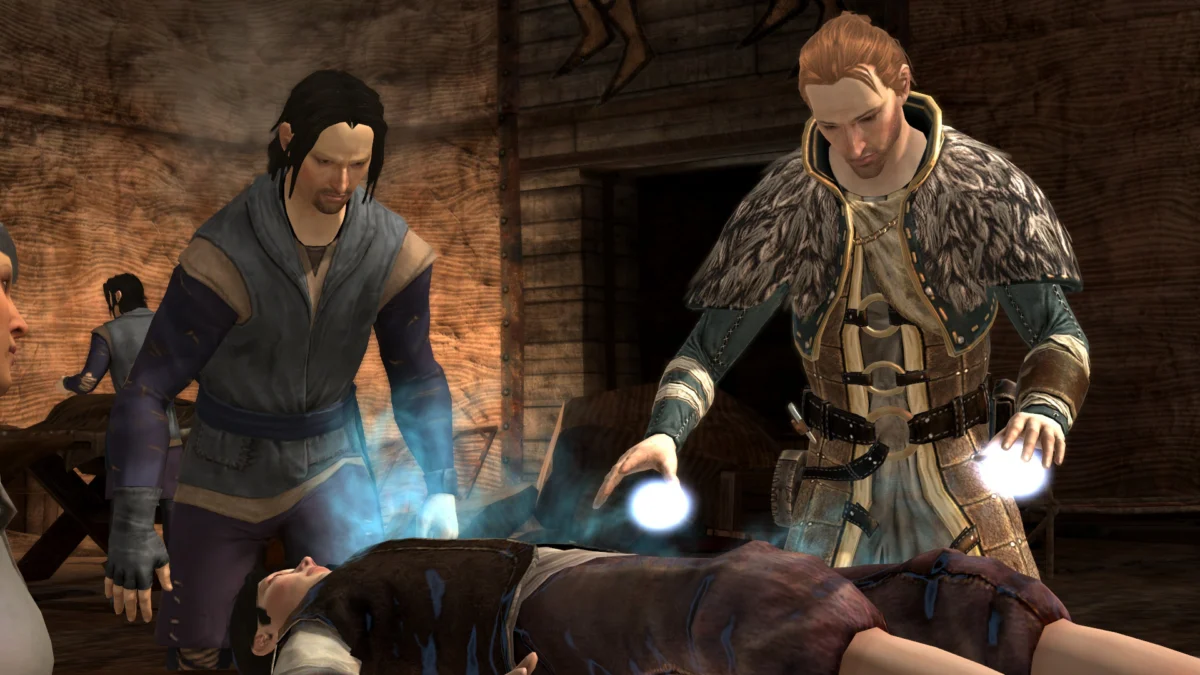
In the pantheon of BioWare’s storied history, few titles occupy a space as volatile or as fascinating as Dragon Age II. Released in the shadow of the monumental success of Dragon Age: Origins, the sequel was an outlier—a product defined by a crushing development cycle, a radical pivot in narrative philosophy, and a reception that ranged from fervent adoration to vitriolic rejection.
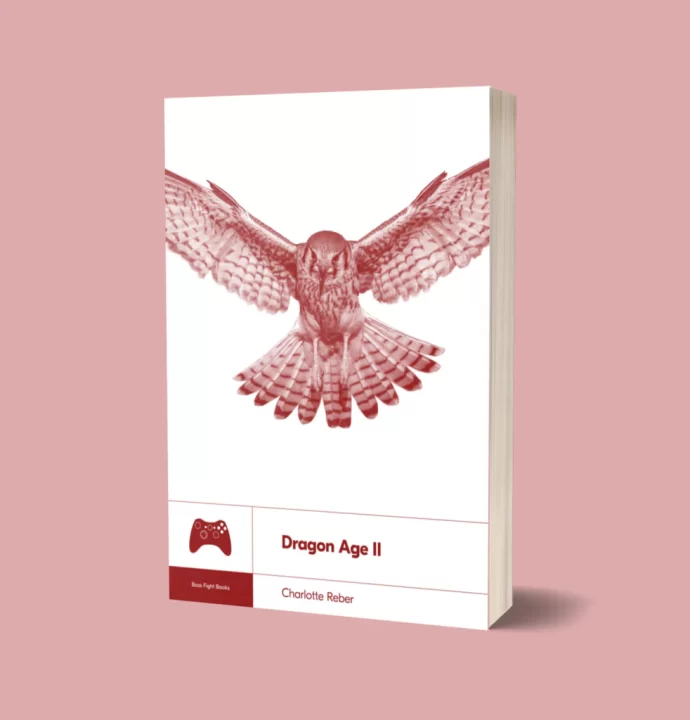
Now, author Charlotte Reber has provided the definitive post-mortem of this misunderstood title in her latest monograph for Boss Fight Books. Titled Dragon Age II, Reber’s book is more than a mere retrospective; it is a profound exploration of the intersection between corporate mandates and artistic vision, serving as a masterclass in how "pressure-cooked" development can result in a game that, despite its flaws, possesses a distinct and enduring soul.
The Foundation of a "Perfect Storm"
"A deadline, a narrative mode, and a setting." These three pillars were the architecture upon which Dragon Age II was built. While the gaming world often remembers the title for its recycled environments and departure from the traditional CRPG roots of its predecessor, Reber argues that these choices were not the result of creative laziness, but of radical, necessary ingenuity under duress.
Tasked with producing a massive, AAA-tier sequel in just over a year, the BioWare development team was forced into a corner. Where most studios relegate narrative to the final stages of production, the Dragon Age II writers—a tight-knit, boisterous group affectionately known as the "Estrogen Brigade"—were given the reins early. This inversion of the standard development pipeline allowed the writers to set the table, effectively forcing the technical teams to build the game around the story rather than vice versa.

Chronology: A Year of Controlled Chaos
The development of Dragon Age II is a study in creative triage. Because the studio was operating under a near-impossible timeline, every design decision had to be a "workaround."
- The Narrative Frame: By focusing the story on a single city, Kirkwall, and tracking the protagonist Hawke’s journey over a decade, the team created a sense of intimacy and temporal weight that few other games have dared to replicate.
- The "Writers’ Pit": Reber’s book captures the electric atmosphere of the writers’ office. Led by David Gaider and featuring contributors like Sheryl Chee, Jennifer Hepler, Mary Kirby, and Lukas Kristjanson, this group functioned as a creative engine, churning out over 280,000 words of dialogue and branching paths.
- The Tech Constraints: The team had to navigate complex technical barriers, such as the infamous "talk tables"—spreadsheets containing thousands of rows of logic that determined how and when dialogue triggered. These technical hurdles forced the team to make difficult sacrifices, including the decision to lock the protagonist to a human race to ensure the cinematics and voice-acting remained cohesive within the budget.
Supporting Data: The Cost of Compromise
In the gaming industry, writing is often viewed as the "cheapest" asset to produce. However, as Reber highlights, the cost of narrative is rarely fiscal; it is architectural. In an RPG, every line of dialogue requires a corresponding flag in the code, a potential camera angle, and a voice-over file.
The book details how lead designer Mike Laidlaw and the writing team were forced to prune their visions to meet the rigid demands of the production schedule. One particularly poignant anecdote involves the game’s ending. Originally conceived with more nuance and complexity, the final act was eventually streamlined into a more traditional "big bad" confrontation to ensure the gameplay team could meet their integration milestones. These moments of compromise are not presented by Reber as excuses, but as essential context for why the game feels "off" to some players—it is a piece of art that bears the literal scars of its manufacturing process.
Official Responses and the "GamerGate" Shadow
Perhaps the most harrowing section of Reber’s analysis covers the post-release environment. Dragon Age II arrived during a period of shifting cultural tides in the gaming community. The game became a lightning rod for criticism that had little to do with mechanics.
The developer’s decision to include bisexual, romanceable companions—and to treat that representation as a standard feature of the world—drew ire from both ends of the ideological spectrum. Reber chronicles the rise of an early, vicious form of online harassment that targeted specific writers, most notably Jennifer Hepler. This "proto-GamerGate" vitriol was not just a reaction to a sequel; it was a manifestation of a changing, and often toxic, relationship between developers and their audiences. Reber handles these segments with sobering clarity, illustrating how the team’s attempt to push for diversity was met with a campaign of scapegoating that left a permanent mark on the studio culture.
The Legacy of the "Cool One to Like"
As the years have passed, the critical consensus on Dragon Age II has undergone a dramatic reversal. What was once considered the "disappointing" follow-up is now frequently cited as the most bold and personal entry in the series.
Why It Still Matters:
- Narrative Intimacy: Unlike the "save the world" scope of Origins or the global stakes of Inquisition, Dragon Age II is a tragedy about a family and their friends. This micro-focus remains a gold standard for RPG storytelling.
- The "Favorite, Not Best" Distinction: Both Reber and the original leads, Gaider and Laidlaw, have referred to the game as a "favorite, not best." This distinction is vital; it acknowledges the technical and design flaws while celebrating the game’s heart and its willingness to take structural risks.
- The Blueprint for Preservation: Reber’s book is a testament to the idea that a game’s value is not solely defined by its review scores or its sales, but by the dialogue it fosters over a decade.
Implications for the Future of BioWare
The final chapters of Reber’s monograph shift to a more melancholy tone, detailing the eventual exodus of the veteran writers who built the foundation of the Dragon Age franchise. With the arrival of Dragon Age: The Veilguard, the torch has been passed to a new generation, but the "Writers’ Pit" mentality—that spirit of collective, collaborative world-building—remains the series’ greatest asset.
Reber’s work serves as a reminder that the passion of fans is the true lifeblood of these IPs. Even as studios face corporate consolidation and the cold, hard pressures of fiscal quarters, the stories that resonate are those born from a specific, chaotic, and deeply human place.
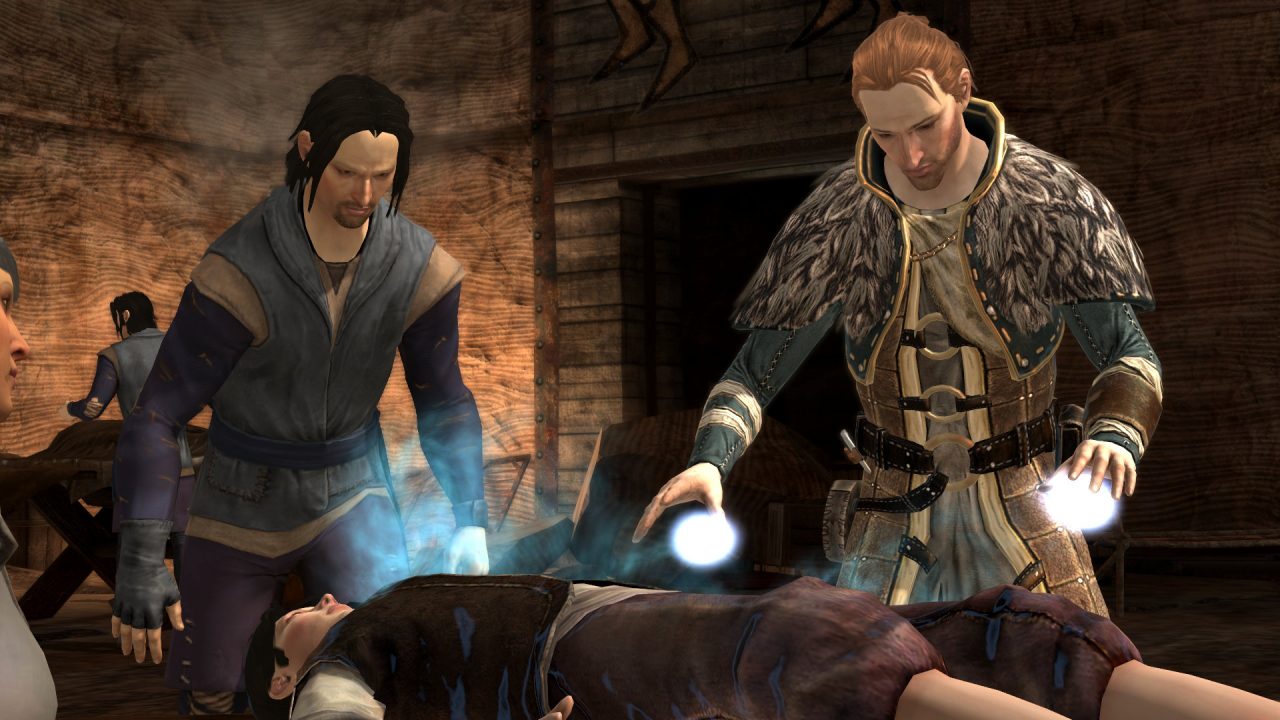
For those who view Dragon Age II as a flawed masterpiece, or for those who simply want to understand the grueling reality of AAA game development, this book is essential reading. It provides a roadmap of the "cutting room floor," allowing us to see the diamonds that were forged under the immense pressure of the industry.
Dragon Age II is available now through Boss Fight Books. Whether you are a die-hard fan of the Kirkwall saga or a student of game design, this monograph is a definitive, heart-wrenching, and ultimately hopeful account of one of gaming’s most misunderstood adventures.
Disclaimer: This article is based on a review copy provided by the publisher. This relationship did not influence the editorial direction or the objective analysis of the work presented.











No comments yet. Be the first to join the conversation!